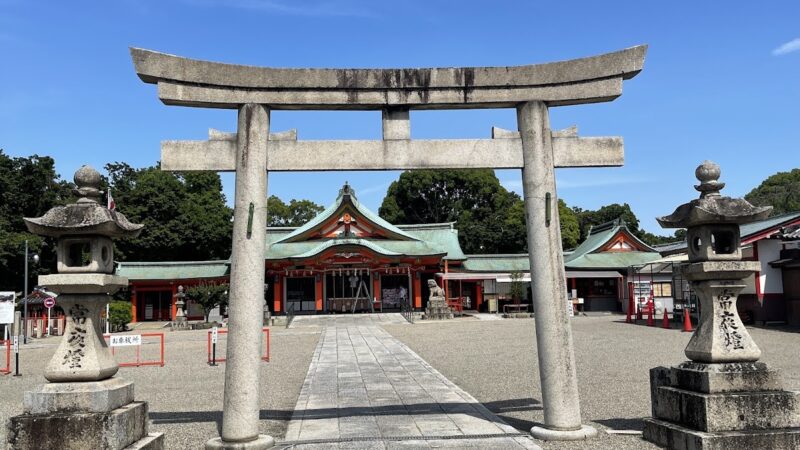
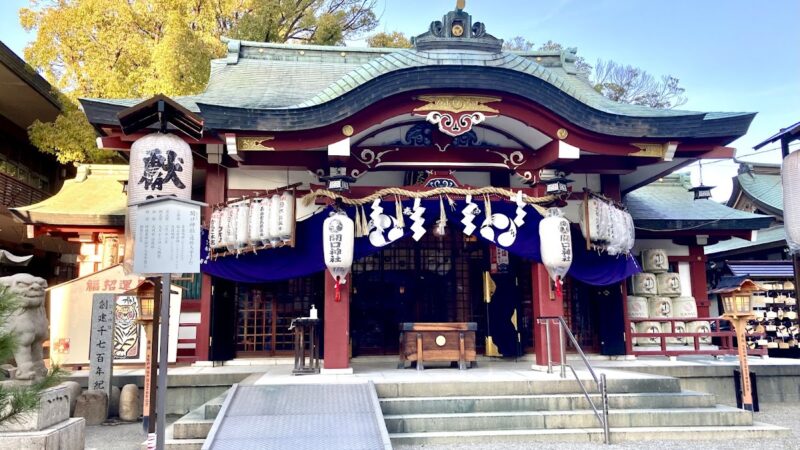
Complete Guide to Rinsho-ji Temple: A Thorough Explanation of History, Highlights, and Access
Rinsho-ji Temple is one of the many historically significant temples located throughout Japan. This article provides a comprehensive overview of Rinsho-ji Temple, including its historical background, architectural style, cultural assets, annual events, worship methods, and access information—everything you need to know before visiting.
What is Rinsho-ji Temple?
Rinsho-ji Temple is a Buddhist temple in Japan, and there are several temples with the same name depending on the region. Each Rinsho-ji Temple is deeply connected to the history and culture of its region and has long been cherished as a center of faith for its parishioners and local residents.
The name “Rinsho” is said to embody the meaning of Buddhist teachings spreading and flourishing like a forest. Many Rinsho-ji Temples belong to various sects, such as Zen Buddhism (Soto and Rinzai schools), Jodo Buddhism, and Shingon Buddhism.
History of Rinsho-ji Temple
Origin of Founding
The founding dates of Rinsho-ji temples vary from temple to temple, but many are believed to have been established during the Muromachi and Edo periods. Their origins are diverse, including cases where they were built as family temples for powerful local samurai or clans, and cases where they were founded as bases for the missionary activities of high-ranking monks.
At Rinsho-ji temples where records from the time of founding remain, the names of the founding abbot, donors of temple lands, and local people involved in the construction are recorded in the temple registers and temple records. These records are valuable resources for local history research.
Historical Changes
During the Edo period, with the establishment of the danka system (parishioner system), Rinsho-ji temples came to play an important role in the local community. They provided educational spaces as temple schools and functioned as village gathering places, fulfilling roles beyond those of religious institutions.
During the anti-Buddhist movement of the Meiji era, many temples faced difficulties, but many Rinsho-ji temples survived thanks to the support of local residents. After the war, while facing challenges such as depopulation and a decline in parishioners, it continues to play an important role as a base for protecting local cultural assets and history.
Architecture and Grounds of Rinsho-ji Temple
Characteristics of the Main Hall
The architectural style of the main hall of Rinsho-ji Temple varies depending on the sect and construction period of each temple. Rinsho-ji Temple, belonging to the Zen sect, is characterized by a simple yet powerful structure incorporating elements of Zen (Tang) style architecture. The roofs are often hipped or gabled, and tiled.
Inside the main hall, there is a Buddhist altar where the principal image is enshrined, and in front of it is a tatami-matted space where worshippers sit. Coffered or mirrored ceilings are used, and in some cases, they are decorated with paintings or sculptures.
Temple Gate and Grounds Facilities
The temple gate, which serves as the entrance to the temple, is an important building that can be considered the face of Rinsho-ji Temple. While their size and style vary, from two-story gatehouses to simpler four-legged gates, all are symbolic representations of the temple’s status.
Besides the main hall, the temple grounds also include a bell tower, the priest’s quarters, a guest hall, and a cemetery. It is customary to purify oneself at the water basin before worship, and stone lanterns and Jizo statues are often placed along the approach to the temple.
Gardens and Natural Environment
Some Rinsho-ji temples feature dry landscape gardens or pond gardens, offering beautiful scenery that expresses the spirit of Zen. Ancient trees and seasonal flowering plants are also planted within the grounds, allowing visitors to appreciate the beauty of nature throughout the seasons.
In particular, flowering trees such as cherry blossoms, maple trees, plum blossoms, and camellias not only delight visitors but also serve as important places for local residents to feel the changing seasons.
Cultural Assets of Rinsho-ji Temple
Buddhist Statues and Paintings
Rinsho-ji Temple houses various Buddhist statues, including the principal image. The principal image differs depending on the sect, and includes Shakyamuni Buddha, Amida Buddha, Kannon Bodhisattva, and Jizo Bodhisattva. Among these statues are valuable pieces created during the Muromachi and Edo periods.
Buddhist paintings and hanging scrolls are also important cultural assets of Rinsho-ji Temple. Works of high religious and artistic value, such as statues of founders, mandalas, and calligraphy by high-ranking priests, have been preserved.
Ancient Documents and Family Registers
Temples preserve ancient documents recording their history since their founding, as well as family registers recording the ancestors of their parishioners. These are considered essential primary sources for studying local history and family lineages, and are highly valued in the fields of history and folklore.
In particular, religious affiliation registers created under the temple registration system of the Edo period are valuable historical materials for understanding the demographics and social structure of the time.
Temple Bells and Stone Sculptures
The temple bells (hanging bells) at Rinsho-ji Temple often have the year of casting and the names of donors inscribed on them, providing clues for local history research. Bells that escaped metal requisition during wartime are particularly protected as valuable cultural assets.
Stone sculptures within the temple grounds, such as Hōkyōintō pagodas, Gorintō pagodas, stone Buddha statues, and stone lanterns, are also important artifacts that provide clues for historical research.
Annual Events at Rinsho-ji Temple
Major Buddhist Services
Rinsho-ji Temple holds various religious services throughout the year. Major services include:
New Year’s Day/Shushō-e: A service praying for happiness and peace in the new year. Many worshippers visit for their first shrine visit of the year.
Spring and Autumn Equinox Services: An ancestral memorial service held for one week centered around the spring and autumn equinoxes. Parishioners visit graves and pray for the repose of their ancestors’ souls. Obon/Urabon-e: An ancestral memorial service held in August (July in some regions). It includes rituals such as the Segaki ceremony and Bon Odori dance, making it a summer tradition in the area.
Kaisan-ki/Soshi-ki: A memorial service commemorating the founding abbot of a temple or the founder of a Buddhist sect. It is considered an important event for reflecting on the temple’s history.
Seasonal Events
Hanamatsuri (Kanbutsu-e): A celebration of Buddha’s birthday on April 8th. It involves the custom of pouring sweet tea over the Buddha statue.
Joya no Kane: On New Year’s Eve, the temple bell is rung 108 times to dispel worldly desires and welcome the new year. Some temples allow general visitors to ring the bell.
Jizo-bon: A ceremony held in late August to pray for the healthy growth of children. It is widely celebrated in various regions.
How to Visit Rinsho-ji Temple
Basic Worship Etiquette
Here’s a basic guide to worshiping at Rinsho-ji Temple:
- Bow at the Temple Gate: Before passing through the temple gate, bow once before entering the grounds. This shows respect for entering the realm of Buddha.
- Purify at the Water Basin: Purify your hands and mouth at the water basin. Hold the ladle in your right hand and wash your left hand, then hold the ladle in your left hand and wash your right hand, then hold the ladle in your right hand again, receive water in your left hand, and rinse your mouth.
- Worship at the Main Hall: In front of the main hall, place your offering, then clasp your hands together quietly. Unlike Shinto shrines, you do not clap. Express your wishes and gratitude silently in your heart.
- Bow Upon Departure: When leaving, bow once again at the temple gate before leaving the grounds.
Sutra Copying and Goshuin (Temple Seal)
At Rinsho-ji Temple, you can receive a Goshuin as proof of your visit. Goshuin are given out at the main hall or the sutra copying office. Bring your Goshuincho (stamp book) and make your request respectfully. It is customary to offer a small donation (around 300-500 yen).
The Goshuin will have the temple name, the name of the principal deity, and the date of your visit written in ink, and will bear the temple’s seal. Treat it with care as proof of your visit, not as a stamp rally item.
Manners and Precautions
Temples are sacred places and places of spiritual training. Please observe the following manners:
- Maintain silence and refrain from loud conversations.
- Eating and drinking are generally prohibited inside the main hall and gardens.
- Photography is only permitted in designated areas (photography of Buddha statues and inside the main hall is often prohibited).
- Choose clothing that is not too flashy.
- Do not enter areas other than the designated pilgrimage paths.
- Pets are generally not allowed (except for assistance dogs such as guide dogs).
Access to Rinsho-ji Temple
Access by Public Transportation
Since Rinsho-ji Temple has multiple locations, it is important to confirm the exact address of the Rinsho-ji Temple you plan to visit in advance. General access methods include:
By Train: Walk from the nearest station, or take a bus or taxi. Some Rinsho-ji Temples are within walking distance of the station, while others require a 20-30 minute bus ride.
By Bus: If using a local bus, check the temple name and the name of the nearest bus stop. Since some areas have infrequent service, it is necessary to check the return schedule in advance.
Access by Car
If you are visiting by private car, it is convenient to use a car navigation system or a map app on your smartphone. However, searching by temple name alone may display multiple results, so it is more reliable to search by address or phone number.
Parking: Many temples have parking lots for visitors on their grounds, but the number of spaces is limited. Especially on event days, congestion is expected, so consider using public transportation.
Points to Note: In the case of Rinsho-ji Temple, which is located in a mountainous area, be careful of snow and ice in winter. Also, some of the approach roads are narrow, so drive with caution.
Nearby Tourist Attractions
When visiting Rinsho-ji Temple, visiting nearby tourist attractions will make your trip more fulfilling.
Historical Buildings
There are often many other temples, shrines, and historical buildings scattered around Rinsho-ji Temple. Planning a temple-hopping route will allow you to efficiently visit multiple cultural properties.
Natural Scenery
There are often nature trails and scenic viewpoints around temples. Especially in mountainous areas, Rinsho-ji Temple sometimes serves as a starting point for hiking trails.
Local Specialties
After visiting the temple, it’s recommended to enjoy local specialties and regional cuisine. Tea houses and souvenir shops are located in front of the temple gate, allowing you to savor local flavors.
Rinsho-ji Temple and the Local Community
The Danka System and Community Ties
Rinsho-ji Temple is deeply connected to the local community through the danka system. A danka is a family that belongs to a specific temple and receives religious services such as funerals and memorial services in exchange for providing financial support.
While some regions are experiencing a decline in danka membership, Rinsho-ji Temple still maintains strong ties with its danka, which form the foundation of its operation.
A Hub for Cultural Inheritance
Rinsho-ji Temple also functions as a hub for preserving the region’s traditional culture. It serves as a place for intergenerational exchange through annual events such as Bon Odori (Bon dance) and Jizo Bon (Jizo festival), the transmission of Buddhist music (Shomyo), and cultural activities such as calligraphy and tea ceremony.
Social Contribution Activities
In recent years, Rinsho-ji Temple has been engaged in various social contribution activities in addition to its traditional religious activities. It plays a vital role in community welfare through activities such as running children’s cafeterias, providing salons for the elderly, and offering shelter during disasters.
Modern Challenges and Initiatives at Rinsho-ji Temple
Depopulation and Temple Maintenance
At Rinsho-ji Temple in rural areas, the decline in parishioners due to depopulation is a serious challenge. The outflow of younger generations to urban areas has led to a decrease in the number of funerals and memorial services, making temple management difficult in some cases.
To address this challenge, various measures are being attempted, such as the “multiple-official temple” model where one head priest oversees multiple temples, strengthening relationships with parishioners in urban areas, and utilizing temples as tourist resources.
Adapting to Digitalization
In response to the digitalization of modern society, an increasing number of temples, including Rinsho-ji, are disseminating information through websites and social media. Initiatives incorporating new technologies, such as online memorial service streaming, the introduction of electronic payment systems, and the provision of virtual worship services, have also begun.
Approaching Younger Generations
More and more Rinsho-ji temples are organizing activities that are easily accessible to younger generations, such as Zen meditation experiences, sutra copying sessions, temple cafes, and music events, targeting those less familiar with Buddhism and temples. These initiatives broaden the entry points to Buddhism and explore new roles for temples.
The Significance of Visiting Rinsho-ji Temple
Seeking Peace of Mind
Modern society is an information-overloaded and stressful environment. Visiting a tranquil space like Rinsho-ji Temple allows you to escape the hustle and bustle of everyday life and find peace of mind. Strolling through the temple grounds or quietly meditating in the main hall provides time for self-reflection.
Experiencing History and Culture
Rinsho-ji Temple is a place where the history and culture of the region are condensed. Through various cultural assets such as architecture, Buddhist statues, gardens, and ancient documents, you can experience the faith and aesthetic sensibilities of people from the past. This is a valuable opportunity for us living in the modern age to learn about our roots and confirm our identity.
Gratitude to Ancestors
Visiting graves and attending memorial services at Rinsho-ji Temple are important acts of expressing gratitude and respect to ancestors. It’s an opportunity to reaffirm the recognition that one exists because of one’s ancestors and to reaffirm family bonds.
Connection with the Local Community
Participating in Rinsho-ji Temple’s events fosters interaction with local people. For those living in urban areas, visiting a rural temple allows them to feel the warmth of the community and the bonds between people.
Future Prospects for Rinsho-ji Temple
Sustainable Temple Management
For Rinsho-ji Temple to continue to exist in the future, building a sustainable management model is essential. Diversifying income sources that don’t overly rely on the parishioner system, appropriate preservation and utilization of cultural properties, and temple management in collaboration with the community are all necessary management methods adapted to the new era.
Utilization as a Tourism Resource
Rinsho-ji Temple is also a valuable tourism resource for the region. By welcoming tourists while maintaining its value as a cultural property, it can contribute to the revitalization of the local economy. However, it is important to maintain a balance between tourism and its original role as a religious facility.
Responding to Internationalization
With the increase in foreign tourists visiting Japan, Rinsho-ji Temple is also required to provide multilingual support and foster intercultural understanding. Efforts are being made to respond to internationalization, including the provision of signage in English and Chinese, and the offering of experiential programs for foreigners.
Environmental Conservation Activities
Buddhist teachings include the idea of coexistence with nature and respect for life. At Rinsho-ji Temple, examples of environmental conservation activities can be seen, such as greening the temple grounds, introducing renewable energy, and promoting ecotourism, all in practice.
Summary
Rinsho-ji Temple is not merely a religious facility; it is a place where the history, culture, and bonds of the local community are condensed. While preserving traditions cultivated over a long history, it continues to seek new roles while addressing the challenges of modern society.
For visitors, Rinsho-ji Temple is a place to find peace of mind, a place to express gratitude to ancestors, and a place to experience history and culture. For the local community, it is a community center, a base for cultural transmission, and a place for social contribution.
Despite facing numerous challenges such as depopulation and a decline in parishioners, Rinsho-ji Temple continues to thrive thanks to the support of the local community and the efforts of the head priest and other related parties. By each of us understanding the value of Rinsho-ji Temple, visiting it, and supporting it, we can ensure that this precious cultural heritage is passed on to future generations.
When you visit Rinsho-ji Temple, please don’t treat it merely as a tourist spot. Instead, quietly offer your prayers, reflecting on the history and the feelings of the people who have lived there. You will surely gain insights and peace that you wouldn’t find in everyday life.