Complete Guide to Izanagi Shrine | A Thorough Explanation of the History of the Engishiki Shrine, the Differences Between the Two Shrines, and Access Information
There are two shrines named “Izanagi Shrine” in Suita City, Osaka Prefecture. Both are historically significant Engishiki shrines listed in the Engishiki Jinmyocho (a list of shrines compiled in the Heian period), and have long been revered by the local people. This article provides a detailed explanation of the history, enshrined deities, highlights of the grounds, and access methods for the two Izanagi Shrines located in Yamada-Higashi and Saiji.
What is Izanagi Shrine? | An Ancient Shrine Listed in the Engishiki Jinmyocho
Izanagi Shrine is a historical shrine listed in the Engishiki Jinmyocho, compiled during the Heian period, as “Izanagi Shrine, two shrines, in Shimo-gun, Settsu Province.” The Engishiki Jinmyocho is an official document completed in 927 AD, recording major shrines throughout Japan. Shrines listed here hold a special status as “Engishiki-nai-sha” (Engishiki shrines).
Currently, there are two Izanagi Shrines in Suita City, one in Yamada-Higashi and the other in Saiji. Each is said to be one of the “two shrines” listed in the Engishiki Jinmyocho (a list of shrines compiled in the Heian period). Both shrines are important deities of creation in Japanese mythology and have remained centers of local faith to this day.
Status as an Engishiki Shrine
There are approximately 3,000 Engishiki shrines throughout Japan, all of which are historically significant shrines officially recognized by the imperial court at the time. The inclusion of Izanagi Shrine in the Engishiki Jinmyocho indicates that there was a firm foundation of faith in this region even before the Heian period. The Sandai Jitsuroku (a historical record) also records that the shrine was promoted from Junior Fifth Rank, Lower Grade to Junior Fifth Rank, Upper Grade on January 27th, 859 (Jōgan 1), indicating a deep connection with the imperial court from ancient times.
Izanagi Shrine in Yamada-Higashi | Main Shrine Located on Takaniwa Mountain
History and Origin
Izanagi Shrine, located at 2-3-1 Yamada-Higashi, Suita City, Osaka Prefecture, has its shrine buildings on Takaniwa Mountain, situated in the middle of the Senri Hills. This area was adjacent to the site of the 1970 World Expo and still maintains a rich natural environment.
The exact founding date of the shrine is unclear, but since it is listed in the Engishiki Jinmyocho (a list of shrines compiled in the Heian period), it is believed to have existed at least since the early Heian period. Its former shrine rank was Gosha (village shrine), and it has long been revered as the local tutelary deity.
Deity Enshrined
Izanagi Shrine in Yamada-Higashi enshrines Izanami-no-Mikoto as its main deity. In Japanese mythology, Izanami-no-Mikoto is a goddess who, together with Izanagi-no-Mikoto, created the land and gave birth to many gods. It is believed to bestow divine blessings such as the source of life, safe childbirth, matchmaking, and family safety.
Highlights of the Shrine Grounds
Main Hall
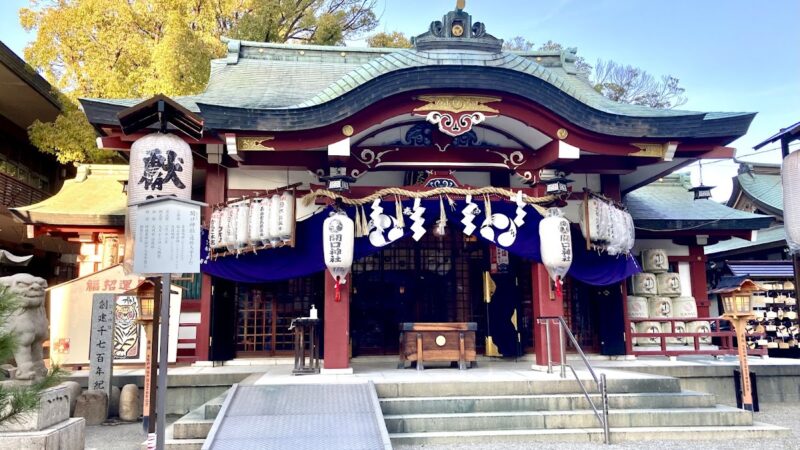
The main hall of Izanagi Shrine in Yamada Higashi was built during the Edo period and is designated as a tangible cultural property of Osaka Prefecture. The architectural style strongly reflects the characteristics of the Edo period, and it is adorned with intricate carvings and decorations. It has high historical value and is an important site for architectural history research.
Worship Hall and Grand Torii Gate
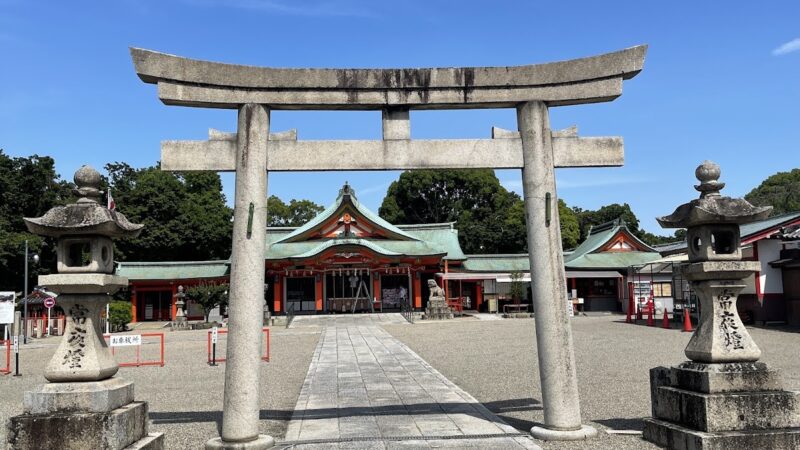
The grand torii gate facing the street has a striking presence even from afar, welcoming visitors. Upon entering the shrine grounds, a tranquil space surrounded by tall trees unfolds, creating a sacred atmosphere despite its urban location. The worship hall is located in front of the main hall, where daily prayers and rituals are performed.
Relationship with Ancient Burial Mounds
The area around Takaniwa Mountain is dotted with ruins from the Kofun period (ancient burial mound period), indicating that the shrine has been a sacred site in this region since ancient times. The Senri Hills area has been a place of human habitation since ancient times, and the location of the shrine is deeply connected to this historical background.
Access Information
Access by Train
- Approximately 15 minutes on foot from Hankyu Senri Line “Yamada Station”
- Approximately 20 minutes on foot from Osaka Monorail “Expo Commemoration Park Station”
Access by Car
- Approximately 10 minutes from Meishin Expressway “Suita IC”
- Approximately 15 minutes from Chugoku Expressway “Chugoku Suita IC”
- Parking available (Limited number of spaces; public transportation is recommended during festivals)
Address
2-3-1 Yamada Higashi, Suita City, Osaka Prefecture 565-0821
Phone Number
06-6877-5921
Saiji Izanagi Shrine | Rank of an Engishiki-listed Grand Shrine
History and Founding Legend
Another Izanagi Shrine located in Saiji, Suita City, is a shrine of high rank, listed as an Engishiki-listed Grand Shrine. According to shrine tradition, the shrine’s origins date back to the reign of Emperor Yūryaku, the 21st emperor of Japan. Following the instructions of Princess Yamato-hime, the Saigu (high priestess) of Ise Shrine, who received a divine oracle from Amaterasu Ōmikami, Izanagi-no-Mikoto and Izanami-no-Mikoto were enshrined at this location in Saigahara.
This founding legend suggests that the shrine had a deep connection with Ise Grand Shrine since ancient times, and the involvement of Princess Yamato-hime speaks to the shrine’s high status.
Deities Enshrined
At Saiji Izanagi Shrine, Izanagi-no-Mikoto is enshrined as the principal deity. Izanagi-no-Mikoto is a central figure in Japanese mythology, responsible for the creation of the land and the gods, and is the father of many gods, including Amaterasu Ōmikami. He is believed to bestow blessings such as good fortune, protection from evil, family safety, and abundant harvests.
Differences in the Deities Enshrined at the Two Shrines
Interestingly, the Izanagi Shrine in Yamada-Higashi enshrines Izanami-no-Mikoto, while the Izanagi Shrine in Saiji enshrines Izanagi-no-Mikoto. This means the married couple of deities are enshrined in separate shrines. This is thought to indicate the meaning of the “two shrines” listed in the Engishiki Jinmyocho (a list of shrines compiled in the Heian period), suggesting that the two shrines have supported the local faith as a pair.
Characteristics of the Shrine Grounds
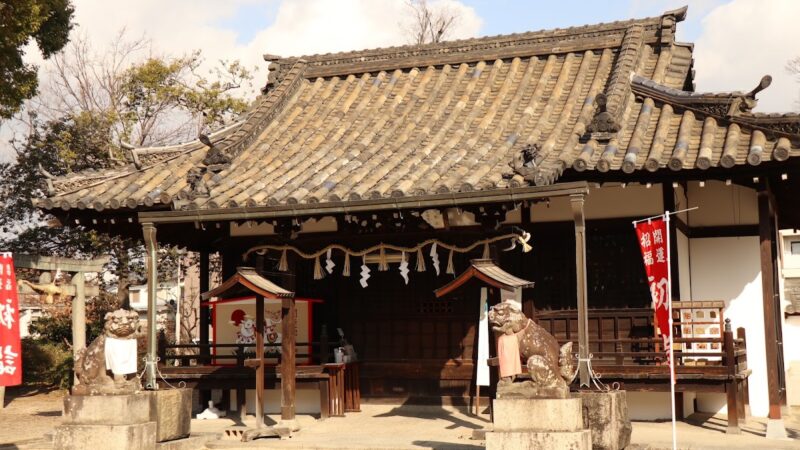
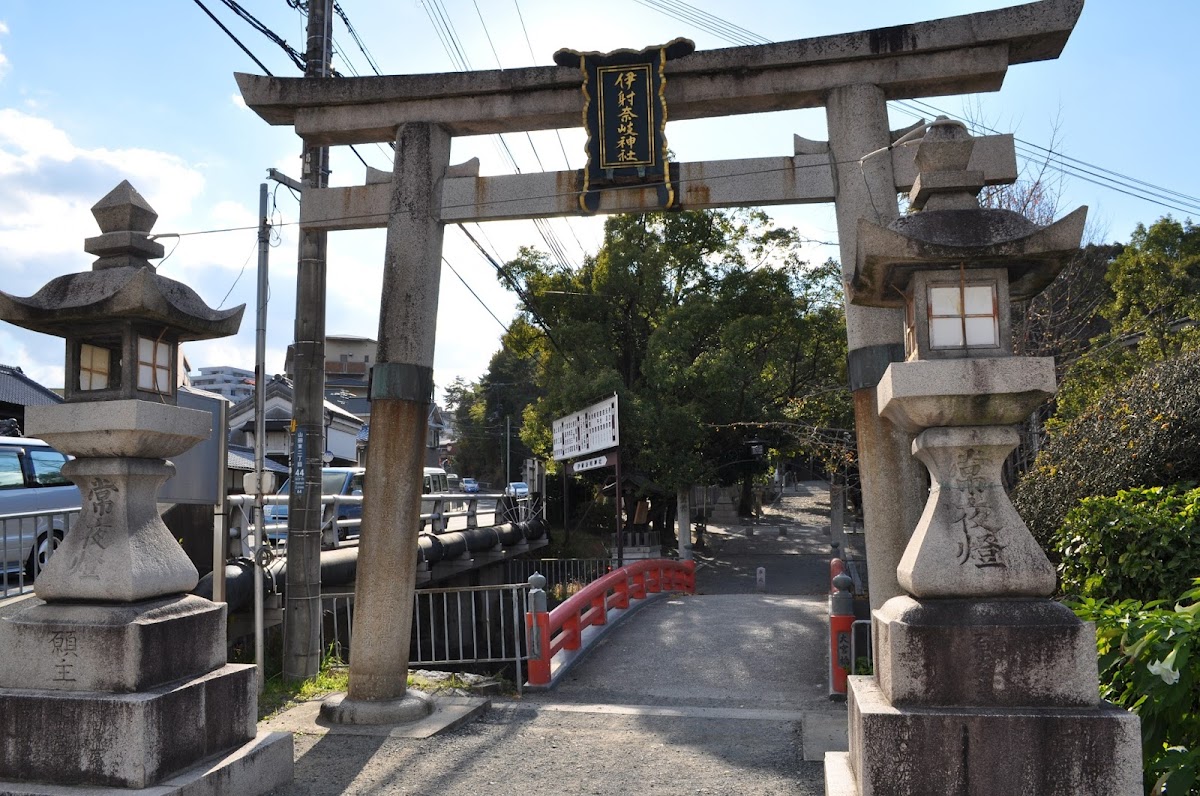
The Izanagi Shrine in Saiji is also surrounded by abundant nature, with ancient trees flourishing within the grounds, creating a sacred atmosphere. The shrine buildings retain their historical architectural style and are carefully maintained by the local people.
Access Information
Access by Train
- Approximately 15 minutes on foot from Minami-Senri Station on the Hankyu Senri Line
- Bus access is also available from Suita Station on the Hankyu Senri Line
Address
Saidera, Suita City, Osaka Prefecture (Please contact the shrine for details)
Annual Events and Festivals of Izanagi Shrine
Both shrines hold various festivals throughout the year. As the local guardian shrines, traditional seasonal events such as New Year’s visits, Setsubun festivals, summer festivals, and autumn festivals are still being passed down.
Shichi-Go-San and Shrine Visits
Izanagi Shrine is also used by many families for Shichi-Go-San and shrine visits for newborns. The Yamada-Higashi shrine, in particular, is located about 3 minutes by car from the nearby Expo Photo Studio, making it popular for those who combine their visit with commemorative photography. It is a beloved place in the community for prayers and visits marking important milestones in life.
Main Annual Events
- New Year’s Day Festival (January 1st): A festival celebrating the New Year
- Setsubun Festival (around February 3rd): A festival to ward off evil and invite good fortune
- Summer Festival (July): A summer festival where local people gather
- Autumn Festival (October): A festival to give thanks for a bountiful harvest
- Shichi-Go-San (November): A pilgrimage to celebrate the growth of children
Environment and Attractions Around Izanagi Shrine
Relationship with Expo Commemoration Park
Izanagi Shrine in Yamada-Higashi is adjacent to the area that was the site of the 1970 Japan World Exposition. The current Expo Commemoration Park is a vast green space, and monumental structures such as the Tower of the Sun remain. By visiting Expo Commemoration Park in conjunction with a visit to the shrine, you can experience both ancient history and the development of modern Japan simultaneously.
Nature of Senri Hills
The Senri Hills, where both shrines are located, is an area that preserves the rich natural environment of northern Osaka Prefecture. This is a historically significant area where people have lived since the Kofun period, and ancient burial mounds and ruins are scattered around the shrine. Even in modern times, with its increasing urbanization, ancient trees hundreds of years old remain in the shrine grounds and surrounding area, allowing visitors to enjoy the beauty of nature throughout the seasons.
Tenjin-yama Burial Mound and Historical Heritage
Izanagi Shrine in Tenri City (another shrine with the same name) is located west of the Tenjin-yama Burial Mound, which is west of Emperor Sujin’s tomb. Both shrines in Suita City are also located in areas deeply connected to burial mounds. The fact that shrines were built in places revered as sacred sites since ancient times is an important point in understanding the origins of Japanese shrine worship.
Points and Manners for Visiting
Etiquette for Visiting
When visiting Izanagi Shrine, please observe the following basic etiquette.
- Bow before passing through the torii gate: As a sign of respect before entering the sacred area.
- Purify yourself at the water basin: Purify your left hand, then your right hand, then your mouth.
- Walk along the edge of the path: The center is considered the path of the gods.
- Worship at the main hall: Two bows, two claps, and one bow is the basic form.
- Bow again at the torii gate when leaving: With gratitude.
Regarding Photography
Photography is generally permitted on the shrine grounds, but please refrain from taking photos in the main hall or other sacred areas, and be considerate of other worshippers. Photography restrictions may apply during festivals, so it is recommended to check in advance.
Notes on Parking
Izanagi Shrine in Yamada Higashi has a parking lot, but the number of spaces is limited. Due to expected congestion during New Year’s visits and festivals, it is recommended to use public transportation whenever possible. Please strictly refrain from parking on the street to avoid inconveniencing local residents.
Divine Virtues and Faith at Izanagi Shrine
Creation Myth and Divine Virtues
Izanagi-no-Mikoto and Izanami-no-Mikoto are the gods of creation in Japanese mythology, said to have created the Japanese archipelago and given birth to many gods. Based on this mythological background, the two gods are believed to possess the following divine virtues:
- Matchmaking: Faithful as a married couple
- Safe Childbirth and Fertility: Due to their birth to many gods
- Family Safety: As guardian deities of families
- Good Fortune and Protection from Evil: Power as gods of creation
- Abundant Harvest: As gods who enrich the land
As a Local Guardian Deity
Izanagi Shrine, while possessing the status of an Engishiki-listed shrine, has also gathered faith deeply intertwined with people’s lives as a local guardian deity. Many people visit the shrine at significant life events such as a baby’s first shrine visit, Shichi-Go-San (a traditional rite of passage for children), exorcism, and weddings, making it a spiritual pillar of the local community.
Izanagi Shrine as Seen Through Documents and Records
Description in the Engishiki Jinmyocho (Register of Shrines in the Engi Era)
The Engishiki Jinmyocho clearly states, “Izanagi Shrine, two deities, in Shimo-gun, Settsu Province.” There is debate among researchers as to whether this “two deities” refers to the two shrines currently located in Yamada-Higashi and Saiji, or whether two deities were enshrined in a single shrine.
Records in the Sandai Jitsuroku (Chronicles of Three Reigns)
The Sandai Jitsuroku records that on January 27th, 859 (Jōgan 1), the shrine was promoted from Junior Fifth Rank, Lower Grade to Junior Fifth Rank, Upper Grade. This indicates that the shrine received a divine rank from the imperial court, and is a valuable historical document proving that Izanagi Shrine was considered nationally important at the time.
Loss of Documents
Unfortunately, many of the ancient documents and detailed records of both shrines have been lost, leaving many aspects of their founding and detailed history from the medieval to the early modern period unclear. The existence of existing shrine buildings from the Edo period confirms that the shrine was functioning as a shrine of its current size at least during the Edo period.
Comprehensive Access Guide to Izanagi Shrine
Access by Public Transportation
Izanagi Shrine in Yamada-Higashi
- Approximately 15-minute walk from Yamada Station on the Hankyu Senri Line
- Approximately 20-minute walk from Banpaku-Kinen-Koen Station on the Osaka Monorail
- Hankyu Bus is also available (a few minutes’ walk from the nearest bus stop)
Izanagi Shrine in Saidera
- Approximately 15-minute walk from Minami-Senri Station on the Hankyu Senri Line
- Bus available from Suita Station on the Hankyu Senri Line
Access and Route by Car
Izanagi Shrine in Yamada-Higashi
- Approximately 10 minutes via prefectural road from Suita IC on the Meishin Expressway
- Approximately 15 minutes from Chugoku-Suita IC on the Chugoku Expressway
- Car Navigation Setting: 2-3-1 Yamada-Higashi, Suita City, Osaka Prefecture
Combining with Nearby Facilities
When visiting the shrine, you can have a more fulfilling experience by combining it with the following facilities:
- Expo Commemoration Park: Enjoy seasonal flowers in a vast park
- Expo City: Shopping and dining at a large commercial complex
- National Museum of Ethnology: Experience world cultures
Summary: The Charm of Izanagi Shrine
Izanagi Shrine is a prestigious shrine listed in the Engishiki Jinmyocho (a list of shrines compiled in the Heian period), boasting a long history dating back to before the Heian period. Two shrines are located in Suita City, Osaka Prefecture, each enshrining Izanagi-no-Mikoto and Izanami-no-Mikoto, the couple deities who created Japan.
The Izanagi Shrine in Yamada-Higashi is located on Takaniwa Mountain, in a rich natural environment adjacent to Expo Commemoration Park. The main hall, built during the Edo period, is designated as a tangible cultural property of Osaka Prefecture and is a building of high historical value. The Izanagi Shrine in Saiji holds the prestigious status of an Engishiki-listed Grand Shrine and preserves a founding legend from the time of Emperor Yuryaku.
Both shrines serve as local tutelary deities, and are used for visits marking important life events such as a baby’s first shrine visit, Shichi-Go-San (a traditional rite of passage for children), and exorcism, continuing to attract the faith of local people. Despite being located in an urban area, the shrine grounds are lush with ancient trees, maintaining a tranquil atmosphere and providing a peaceful environment for worship.
The Izanagi Shrine combines the historical prestige of an Engishiki-listed shrine with a friendly, community-rooted character. When visiting northern Osaka Prefecture, be sure to visit this historic shrine. In the serene atmosphere of this shrine with over a thousand years of history, you can feel the depth of Japanese traditional culture and faith.