Complete Guide to Kōzenji Temple: A Thorough Explanation from Rennyo Shonin’s Founding of Deguchi Gobo to Information Around the Station
Kōzenji Temple is an important temple of the Jōdo Shinshū Ōtani sect located in Deguchi, Hirakata City, Osaka Prefecture. Its mountain name is Enmaizan, and its principal image is Amida Buddha. It is affectionately known locally as “Deguchi Gobo” and is known as a historical temple founded by Rennyo Shonin, the restorer of Jōdo Shinshū Buddhism. This article comprehensively introduces information you should know before visiting Kōzenji Temple, from its historical background to its highlights, cultural assets, and access methods.
History of Kōzenji Temple: Rennyo Shonin and the Origins of Deguchi Gobo
Rennyo Shonin’s Arrival in Kawachi and the Founding of Kōzenji Temple
The history of Kōzenji Temple dates back to Bunmei 7 (1475). On August 21st of that year, Rennyo Shonin left Yoshizaki in Fukui Prefecture and arrived in Obama by boat. Afterward, he traveled through Tanba and Settsu provinces before moving on September 5th to Deguchi Village, Nakafuri-go, Ibaraki District, Kawachi Province (present-day Deguchi, Hirakata City).
At that time, there was a devout follower named Mikuriya Iwami Nyudo Kōzen in this area, who offered his hermitage to welcome Rennyo Shonin. This hermitage became the origin of what would later become Kōzen-ji Temple, and the temple’s name is said to have been derived from Kōzen’s name.
From Deguchi Dojo to Temple: A History of Development
Rennyo Shonin energetically carried out missionary work in Deguchi, gaining many followers during his short stay of only a few months. Even after he left Kawachi, this area continued to function as an important base for Shin Buddhism and developed into the “Deguchi Dojo.”
The Deguchi Dojo at that time had a vast site spanning two cho (approximately 220 meters square), forming a magnificent temple complex with numerous halls. It is said that a moat surrounded the area, and it boasted a scale truly befitting the name “Gobo” (temple). ### The Fire and Reconstruction of the Tenbun Era
During the Tenbun era (1532-1555), the temple faced a major crisis when a large fire destroyed many of its buildings. However, thanks to the enthusiastic support of its followers, it was successfully rebuilt during the Keicho era (1596-1615). This reconstruction established the basic layout of the temple complex that exists today.
From the Early Modern Period to the Present: Changes and Succession
Throughout the Edo period, Kōzenji Temple played an important role as the central temple of the Shinshu Otani sect in the Kawachi region. It survived the wave of anti-Buddhist movement after the Meiji Restoration, and continues to preserve its Buddhist traditions while maintaining deep ties with the local community.
Currently, although part of its former vast 2-chome (approximately 2000 x 2000 sq. inch) grounds has been urbanized, the main buildings such as the main hall and study hall are well preserved, conveying a historical atmosphere to the present day.
Kōzenji Temple Grounds: Highlights and Architecture
Main Hall: The Central Building Residential with Amida Buddha
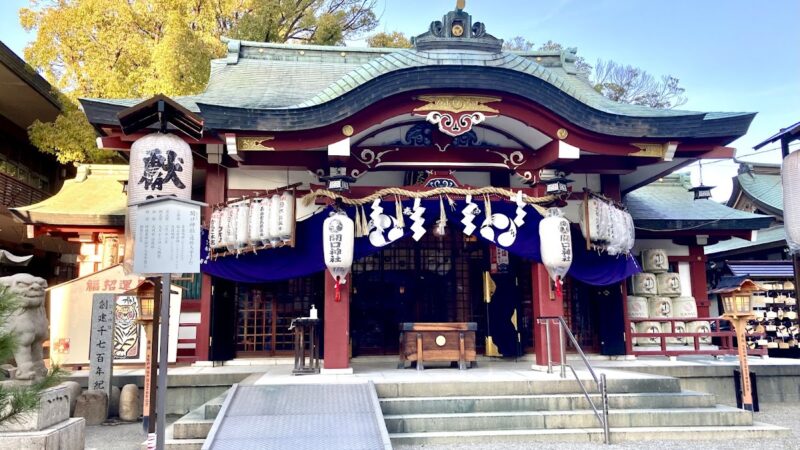
The main hall of Kōzenji Temple is a crucial building that forms the heart of the temple. Inside, the principal image, Amida Buddha, is enshrined, and daily services and religious ceremonies are held. The hall is enveloped in a solemn atmosphere, a simple yet dignified space characteristic of Shinshu Buddhist temples.
The architectural style of the main hall is based on the style of its reconstruction during the Keichō era, but has evolved through subsequent restorations to its current form. Visitors can quietly offer their prayers in the main hall, feeling the history dating back to Rennyo Shōnin.
Shoin and Banshōtei: Culturally Valuable Architecture
The temple grounds include a shoin (study hall), used for the temple’s daily activities and for receiving guests. Shoin architecture embodies the essence of Japanese architecture, and attention is drawn to the intricate details of its design.
Particularly noteworthy is the tea room called Banshōtei. The Bansho-tei is an elegant space built as part of the shoin (study hall), exuding a unique atmosphere where tea ceremony culture and Buddhist thought are fused.
Azusahara-do: An architectural structure associated with Rennyo Shonin
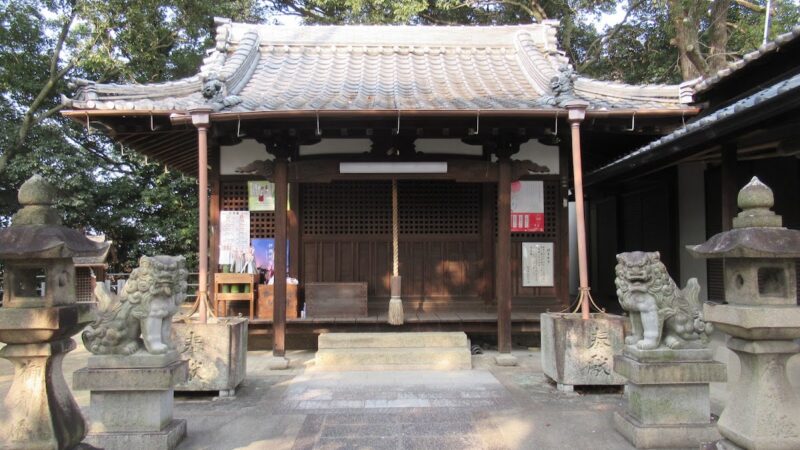
Within the temple grounds is a hall called Azusahara-do. It is said to be the site of a hermitage built during Rennyo Shonin’s stay, or to have been erected in his memory. Azusahara-do is an important architectural structure that tells the story of the origins of Kosenji Temple and attracts the interest of visitors.
Atmosphere and Environment of the Temple Grounds
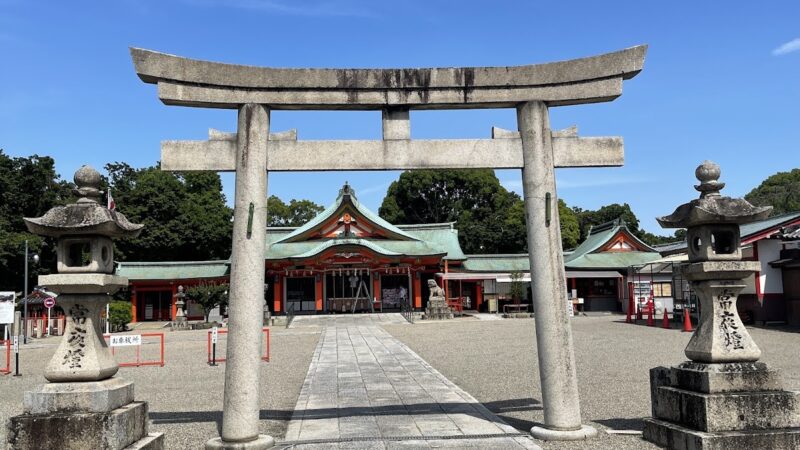
Despite being located within the urbanized city of Hirakata, the current grounds of Kosenji Temple maintain a tranquil space. While houses line the surrounding area, stepping onto the temple grounds reveals a different world where time seems to slow down.
Trees are planted throughout the grounds, allowing visitors to experience the changing seasons. Especially during the fresh greenery of spring and the vibrant autumn foliage, visitors can enjoy a beautiful landscape where historical buildings and nature harmonize. ## Cultural Properties of Kōzenji Temple: Designated Cultural Properties and Temple Treasures
Value as a Building
The main hall and study of Kōzenji Temple are important historical buildings that tell the history of the region, dating back to their reconstruction during the Keichō era. These buildings clearly demonstrate the characteristics of early modern Shinshu Buddhist temple architecture and are considered to have high architectural historical value.
Temple Treasures and Documents
Kōzenji Temple possesses documents and temple treasures related to Rennyo Shōnin. These are valuable materials that tell the history of the temple and occupy an important position in the study of Shinshu Buddhist history.
In particular, records concerning Rennyo Shōnin’s stay in Kawachi and documents showing the development process of the Deguchi Dojo have attracted attention from researchers. These materials are usually not open to the public, but are sometimes exhibited on special occasions.
Significance as a Regional Cultural Property
Kōzenji Temple is an indispensable part of the history of Hirakata City and is considered important as a regional cultural property. The very existence of the temple is living evidence that this region was an important center of Shinshu Buddhism from the medieval to the early modern period. ## Kōzenji Station: A Transportation Hub on the Keihan Main Line
Overview of Kōzenji Station
Kōzenji Station is a station on the Keihan Electric Railway’s Keihan Main Line, located in Kitachūburi 1-chome, Hirakata City, Osaka Prefecture. Its station number is KH19. Named after a temple, it serves as an important transportation hub for local residents and temple visitors.
The station is within walking distance of the temple and functions as a starting point for accessing the temple. The surrounding area is a residential area, and it is a familiar, community-oriented station.
Station Facilities and Services
Kōzenji Station is equipped with various facilities designed with user convenience in mind. In addition to basic facilities such as ticket gates, waiting rooms, and restrooms, barrier-free access is also being implemented.
A station map can be viewed on the Keihan Group’s official website, ensuring smooth use even for first-time visitors. It also supports the latest payment systems such as “Surutto QRtto.”
Surrounding Environment
The area around Kōzenji Station is a quiet residential area. The area around the station is dotted with shops and restaurants, providing all the necessary facilities for daily life.
Besides serving as a place for temple visitors, it also plays an important role as a means of daily transportation for local residents, and is bustling with many users during the morning and evening commute hours.
Location and Access
Location of Kōzenji Temple
Address: 1-chome, Deguchi, Hirakata City, Osaka Prefecture
Kōzenji Temple is located slightly north of the center of Hirakata City, close to the Yodo River. The surrounding area is a mix of old settlements and newly developed residential areas, where a historical atmosphere and modern life coexist.
Access by Train
Using the Keihan Railway:
- Get off at Kōzenji Station on the Keihan Main Line, approximately 5-10 minutes on foot.
- The route from the station to the temple is flat, and there are signs to guide you.
- Easily accessible from both Osaka and Kyoto.
The walking route from Kōzenji Station to the temple is a quiet path through a residential area. Exit the station and head north. Following the local signs will lead you to your destination without getting lost.
Access by Car
If using a car:
- From National Route 1, head towards Hirakata city center.
- Approximately 10 minutes from the Hirakata-Higashi IC on the Daini Keihan Expressway.
- Enter “Kōzenji Hirakata City” or the address into your car navigation system.
Regarding Parking:
We recommend contacting the temple in advance regarding the availability and number of parking spaces. There are coin-operated parking lots nearby, but spaces are limited, so using public transportation is recommended whenever possible.
Access by Bus
You can also use local buses operating within Hirakata city. Keihan Bus routes pass through the area, and the temple is within walking distance from the nearest bus stop. For detailed routes and timetables, please check the Keihan Bus official website.
Notes and Manners for Visiting
Visiting Hours
Kōzenji Temple is a religious facility, and daily services and events are held there. If you wish to visit, please note the following:
- While you are generally free to stroll around the temple grounds, it is advisable to contact us in advance if you wish to view the main hall.
- Please refrain from visiting or observe quietly during religious services or ceremonies.
- Please avoid visiting early in the morning or late at night.
Visiting Etiquette
Basic etiquette when visiting a Shinshu temple:
- Please quietly put your hands together in prayer in the main hall (Shinshu does not clap its hands).
- Please only take photographs of the temple grounds; refrain from taking pictures inside the main hall or during religious services.
- Please choose clean and subdued attire.
- Please refrain from loud conversations or eating and drinking on the temple grounds.
Contact Information
For detailed information regarding visits and the availability of special viewings, please contact Kouzenji Temple directly. Information can also be found on the official website (https://www.kouzenzi.org/).
Places to Visit Alongside Nearby Tourist Attractions
Historical Spots in Hirakata City
When visiting Kōzenji Temple, we recommend exploring other historical spots in Hirakata City:
Hirakata-juku:
An area that retains the atmosphere of Hirakata-juku, a post town that flourished during the Edo period. Old townscapes and historical sites are scattered throughout.
Okami Shrine:
A representative ancient shrine of Hirakata City, where you can feel the history of the region.
Yodogawa Riverside Park:
A park along the Yodogawa River, perfect for strolls and picnics.
Temples and Shrines Along the Keihan Line
Along the Keihan Main Line, there are many historical temples and shrines. Visiting them along with Kōzenji Temple offers a deeper historical experience:
- Iwashimizu Hachimangu Shrine (Yawata City)
- Fushimi Inari Taisha Shrine (Kyoto City)
- Temples and Shrines Around Nakanoshima (Osaka City)
Kōzenji Temple and the History of Shin Buddhism: For a Deeper Understanding
The Life and Achievements of Rennyo Shōnin
Rennyo Shōnin (1415-1499) was a high-ranking priest known as the restorer of Jōdo Shinshū Buddhism. As the eighth head of Honganji Temple, he widely spread the teachings of Shinran Shōnin to the common people, dramatically developing the Shinshū sect.
A characteristic of Rennyo Shōnin was that he explained complex doctrines in simple language and spread his teachings through letter-style Dharma discourses called “Ofumi.” Through this method of propagation, Shinshū Buddhism spread to a wide range of social classes, including farmers and merchants.
The Development of Shin Buddhism in Kawachi
The year 1475 (Bunmei 7), when Rennyo Shonin stayed in Deguchi, was a crucial turning point in the history of Shin Buddhism. Forced to leave Yoshizaki in the Hokuriku region, Rennyo Shonin established a new missionary base in Kawachi, solidifying the foundation of Shin Buddhism in the Kinki region.
Deguchi Dojo (Kozenji Temple) became the central hub for missionary work in Kawachi, Settsu, Izumi, and surrounding areas. The network of followers formed during this period would greatly contribute to the later development of the Honganji sect.
Temples Called “Gobo”
Temples called “Gobo,” like Kozenji Temple, hold special significance in Shin Buddhism. Gobo refers to temples directly founded or where Rennyo Shonin stayed, and they have held a special status within the sect.
Besides Deguchi Gobo (Kōzenji Temple), there are many other temples in the Kinki region, such as Tomita Gobo (Takatsuki City, Osaka Prefecture) and Kaizuka Gobo (Kaizuka City, Osaka Prefecture), each of which has functioned as a center of Shinshu Buddhist culture in its region.
Annual Events and Memorial Services
Major Memorial Services
At Kōzenji Temple, as a Shinshu temple, various memorial services are held throughout the year:
Hōonkō:
The most important memorial service, held around the anniversary of Shinran Shōnin’s death (November 28th in the old lunar calendar). It is the largest event in Shinshu temples.
Rennyo Shōnin Memorial Service:
A memorial service to commemorate Rennyo Shōnin, the founder of the temple. It is an opportunity to praise his virtues and learn his teachings.
Spring and Autumn Equinox Service:
A memorial service for ancestors, held around the spring and autumn equinoxes.
Regarding Participation
These memorial services are primarily for temple members, but in some cases, the general public may be able to attend. If you wish to participate, we recommend contacting the temple in advance.
Differences between Kōzenji Temples throughout Japan:
The temple name “Kōzenji” exists in various locations throughout Japan. As shown in the search results, the main Kōzenji temples are as follows:
Kōzenji Temple in Matsumae Town, Hokkaido
This is a Jōdo sect temple, an ancient temple said to have received its mountain name and robes from Emperor Go-Mizunoo in 1533 (Tenbun 2). Within its grounds is one of the three famous Matsumae cherry trees, known as “Ketsumyaku-zakura,” and it is a well-known cherry blossom viewing spot.
Kōzenji Temple in Tsu City, Mie Prefecture
This is a Shinshu Takada sect temple, and it houses the “Wooden Seated Statue of Yakushi Nyorai and Two Attendant Statues,” which are designated as a National Important Cultural Property.
Kōzenji Temple, Miharu Town, Fukushima Prefecture
A Jodo Shinshu Buddhist temple located in Aramachi, Miharu Town.
Kōzenji Temple, Komagane City, Nagano Prefecture
Although written as “Kōzenji,” the similar pronunciation can lead to confusion. A Tendai Buddhist temple, it is a renowned temple known for its legend of a sacred dog.
Characteristics of Kōzenji Temple in Hirakata City:
Kōzenji Temple in Hirakata City is most notable for its special historical significance within the Shinshu Otani sect, as it was founded directly by Rennyo Shonin as “Deguchi Gobō.” Because it differs from other temples with the same name in both sect and historical background, caution is necessary when visiting or researching.
Kōzenji Temple Today: Its Connection to the Local Community
As a Center of the Local Community
Modern Kōzenji Temple functions not merely as a historical building, but also as a spiritual pillar of the local community. It supports the religious life of its followers and plays an important role as a place for interaction with local residents.
Cultural Activities
The temple regularly holds Dharma talks and Buddhist lectures, striving to promote Buddhist culture. It also serves as a place to learn about local history and culture, and welcomes visits from local history researchers and students.
Efforts for Preservation and Transmission
Maintaining historical buildings is not easy, but Kōzenji Temple, with the support of its parishioners and the local community, strives to preserve its valuable cultural assets. Through regular restoration work and maintenance of the temple grounds, activities to pass on history to future generations continue.
Summary: The Charm of Kōzenji Temple and the Significance of Visiting
Kōzenji Temple (Deguchi Gobō) is a historically significant temple founded by Rennyo Shōnin, one of the most important figures in the history of Jōdo Shinshū Buddhism. Since its founding in Bunmei 7 (1475), it has remained a center of local faith for nearly 550 years.
The Charms of Kōzenji Temple:
- Historical Value: An important temple in the history of Shin Buddhism, founded by Rennyo Shonin himself.
- Architectural Beauty: Historic buildings such as the main hall and study hall, rebuilt during the Keichō era.
- Cultural Assets: Houses valuable materials for the study of Shin Buddhism history, including temple treasures and documents.
- Easy Access: Conveniently located within walking distance of Kōzenji Station on the Keihan Main Line.
- Connection to the Community: Still functions as a living temple within the local community.
When visiting Hirakata City, be sure to visit Kōzenji Temple and experience the footsteps of Rennyo Shonin and the history of Shin Buddhism. The time spent praying in the tranquil temple grounds will be a precious opportunity to escape the hustle and bustle of modern life and calm your mind.
When visiting, we recommend that you refer to the access methods and manners introduced in this article and visit with respect for this historic temple. Please remember that Kōzenji Temple is not merely a tourist attraction, but a living cultural asset that still functions as a place of worship. We hope you will quietly appreciate the weight of its history.