Complete Guide to Hiko Shrine (Aotsu, Nishiyoga-cho, Saga City, Saga Prefecture)
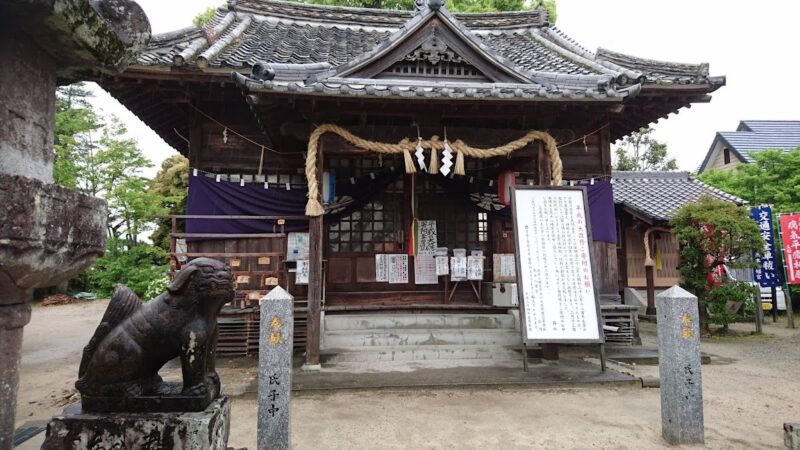
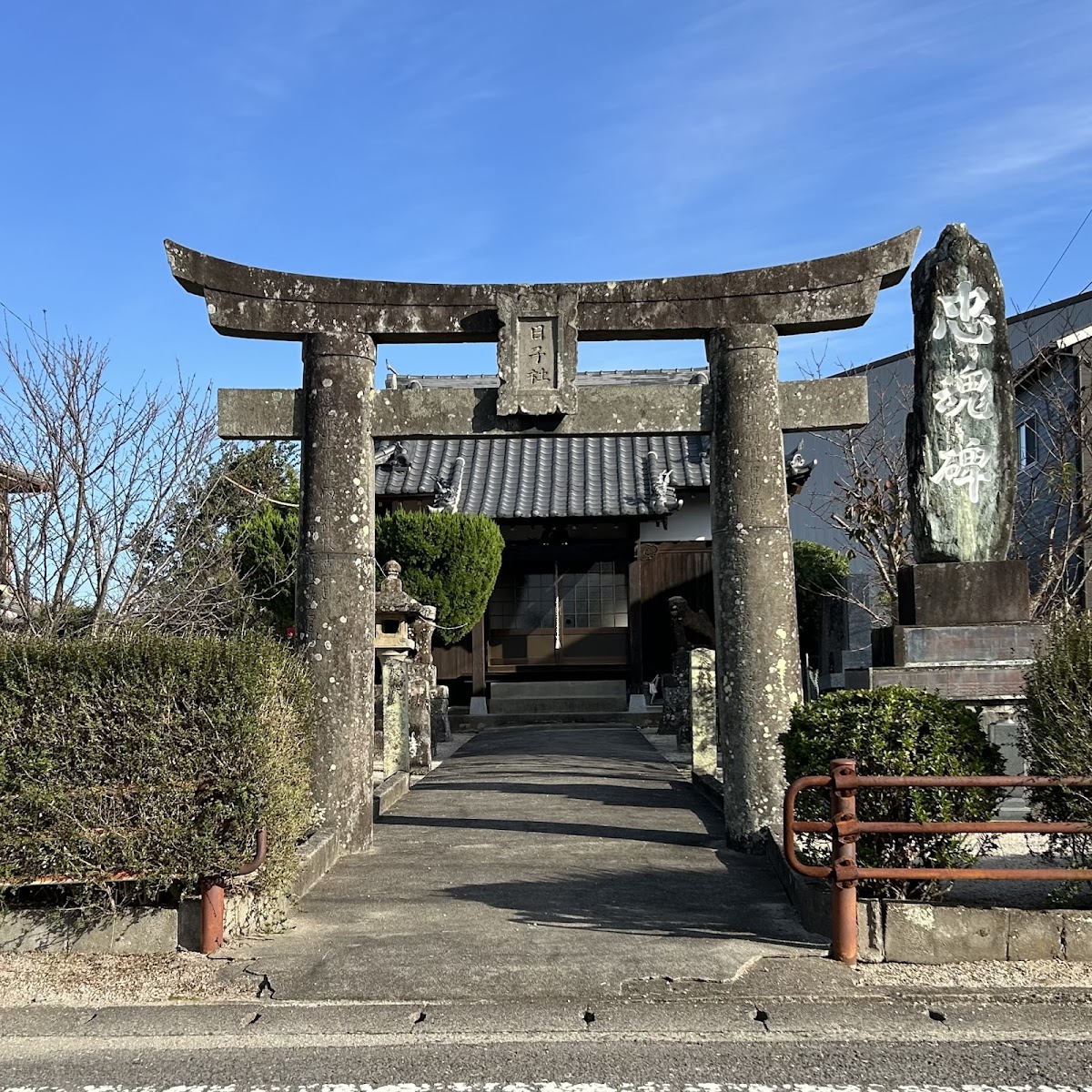
Hiko Shrine, located in Aotsu, Nishiyoga-cho, Saga City, Saga Prefecture, is a historical shrine deeply rooted in the local community. This article provides detailed information useful for those considering visiting Hiko Shrine, from basic information and history to enshrined deities, points of interest within the grounds, and access methods.
Basic Information about Hiko Shrine
Location and Contact Information
Location: 1 Aotsu, Nishiyoga-cho, Saga City, Saga Prefecture
Hiko Shrine is located in Nishiyoga-cho, Saga City, and is cherished by local residents as the guardian shrine of the Aotsu area. It is easily accessible from the center of Saga City and offers a peaceful environment for worship.
Corporate Information
Hiko Shrine is registered as a religious corporation and belongs to the Association of Shinto Shrines. Corporate number and detailed information can be found through a corporate number search. It should be noted that there are several shrines with the same name, “Hiko Shrine,” throughout Japan. More than 19 shrines with the same name have been confirmed, mainly in the Kyushu region, including Miyama City and Ukiha City in Fukuoka Prefecture. It is important to carefully confirm the location.
History and Origins of Hiko Shrine
Founding History
While detailed records of the founding date of Hiko Shrine are lacking, local historical documents and oral traditions suggest that it has been worshipped as the guardian deity of the Sootsu district since ancient times. The name Sootsu itself has a long history, indicating that this area has been inhabited by people since antiquity.
Connection to the Community
Hiko Shrine has played a central role in the local community as the tutelary deity of the Sootsu district in Nishiyoga Town. In this region, where agriculture was thriving, it has a history of being revered by generations of residents as a place to pray for abundant harvests and family safety.
Through local festivals and annual events, it also functions as a place to deepen the bonds between residents, and this role remains unchanged even in modern times.
Deities and Divine Virtues
Main Deity
The deities enshrined at Hiko Shrine are based on local traditions and the history of the shrine. The name “Hiko” suggests the possibility of enshrining a sun god, a deity related to the Imperial family, or a pioneering deity of the region.
Divine Virtues (Benefits)
The main divine virtues that can be expected at Hiko Shrine include the following:
- Family Safety: Protection of family health and peaceful living
- Abundant Harvest: Prayers for a bountiful harvest
- Regional Security: Protection of the prosperity and safety of the entire region
- Protection from Misfortune and Good Fortune: Warding off misfortune and improving luck
- Business Prosperity: Prayers for the development and prosperity of businesses
As the local guardian deity, it has the characteristics of a guardian deity for all aspects of life.
Highlights of the Shrine Grounds
Main Hall and Worship Hall
The main hall and worship hall of Hiko Shrine are built to an appropriate size for a local shrine. The architectural style and decorations exhibit characteristics of traditional local shrine architecture.
Subsidiary Shrines
Around the main hall, there may be subsidiary shrines that have been worshipped in the local area. These subsidiary shrines are also important elements for understanding the history and beliefs of the region.
Sacred Trees and Natural Environment
Within the shrine grounds, there are sometimes trees that have protected the sacred area for many years. These sacred trees are cherished as living witnesses to the history of the shrine and as elements that create a sacred atmosphere.
Annual Events and Festivals
Main Annual Events
At Hiko Shrine, various Shinto rituals and festivals are held throughout the year:
Spring Events
- Spring Grand Festival: Prayers for a bountiful harvest and prosperity of the region
- Kinensai Festival: A festival at the beginning of the year to pray for a good harvest
Summer Events
- Natsukoshi no Oharae (Summer Purification Ceremony): A Shinto ritual to purify oneself of the impurities accumulated over the past six months
- Summer Festival: A traditional festival where local residents gather
Autumn Events
- Autumn Grand Festival: An important festival to express gratitude for the harvest
- Niinamesai (Harvest Festival): A festival to offer the new harvest to the gods
Winter Events
- Toshikoshi no Oharae (Year-End Purification Ceremony): Purification of the impurities accumulated over the year and preparation for welcoming the new year
- Hatsumode (First Shrine Visit of the Year): Prayers for safety and prosperity in the new year
Local Festival Culture
The festivals in the Sozu district preserve unique local traditions and customs. Sometimes featuring portable shrines and floats, the sight of all residents participating in the festivities demonstrates the strong bonds of the local community.
Access and Transportation Information
Access by Train and Bus
Nearest Station: JR Saga Station
You can access Hiko Shrine from Saga Station in the following ways:
- By Bus: Take a bus bound for Nishiyoga from Saga Station Bus Center
- By Taxi: Approximately 15-20 minutes from Saga Station
- On Foot: It’s a bit of a distance, but you can walk and enjoy a stroll through Saga City.
Access by Car
Using Expressways:
- Approximately 20 minutes from Nagasaki Expressway “Saga Yamato IC”
- Approximately 40 minutes from Kyushu Expressway “Tosu IC”
By Local Roads:
- Approximately 15 minutes from central Saga City via National Route 34 and prefectural roads
- Approximately 20 minutes from Saga Airport
Parking Information
There are parking spaces available according to the size of the shrine. During festivals and other events, congestion is expected, so we recommend considering using public transportation.
Nearby Attractions and Tourist Spots
Charms of the Nishiyoga-cho Area, Saga City
The area around Nishiyoga-cho, where Hiko Shrine is located, is dotted with spots where you can experience Saga’s history and culture.
Nearby Shrines and Temples
Yoka Shrine
A prominent shrine in Saga City, it is an ancient shrine said to have been founded in the 25th year of Emperor Kinmei’s reign (564 AD). The gate tower, the third torii gate, and the stone bridge are designated as important national cultural properties, and it is famous for its 1400-year-old camphor tree. When visiting Hiko Shrine, we recommend visiting this shrine as well.
Yodohime Shrine
Located on the banks of the Kawakami Gorge, this shrine is worshipped as the god of the sea, the god of the river, and the god of water. This shrine enshrines Yotohime Daimyojin, the guardian deity of the Kawakami River, and visitors can worship amidst a beautiful natural environment.
Tourist Attractions in Saga City
- Saga Castle Honmaru History Museum: A facility where you can learn about the history of the Saga Domain.
- Saga Prefectural Museum & Art Museum: A place to experience Saga’s culture and arts.
- Kawakami Gorge: A scenic spot known for its beautiful autumn foliage.
Manners and Etiquette for Visiting Shrines
Basic Etiquette for Visiting Shrines
When visiting Hiko Shrine, please observe the following basic etiquette:
- Bow before passing through the torii gate: A greeting before entering the sacred area.
- Purify yourself at the water basin: Purify your left hand, right hand, and mouth in that order.
- Walk along the edge of the path: The center is the path for the gods.
- Two bows, two claps, one bow: Basic etiquette in front of the main hall.
- Bow again when leaving: Turn around and bow before leaving the torii gate.
Regarding Attire
While casual attire is acceptable for visiting the shrine, please note the following:
- Aim for clean and presentable clothing.
- Avoid revealing clothing.
- Formal attire is recommended for formal visits.
Photography Etiquette
Photography is generally permitted within the shrine grounds, but please be mindful of the following:
- Respect areas where photography is prohibited, such as inside the main hall.
- Avoid disturbing other visitors.
- Use flash photography sparingly.
- Consider location information when posting on social media.
Goshuin (Shrine Seal) and Gift Information
Regarding Goshuin
At Hiko Shrine, you may be able to receive a goshuin as proof of your visit. Goshuin are given out during the hours when shrine priests are present. It is recommended to check in advance.
Manners for Receiving a Goshuin (Shrine Stamp):
- Receive it after your visit
- Prepare your Goshuincho (stamp book)
- Prepare a donation (generally 300-500 yen)
- Use polite language
Items Offered
Shrines may offer the following items:
- Amulets: Various types for family safety, traffic safety, academic success, etc.
- Talisman: A sacred talisman to be placed on the household altar
- Ema (votive tablet): Write your wish and offer it
- Sacred Sake: May be given during festivals, etc.
About Shrines with the Same Name as Hiko Shrine
Hiko Shrines Nationwide
There are several shrines named “Hiko Shrine” throughout Japan. They are particularly numerous in the Kyushu region, and each has its own unique characteristics reflecting the history and beliefs of the region.
Main Hiko Shrines:
- Okusa, Setaka-cho, Miyama City, Fukuoka Prefecture
- Nagata, Setaka-cho, Miyama City, Fukuoka Prefecture
- Imogawa, Ukiha-machi, Ukiha City, Fukuoka Prefecture
- Aotsu, Nishiyoga-cho, Saga City, Saga Prefecture (the shrine mentioned in this article)
Although these shrines share the same name, they are operated as independent religious corporations, and their enshrined deities and histories may differ.
Origin of the Name
The name “Hiko” was used as an honorific title for men in ancient Japan, and is often found in shrines dedicated to deities associated with the imperial family or powerful clans. Some theories suggest a connection to sun worship.
The Role of Hiko Shrine in the Community
Function as a Local Guardian Deity
Hiko Shrine, as the local guardian deity of the Sootsu district of Nishiyoga Town, fulfills the following roles:
- Guardian Deity of the Region: Watches over the safety and prosperity of the entire region
- Center of the Community: Promotes interaction among residents through festivals
- Inheritance of Traditional Culture: Passes on the history and culture of the region to the next generation
- Spiritual Pillar: Serves as a spiritual anchor for residents
Significance in Modern Times
Even in today’s increasingly urbanized world, local shrines like Hiko Shrine play an important role:
- Formation of Regional Identity: Fosters a sense of belonging to the region
- Place for Intergenerational Exchange: Different generations interact through annual events
- Peace of Mind: The quiet shrine grounds offer a respite from the hustle and bustle of urban life
- Protection of Cultural Properties: Preserves and passes on the region’s historical assets
Suitable Time and Place for Visiting
Seasonal Attractions
Spring (March-May)
Enjoy a refreshing visit amidst the lush greenery and crisp air. The area is especially lively during the Spring Grand Festival.
Summer (June-August)
Important events such as the Summer Festival and the Summer Purification Ceremony take place during this season. Early morning or evening visits are recommended.
Autumn (September-November)
The Autumn Grand Festival is held, a time to express gratitude for the harvest. The pleasant weather makes it ideal for visiting.
Winter (December-February)
The area is bustling with visitors during the New Year period. Many people visit for New Year’s prayers, including first shrine visits and exorcisms.
Recommended Time of Visit
- Early Morning: Enjoy a peaceful visit in a quiet atmosphere.
- Late Morning: Visit in refreshing air.
- Evening: Find peace of mind at the end of the day.
- During Festivals: Experience the lively atmosphere and traditional events of the shrine.
Shrine Culture in Saga City and Hiko Shrine
Overview of Shrines in Saga City
Saga City has many shrines, each reflecting the history and culture of the region. From famous shrines such as Yoga Shrine and Yotohime Shrine to community-oriented local shrines like Hiko Shrine, a diverse range of shrines attract the faith of the city’s residents.
Shrine Pilgrimage in Saga
When visiting Saga City, a “shrine pilgrimage” is highly recommended:
- Historical Shrines: Yoga Shrine, Yotohime Shrine, etc.
- Local Guardian Shrines: Shrines in various districts, such as Hiko Shrine.
- Unique Shrines: Shrines with specific divine virtues, such as water gods or agricultural gods.
You can experience the unique character of each shrine while immersing yourself in Saga’s history and culture.
Precautions When Visiting the Shrine
General Precautions
- Visiting Hours: Visiting during the daytime is generally recommended.
- Noise: Please be quiet within the shrine grounds.
- Garbage: Please take all trash with you when you leave.
- Pets: It is advisable to check in advance whether pets are allowed.
- Smoking: Smoking is generally prohibited within the shrine grounds.
Precautions During Festivals
During festivals, the situation will be different from normal, so please note the following:
- Expect congestion in the parking lot.
- Respect local events.
- Avoid entering areas other than designated areas.
- Do not disrupt the progress of Shinto rituals.
Local Information and Surrounding Facilities
About Nishiyoga Town
Nishiyoga Town is located in the southwestern part of Saga City and is a mixed area of residential and agricultural land. It has good access to the center of Saga City and is developing as a well-developed area with a good living environment.
Surrounding Facilities
- Commercial Facilities: Supermarkets, convenience stores, etc.
- Restaurants: Restaurants serving dishes made with local ingredients
- Public Facilities: Community centers, libraries, etc.
- Medical Institutions: Hospitals, clinics, etc.
Accommodation
Saga City offers various types of accommodation:
- Hotels: From business hotels to city hotels
- Ryokan (Japanese Inns): Inns where you can enjoy Saga’s local cuisine
- Guesthouses: Affordable accommodations
Summary: The Value of Visiting Hiko Shrine
Hiko Shrine, located in Oaza Aotsu, Nishiyoga-cho, Saga City, Saga Prefecture, is a historical shrine deeply rooted in the community. It has been revered by local residents for many years as the guardian deity of the Aotsu area.
While not a large-scale tourist shrine, it possesses unique value and charm as a shrine closely intertwined with the faith and lives of the local people. It is a valuable place where you can find peace of mind in its quiet grounds and experience the history and culture of the region.
If you’re visiting Saga City or are interested in the local shrine culture, please consider visiting Hiko Shrine. Visiting it along with other famous shrines such as Yoga Shrine and Yotohime Shrine will allow you to gain a deeper understanding of Saga’s diverse shrine culture.
Among the several “Hiko Shrines” located throughout Japan, the Hiko Shrine in So-otsu, Nishiyoga-cho, Saga City, continues to play an unchanging role as the center of the local community. Perhaps this shrine is quietly speaking to us about the importance of community bonds and traditional culture that are gradually being lost in modern society.