Gyokuzoin Temple (Saitama City, Saitama Prefecture) Complete Guide | An Ancient Temple Founded by Kobo Daishi and a Weeping Cherry Tree Over 100 Years Old
Gyokuzoin Temple, located in Urawa Ward, Saitama City, Saitama Prefecture, is an ancient temple of the Buzan branch of Shingon Buddhism, said to have been founded by Kobo Daishi in the early Heian period. It boasts a weeping cherry tree over 100 years old blooming beside the main hall, and possesses valuable cultural properties designated by the prefecture. It has a history of over 1200 years as a center of local faith and culture.
This article comprehensively introduces information you should know before visiting Gyokuzoin Temple, including its history, highlights, cultural properties, annual events, and access methods.
Basic Information about Gyokuzoin Temple
Official Name: Hojusan Gyokuzoin
Sect: Shingon-shu Buzan-ha
Principal Image: Seated statue of Dainichi Nyorai
Mountain Name: Hojusan
Location: 2-13-22 Nakamachi, Urawa-ku, Saitama City, Saitama Prefecture
Pilgrimage Site: 55th and 88th temple of the Kita-Adachi Eighty-Eight Sacred Sites
Visiting Hours: 9:00 AM – 4:00 PM (Temple grounds are always open)
Admission Fee: Free
Parking: Available (for visitors)
Telephone: 048-822-2362
Gyokuzoin Temple is a valuable temple that maintains a tranquil atmosphere despite its convenient location within walking distance of Urawa Station. Located along the old Nakasendo Road, it watched over many travelers as part of a post town during the Edo period.
History and Origins of Tamazoin Temple
Founded in the Early Heian Period
Tamazoin Temple is said to have been founded in 820 (Kōnin 12) by Kōbō Daishi (Kūkai). It is believed that when Kōbō Daishi was traveling through the Kanto region, he felt a spiritual presence in this area and built a temple. As a center of Shingon Esoteric Buddhism and a place of faith for the local people, it has continuously preserved its teachings from the Heian period to the present day.
Reconstruction in the Edo Period
The current temple buildings were rebuilt in the mid-Edo period after being destroyed by a great fire in 1699 (Genroku 12). At that time, Urawa flourished as a post town on the Nakasendo Road, and Tamazoin Temple played an important role as a temple in the post town.
According to records from the Edo period, Tamazoin Temple received patronage from the Tokugawa family and was granted temple lands. It was also widely known as a temple of Jizo worship, attracting many worshippers.
Changes Since the Meiji Era
Having weathered the wave of anti-Buddhist movement during the Meiji era, it continued to support local faith throughout the Taisho and Showa periods. After the war, the surrounding environment changed dramatically due to urbanization, but the temple grounds still retain traces of their former glory, becoming a valuable cultural heritage site that tells the history of Urawa.
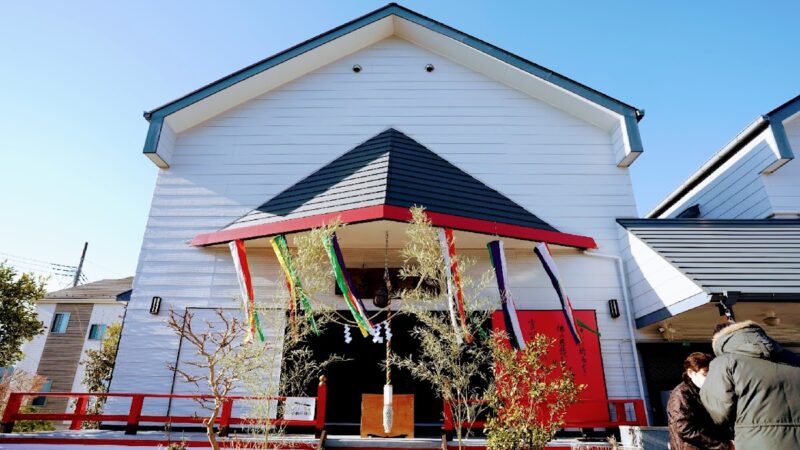
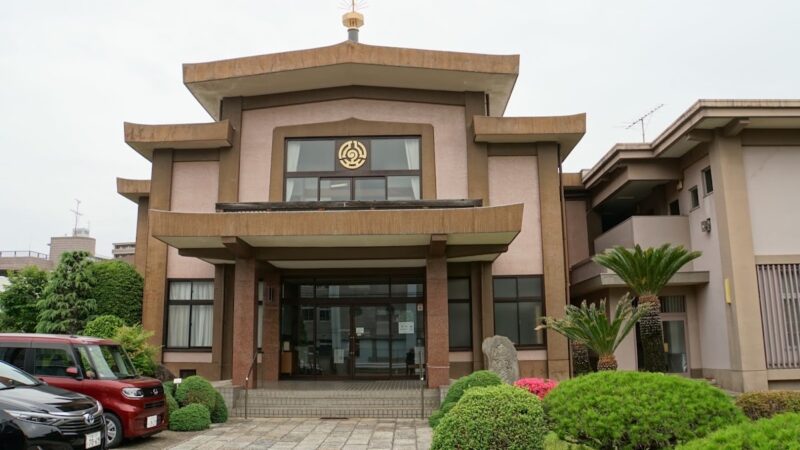
The current temple grounds are divided into two by a road, with the main gate and bell tower on the Nakasendo side, and the main hall and Jizo hall on the prefectural office side—a unique layout.
Highlights of Tamazoin Temple
Weeping Cherry Tree Over 100 Years Old
An essential part of discussing Tamazoin Temple is the weeping cherry tree, over 100 years old, blooming beside the main hall. Every year from late March to early April, the trees are covered in pale pink blossoms, creating a breathtaking spectacle as they cascade down like a waterfall.
During the cherry blossom season, many visitors come not only from the local area but also from far away. The trees are sometimes illuminated at night, allowing visitors to enjoy the magical sight of the cherry blossoms after dark. It’s rare to find such a magnificent weeping cherry tree so close to the city center.
Stone Buddha statues are placed beneath the cherry trees, and their quiet presence bathed in the spring sunlight embodies traditional Japanese aesthetics. It’s a popular spot for photography enthusiasts, and many beautiful photos are shared on social media.
Main Hall and Dainichi Nyorai Statue
The main hall of Tamazoin Temple was rebuilt in the mid-Edo period and preserves the traditional architectural style of Shingon Buddhist temples. Inside the hall is enshrined the principal image, a seated statue of Dainichi Nyorai, which is revered as the fundamental Buddha of Shingon Esoteric Buddhism.
Dainichi Nyorai is considered a Buddha who embodies the very truth of the universe, and is a symbol of wisdom and compassion. The interior of the main hall is usually closed to the public, but it may be opened during special religious ceremonies.
Jizo Hall and Wooden Standing Statue of Jizo Bodhisattva
The Jizo Hall on the temple grounds houses a wooden standing statue of Jizo Bodhisattva, a Saitama Prefecture designated tangible cultural property. This statue is believed to have been created in the late Heian period (12th century) and is a valuable cultural asset showcasing the excellent sculpting skills of a local Buddhist sculptor.
Made from a single piece of cypress wood, approximately 90 centimeters tall, it features a gentle expression and a well-proportioned physique. Jizo Bodhisattva has long been revered by ordinary people as a guardian deity of children and as a Buddha who travels through the six realms to save sentient beings.
Gyokuzoin Temple has a long history as a temple of Jizo worship, and this standing statue of Jizo Bodhisattva is a symbolic presence that has embodied the wishes of the local people. Every year on August 23rd and 24th, a special memorial service is held during the Jizo Bon festival.
Temple Gate and Bell Tower
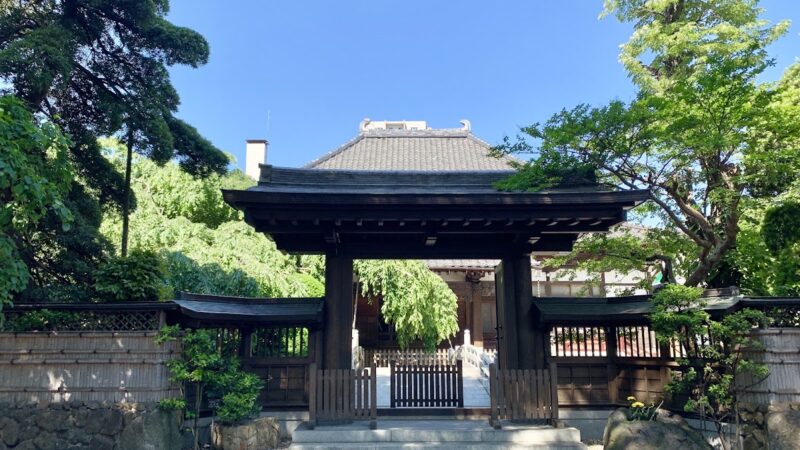
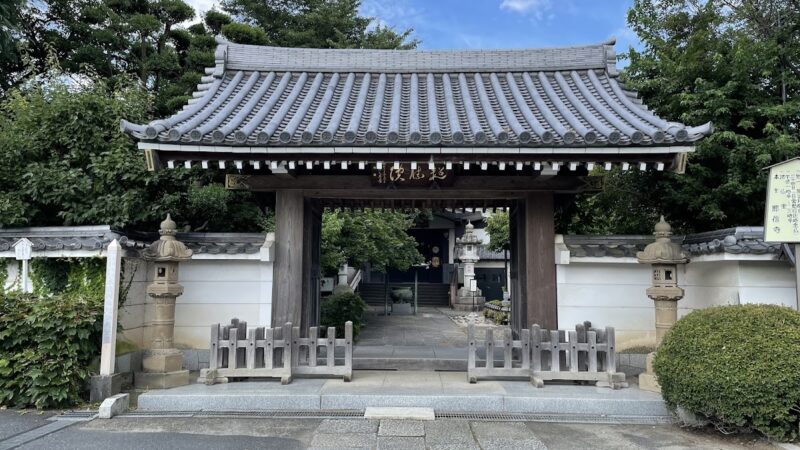
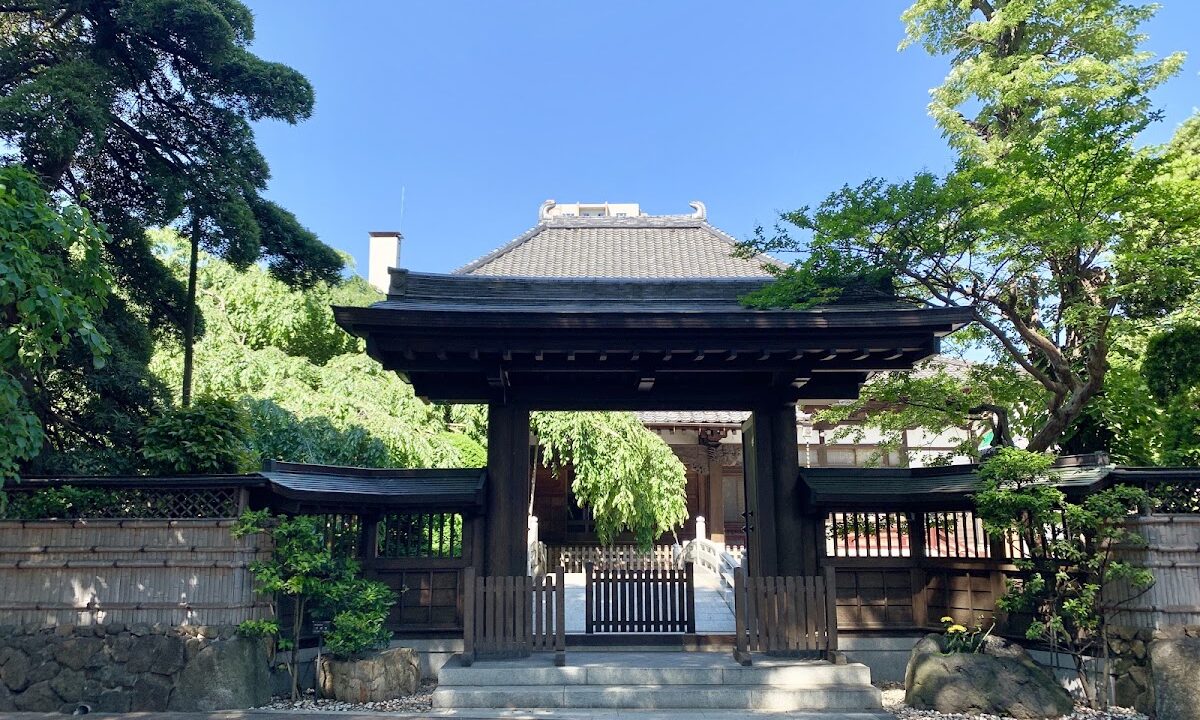
Located on the Nakasendo Road side, the temple gate is a magnificent structure that retains the style of the Edo period. Passing through the gate, the bell tower can be seen at the end of the approach. The temple bell hanging in the bell tower is rung at a fixed time every day, announcing the time to the surrounding area.
The sound of the temple bell is cherished by the local people as part of the “Soundscape of Urawa,” and even amidst increasing urbanization, it remains a valuable presence that evokes a sense of the passage of time.
Cultural Properties of Tamazoin Temple
Saitama Prefecture Designated Tangible Cultural Property
Wooden Standing Statue of Jizo Bodhisattva (Designated in 1960)
A work from the late Heian period. A superb example of a single-piece carving by a local Buddhist sculptor.
Bronze Bell (Designated in 1963)
Cast in the early Edo period. The inscription describes the temple’s appearance at the time.
Wooden Standing Statue of Fudo Myoo (Designated in 1967)
A powerful statue of Fudo Myoo believed to be from the Kamakura period.
Saitama City Designated Tangible Cultural Property
Gyokuzoin Temple also has five cultural properties designated by Saitama City. These tell the story of the temple’s long history and its importance in local culture.
Wooden Standing Statue of Amida Buddha
A work from the Kamakura period. An elegant depiction of Amida Buddha making the Raigo mudra (welcoming gesture).
Stone Hōkyōintō Pagoda
A stone pagoda from the Muromachi period. It demonstrates the level of stone art at the time.
Temple Bell
Cast in the mid-Edo period.
Colored Silk Painting of Fudo Myoo
An Edo period Buddhist painting.
Collection of Ancient Documents
Valuable historical materials that convey the history of the temple.
These cultural properties demonstrate that Gyokuzoin Temple is not merely a place of worship, but also plays a museum-like role in conveying the history and culture of the region to the present day.
Annual Events and Memorial Services
One of the Three Great Segaki Ceremonies in the Kanto Region
The most important annual event at Tamazoin Temple is the Segaki Ceremony, held every year on August 23rd and 24th. This memorial service is counted as one of the “Three Great Segaki Ceremonies in the Kanto Region” and is known as a traditional event that has continued since the Edo period.
Segaki is a memorial service in which food and drink are offered to the spirits of those without relatives who have fallen into the realm of hungry ghosts. Thousands of worshippers visit Tamazoin Temple every year for the Segaki Ceremony, to pray for their ancestors and the spirits of those without relatives. Many food stalls line the temple grounds, and it has become a well-established summer tradition in the region.
Other Major Annual Events
Hatsumode (January 1st-3rd)
The temple is bustling with worshippers in the New Year.
Setsubun-e (February 3rd)
Bean-throwing and prayers for protection against evil.
Spring Equinox Festival (7 days centered around the Spring Equinox): A memorial service for ancestors.
Flower Festival (April 8th): A memorial service celebrating the birth of Buddha. Coinciding with the weeping cherry blossom season, it creates a vibrant atmosphere.
Jizo Bon Festival (August 23rd & 24th): A memorial service for Jizo Bodhisattva, held in conjunction with the Segaki (feeding of hungry ghosts) ceremony.
Autumn Equinox Festival (7 days centered around the Autumn Equinox): A memorial service for ancestors.
New Year’s Eve Bell Ringing (December 31st): Visitors can also ring the bell.
These events serve as important opportunities to strengthen community bonds and pass on traditional culture to future generations.
Kita-Adachi Eighty-Eight Sacred Sites
Tamazoin Temple is designated as the 55th and 88th (final temple) of the Kita-Adachi Eighty-Eight Sacred Sites. The Kita-Adachi Eighty-Eight Sacred Sites pilgrimage route is modeled after the Shikoku Eighty-Eight Sacred Sites and is composed mainly of Shingon Buddhist temples in southern Saitama Prefecture.
It is unusual for a single temple to have multiple pilgrimage site numbers, indicating the importance of Tamazoin Temple within the pilgrimage. In particular, site 88 holds special significance for pilgrims who have completed the pilgrimage, as it marks the final temple.
Temple stamps (Goshuin) can be obtained at the temple office next to the main hall, attracting not only pilgrims but also many visitors who collect temple stamps as a hobby.
Access Information
Access by Train
Approximately 8 minutes on foot from the West Exit of Urawa Station on the JR Keihin-Tohoku Line, Takasaki Line, Utsunomiya Line, and Shonan-Shinjuku Line
Exit the west exit of Urawa Station and head north along the old Nakasendo road. Continue straight, keeping the Saitama Prefectural Government building on your right, and you will see the main gate of Tamazoin Temple on your left. It is very conveniently located near the station.
Access by Bus
Get off at the “Kencho-mae” (Prefectural Office) bus stop (Kokusai Kogyo Bus or Tobu Bus), then walk for approximately 3 minutes.
If using the bus from Urawa Station West Exit, take a bus bound for the Prefectural Office and get off at “Kencho-mae”.
Access by Car
Approximately 10 minutes from the Urawa Minami Exit of the Shuto Expressway Saitama Omiya Line
Head north on National Route 17 (Nakasendo), and turn left at the intersection near the Saitama Prefectural Office. There is a parking lot for visitors, but spaces are limited, so we recommend using public transportation during cherry blossom season and events such as the Segaki-e (feeding of hungry ghosts) ceremony.
Nearby Parking
- Saitama Prefectural Office Parking (Open to the public on weekends and holidays)
- Coin parking lots around Urawa Station
Attractions near Tamazoin Temple
Saitama Prefectural Office
The Saitama Prefectural Office, located very close to Tamazoin Temple, has a high-rise observation deck where you can enjoy a panoramic view of the prefecture for free. On clear days, you can sometimes see Mount Fuji.
Urawa Station Area Shopping Street
The west exit of Urawa Station is lined with commercial facilities, including Isetan Urawa, and long-established restaurants. You can enjoy meals and shopping before or after visiting the shrine.
Tsukinomiya Shrine
Located about a 10-minute walk from Urawa Station, Tsukinomiya Shrine is a rare shrine where guardian rabbits are placed instead of guardian dogs. It’s a popular spot, often visited in conjunction with Tamazoin Temple.
Besshonuma Park
A short walk from Urawa Station will take you to the lush green Besshonuma Park. It’s a relaxing place where you can enjoy nature in all four seasons.
Manners and Points for Visiting Shrines
Basic Shrine Visiting Etiquette
- Bow at the Temple Gate: Before entering the shrine grounds, bow at the temple gate to compose yourself.
- Purify yourself at the water basin: Cleanse your hands and mouth before proceeding to the main hall.
- Worship at the main hall: Join your hands in prayer and offer a quiet prayer. In Shingon Buddhism, chant “Namu Daishi Henjo Kongo.”
- Visit the Jizo Hall as well: In addition to the main hall, please also pay your respects at the Jizo Hall.
- Be quiet on the temple grounds: Act quietly so as not to disturb other worshippers.
Regarding Photography
Photography is generally permitted on the temple grounds, but please note the following:
- Permission is required to photograph the interior of the main hall or Buddha statues.
- Be considerate and avoid including other worshippers in your photos.
- Avoid using tripods during crowded times.
- Avoid using flash photography.
Many people visit to take photos during cherry blossom season, so please be considerate of others.
About Goshuin (Temple Seals)
Goshuin can be obtained at the temple office (usually 300-500 yen). You can bring your own goshuincho (stamp book) or purchase one on the spot. Those on the Kita-Adachi Eighty-Eight Sacred Sites pilgrimage can have their goshuin stamped in a special pilgrimage book.
Reception hours are 9:00 AM to 4:00 PM, but staff may be absent for religious services, so it is recommended to call ahead to confirm if you wish to obtain a goshuin.
The Charm of Tamazoin Temple and its Role in the Community
A Tranquil Space in the City
Despite its location in the heart of Saitama City, within walking distance of Urawa Station, the grounds of Tamazoin Temple are enveloped in tranquility. In an urban environment surrounded by skyscrapers and commercial facilities, the grounds of this historic temple are a precious oasis, a spiritual haven for many.
Office workers stopping by on their way to work to calm their minds, local residents incorporating it into their walking routes, and tourists visiting the temple—various people spend their time here in their own way.
Preservation of Local Culture
For over 1200 years, Tamazoin Temple has functioned as a center of local faith and culture. Annual events, including the Segaki-e (feeding of hungry ghosts) ceremony, strengthen community bonds and play a vital role in passing on traditional culture to future generations.
In particular, the Segaki-e ceremony, a traditional event dating back to the Edo period, brings together many people, providing an opportunity to reaffirm the preciousness of life and human connections through gratitude to ancestors and memorial services for those without relatives.
Educational Value
The numerous cultural artifacts housed at Tamazoin Temple serve as valuable teaching materials for learning about local history. Local elementary and junior high schools sometimes provide opportunities for students to visit Tamazoin Temple as part of their local history studies, learning about local history and Buddhist culture.
The temple’s history, spanning from the Heian period to the present day, reflects the history of Japan itself, and by interacting with the actual cultural artifacts, children can feel a closer connection to history.
Value as a Tourism Resource
As a famous spot for weeping cherry blossoms and a historical temple, Tamazoin Temple is an important tourist resource in the Urawa area. Especially during cherry blossom season, many tourists visit not only from the local area but also from far away, contributing to the local economy.
In recent years, the number of younger visitors has increased due to information dissemination on social media. The charm of Tamazoin Temple is being widely spread through posts of beautiful cherry blossom photos and temple stamps.
The Four Seasons of Tamazoin Temple
Spring (March-May)
In spring, the weeping cherry blossoms are undoubtedly the main attraction at Tamazoin Temple. From late March to early April, the giant trees, over 100 years old, bloom in full glory, dyeing the temple grounds in a soft pink hue. Stone Buddha statues stand quietly beneath the cherry blossoms, watching over visitors while basking in the spring sunshine.
Even after the cherry blossoms have fallen, the fresh greenery is beautiful, allowing visitors to enjoy a refreshing stroll through the temple grounds. On April 8th, the Flower Festival is held, a Buddhist service celebrating the birth of Buddha.
Summer (June-August)
During the rainy season, hydrangeas adorn the temple grounds. In the height of summer, the trees become lush green, and the grounds are enveloped in a cool, refreshing atmosphere.
The Segaki-e ceremony on August 23rd and 24th is Tamazoin’s biggest summer event. Many worshippers visit to pay respects to their ancestors. Stalls line the grounds, creating a lively atmosphere reminiscent of a summer festival.
Autumn (September-November)
Autumn at Tamazoin is a beautiful season for autumn foliage. The maple and ginkgo trees on the grounds change color, allowing visitors to enjoy a tranquil autumn atmosphere. Many parishioners and worshippers visit during the Autumn Equinox ceremony to pay respects to their ancestors.
It’s the perfect season for quiet worship in the crisp autumn air.
Winter (December-February)
In winter, the temple grounds are enveloped in a dignified atmosphere as the leafless trees stretch their branches towards the winter sky. On December 31st, during the New Year’s Eve bell-ringing ceremony, visitors can also ring the bell, preparing to welcome the new year.
Winter events are also abundant, including the first shrine visit of the year in January and the Setsubun festival in February. The temple grounds are especially serene and beautiful on snowy days, offering an otherworldly atmosphere.
Summary
Gyokuzoin Temple is an ancient temple of the Shingon-shu Buzan sect located in Urawa Ward, Saitama City, Saitama Prefecture. It is said to have been founded by Kobo Daishi in the early Heian period, boasting a history of over 1200 years.
Its weeping cherry tree, over 100 years old, is widely known as a famous cherry blossom viewing spot, attracting many visitors every year. Furthermore, it houses valuable cultural assets, including a wooden standing statue of Jizo Bodhisattva, a Saitama Prefecture designated tangible cultural property, preserving the history and culture of the region.
The annual Segaki-e (feeding of hungry ghosts) ceremony held every August is considered one of the three major Segaki ceremonies in the Kanto region, and as a traditional event that has continued since the Edo period, it attracts many worshippers. It is also known as the 55th and 88th temples of the Kita-Adachi Eighty-Eight Sacred Sites pilgrimage, and pilgrims continue to visit.
Despite its convenient location, just an 8-minute walk from Urawa Station, Tamazoin Temple offers a tranquil space away from the hustle and bustle of the city. It is a spiritual haven for the local community and a valuable tourist spot.
With its cherry blossoms in spring, the Segaki-e ceremony in summer, the autumn foliage, and the ringing of the temple bells on New Year’s Eve in winter, it offers charm in every season, and there are new discoveries to be made with each visit. When visiting Saitama Prefecture, be sure to visit Tamazoin Temple and experience its history, culture, and beautiful temple grounds.