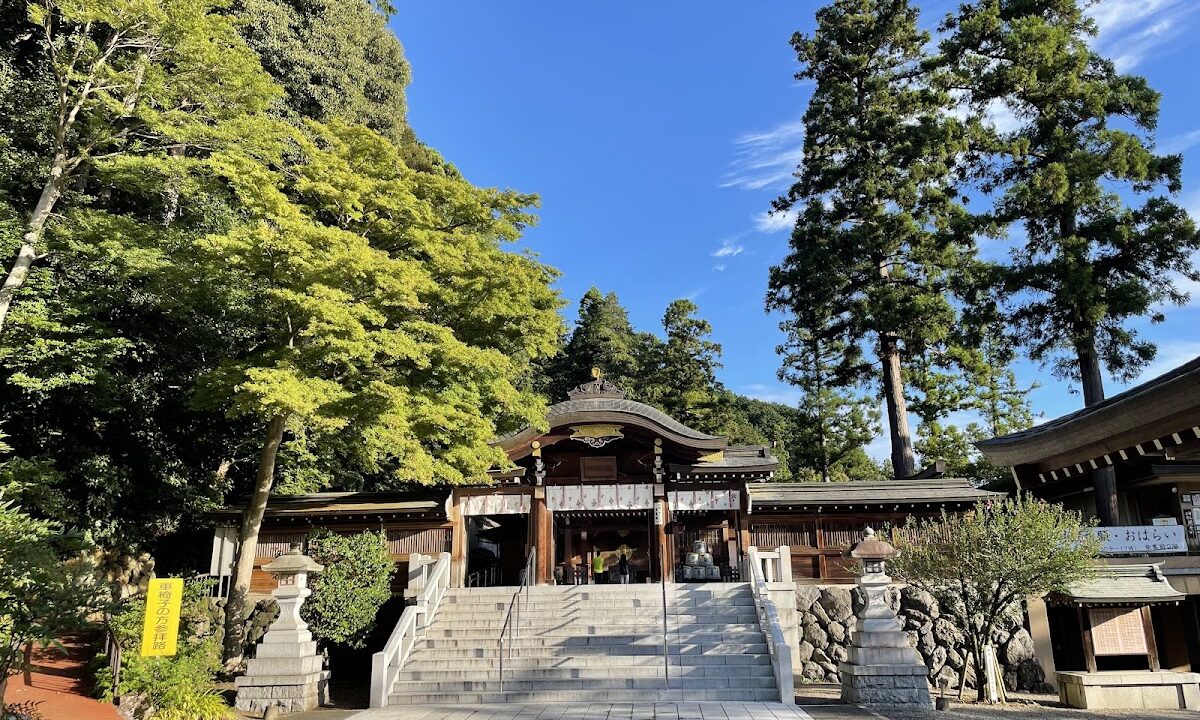
Complete Guide to Kobo Son-in Temple (Saitama Prefecture): The Charm of the Historic Sacred Site and Five Hundred Arhats in Nidokuriyama
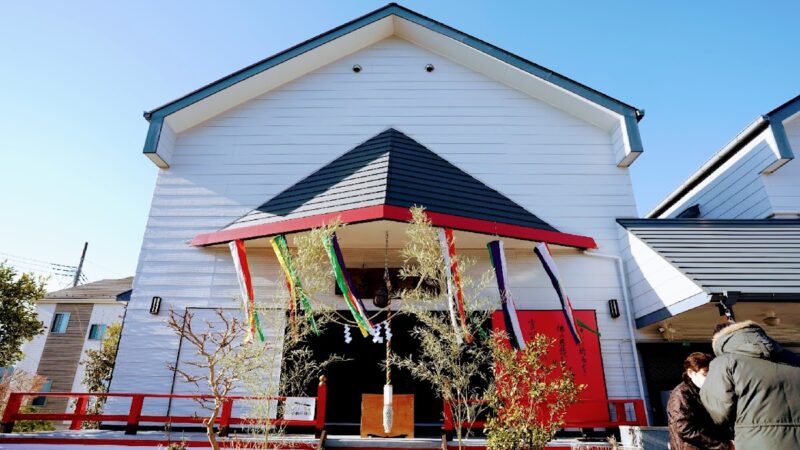
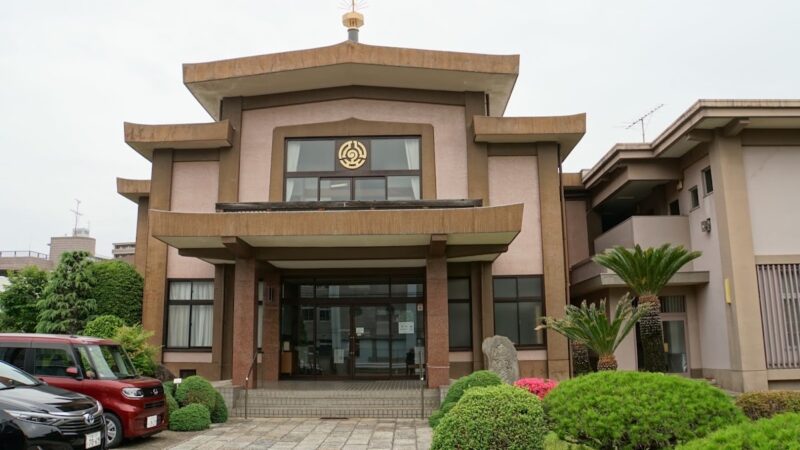
Located in Shin-Nakazato, Chuo-ku, Saitama City, Saitama Prefecture, Kobo Son-in Temple is a Shingon sect Chizan-ha temple founded during the Meiji era. This temple, dedicated to Kobo Daishi, is known as the third stop on the Kita-Adachi Eighty-Eight Sacred Sites of Kobo Daishi, and for its Five Hundred Arhats statues and the Shikoku Eighty-Eight Sacred Sites stone Buddha statues housed within its grounds. This article provides a detailed explanation of Kobo Son-in Temple’s history, highlights, and access information—all essential before your visit.
History and Origin of Kobo Son-in Temple
Founded in the Meiji Era
Kobo Son-in Temple is a relatively new temple, founded in 1903 (Meiji 36). From its inception, it was positioned as the third stop on the “Kita-Adachi Eighty-Eight Sacred Sites of Kobo Daishi,” and has developed as a center of local faith. This temple, belonging to the Chizan branch of the Shingon sect, enshrines Kobo Daishi Kukai as its principal deity and boasts a history of approximately 120 years.
Connection to Nidokuriyama
Kobo Son-in is sometimes called “Nidokuriyama Kobo Son-in.” The place name “Nidokuriyama” is associated with a legend related to Kobo Daishi Kukai. Various legends about Kobo Daishi’s pilgrimages are passed down within Saitama Prefecture, and this region has played an important role as part of his sphere of influence.
About the Kita-Adachi Eighty-Eight Sacred Sites
The Kita-Adachi Eighty-Eight Sacred Sites are a pilgrimage route established during the Meiji era, modeled after the Shikoku Eighty-Eight Sacred Sites. Kobo Son-in, as the third temple on this route, has welcomed many pilgrims. For people in areas where traveling to Shikoku is difficult, it functions as a valuable sacred site where they can practice Kobo Daishi faith in a familiar location.
Highlights of Kobo Son-in Temple
The Magnificent View of the Five Hundred Arhat Statues
The most striking feature of Kobo Son-in Temple is the Five Hundred Arhat statues enshrined within its grounds. Arhat refers to saints who have reached the highest stage of Buddhist practice, symbolizing the disciples of Shakyamuni Buddha. Kobo Son-in Temple houses approximately 500 Arhat statues, with various sizes and expressions of stone Buddhas placed throughout the grounds.
Each Arhat statue has a different expression and posture, and visitors traditionally search for one that resembles themselves or a deceased relative. These Arhat statues quietly speak to viewers about the teachings of Buddhism and the diversity of life.
Stone Buddha Statues of the 88 Temples of Shikoku
Within the temple grounds are stone Buddha statues depicting the 88 temples of the Shikoku Pilgrimage. This allows visitors to pay homage to all 88 temples simply by visiting the grounds of Kobo Son-in Temple, without having to travel to Shikoku itself. This “replica pilgrimage site” is an important means of practicing the faith of Kobo Daishi for people with time and financial constraints.
Each stone Buddha is numbered, and it is believed that visiting them in order grants the same merit as the Shikoku Pilgrimage. By joining hands in prayer and chanting mantras before the stone Buddhas, one can attain peace of mind and spiritual fulfillment.
Kobo Daishi and Benzaiten Statues
Within the temple grounds, numerous Buddhist statues and stone Buddhas are enshrined, including the principal image of Kobo Daishi and a statue of Benzaiten. The statue of Kobo Daishi represents Kukai, the founder of the Shingon sect, and is central to the faith of pilgrims and visitors.
Benzaiten is a goddess known as one of the Seven Lucky Gods, worshipped as the goddess of art, learning, and wealth. The Benzaiten statue at Kobo Son-in Temple is deeply revered by local residents, and is particularly visited by those praying for academic success and business prosperity.
Spring Cherry Blossoms and a Place of Relaxation
Kobo Son-in Temple is a beloved place of relaxation for local residents, especially in spring when the cherry blossoms bloom beautifully. The cherry trees within the temple grounds, combined with the stone Buddha statues and Arhat statues, create a quintessentially Japanese landscape. During cherry blossom season, the temple is bustling with people who come to worship and enjoy the blossoms.
Despite being located in a quiet residential area, the temple grounds are surrounded by lush greenery, making it a precious space where one can experience nature and Buddhist culture even in an urban setting.
Basic Information about Kobo Son-in Temple
Location and Contact Information
- Address: 3-5-29 Shin-Nakazato, Chuo-ku, Saitama City, Saitama Prefecture 338-0011
- Sect: Shingon-shu Chizan-ha
- Principal Image: Kobo Daishi
- Founded: Meiji 36 (1903)
- Pilgrimage Site: Kita-Adachi Eighty-Eight Sacred Sites of Kobo Daishi, No. 3
Registration as a Religious Corporation
Kobo Son-in Temple was officially registered as a religious corporation under the jurisdiction of the Saitama Prefectural Governor on March 8, 1954. Under the leadership of the representative director, it is properly managed and operates, functioning as a base for local religious activities.
Access Methods
Access by Train
The nearest station to Kobo Son-in Temple is Minami-Yono Station on the JR Saikyo Line.
- Walking distance from Minami-Yono Station: Approximately 10 minutes
- Exit the station and head northeast. After passing through the residential area, you will arrive at Kobo-son-in Temple.
Minami-Yono Station is located approximately 5 minutes from Omiya Station and 30 minutes from Ikebukuro Station on the Saikyo Line, making it easily accessible from central Tokyo.
Access by Car
If visiting by car, the following route is convenient:
- Approximately 10 minutes from the Yono IC on the Shuto Expressway Saitama-Omiya Line
- Accessible from National Route 17
- It is recommended to check the availability of parking in advance.
As it is located in a residential area, some surrounding roads are relatively narrow. Caution is required when driving.
Manners and Enjoyment of Visiting the Temple
Basic Etiquette for Visiting the Temple
At Kobo-son-in Temple, a Shingon Buddhist temple, the following etiquette is generally observed.
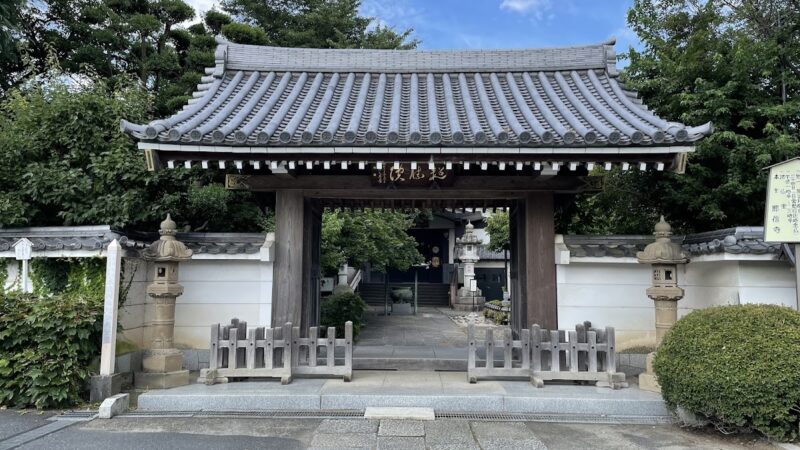
- A Bow at the Temple Gate: Bow at the temple gate before entering the temple grounds.
- Purification at the Water Basin: If there is a water basin, purify your hands and mouth.
- Visiting the Main Hall: Join your hands in prayer in front of the main hall and offer your prayers to Kobo Daishi.
- Chanting the Mantra: Chant “Namu Daishi Henjo Kongo.”
- Pilgrimage to the Stone Buddha Statues: Visit the stone Buddha statues of the 88 temples of Shikoku in order.
How to Enjoy the Five Hundred Arhat Statues
When viewing the Five Hundred Arhat statues, please pay attention to the following points.
- Diversity of Expressions: Search for the various expressions of the Arhat statues, each conveying a range of emotions.
- Posture and Possessions: Pay attention to the unique postures and possessions of each Arhat.
- Face Search: Enjoy finding an Arhat that resembles yourself, your family, or friends.
- Seasonal Changes: Observe the changing expressions of the Arhat statues amidst the changing seasons.
Regarding Photography
Photography is generally permitted on the temple grounds, but please observe the following points:
- Be considerate of other visitors.
- Permission may be required for photography inside the main hall.
- Maintain silence and respect the religious nature of the place.
- When posting on social media, be careful not to include other visitors in your photos.
Nearby Tourist Attractions
Attractions in Chuo Ward, Saitama City
The following tourist attractions are located near Kobo Son-in Temple.
- Yono Park: A park famous for its rose garden, where beautiful roses bloom in spring and autumn.
- Around Yonohonmachi Station: An area lined with shopping streets and restaurants.
- Saitama City Museum: A facility where you can learn about the history and culture of the region.
Other Temples and Shrines in Saitama City
There are many other historical temples and shrines in Saitama City.
- Hikawa Shrine (Omiya Ward): An ancient shrine known as the Ichinomiya (first-ranked shrine) of Musashi Province.
- Tsuki Shrine (Urawa Ward): A rare shrine that enshrines Tsuki (the moon).
- Tamazoin Temple: An ancient Shingon Buddhist temple.
Visiting these temples together with Kobo Son’in Temple will allow you to gain a deeper understanding of Saitama City’s religious culture.
About Kobo Daishi Faith and Shingon Buddhism
Who was Kobo Daishi Kukai?
Kobo Daishi Kukai (774-835) was a monk in the early Heian period and the founder of Shingon Buddhism. He studied Esoteric Buddhism in China (Tang Dynasty), and after returning to Japan, he founded Mount Koya, laying the foundation for Esoteric Buddhism in Japan. He was also known as a calligrapher, educator, and social worker, and his name is associated with the proverb, “Even Kobo Daishi makes mistakes with his brush.”
Characteristics of the Shingon-shu Chizan-ha
The Shingon-shu Chizan-ha, to which Kobo Son-in belongs, is one of the major sects of Shingon Buddhism. Its head temple is Chishaku-in in Kyoto, and it has approximately 3,000 temples throughout Japan. While based on the teachings of Esoteric Buddhism, it emphasizes faith open to ordinary people and engages in practical religious activities such as prayers and incantations.
Shikoku Pilgrimage and Replica Sacred Sites
The Shikoku 88 Temple Pilgrimage is Japan’s largest pilgrimage route, visiting 88 temples associated with Kobo Daishi. This pilgrimage, covering approximately 1,400 km, requires a great deal of time and physical stamina. Therefore, “replica pilgrimage sites” were created in various locations, allowing local people to receive similar blessings in familiar places.
The Shikoku 88 Temple Pilgrimage stone Buddha statues at Kobo Son-in Temple are one such replica pilgrimage site and play an important role as a center of Kobo Daishi worship in Saitama Prefecture.
Annual Events and Special Days
Kobo Daishi’s Festival Day
In Shingon Buddhist temples, the 21st of each month is considered Kobo Daishi’s festival day. On this day, devotion to Kobo Daishi is particularly heightened, and many worshippers visit. Visiting Kobo Son-in Temple on this day will likely provide a deeper religious experience.
Spring and Autumn Services
Many temples hold special services in spring and autumn. Kobo Son-in Temple may also hold seasonal services and events. For specific dates, it is recommended to inquire directly with the temple.
A Special Atmosphere During Cherry Blossom Season
The spring cherry blossom season is one of the most beautiful times to visit Kobo Son-in Temple. The contrast between the stone Buddha statues and the cherry blossoms creates a landscape that embodies Japanese aesthetics. Visiting during this time offers a visually and spiritually fulfilling pilgrimage experience.
Visitor Voices and Reputation
Impression of the Five Hundred Arhat Statues
Many visitors to Kobo Son-in Temple are impressed by the number and diversity of the Five Hundred Arhat statues. Each Arhat statue has a different expression, leaving a deep impression on the viewer and prompting reflection on Buddhist teachings and the diversity of life.
Peace of Mind in a Quiet Environment
Despite being located in a residential area, the temple grounds are enveloped in a quiet and peaceful atmosphere. Many visitors appreciate the environment, which allows for a peaceful pilgrimage away from the hustle and bustle of the city.
A Temple Rooted in the Community
Functioning as a place of relaxation for local residents, Kobo Son-in Temple is a beloved temple deeply rooted in the community. During the spring cherry blossom season, the temple is bustling with locals who visit for both worship and cherry blossom viewing, playing a central role in the community.
Points to Note When Visiting Kobo Son-in Temple
Clothing and Items to Bring
When visiting the temple, please note the following:
- Clothing: Avoid revealing clothing and wear modest attire.
- Shoes: Choose comfortable shoes for walking around the temple grounds (especially important if you plan to visit the stone Buddha statues).
- Items to Bring: Bringing a pilgrimage notebook or prayer beads will allow for a more authentic pilgrimage.
Visiting Hours and Opening Hours
It is recommended to check the temple’s opening hours and visiting hours in advance. Generally, temples are open for worship from sunrise to sunset, but hours may change during special events or ceremonies.
Manners and Consideration
- Behave quietly on the temple grounds and refrain from loud conversations.
- Be considerate of other visitors.
- Always take your trash with you.
- When touching stone Buddha statues or Arhat statues, handle them with respect and care.
- Smoking is only permitted in designated areas (or may be completely prohibited).
History and Cultural Background of Saitama City
Origins of Saitama City’s Chuo Ward
Saitama City’s Chuo Ward was created in 2003 when Saitama City became a designated city. Most of the former Yono City became Chuo Ward, and Kobo Son-in Temple is also located within this area. Historically, it flourished as a post town on the Nakasendo road, and is dotted with ancient temples, shrines, and historical sites.
Buddhist Culture of Saitama Prefecture
Many temples have been built in Saitama Prefecture since ancient times. In particular, there are many temples of the Shingon, Tendai, and Soto sects, which form the region’s religious culture. Temples founded during the Meiji era, such as Kobo Son-in, have developed in response to the religious needs of the region.
Sacred Site Culture of the Kita-Adachi Region
The Kita-Adachi Eighty-Eight Sacred Sites pilgrimage route was established during the Meiji era, with temples spread across a wide area in southern Saitama Prefecture. Kobo Son-in, as the third temple on this route, serves as an important base for the pilgrimage. This sacred site culture has fostered the faith of local people and strengthened community bonds.
Cultural Properties and Preservation of Kobo Son-in
Historical Value of the Stone Buddha Statues
The Five Hundred Arhats statues at Kobo Son-in and the stone Buddha statues of the Shikoku Eighty-Eight Sacred Sites are believed to have been created from the Meiji era through the Taisho and Showa periods. These stone Buddha statues possess valuable cultural properties that convey the stonemasonry techniques and folk beliefs of the time.
Maintenance and Management Efforts
Maintaining the numerous stone Buddha statues on the temple grounds is a major challenge for the temple. Due to natural deterioration such as weathering from wind and rain and moss growth, regular cleaning and restoration are necessary. These cultural properties are preserved with the cooperation of local residents and believers.
Summary: The Charm and Significance of Visiting Kobo Son-in Temple
Kobo Son-in Temple, though a relatively new temple founded in 1903 (Meiji 36), is a special place possessing a rich religious and cultural heritage, including 500 Arhat statues and a group of stone Buddha statues from the Shikoku 88 Temple Pilgrimage. As the third temple on the Kita-Adachi 88 Temple Pilgrimage, it has played a central role in the region’s worship of Kobo Daishi.
With its easy access (10-minute walk from Minami-Yono Station), quiet and peaceful atmosphere, and the beauty of the cherry blossoms in spring, it is a precious space where one can find peace of mind despite being in an urban area. The sight of 500 Arhat statues lined up is breathtaking, and while gazing at the stone Buddhas, each with its own unique expression, one can have time to quietly contemplate life and the teachings of Buddhism.
For those who find it difficult to undertake the Shikoku Pilgrimage, the ability to visit all 88 temples within the temple grounds is of great significance. Kobo Son-in Temple continues to play an important role in modern times as an opportunity to practice Shingon Buddhism and experience the teachings of Kobo Daishi.
When visiting Saitama City, be sure to stop by Kobo Son-in Temple. This temple, where history, faith, and art are intertwined, will bring deep emotion and peace of mind to visitors. Spending time in the tranquil grounds, almost as if conversing with the 500 Arhats, will provide a special experience, a welcome escape from the hustle and bustle of everyday life.