Hiyoshi Taisha Shrine (Shiga Prefecture) Complete Guide | From History and Highlights to Visiting Information
What is Hiyoshi Taisha Shrine? – Overview of the Sanno Head Shrine
Hiyoshi Taisha Shrine is a Shinto shrine located in Sakamoto, Otsu City, Shiga Prefecture. It is the head shrine of approximately 3,800 Hiyoshi, Hie, and Sanno shrines throughout Japan. Founded approximately 2,100 years ago in a sacred place at the foot of Mount Hiei, it is a historically significant shrine mentioned in the Kojiki (Records of Ancient Matters).
The shrine grounds cover approximately 400,000 square meters, the majority of which is designated as a national historic site. Centered around the West and East Main Shrines, numerous subsidiary shrines are scattered throughout the sacred grounds, where the sound of pure water constantly resonates, providing deep peace to visitors.
Hiyoshi Taisha Shrine is a Shikinaisha (a major shrine listed in the Engishiki) and one of the Twenty-Two Shrines (the lower eight shrines), holding the highest rank of Kanpei Taisha (a major government-supported shrine) in its former status. Currently, it is a Beppyo Jinja (a special shrine) of the Association of Shinto Shrines, attracting deep devotion from worshippers nationwide.
Located in the northeast (the “demon’s gate”) of Heian-kyo (ancient Kyoto), it was deeply revered by the imperial court as a shrine for warding off evil and disaster from the capital. It continues to attract many worshippers as a major shrine for protection against misfortune and evil.
History of Hiyoshi Taisha Shrine – A Lineage of Faith spanning over 2100 Years
Founding and Ancient History
The founding of Hiyoshi Taisha Shrine dates back approximately 2100 years, to the 7th year of Emperor Sujin’s reign. It is believed to have begun when the mountain god, Oyamakui-no-kami, originally enshrined on Mount Hiei, was invited and enshrined at its current location at the foot of the mountain. This is the origin of the East Main Shrine.
The Kojiki states, “Ōyamakui-no-kami, also known as Yamasue-no-Ōnushi-no-kami, resides on Mount Hie in the nearby Ōmi Province,” indicating that he was widely known as the god of Mount Hiei since ancient times.
Relocation of the Capital to Ōtsu-kyō and the Establishment of the West Main Shrine
In the 7th year of Emperor Tenji’s reign (668 AD), when the capital was moved to Ōtsu-kyō, Ōnamuchi-no-kami (Ōkuninushi-no-mikoto) was invited from Mount Miwa in Nara Prefecture, and the West Main Shrine was established. This completed the basic structure of the current Hiyoshi Taisha Shrine, centered around the East and West Main Shrines.
Ōnamuchi-no-kami was worshipped as the god of national development, industry, and matchmaking, and the West Main Shrine came to play the role of the guardian deity of the capital.
Deep Connection with Enryaku-ji Temple
In the early Heian period, when Dengyo Daishi Saicho founded Enryaku-ji Temple on Mount Hiei, Hiyoshi Taisha Shrine was positioned as the guardian deity of the Tendai sect. Saicho himself visited Hiyoshi Taisha Shrine, and it became a center of Shinbutsu-shugo (syncretism of Buddhism and Shinto).
The name “Sanno Gongen” originated during this period, and as the Tendai sect spread, Hiyoshi, Hie, and Sanno shrines were established throughout Japan. The fact that monks who trained on Mount Hiei brought the deity of Hiyoshi Taisha Shrine with them when they descended to various regions is the background to the creation of over 3,800 branch shrines throughout Japan.
From the Medieval to the Early Modern Period
During the medieval period, it wielded considerable power alongside Enryaku-ji Temple, and it is said that there were 108 shrine buildings within its grounds. However, in 1571, during Oda Nobunaga’s burning of Mount Hiei, many of Hiyoshi Taisha’s buildings were destroyed.
Afterward, with the support of Toyotomi Hideyoshi and Tokugawa Ieyasu, reconstruction progressed, and many of the buildings seen today were rebuilt during the early to mid-Edo period.
Modern Era
Although the relationship with Enryaku-ji Temple was officially severed by the Meiji-era separation of Shinto and Buddhism, the historical connection between the two remains deeply ingrained due to its location at the foot of Mount Hiei.
In 1927, it was elevated to the rank of Kanpei Taisha (a high-ranking shrine), and after the war, it became a Beppyo Jinja (a special shrine) of the Association of Shinto Shrines, preserving its traditions to this day.
Highlights of Hiyoshi Taisha – The Charm of National Treasure Architecture and the Sacred Precincts
Nishihongu Main Hall (National Treasure)
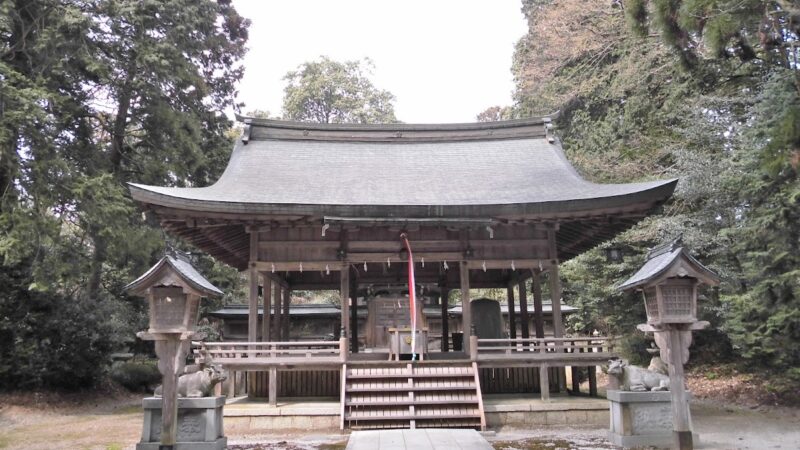
The Nishihongu Main Hall was rebuilt in 1595 and is designated as a National Treasure. The shrine is characterized by its unique architectural style, known as “Hiyoshi-zukuri” or “Seitei-zukuri.”
The Hiyoshi-zukuri style features a eaves over the front, with a space resembling a worship hall beneath it. This rare style is found only at Hiyoshi Taisha Shrine throughout Japan. The cypress bark roof, vermilion-painted pillars, and intricate carvings represent the pinnacle of Momoyama period shrine architecture.
The main deity enshrined here is Ōkuninushi-no-kami, and the shrine is believed to bring blessings for business prosperity, matchmaking, and family safety.
East Main Shrine (National Treasure)
Like the West Main Shrine, the East Main Shrine was rebuilt in 1595 and is designated a National Treasure. It also features the Hiyoshi-zukuri architectural style and is a beautiful shrine building that complements the West Main Shrine.
The main deity enshrined here is Ōyamakui-no-kami, revered as a mountain god and local deity, and is believed to bring blessings for protection against misfortune, warding off evil, and matchmaking. In front of the East Main Shrine is the “Monkey’s Sacred Stone,” a central point of monkey worship.
Hiyoshi Three Bridges – One of Japan’s Oldest Stone Bridges
Three stone bridges—”Omiya Bridge,” “Hashirii Bridge,” and “Ninomiya Bridge”—span the Omiya River that flows through the shrine grounds. These are collectively known as the “Hiyoshi Three Bridges” and are all designated as Important Cultural Properties.
In particular, the Omiya Bridge is believed to have been built during the Keicho era (1596-1615), making it one of Japan’s oldest stone bridges. The intricate technique of assembling the granite blocks demonstrates the high level of stonemasonry at the time.
The scenery created by the babbling of the clear stream and the ancient stone bridges is one of Hiyoshi Taisha’s representative landscapes.
Sanno Torii (Gassho Torii)
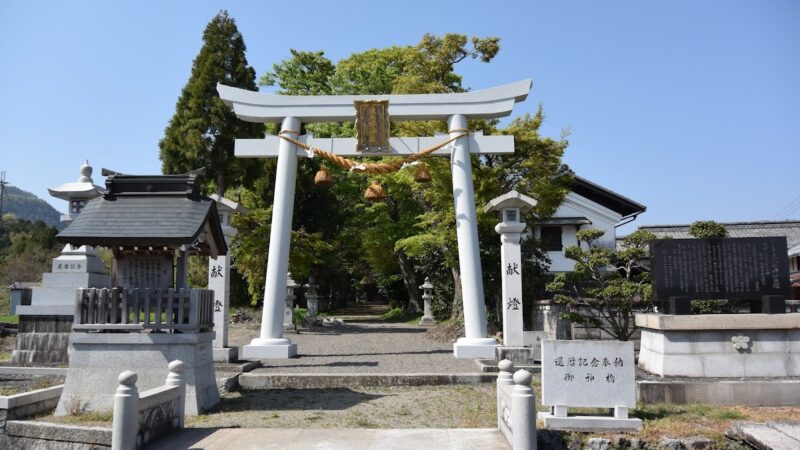
The Sanno Torii is a symbolic structure of Hiyoshi Taisha. This torii gate has a unique shape, with a triangular gable (roof) on top of a regular torii gate, and is also called a “Gassho Torii” (prayer-shaped torii).
This shape is said to represent the Taizokai and Kongokai mandalas of Buddhism, and it conveys the history of syncretism between Shinto and Buddhism. Similar torii gates can be seen at Hiyoshi, Hie, and Sanno shrines throughout Japan, and it has become a symbol of Hiyoshi Taisha-affiliated shrines.
The Belief in the Sacred Monkey (Masaru)
Hiyoshi Taisha is known for its “sacred monkeys,” and sacred monkeys are actually kept on the shrine grounds. Monkeys have long been considered auspicious animals, symbolizing protection against evil and misfortune, as their namesakes of “warding off evil” and “winning.”
In front of the East Main Shrine is the “Sacred Monkey House,” where you can see monkeys carefully kept as messengers of the gods. There are also monkey sculptures and ema (votive tablets) throughout the grounds, and the “Masaru Omamori” (Masaru charm), a monkey-themed amulet, is popular.
The area around Mount Hiei has long been home to many wild monkeys, who have been revered as messengers of the mountain gods.
Subsidiary Shrines
In addition to the West Main Shrine and East Main Shrine, Hiyoshi Taisha has many subsidiary shrines. The main ones include:
- Usa-no-miya: Dedicated to a goddess invited from Usa Jingu Shrine
- Hakusan-no-miya: Dedicated to Hakusan-hime-no-kami, invited from Hakusan-hime Shrine
- Ushio-no-miya: The inner shrine located near the summit of Mount Hiei
- Juka-no-miya: Dedicated to Kamo-Tamayori-hime-no-kami
- Sangu-no-miya: Dedicated to the fierce spirit of Kamo-Tamayori-hime-no-kami
Many of these subsidiary shrines are designated as Important Cultural Properties, and each has its own unique beliefs and blessings.
Treasure Hall
The treasure hall (storage facility) on the shrine grounds houses valuable sacred treasures, including National Treasures and Important Cultural Properties. You can see items that tell the story of Hiyoshi Taisha Shrine’s long history, such as portable shrines, ancient documents, divine statues, and crafts.
In particular, the portable shrines used in the Sanno Festival are magnificent, with their elaborate decorations, and convey the essence of festival culture to the present day.
Seasonal Scenery – Hiyoshi Taisha Shrine as a Famous Spot for Autumn Leaves
Hiyoshi Taisha Shrine in Spring
In spring, cherry blossoms bloom throughout the shrine grounds, and the beautiful season of fresh greenery begins. Especially in mid-April, the “Sanno Festival” is held, and the shrine grounds are adorned with vibrant festival events.
Summer Refreshment
The gentle murmur of the Omiya River flowing through the shrine grounds brings coolness, and the sacred area, enveloped in deep green, makes you forget the summer heat. Clear water from Mount Hiei flows constantly, giving the shrine an aspect as a water shrine.
Autumn Leaves
Hiyoshi Taisha Shrine is known as one of the best spots for autumn leaves in the Kansai region. Approximately 3,000 maple trees adorn the temple grounds, with the best viewing period being from mid-November to early December.
The autumn foliage around Omiya Bridge and along the approach to the shrine is particularly breathtaking. During the “Maple Festival,” the trees are illuminated, allowing visitors to enjoy the magical nighttime scenery. The contrast between the vermilion shrine buildings and the autumn leaves is a representative scene of Japanese autumn, captivating many photographers and tourists.
Winter Silence
The snow-covered temple grounds are enveloped in a solemn atmosphere. With fewer visitors, it’s a season for quietly strolling through the sacred grounds. On New Year’s Day, however, it becomes bustling with worshippers making their first shrine visit of the year.
Sanno Festival – One of the Three Great Festivals of the Lake Biwa Region
The most important festival of Hiyoshi Taisha Shrine is the “Sanno Festival,” held annually from April 12th to 14th. It is counted as one of the three great festivals of the Lake Biwa region and is a traditional event with a history of over 1200 years.
Festival Highlights
The highlight of the Sanno Festival is the “Mikoshi Procession,” in which seven portable shrines (mikoshi) are carried from the foot of Mount Hiei to Karasaki on the shores of Lake Biwa. Known as “the mikoshi that run through the mountains and cross the lake,” the “boat procession,” where the mikoshi actually enter Lake Biwa, is a breathtaking sight.
A variety of Shinto rituals, such as the Hanawatari Ceremony and the Yoimiyaotoshi Ritual, are performed, preserving the ancient and venerable traditions of the festival.
Benefits and Amulets
Main Benefits
Hiyoshi Taisha Shrine is believed to offer the following benefits:
- Protection from Directions and Evil Spirits: As a shrine protecting the northeast (demon gate) of Heian-kyo
- Protection from Evil Spirits: Based on the worship of the sacred monkey
- Family Safety: Divine virtue of Ōkuninushi-no-Mikoto
- Matchmaking: Faith in Ōkuninushi-no-Mikoto
- Business Prosperity: Aspect as a god of industry
- Prayer for Victory: A play on words with “masaru” (to surpass)
Popular Amulets
- Masaru Amulet: A protective amulet for evil spirits and misfortune, featuring the sacred monkey
- Protection from Directions: Amulet for protection from negative directions
- Matchmaking Amulet: An amulet for wishing for a good match
- Victory Amulet: An amulet for wishing for success in competitions and exams
Visiting Information – Access, Admission Fee, and Required Time
Basic Information
- Location: 5-1-1 Sakamoto, Otsu City, Shiga Prefecture
- Phone: 077-578-0009
- Visiting Hours: 9:00 AM – 4:30 PM
- Admission Fee: Adults 300 yen, Children 150 yen (Free areas within the grounds available)
- Closed Days: None (Open all year round)
Access
Access by Train
- Approximately 20 minutes on foot from JR Kosei Line “Hieizan Sakamoto Station”
- Approximately 10 minutes on foot from Keihan Ishiyama Sakamoto Line “Sakamoto Hieizanguchi Station”
From Kyoto Station, it’s about 20 minutes on the JR Kosei Line. From Kyoto city center, the Keihan Railway is convenient. Access from Sakamoto Hieizanguchi Station is the closest, and the approach to Hiyoshi Taisha Shrine from the station continues through the townscape of Sakamoto, making for an enjoyable stroll.
Access by Car
- Approximately 20 minutes from the Meishin Expressway “Kyoto East IC”
- Approximately 5 minutes from the Kosei Road “Sakamoto North IC”
Parking
- Hiyoshi Taisha Shrine Visitor Parking: Approximately 50 spaces (free)
- Paid parking available nearby
During peak seasons such as autumn foliage season, the parking lot may be full, so using public transportation is recommended.
Estimated Time Required for Visit
- Basic Visit: Approximately 60-90 minutes
- Thorough Visit: Approximately 2-3 hours
- Autumn Foliage Season: May require more time
The shrine grounds are vast, so if you plan to visit all the subsidiary shrines and the Treasure Hall, allow at least 2 hours.
Nearby Tourist Attractions
Sakamoto Townscape
Sakamoto, which developed as a temple town for Hiyoshi Taisha Shrine, is dotted with the satobo (retirement residences for monks) of Enryaku-ji Temple, and retains a beautiful townscape with unique stone walls called Anō-shu-zumi. It has been designated as an Important Preservation District for Groups of Traditional Buildings, making it a recommended place for a stroll.
Mount Hiei Enryaku-ji Temple
Enryaku-ji Temple on Mount Hiei can be accessed from Hiyoshi Taisha Shrine via the Sakamoto Cable Car. From the summit of Mount Hiei (848m above sea level), you can enjoy a spectacular view of Lake Biwa and visit the various halls of Enryaku-ji Temple, the head temple of the Tendai sect.
Lake Biwa
Lake Biwa, Japan’s largest lake, is about a 10-minute drive from Hiyoshi Taisha Shrine. Enjoy unique Lake Biwa sightseeing experiences such as lakeside drives and sightseeing boat cruises.
Former Chikurin-in Temple
This temple, a villa with a nationally designated scenic garden, offers beautiful garden and architecture for viewing. It’s within walking distance of Hiyoshi Taisha Shrine.
Etiquette and Manners for Visiting Hiyoshi Taisha Shrine
Proper Worship Etiquette
- Bow before passing through the torii gate.
- Purify your body and mind at the water basin.
- Walk on the path, avoiding the center.
- Bow twice, clap twice, and bow once in front of the main hall.
Photography Etiquette
Photography is generally permitted on the shrine grounds, but consideration should be given to avoid disturbing other worshippers or during religious ceremonies. Avoid using tripods during crowded times.
Attire
Please dress appropriately for visiting a shrine. The grounds are spacious and include stone steps and slopes, so comfortable walking shoes are recommended.
Cultural Property Designations at Hiyoshi Taisha Shrine
National Treasure
- East Main Shrine Main Hall
- West Main Shrine Main Hall
Important Cultural Property (Buildings)
- 28 buildings including the East Main Shrine Worship Hall, Tower Gate, and the main hall of the subsidiary shrine, Juka Shrine
- West Main Shrine Worship Hall, Tower Gate, etc.
- Hiyoshi Three Bridges (Omiya Bridge, Hashirii Bridge, Ninomiya Bridge)
National Historic Site
- Hiyoshi Taisha Shrine Grounds (approximately 400,000 square meters)
Other Cultural Properties
Numerous works of art, crafts, and ancient documents are designated as Important Cultural Properties and are on display at the Treasure Hall.
Summary – The Charm of Hiyoshi Taisha Shrine
Hiyoshi Taisha Shrine, with its history of approximately 2100 years, is a prestigious shrine located at the center of over 3800 Hiyoshi, Hie, and Sanno shrines nationwide, serving as the head shrine of the Sanno sect.
The temple boasts a collection of precious buildings, including two National Treasure main halls, a unique Hiyoshi-zukuri architectural style, a sacred monkey worship tradition, one of Japan’s oldest stone bridges, and beautiful natural scenery throughout the seasons, especially the stunning autumn foliage, which continues to captivate visitors.
Nestled at the foot of Mount Hiei, a sacred site, it has a history of guarding the northeast (demon’s gate) of Heian-kyo (Kyoto), a deep connection with Enryaku-ji Temple, and a tradition of syncretism of Shinto and Buddhism, making it an indispensable presence in the history of Japanese religion and culture.
It offers a variety of blessings, including protection from evil, warding off misfortune, and matchmaking, and traditional events such as the Sanno Festival are still observed. It is a must-see spot when sightseeing in Kyoto and Shiga prefectures.
Taking a leisurely stroll through the vast grounds, listening to the soothing sound of water, and experiencing the timeless history and tranquility of the sacred space will be a special experience away from everyday life.