Shinshoji Temple (Hamada City, Shimane Prefecture): A Thorough Explanation of its History and Charm | Access and Goshuin (Temple Seal) Information
Located in Takesako-cho, Hamada City, Shimane Prefecture, Shinshoji Temple is a valuable temple that conveys the history and culture of the region to the present day. While Shimane Prefecture boasts numerous famous shrines and temples, including Izumo Taisha, locally rooted temples like Shinshoji also play an important role in supporting Japan’s religious culture.
This article provides a comprehensive explanation of Shinshoji Temple, including its historical background, architectural features, worship etiquette, access methods, and its relationship to other temples and shrines in Shimane Prefecture.
Basic Information on Shinshoji Temple
Shinshoji Temple is located at 2682 Takesako-cho, Hamada City, Shimane Prefecture, and is officially registered in the Shimane Prefecture Religious Corporation Register. Hamada City is located in the Iwami region of western Shimane Prefecture and is known as a historic port town facing the Sea of Japan.
Location and Surrounding Environment
Takesako-cho in Hamada City is a quiet area slightly removed from the Hamada city center, blessed with a rich natural environment. Shinshoji Temple has long been a spiritual center for the local community, attracting the faith of its residents.
Hamada City is also known as the home of Iwami Kagura (a type of Shinto ritual dance), and is a region where traditional culture remains strong. Shinshoji Temple plays a part in this regional culture, holding various Buddhist services and events throughout the year.
History and Origins of Shinshoji Temple
While detailed records regarding the founding date and founder of Shinshoji Temple are currently limited, it is a historical temple officially recognized as a religious corporation in Shimane Prefecture. The Iwami region has long been a land where Buddhist culture flourished, and many temples were built there.
Buddhist Culture of the Iwami Region
Many temples were built in the Iwami region from the Heian period to the Kamakura period. Within Hamada City, there are temples of various sects, such as Kongoin Temple of the Tendai Jimon sect and Kannonin Temple of the Koyasan Shingon sect, each supporting the local faith.
Shinshoji Temple is one of these temples that inherits the tradition of Buddhist culture in the Iwami region, and has played an important role in the local community.
History and Temples of Hamada City
Hamada City flourished as a castle town of the Hamada Domain during the Edo period, and many temples and shrines were built. Even after the Meiji Restoration, it continued to develop as a cultural center of the region, and many historical buildings and cultural properties remain today.
Shinshoji Temple, as a temple that has walked hand in hand with the history of Hamada City, is a valuable presence that conveys the memory of the region to the present day.
Architecture and Grounds of Shinshoji Temple
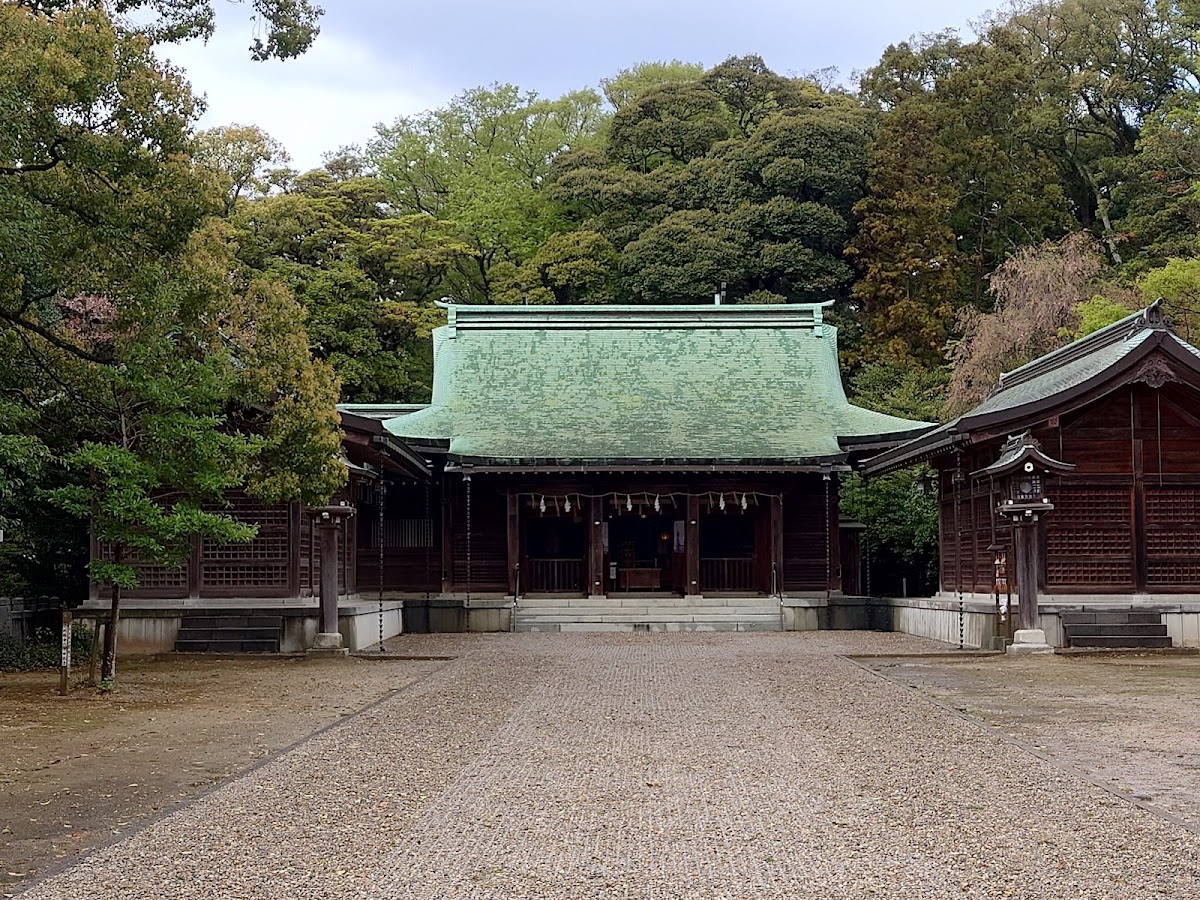
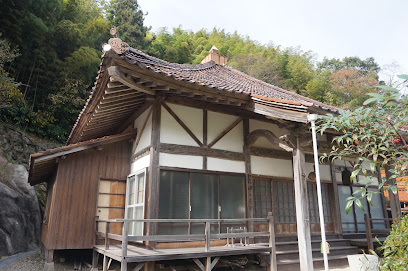
The grounds of Shinshoji Temple stand in a tranquil environment, offering peace of mind to visitors. While adhering to the style of traditional Japanese temple architecture, it is also built to suit the local climate and environment.
Main Hall and Temple Layout
The main hall, the heart of the temple, is the most important building housing the principal image of worship. While Japanese temple architecture varies depending on the sect and era, in most cases, the main hall is surrounded by the living quarters (the abbot’s quarters), bell tower, and main gate.
The grounds of Shinshoji Temple are thought to be based on this traditional temple layout, but with modifications adapted to the characteristics of the region.
Natural Environment of the Temple Grounds
Many temples in Shimane Prefecture are surrounded by a rich natural environment. The scenery of each season adorns the temple grounds, allowing visitors to feel the changing seasons. From cherry blossoms in spring, fresh greenery in summer, autumn leaves in fall, and snowscapes in winter, you can enjoy the beautiful nature of Japan.
Etiquette and Manners for Visiting a Temple
When visiting a temple, it is important to observe basic etiquette and manners. It is important to understand the unique ways of visiting a Buddhist temple, which differ from those of a Shinto shrine.
Basic Procedures for Visiting a Temple
- Bow at the Temple Gate: Before entering the temple grounds, bow at the temple gate. This shows respect to Buddha.
- Purification at the Water Basin: If there is a water basin, purify your hands and mouth. It is customary to purify the left hand, then the right hand, then the mouth.
- Worship at the Main Hall: Place your offering in front of the main hall and quietly join your hands in prayer. In temples, it is customary to quietly join your hands rather than clap.
- Bow Upon Exit: When leaving the temple grounds, turn around and bow.
Attire and Items to Bring When Visiting a Temple
Unless it is a special ceremony or event, everyday clothing is acceptable, but it is considered good manners to avoid revealing clothing. Also, photography should only be taken in designated areas, and refrain from taking pictures in areas where photography is prohibited, such as inside the main hall.
About Goshuin (Temple/Shrine Seals)
In recent years, collecting Goshuin has become a popular pastime during temple and shrine visits. Goshuin are not merely commemorative stamps; they are precious tokens bestowed by temples as proof of worship.
Meaning of Goshuin
Goshuin serve as proof of worship at a temple, and are inscribed with the principal deity, temple name, and date of visit. The combination of the red seal and ink writing is beautiful, and each temple has its own unique design.
Manners When Receiving a Goshuin
- Always worship before receiving a Goshuin.
- Prepare a Goshuincho (stamp book) (notebooks and memo pads are inappropriate).
- Check the reception hours.
- Prepare a Hatsuhoryo (offering).
- Request using polite language.
We recommend checking in advance whether Goshuin are available at Shinshoji Temple.
Access Information
Detailed information on how to access Shinshoji Temple is provided below.
Access by Public Transportation
If using JR:
- The nearest station is Hamada Station on the JR San’in Main Line.
- From Hamada Station, it is convenient to use a bus or taxi.
- If using the bus, please check the Iwami Kotsu bus routes.
If using the bus:
- Take a local bus operating within Hamada City towards Takesako-cho.
- Access is on foot from the nearest bus stop.
Access by Car
If using the expressway:
- From Hamada IC on the Hamada Expressway, take the general road.
- Take National Route 9 towards Hamada city center.
- From the city center, head towards Takesako-cho.
Parking:
We recommend checking in advance whether there is parking space on the temple grounds.
Nearby Tourist Attractions
Besides Shinshoji Temple, Hamada City has many other sights to see:
- Hamada Castle Ruins: The site of the Hamada Domain’s castle, with stone walls and other remains still standing.
- Iwami Tatamigaura: A coastal area with uniquely shaped rocks designated as a national natural monument.
- Hamada City World Children’s Art Museum: An art museum enjoyable for both children and adults.
- Iwami Kagura: A facility where you can appreciate the traditional performing art of Iwami Kagura.
Temple Culture of Shimane Prefecture
Shimane Prefecture is famous for its shrines, including Izumo Taisha, but its temple culture is also very rich. To understand Shinshoji Temple, it is important to know about the temple culture of Shimane Prefecture as a whole.
Major Temples in Shimane Prefecture
Around Matsue City:
- Gesshoji Temple: The Matsudaira family’s ancestral temple, also known for being a favorite of Lafcadio Hearn (Koizumi Yakumo)
- Senjuin Temple: A pilgrimage site of the Izumo Thirty-Three Kannon Pilgrimage
- Kezoji Temple: Famous for its garden said to have been created by Sesshu
Around Izumo City:
- Wanibuchi Temple: A mountain temple known as a sacred site of Shugendo (mountain asceticism)
- Kangokuji Temple: A pilgrimage site of the Izumo Shinto-Buddhist Pilgrimage
- Ichibata Temple: A temple revered as the Yakushi Buddha for eye ailments
Iwami Region:
- Manpukuji Temple: An ancient temple of the Jishu sect, possessing a nationally important cultural property
- Kongōin Temple: A temple of the Tendai Jimon sect (Hamada City)
- Kannonin Temple: A temple of the Koyasan Shingon sect (Hamada City)
Coexistence of Shrines and Temples
In Shimane Prefecture, a unique religious culture has developed where shrines and temples coexist. While shrines such as Izumo Taisha are famous, Buddhist temples also play an important role in the local community.
Many areas retain a strong tradition of syncretism between Shinto and Buddhism, and there is a history of shrines and temples influencing each other and developing together.
Connections to Major Shrines in Shimane Prefecture
When visiting Shimane Prefecture, we recommend visiting the major shrines in the prefecture along with Shinshoji Temple.
Izumo Taisha
Deity Enshrined: Okuninushi-no-Okami
This is a representative shrine of Shimane Prefecture and is known nationwide as the god of matchmaking. The worship hall, characterized by its huge shimenawa (sacred rope), and the magnificent main hall are breathtaking. Located in Izumo City, it attracts many worshippers throughout the year.
Yaegaki Shrine
Deity Enshrined: Susanoo-no-Mikoto, Inadahime-no-Mikoto
This shrine enshrines a married couple of deities and is known for its blessings in matchmaking. Located in Matsue City, this shrine is popular for its fortune-telling at Kagami-no-ike Pond.
Himisaki Shrine
Deities Enshrined: Amaterasu Omikami, Susanoo-no-Mikoto
This shrine is located in a scenic spot facing the Sea of Japan in Izumo City and is known as “Hishizumi-no-Miya.” It features a magnificent shrine building and beautiful vermilion-painted architecture.
Miho Shrine
Deities Enshrined: Kotoshironushi-no-Kami, Mihotsuhime-no-Mikoto
Located in Mihonoseki-cho, Matsue City, this shrine is known as the head shrine of Ebisu. There is a custom of visiting both this shrine and Izumo Taisha Shrine (“Ryomairi”).
Kumano Taisha Shrine
Deities Enshrined: Izanagi-Himanako, Kafurogi-Kumano-no-Okami, Kushimikeno-no-Mikoto
One of the Ichinomiya (first-ranked shrines) of Izumo Province, located in Yakumo-cho, Matsue City. It is an important shrine in Izumo Province, alongside Izumo Taisha Shrine.
Susa Shrine
Deity Enshrined: Susanoo-no-Mikoto
Located in Sada-cho, Izumo City, this shrine is said to be the last place where Susanoo-no-Mikoto resided. It is also a popular power spot.
Tamatsukuri-yu Shrine
Deity Enshrined: Kushimikotama-no-Kami, Oonamuchi-no-Kami, Sukunahikona-no-Kami
Located in Tamayu-cho, Matsue City, this shrine enshrines the gods of ancient jade-making culture and hot springs. It is famous for its matchmaking rituals using the wishing stone and the fulfilling stone.
Taikodani Inari Shrine
Deity Enshrined: Ukanomitama-no-Kami, Izanami-no-Mikoto
Located in Tsuwano-cho, this is one of Japan’s five major Inari shrines, and is a beautiful shrine with a thousand vermilion torii gates. As a representative shrine of the Iwami region, it attracts many worshippers.
Visiting Temples and Shrines in Hamada City
When visiting Shinshoji Temple, visiting other temples and shrines in Hamada City will allow you to gain a deeper understanding of the region’s history and culture.
Major Temples in Hamada City
Kongoin: A Tendai Jimon sect temple located in Takada-cho, Hamada City. A historical temple that attracts the faith of the local community.
Kannonin: A Koyasan Shingon sect temple located in Kyo-machi, Hamada City. It is easily accessible as it is close to the city center.
Suggested Temple and Shrine Tour Course
Here is a suggested course for visiting temples and shrines in Hamada City:
- Morning: After arriving at Hamada Station, visit Kannon-in Temple in the city center.
- Lunch: Enjoy a seafood lunch in Hamada City.
- Afternoon: After visiting Kongo-in Temple, proceed to Shinsho-ji Temple.
- Evening: Visit tourist spots such as Hamada Castle Ruins and Iwami Tatamigaura.
Annual Events and Memorial Services
Temples hold various events and memorial services throughout the year. It is believed that Shinsho-ji Temple also holds events in accordance with local traditions.
Major Buddhist Events
- New Year: Shushō-e (New Year’s memorial service)
- Spring Equinox: Higan-e (ancestor memorial service)
- Obon: Urabon-e (ancestor memorial service)
- Autumn Equinox: Higan-e
- New Year’s Eve Bell Ringing: Ringing of the bell on New Year’s Eve
For specific event dates, please contact the temple directly.
How to Enjoy Visiting Temples in Shimane Prefecture
By keeping a few points in mind when visiting temples in Shimane Prefecture, you can have a more fulfilling experience.
Pilgrimage to Sacred Sites
Shimane Prefecture has sacred sites, including the Izumo-no-kuni Shinto-Buddhist Sacred Sites, and pilgrimages visiting multiple temples and shrines are popular. While collecting Goshuin (temple/shrine stamps), you can thoroughly experience the history and culture of each temple and shrine.
Seasonal Charms
Spring: The temple grounds are beautifully adorned with cherry blossoms.
Summer: Visiting amidst the fresh greenery is a refreshing experience.
Autumn: The autumn leaves are beautiful, and temples nestled in the mountains offer particularly spectacular views.
Winter: Temples surrounded by snow are enveloped in a solemn atmosphere.
Enjoy Local Food Culture
Hamada City boasts an abundance of fresh seafood from the Sea of Japan. Nodoguro (red sea bream) is a Hamada specialty known nationwide. Enjoy local cuisine along with your temple visit.
Precautions When Visiting
Please note the following points when visiting Shinshoji Temple.
Visiting Hours
Visiting hours vary depending on the temple. Generally, daytime visits are recommended, but entry may be restricted during religious services or events.
Contact Information
For detailed information regarding visits, the availability of Goshuin (temple stamps), and event schedules, we recommend contacting the temple directly in advance.
Regarding Photography
Photography is generally permitted within the temple grounds, but photography is often prohibited inside the main hall and of Buddhist statues. Please be sure to check before taking pictures.
Consideration for Noise
Temples are places that should maintain a quiet environment. Please refrain from loud conversations and noise, and remember to be considerate of other visitors.
Summary
Shinshoji Temple, located in Takesako-cho, Hamada City, Shimane Prefecture, is a valuable temple that conveys the history and culture of the region to the present day. While not as well-known as famous shrines such as Izumo Taisha or Yaegaki Shrine, it plays an important role as a temple deeply rooted in the community.
Shimane Prefecture has not only shrines but also temples of various sects, each with its own unique history and culture. By visiting Shinshoji Temple, you can feel the depth of Shimane Prefecture’s temple culture.
When visiting Hamada City, please visit Shinshoji Temple and other local temples and shrines to experience the rich history and culture of the Iwami region. The beautiful scenery of the Sea of Japan, the fresh seafood, and the warm encounters with the local people will surely create wonderful memories.
The time spent resolving your mind through worship and reflecting on the region’s history will be a precious experience away from the hustle and bustle of modern life. We hope that Shinshoji Temple will become a spiritual haven for you and that you will have a fulfilling worship experience.