
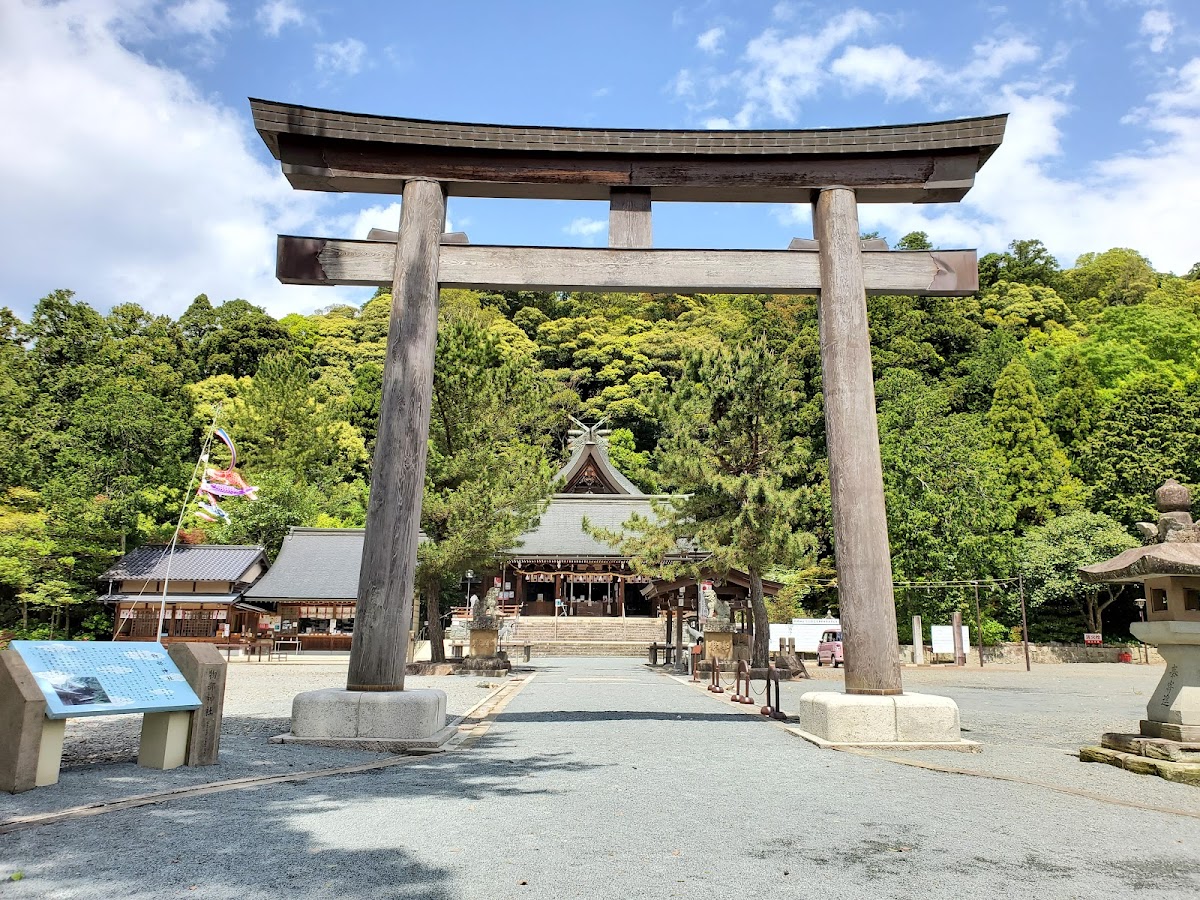
Mononobe Shrine Complete Guide | A Thorough Explanation of Deities, Blessings, Access, and History
Mononobe Shrine is an ancient shrine located in Kawai-cho, Oda City, Shimane Prefecture, and has long been revered as the Ichinomiya (first-ranked shrine) of Iwami Province. As a historically significant shrine dedicated to the ancestral deity of the Mononobe clan, and a power spot offering various blessings, it attracts many visitors.
This article provides a detailed explanation of everything you need to know before visiting Mononobe Shrine, including its enshrined deity, blessings, access methods, history, and highlights within the shrine grounds.
What is Mononobe Shrine?
Mononobe Shrine is the Ichinomiya of Iwami Province, located in Oda City, Shimane Prefecture, and enshrines Umashimaji-no-mikoto, the ancestral deity of the ancient Mononobe clan, as its main deity. It has a long history, being listed in the Engishiki Jinmyocho (a list of shrines compiled during the Heian period), and was widely worshipped as the guardian shrine of Iwami Province from the medieval to the early modern period.
Status as the Ichinomiya of Iwami Province
An Ichinomiya is the shrine with the highest rank in a given province (under its old name). Mononobe Shrine, as the Ichinomiya of Iwami Province, has long been deeply revered by the imperial court, samurai, and common people. Even today, it holds an important position as a spiritual pillar of the region and as a shrine possessing culturally significant historical assets.
Deities Enshrined at Mononobe Shrine
Main Deity: Umashimaji-no-Mikoto
The main deity enshrined at Mononobe Shrine is Umashimaji-no-Mikoto. In Japanese mythology, Umashimaji-no-Mikoto is considered the son of Nigihayahi-no-Mikoto and is known as the ancestor of the Mononobe clan.
The Mononobe clan was a powerful local family in ancient Japan, responsible for military affairs and religious rituals. Umashimaji-no-Mikoto is said to have played a crucial role in Emperor Jimmu’s eastern expedition, and for this achievement, he came to be worshipped as the ancestral deity of the Mononobe clan.
Enshrined Deities
In addition to the main deity, the following deities are enshrined at Mononobe Shrine:
- Nigihayahi-no-Mikoto: The father of Umashimaji-no-Mikoto, a deity said to have descended to earth before the descent of the heavenly grandchild.
- Futsu-no-Mitama-no-Kami: The deification of the sacred sword of Takemikazuchi-no-Kami, a god of military fortune.
Due to these deities, Mononobe Shrine is a shrine with a wide range of divine blessings, including military fortune, national peace and security, and industrial development.
Benefits of Mononobe Shrine
Mononobe Shrine is known for its diverse blessings.
Victory and Military Fortune
Because the Mononobe clan was an ancient military clan, the shrine is believed to bring blessings for victory and improved military fortune. Many athletes, students taking exams, and people praying for business success visit the shrine.
Protection from Misfortune and Disaster
It is believed that the powerful divine power of Umashimaji-no-Mikoto wards off misfortune and protects one from disaster. Many people in their unlucky years or those facing life-changing events visit this shrine.
Industrial Development and Business Prosperity
Because the Mononobe clan controlled various technologies and industries in ancient times, it is also believed that this shrine brings benefits for industrial development and business prosperity. Local business owners and entrepreneurs regularly visit this shrine.
Healing from Illness and Longevity
As a deity who protects the source of life force, it is also worshipped for healing from illness and for longevity.
Academic Achievement
Because the Mononobe clan possessed advanced knowledge and skills, it is also believed that this shrine brings benefits for academic achievement and improvement of skills.
History of Mononobe Shrine
Origin of Founding
The exact founding date of Mononobe Shrine is unclear, but according to shrine tradition, it began in the early 6th century during the reign of Emperor Keitai when a member of the Mononobe clan moved to this area and enshrined their ancestral deity.
In ancient times, the Mononobe clan was a powerful local family responsible for military affairs and religious rituals at the imperial court. However, they were defeated in a power struggle with the Soga clan at the end of the 6th century (the Teimi Rebellion), losing their influence in central politics. It is believed that some members of the Mononobe clan moved to Iwami Province at that time and enshrined their ancestral deity in this area.
From the Heian Period to the Middle Ages
The Engishiki Jinmyocho (927 AD) lists it as “Mononobe Shrine, Nima District, Iwami Province,” indicating that it was already recognized as an important shrine during the Heian period.
In the Middle Ages, it received reverence from the shugo (military governors) and jito (land stewards) of Iwami Province, who donated land and constructed shrine buildings. During the Sengoku period (Warring States period), despite the turmoil of war, it survived as a center of local faith.
From the Early Modern Period to the Present
During the Edo period, it received protection from the Hamada and Tsuwano domains, which ruled Iwami Province, and established its position as the Ichinomiya (first-ranked shrine) of Iwami Province. Under the Meiji era’s separation of Shinto and Buddhism decree and the shrine ranking system, it was ranked as a Kokuhei Shosha (national shrine of the lower rank), and in the Showa period, it became a Beppyo Jinja (special shrine).
Currently, it is cherished by local people and worshippers from all over Japan as the local tutelary shrine and the Ichinomiya of Iwami Province.
Guide to the Grounds of Mononobe Shrine
Main Hall
The main hall of Mononobe Shrine is a valuable building that conveys the architectural style of the late Edo period. It features a cypress bark roof and intricate carvings, creating a solemn atmosphere. The main hall is designated as a tangible cultural property of Shimane Prefecture and is a building of high architectural value.
Worship Hall
The worship hall, where worshippers offer their prayers, is located in front of the main hall. The spacious grounds allow for the arrival of many worshippers.
Tsuruburuishi (Crane Descending Stone)
Within the shrine grounds is a large stone called “Tsuruburuishi” (Crane Descending Stone). According to shrine tradition, when Umashimaji-no-Mikoto descended to this land, he landed on this stone riding a crane, and it is revered as a sacred stone.
Shrine Grove
The grounds of Mononobe Shrine are surrounded by a lush forest, with ancient and giant trees standing tall. This shrine grove is a natural environment formed over many years, enhancing the sacred atmosphere of the shrine.
Water Basin
A water basin for purification before worship is also provided. Please purify your hands and mouth according to the proper etiquette before worshipping.
Annual Events of Mononobe Shrine
Grand Festival
The Grand Festival, held every autumn, is the most important festival at Mononobe Shrine. Traditional Shinto rituals, such as the portable shrine procession and the dedication of Kagura (sacred dance), are performed, attracting many parishioners and worshippers.
New Year’s Visit
During the first three days of the New Year, the shrine grounds are bustling with visitors praying for safety and prosperity in the coming year. Many people visit to pray for protection from evil and for the safety of their families.
Other Festivals
- Spring Festival: A festival held in spring.
- Summer Purification Ceremony: A Shinto ritual held at the end of June to purify oneself of the impurities accumulated over the past six months.
- Year-End Purification Ceremony: A Shinto ritual held at the end of December to purify oneself of the impurities accumulated over the past year.
For detailed dates of each festival, it is recommended to inquire with the shrine or check official information before visiting.
Access to Mononobe Shrine
Location
Address: 1545 Kawai, Kawai-cho, Oda City, Shimane Prefecture 694-0011
Access by Public Transportation
Using the JR San’in Main Line:
- Approximately 10 minutes by car from JR Oda City Station, or by taxi or bus.
- Approximately 5 minutes on foot from the “Kawai” bus stop (Iwami Kotsu Bus).
Public transportation is limited, so it is recommended to check the timetable in advance.
Access by Car
Using the San’in Expressway:
- Approximately 15 minutes from Nima-Iwami Ginzan IC
- Approximately 10 minutes from Oda Chuo/Sanbe-san IC
From Hiroshima:
- Approximately 2 hours 30 minutes via National Route 9
From Matsue:
- Approximately 1 hour 30 minutes via National Route 9
Parking
Mononobe Shrine has a free parking lot for visitors. It can accommodate approximately 50 regular cars. Temporary parking lots are also opened during peak seasons such as New Year’s Day and the annual festival.
Manners and Etiquette for Visiting a Shrine
Basic Etiquette for Visiting a Shrine
- Bow before passing through the torii gate: This is a greeting before entering the sacred area.
- Walk along the edge of the approach path: The center is considered the path of the gods.
- Purify yourself at the water basin: Purify your left hand, then your right hand, then your mouth.
- Worship at the main hall: Two bows, two claps, and one bow is the basic procedure.
Regarding Attire
There are no specific dress code requirements, but it is desirable to wear clothing that reflects the sacred nature of the place. Avoid overly revealing or dirty clothing.
Regarding Photography
Photography is generally permitted within the shrine grounds, but it may be restricted inside the main hall or during religious ceremonies. If unsure, please check with the shrine office.
Items Offered and Amulets
Amulets
Mononobe Shrine offers various types of amulets.
- Victory Charm: A charm for improving luck in victory
- Exorcism Charm: A charm for warding off evil
- Health Charm: A charm for good health and longevity
- Academic Success Charm: A charm for academic achievement
- Traffic Safety Charm: A charm for traffic safety
Goshuin (Shrine Seal)
Mononobe Shrine offers Goshuin. They are available at the shrine office, and the offering fee is usually 300 yen. They are either inscribed in your Goshuin book or given as a pre-printed seal. The prestigious Goshuin of the Ichinomiya (first-ranked shrine) of Iwami Province is popular among Goshuin collectors.
Reception Hours
Normally, hours are from 9:00 AM to 5:00 PM, but these may vary depending on the season. If you want to be sure to receive a Goshuin, it is recommended to inquire in advance.
Nearby Tourist Attractions
Iwami Ginzan Silver Mine Site
Located about 20 minutes by car from Mononobe Shrine, the Iwami Ginzan Silver Mine Site, a World Heritage Site, was one of Japan’s largest silver mines, flourishing from the Sengoku period to the Edo period. Visitors can enjoy tours of the mine shafts and strolls through the historical townscape.
Mt. Sanbe
Mt. Sanbe, a famous peak representing Shimane Prefecture, is about 30 minutes by car from Mononobe Shrine. Enjoy the changing seasons through activities such as mountain climbing, hiking, and hot springs.
Yunotsu Onsen
Yunotsu Onsen, known as a World Heritage hot spring resort, is about 30 minutes by car from Mononobe Shrine. Enjoy the retro atmosphere of the hot spring town and high-quality hot springs.
Nima Sand Museum
This museum, home to one of the world’s largest hourglasses, is about 15 minutes by car from Mononobe Shrine. Enjoy exhibits themed around sand.
Best Season to Visit Mononobe Shrine
Spring (March-May)
The cherry blossoms and fresh greenery in the shrine grounds are beautiful, and the pleasant weather makes it ideal for visiting. The spring festival is also held during this time.
Summer (June-August)
The lush green shrine forest offers a refreshing atmosphere, and Shinto rituals such as the summer purification ceremony are held. However, rain gear is necessary during the rainy season.
Autumn (September-November)
Autumn, when the annual festival is held, is the busiest season at Mononobe Shrine. The autumn foliage is beautiful, making it ideal for combining worship and sightseeing.
Winter (December-February)
The shrine is crowded with many visitors during the New Year’s visit period. Snow may fall, so warm clothing and caution regarding footing are necessary.
Cultural Properties of Mononobe Shrine
Buildings
The main hall of Mononobe Shrine is designated as a Shimane Prefecture Designated Tangible Cultural Property. This valuable building preserves the architectural style of the late Edo period and is highly regarded for its architectural historical value.
Ancient Documents
Mononobe Shrine houses numerous ancient documents from the medieval to early modern periods, making them important resources for regional history research.
The Mononobe Clan and Japanese History
The Ancient Mononobe Clan
The Mononobe clan was a powerful military clan in ancient Japan, alongside the Otomo clan. They supported the military power of the imperial family and were deeply involved in Shinto rituals. Nigihayahi-no-Mikoto, considered the ancestor of the Mononobe clan, is said to have descended to earth prior to the descent of the heavenly grandchild and to have assisted Emperor Jimmu in his eastern expedition.
Conflict with the Soga Clan
At the end of the 6th century, the Mononobe and Soga clans clashed over the acceptance of Buddhism. The conflict between Mononobe Moriya and Soga Umako is known as the “Teimi Rebellion,” and the Mononobe clan’s defeat in 587 significantly weakened their influence in central politics. ### Expansion into the Provinces
After their power declined in the central government, members of the Mononobe clan scattered to various regions, establishing Mononobe Shrines in each area. The Mononobe Shrine in Iwami Province is considered one such example, and it remains an important historical site that conveys the history of the Mononobe clan.
Visitor Feedback and Reviews
Visitors to Mononobe Shrine have shared the following comments:
- “A solemn atmosphere that reflects the prestige of the Ichinomiya (first-ranked shrine) of Iwami Province.”
- “A peaceful atmosphere in the quiet grounds surrounded by abundant nature.”
- “Interesting spots that evoke mythology, such as the Crane Falling Stone.”
- “The shrine office provides courteous service.”
- “The Goshuin (shrine stamp) is beautiful and makes a great memento.”
Many visitors highly appreciate the historical value and sacred atmosphere of Mononobe Shrine.
Frequently Asked Questions
Is a Reservation Required for Visiting?
Reservations are not required for regular visits. However, if you wish to request a prayer service, it is recommended to contact the shrine office in advance.
Can I receive prayers?
Various prayers (for warding off evil, family safety, business prosperity, safety prayers, etc.) are available. If you wish to receive prayers, please apply at the shrine office. The offering fee varies depending on the prayer.
Are pets allowed?
Entry to the shrine grounds may be restricted for small dogs and other pets. It is recommended to check with the shrine in advance.
Is it possible to visit in a wheelchair?
The path from the parking lot to the main hall is relatively flat, but there are some steps. It is recommended to visit with an assistant. For details, please inquire with the shrine in advance.
Can I have a wedding ceremony here?
Shinto wedding ceremonies can be held at Mononobe Shrine. For details, please contact the shrine office directly.
Summary
Mononobe Shrine boasts a long history and prestige as the Ichinomiya (first-ranked shrine) of Iwami Province. This shrine, dedicated to the ancestral deity of the ancient Mononobe clan, is known for its diverse blessings, including good fortune, protection from evil, and industrial prosperity.
Surrounded by abundant nature, the shrine grounds boast numerous points of interest, including the historically significant main hall and the Tsuru-furi-ishi (Crane-Descending Stone), making it an ideal place to combine worship with a historical stroll. When visiting Shimane Prefecture, be sure to stop by Mononobe Shrine.
Combining a visit with nearby attractions such as the Iwami Ginzan Silver Mine and Mt. Sanbe will enhance your trip even further. It’s a valuable place to experience the history of the Mononobe clan, which dates back to ancient times, and to connect with the spiritual culture of Japan.


