Complete Guide to Hirahama Hachimangu Shrine | History, Benefits, and Access Information for Izumo’s Oldest Hachimangu Shrine
Hirahama Hachimangu Shrine is a historic shrine located in Hachiman-cho, Matsue City, Shimane Prefecture. Known as the oldest Hachimangu shrine in Izumo Province, it was formerly a prefectural shrine and is currently designated as a special shrine by the Association of Shinto Shrines. Within the shrine grounds is the Takeuchi Shrine, revered as a deity of longevity and is affectionately known as “Takeuchi-san” by locals. This article provides a detailed overview of Hirahama Hachimangu Shrine, including its history, enshrined deities, benefits, highlights of the grounds, and access information.
History and Origins of Hirahama Hachimangu Shrine
Origin of Founding and Relationship with Iwashimizu Hachimangu Shrine
The exact founding date of Hirahama Hachimangu Shrine is unknown, but records in the “Iwashimizu Documents” indicate that the Onmyōryō (Bureau of Divination) consulted the Onmyōryō (Bureau of Divination) in 1111 (Ten’ei 2) to determine the date of the shrine’s relocation. This confirms that the shrine was already established before that time. From this record, it is clear that the shrine is an ancient shrine with a history of at least 900 years.
The shrine was founded as a branch shrine of Iwashimizu Hachimangu Shrine in Kyoto. Iwashimizu Hachimangu Shrine possessed eight manors in Izumo Province, and Hirahama Hachimangu Shrine was located in Hachiman-shō, one of these manors. This deep relationship with Iwashimizu Hachimangu Shrine speaks to the high status of Hirahama Hachimangu Shrine.
As the Head Shrine of the Eight Hachiman Shrines of Izumo Province
Hirahama Hachiman Shrine later became known as the head shrine of the eight Hachiman shrines of Izumo Province. It became the central entity overseeing the eight Hachiman shrines scattered throughout Izumo Province, playing a crucial role as the cornerstone of Hachiman worship in the Izumo region. Due to this historical background, it is still revered today as the “oldest Hachiman shrine in Izumo Province.”
The Shrine Family System in the Edo Period
During the Edo period, Hirahama Hachiman Shrine was managed under the shrine family system. A shrine family was a lineage that served as Shinto priests for generations, inheriting the responsibility for the shrine’s rituals and management. Throughout this period, Hirahama Hachiman Shrine continued to develop as a center of local faith.
Developments Since the Modern Era
In the Meiji era, under the shrine ranking system, it was ranked as a prefectural shrine, establishing its position as a representative shrine of the region. Currently, it is known as a special shrine of the Association of Shinto Shrines and as the 13th pilgrimage site of the Izumo Province Shinto-Buddhist Sacred Sites. Throughout its long history, Hirahama Hachimangu Shrine has continuously attracted the faith of the local people and is still carefully preserved as an important cultural heritage of Matsue City.
Deities and Blessings
Three Main Deities
At Hirahama Hachimangu Shrine, the following three deities are enshrined as the main deities of Hachiman:
Emperor Ojin
The 15th Emperor and a central figure in Hachiman worship. He is known for his contributions to the development of Japan’s culture and industry by introducing advanced civilization from abroad. He particularly contributed to the development of agricultural and weaving techniques.
Emperor Chuai
The 14th Emperor and father of Emperor Ojin. He holds an important position in Hachiman worship along with Empress Jingu.
Empress Jingu
The Empress of Emperor Chuai and mother of Emperor Ojin. Known for the legend of the conquest of the Three Kingdoms of Korea, she is revered as a woman of exceptional bravery and strategic brilliance.
Benefits of Hirahama Hachimangu Shrine
Because the main deity, Emperor Ojin, greatly developed Japan’s culture and industry, Hirahama Hachimangu Shrine is widely worshipped as the guardian deity of education and industrial development. Specific benefits include:
- Academic success and passing exams
- Industrial development and business prosperity
- National peace and regional development
- Protection from misfortune and good fortune
- Family safety
The Charm of the Subsidiary Shrine, Takeuchi Shrine
The God of Longevity, Affectionately Known as “Takeuchi-san”
Within the grounds of Hirahama Hachimangu Shrine lies Takeuchi Shrine. The main deity is Takeuchi no Sukune, affectionately known as “Takeuchi-san” by locals.
Takeuchi no Sukune was a legendary statesman who served five emperors: Emperor Keiko, Emperor Seimu, Emperor Chuai, Emperor Ojin, and Emperor Nintoku. Due to legends that he lived to be over 280 years old, he is deeply revered as a god of longevity.
Benefits of Takeuchi Shrine
Takeuchi Shrine is believed to offer the following benefits:
- Longevity
- Healing from illness
- Prayer for good health
- Traffic safety
- Good fortune and protection from evil
The benefit of longevity is particularly well-known, attracting many worshippers from both within and outside Shimane Prefecture. In recent years, it is said that Takeuchi Shrine, a subsidiary shrine within the grounds of Hirahama Hachimangu Shrine, has become even more famous, demonstrating the strong faith it enjoys.
Highlights and Facilities on the Grounds
Shrine Architecture
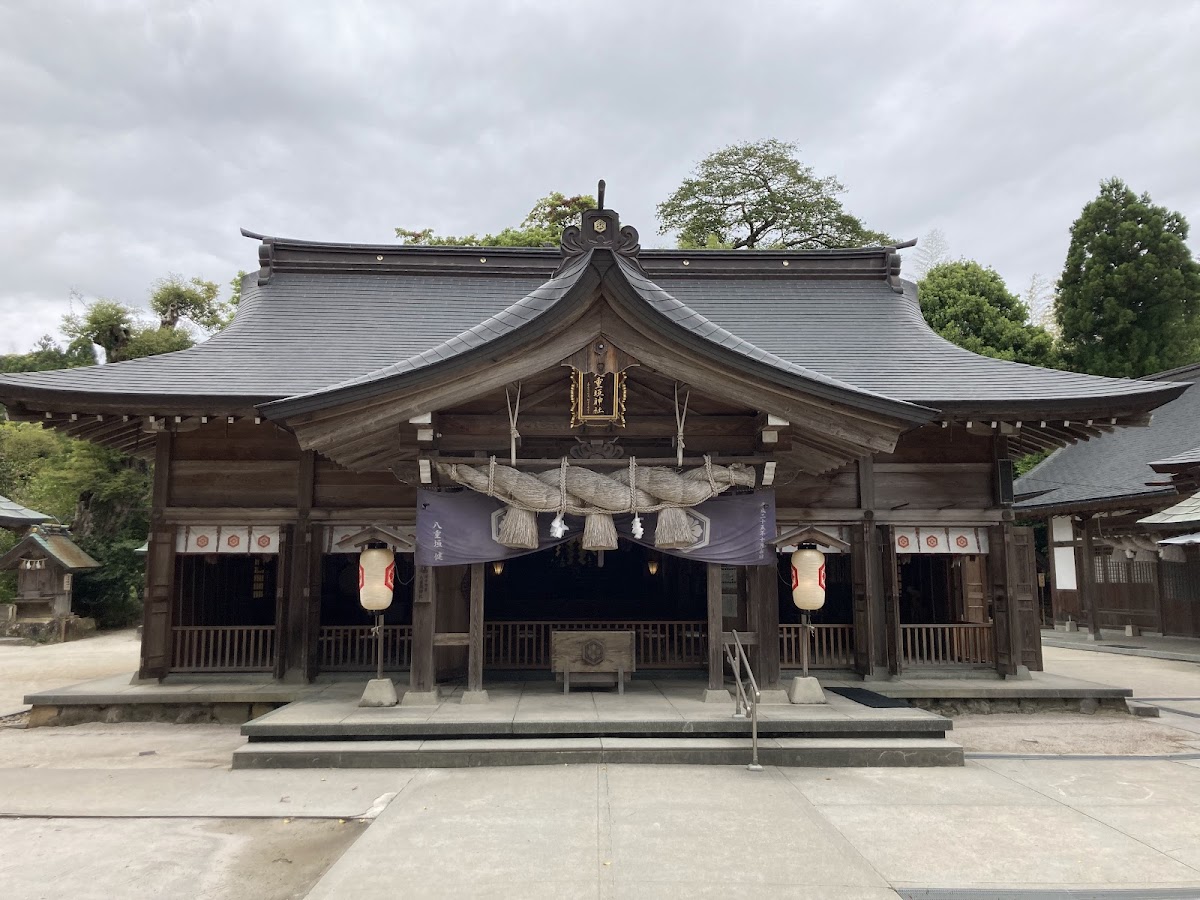
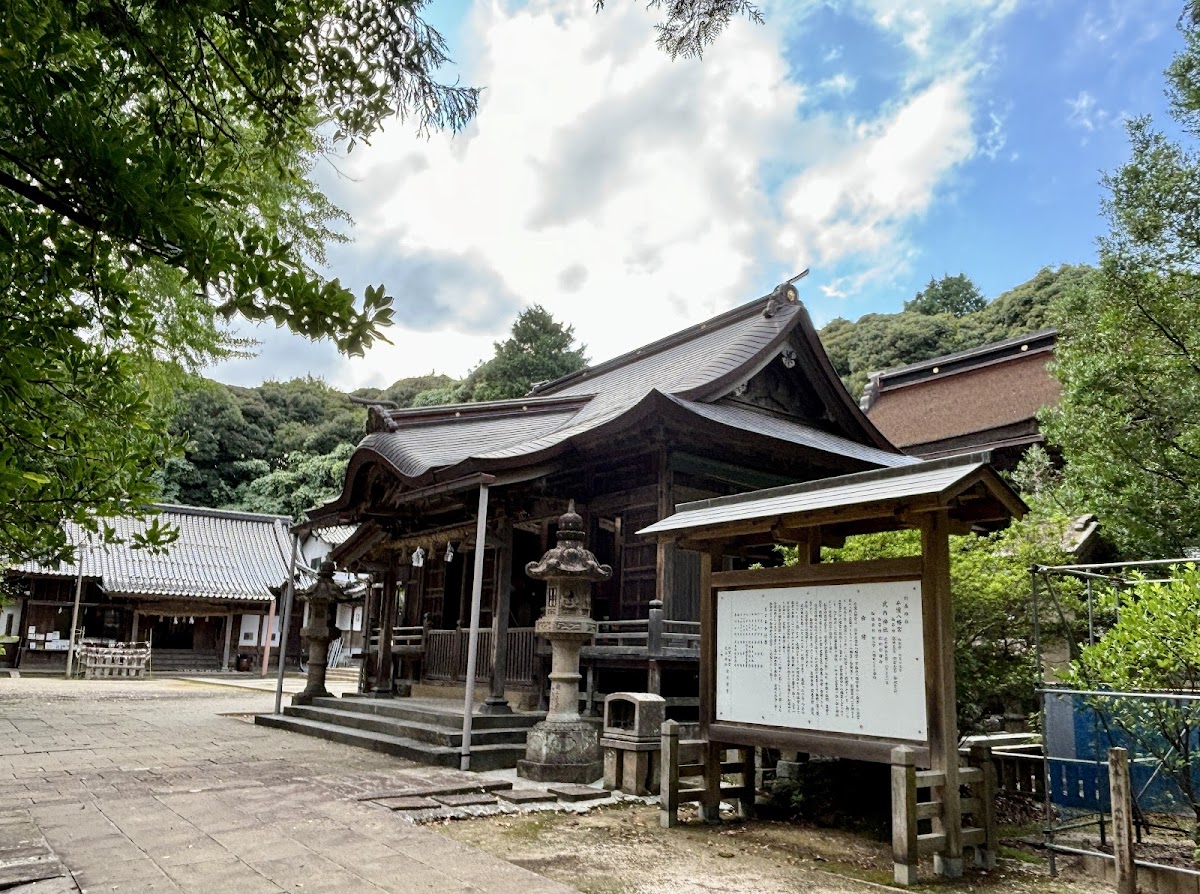
The shrine buildings of Hirahama Hachimangu Shrine exhibit a majestic presence that reflects its long history. Both the main shrine and the worship hall preserve traditional Shinto architecture, welcoming visitors with a solemn atmosphere.
Atmosphere of the Shrine Grounds
The spacious grounds feature two large shrines, Hirahama Hachimangu and Takeuchi Shrine, standing side by side, creating a unique landscape. Mature trees flourish within the grounds, maintaining a tranquil space despite its urban location.
Points to Note When visiting Hirahama Hachimangu, it is recommended to first pay respects at the main shrine, which enshrines the principal deity, and then visit the Takeuchi Shrine, a subsidiary shrine within the grounds. Each shrine offers different blessings, so visiting both will make your visit more fulfilling.
Annual Events and Festivals
Hirahama Hachimangu holds various festivals throughout the year. These festivals are important events that have been preserved and passed down through generations by the local people over a long history.
The main annual events include the New Year’s Day Festival, the Spring Grand Festival, and the Autumn Grand Festival, with solemn Shinto rituals appropriate to each season being performed. The shrine is particularly lively with many parishioners and worshippers during the Grand Festivals.
Goshuin Information
Hirahama Hachimangu Shrine offers Goshuin (shrine stamps). You can receive a Goshuin as a memento of your visit, and also as a stamp commemorating your visit as the 13th sacred site of the Izumo Province Shinto-Buddhist Pilgrimage. Goshuin are available at the shrine office and are popular as souvenirs for visitors.
Those wishing to receive a Goshuin should visit the shrine office after their visit. Please note that the shrine office’s operating hours may vary depending on the day, so it is recommended to check in advance if you wish to be sure to receive a Goshuin.
Access and Transportation Information
Location
Address: 303 Hachiman-cho, Matsue City, Shimane Prefecture
Access by Public Transportation
By JR
- Approximately 15 minutes on foot from JR San’in Main Line “Higashi-Matsue Station”
- Take a bus or taxi from JR Matsue Station
By Bus
- Take an Ichibata Bus from Matsue Station, get off at the “Hachiman-cho” bus stop, and walk for a few minutes
Access by Car
- Approximately 15 minutes from San’in Expressway “Matsue-Nishi IC”
- Approximately 10 minutes from the center of Matsue City
There is parking available on the grounds or in the surrounding area, so you can visit by car. However, on days when congestion is expected, such as during festivals, we recommend using public transportation.
Nearby Tourist Attractions
Hirahama Hachimangu Shrine is located in Matsue City, so there are many tourist attractions in the surrounding area.
- Matsue Castle: A famous castle with an existing keep designated as a National Treasure.
- Matsue Horikawa Pleasure Boat: Enjoy the atmosphere of the castle town from the water.
- Lafcadio Hearn Memorial Museum: A museum dedicated to the author known for “Kwaidan.”
- Shimane Prefectural Museum of Art: A museum located on the shores of Lake Shinji.
By combining a visit to Hirahama Hachimangu Shrine with a sightseeing plan that allows you to fully enjoy the history and culture of Matsue, you can create a truly enriching experience.
Hirahama Hachimangu Shrine as a Power Spot
Hirahama Hachimangu Shrine is known as one of Shimane Prefecture’s leading power spots. In particular, the Takeuchi Shrine within the grounds is a powerful spiritual spot for longevity and healing, attracting many visitors from both within and outside the prefecture.
The weight of history as the oldest Hachiman shrine in Izumo Province, its status as a sub-shrine of Iwashimizu Hachiman Shrine, and the presence of Takeuchi Shrine, which enshrines Takeuchi no Sukune, the god of longevity, all combine to create a sacred atmosphere throughout the grounds.
For those who wish for good health and longevity, those who pray for academic or professional success, and those seeking mental and physical refreshment, Hirahama Hachiman Shrine is a place that offers quiet strength to people of all purposes.
Etiquette and Manners for Visiting
When visiting Hirahama Hachiman Shrine, please observe the following basic manners.
Basic Etiquette for Visiting a Shrine
- When passing through the torii gate: Bow before entering the shrine grounds.
- Purification at the water basin: Purify your left hand, right hand, and mouth in that order.
- Worship: Worship using the two bows, two claps, and one bow ritual.
- Behavior within the shrine grounds: Be quiet and respectful.
Regarding Photography
Photography is generally permitted within the shrine grounds, but it should be refrained from during festivals and religious ceremonies. Also, please be considerate of other visitors.
Summary: The Charm of Hirahama Hachimangu Shrine
Hirahama Hachimangu Shrine is a historic shrine boasting over 900 years of history, as the oldest Hachimangu shrine in Izumo Province, founded before the second year of Ten’ei (1111). This prestigious shrine originated as a sub-shrine of Iwashimizu Hachimangu Shrine and developed into the head shrine of the eight Hachimangu shrines in Izumo Province. Currently, it holds the former rank of a prefectural shrine and the status of a special shrine.
It enshrines Emperor Ojin, Emperor Chuai, and Empress Jingu as its main deities, and is revered as the guardian deity of education and industrial development. Furthermore, the Takeuchi Shrine within the grounds is widely known as a deity of longevity and is affectionately called “Takeuchi-san.”
Despite being located in the urban area of Hachiman-cho, Matsue City, the shrine grounds maintain a tranquil atmosphere and are popular as a power spot, attracting worshippers with various wishes for health, longevity, academic success, business prosperity, and more.
Its convenient location within walking distance of JR Higashi-Matsue Station is another attractive feature. Visiting it in conjunction with nearby tourist attractions such as Matsue Castle and the Horikawa River cruise will allow you to enjoy a more fulfilling Matsue sightseeing experience.
Hirahama Hachimangu Shrine preserves the history and culture of Izumo Province. We encourage you to visit and experience the sacred atmosphere that has been nurtured by its long history.