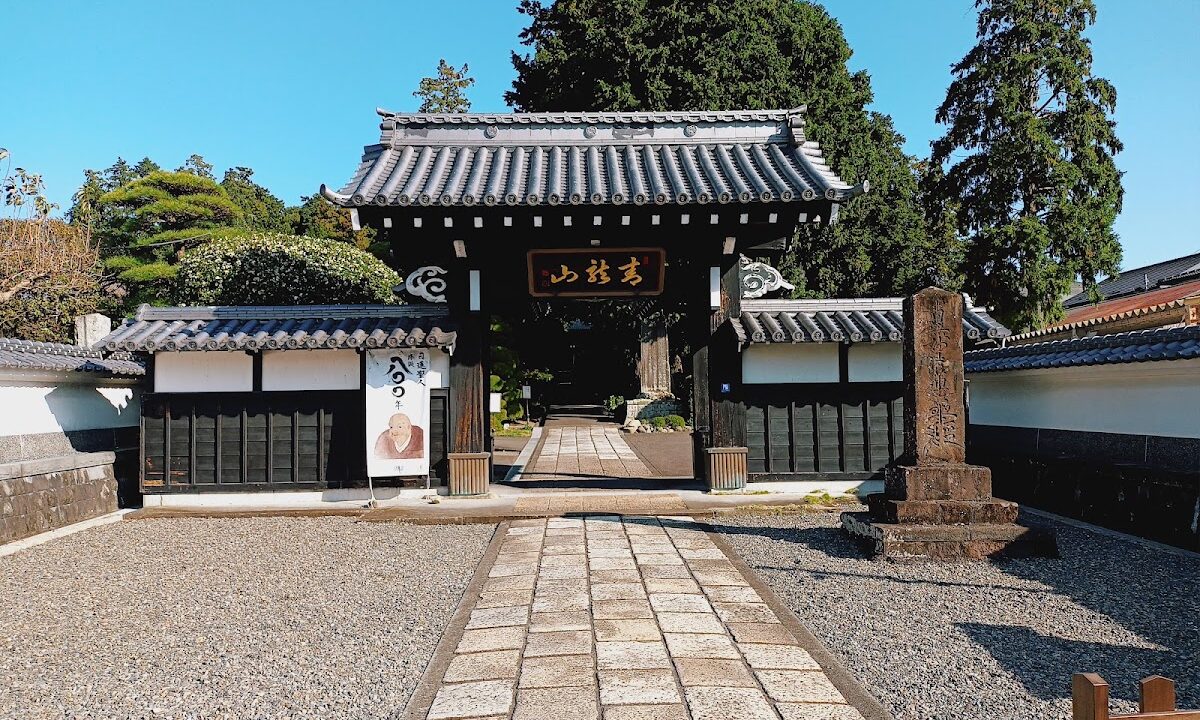
Seiryuzan Honkakuji Temple (Shizuoka Prefecture) Complete Guide | History, Highlights, Goshuin (Temple Seal), and Access Information
Located in Ikeda, Suruga-ku, Shizuoka City, Shizuoka Prefecture, Seiryuzan Honkakuji Temple is a renowned temple boasting a history of over 700 years as a head temple (historically significant temple) of the Nichiren sect. A large camphor tree over 800 years old welcomes visitors, and historical buildings dating back to the Kamakura period are scattered throughout the grounds. Honkakuji Temple is one of Shizuoka’s representative temples, attracting many followers.
This article comprehensively introduces information useful for those planning a visit, including the detailed history of Honkakuji Temple, highlights of the grounds, annual events, goshuin information, and detailed transportation access.
About Honkakuji Temple
Seiryuzan Honkakuji Temple is a head temple of the Nichiren sect, founded by Nichii Shonin, a senior priest and direct disciple of Nichiren Daishonin. Its official name is “Seiryuzan Honkaku-ji,” and the mountain name “Seiryuzan” reflects the temple’s status and history.
Currently located at 1379 Ikeda, Suruga-ku, Shizuoka City, Shizuoka Prefecture, it sits west of Nihondaira and Kunozan, making it easily accessible from Shizuoka city center. As the head temple of the Nichiren sect, it is an important religious center in the central Shizuoka region and has a history of having many branch temples.
The temple’s most striking feature is the enormous camphor tree, said to be 800 years old, that greets visitors at the entrance to the temple grounds. This large camphor tree is visible from afar and is a beloved symbol of Honkaku-ji Temple among the local people. Its beautiful form, with branches extending in all directions, symbolizes the dignity of a temple with a long history.
History and Background of Honkaku-ji Temple
From Founding to the Kamakura Period
The history of Honkaku-ji Temple dates back to the late Kamakura period. The temple’s origins are traced back to 1288 (Shoō 1), when Nichii Shōnin, a senior disciple of Nichiren Daishōnin, established a small hermitage in Nakano-gō, Iwabuchi, Shimizu Ward, Shizuoka City (present-day Shizuoka City). This hermitage became the predecessor of the current Tōkaku-ji Temple.
Nichii Shōnin was one of Nichiren Daishōnin’s important disciples, known as a “Chūrōsō” (middle-ranking monk), and held the official position of Jibu-kō Shōyū Ajari (Junior Assistant Minister of Civil Affairs). His grandmother, Myōi Nichizen-ni, is known as an important figure in the history of the Nichiren sect.
In 1294 (Einin 6), Nichii Shōnin moved the temple to Miyagasaki in Fuchū (present-day central Shizuoka City). At this time, Shizuoka was developing as the center of Suruga Province, and the move is thought to have been aimed at spreading the teachings to a larger number of followers.
Relocation to Ikeda and Official Founding
In 1307 (Tokuji 2), the temple received the Ikeda district from the then-local lord, and the following year, 1308 (Tokuji 3), it founded a temple at its current location in Ikeda. This is considered the official founding of Seiryuzan Honkaku-ji Temple.
The Ikeda area was blessed with abundant water resources and was conveniently located near the center of Shizuoka, making it ideal for the temple’s development. Shortly after its founding, in 1321 (Genko 1), the main Buddha hall was constructed, and the temple complex was developed.
Development during the Edo Period
During the Edo period, Honkaku-ji Temple deepened its relationship with the Tokugawa family and prospered as a central temple of the Nichiren sect in Suruga Province. In 1720 (Kyoho 5), the Konpira Hall was built, and the development of the various halls that continue to this day progressed.
During this period, Honkaku-ji Temple, as the head temple overseeing many branch temples, played a crucial role in governing Nichiren Buddhist temples in the central Shizuoka Prefecture region.
Fire and Reconstruction in the Meiji Era
In 1873 (Meiji 6), Honkaku-ji Temple faced a major ordeal. After the Meiji Restoration, ronin (masterless samurai) who had served the Tokugawa family were lodging at Honkaku-ji Temple, and a fire caused by their actions resulted in the destruction of many of its buildings.
However, thanks to the fervent faith and efforts of the temple’s parishioners, the main hall and other major buildings were rebuilt. This reconstruction shaped the current appearance of Honkaku-ji Temple. The temple grounds, where historical buildings such as the main Buddha Hall and Konpira Hall, which escaped the fire, harmonize with buildings rebuilt during the Meiji period, convey the temple’s long history.
Honkaku-ji Temple in the Modern Era
Currently, Honkaku-ji Temple continues to be a central center of faith in the region as a historically significant head temple of the Nichiren sect. Through regular memorial services and events, we deepen our ties with our parishioners and dedicate ourselves to the preservation of historical buildings and their transmission to future generations.
Highlights and Main Buildings within the Temple Grounds
The 800-Year-Old Camphor Tree
The first thing visitors to Honkaku-ji Temple see is the gigantic camphor tree towering at the entrance to the temple grounds. It is said to be 700 or even 800 years old, and is believed to have taken root in this area even before the founding of Honkaku-ji Temple.
Its beautiful form, with branches extending evenly in all directions, was formed over many years. Its trunk circumference is several meters, and its presence is overwhelming. Because this camphor tree can be used as a landmark to locate Honkaku-ji Temple from afar, it also functions as a local landmark.
Camphor trees have been considered sacred trees since ancient times and are often planted at temples and shrines. The camphor tree at Honkaku-ji Temple has watched over countless worshippers throughout its long history.
Temple Gate
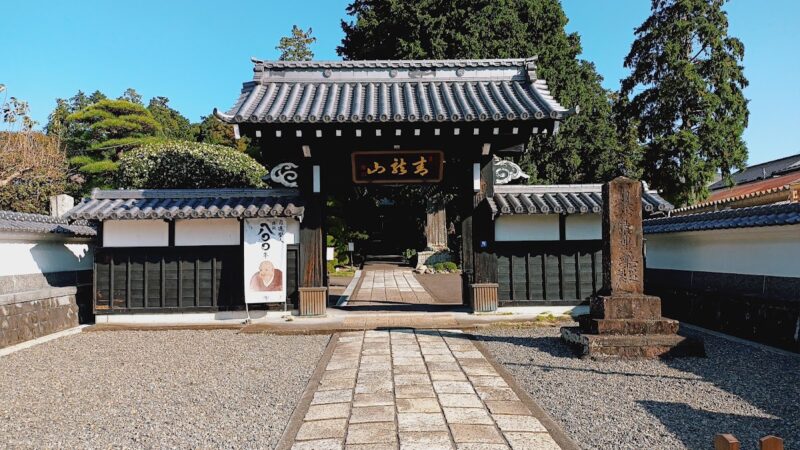
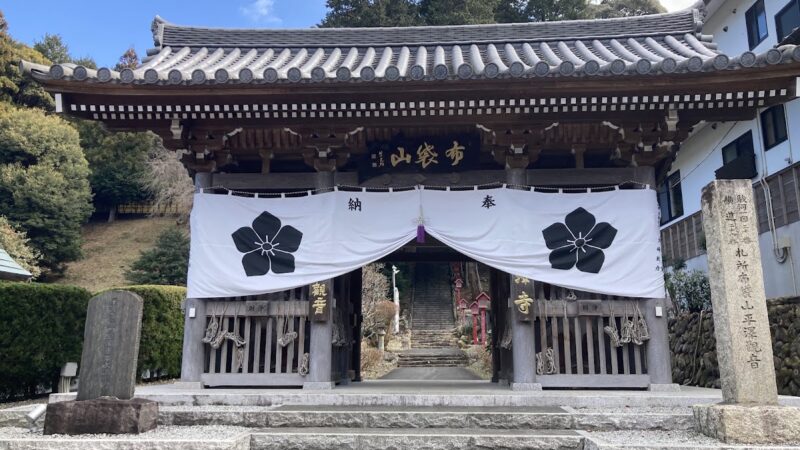
After passing the large camphor tree, visitors are greeted by the temple gate of Honkaku-ji Temple. The temple gate is an important structure marking the boundary of the temple grounds; passing through it signifies entering a sacred space from the secular world.
The structure and decoration of the temple gate reflect the characteristics of a Nichiren Buddhist temple, making it an interesting building from an architectural perspective. Passing through the gate, the main hall comes into view straight ahead, and to the left, the entire temple grounds, with its historical buildings, unfolds.
Main Hall
Located directly in front after passing through the temple gate, the main hall is the central building of Honkaku-ji Temple. Rebuilt after a fire in 1873 (Meiji 6), it retains a magnificent structure that follows the traditional style of temple architecture.
The principal image is enshrined inside the main hall, where daily services and religious ceremonies are held. The interior decorations and Buddhist implements are also impressive, conveying the dignity of a Nichiren Buddhist temple.
Main Buddha Hall
Located to the left of the main hall, the Main Buddha Hall is the oldest building at Honkaku-ji Temple, built in 1321. With a history of over 700 years since its founding, it is a valuable cultural asset that miraculously survived the fire of 1873 (Meiji 6).
The Main Buddha Hall, which preserves the architectural style of the late Kamakura and Nanboku-cho periods, holds significant architectural historical value. Important Buddhist statues are enshrined inside, making it the core building of Honkaku-ji Temple’s faith.
Konpira Hall
The Konpira Hall, built in 1720 (Kyoho 5), is also a historical building that, like the Main Buddha Hall, survived the Meiji-era fire. It is a valuable building that preserves the architectural style of the mid-Edo period and enshrines Konpira-gu.
Konpira worship is a folk belief that spread throughout Japan during the Edo period, and is believed to bring blessings such as maritime safety and business prosperity. The Konpira Hall at Honkaku-ji Temple also attracts the fervent devotion of its parishioners, and a Konpira Shrine festival is held on the 10th of every month.
Other Halls
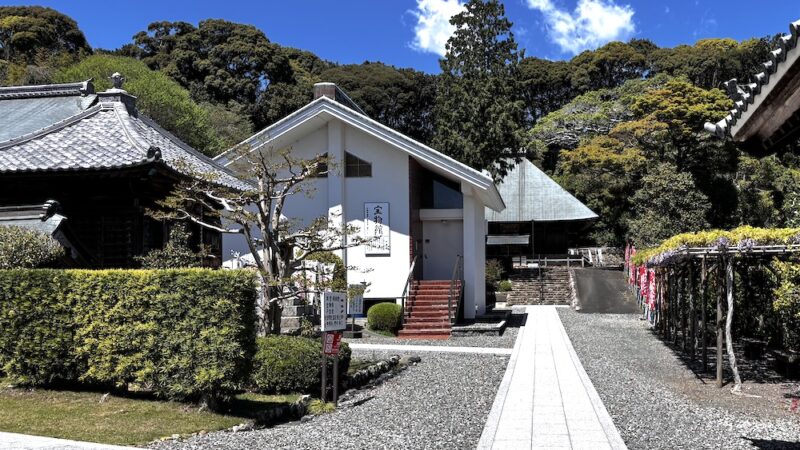
Besides the main hall, main Buddha hall, and Konpira Hall, numerous other historical halls are scattered throughout the temple grounds. These buildings are important legacies that tell the story of the religious and cultural role that Honkaku-ji Temple has played throughout its long history.
The overall layout of the temple grounds follows the traditional layout of Nichiren Buddhist temples, offering many lessons from the perspective of religious architecture.
Cultural Properties
Honkaku-ji Temple houses many valuable cultural properties that have been preserved and passed down through its long history.
Buildings
As mentioned above, the main Buddha hall, built in 1321 (Genko 1), and the Konpira Hall, built in 1720 (Kyoho 5), are representative cultural properties of Honkaku-ji Temple. These are indispensable architectural heritage sites when discussing the history of Shizuoka City.
Buddhist Statues and Artifacts
The main hall and main Buddha hall house Buddhist statues and artifacts created from the Kamakura period to the Edo period. These include a mandala principal image, characteristic of Nichiren Buddhist temples, and items related to successive high-ranking priests.
Ancient Documents and Records
Ancient documents recording the temple’s history are also important cultural assets. They are valuable historical materials that provide insight into the temple’s transformation from its founding to the present day, its relationship with parishioners, and its connection to the local community.
Annual Events
Hongaku-ji Temple holds annual events based on the traditions of the Nichiren sect. These events are central to the religious lives of parishioners and attract many visitors.
Main Annual Events
January
- New Year’s Day Ceremony: A Buddhist service to welcome the new year and pray for peace throughout the year.
February
- Setsubun Ceremony: A Buddhist service held on Setsubun (the day before the beginning of spring), including events such as bean-throwing. March
- Shakyamuni Buddha’s Nirvana Ceremony: A memorial service commemorating the passing of Shakyamuni Buddha.
- Spring Equinox Ceremony: An ancestral memorial service held during the spring equinox.
April
- Shakyamuni Buddha’s Birthday Ceremony: A flower festival celebrating the birth of Shakyamuni Buddha.
May
- Founder’s Ceremony: A memorial service commemorating the founder, Nichii Shonin.
July
- Founding Ceremony: A memorial service commemorating the establishment of the Nichiren sect by Nichiren Daishonin.
August
- Obon Festival and Temple Segaki Ceremony: An ancestral memorial service and Segaki ceremony held during the Obon period.
September
- Ryūnokuchi Persecution Memorial Service: A memorial service commemorating the persecution Nichiren Daishonin faced at Ryūnokuchi.
- Autumn Equinox Service: An ancestral memorial service held during the autumn equinox.
October
- Oeshiki Memorial Service: One of the most important memorial services commemorating the passing of Nichiren Daishonin.
Monthly Events
- 10th of Every Month: Konpira Shrine Festival
- 13th of Every Month: Shingyo-kai (Founder’s Memorial Service)
These events are open to both temple members and general visitors. Larger services, such as the Oeshiki Memorial Service, attract many visitors.
About Goshuin and Goshudai (Temple Seals)
At Honkaku-ji Temple, you can receive a Goshuin or Goshudai as proof of your visit.
Features of the Goshuin (Temple Seal)
The Goshuin of Honkaku-ji Temple features the temple’s mountain name, “Seiryu-zan,” and its name, “Honkaku-ji,” written in ink. It is characterized by a powerful brushstroke that reflects the prestige of a head temple of the Nichiren sect.
About Goshudai (Inscriptions)
At Nichiren sect temples, you can receive a “Goshudai” (inscription) with the mantra “Namu Myoho Renge Kyo.” At Honkaku-ji Temple, you can receive a Goshudai if you bring your Goshudai book.
Goshuin and Goshudai can be requested at the main hall or the temple office. When visiting, it is customary to first pay your respects at the main hall before requesting a Goshuin.
Reception Hours and Notes
The reception hours for Goshuin and Goshudai are generally from 9:00 AM to around 4:00 PM, but this may not be possible during religious services or events. If you want to be sure to receive one, it is recommended to call in advance to confirm.
Contact Information: 054-262-3478
Access
Detailed directions to Seiryuzan Honkakuji Temple are provided below.
Location
Address: 1379 Ikeda, Suruga-ku, Shizuoka City, Shizuoka Prefecture 422-8005
Phone: 054-262-3478
Access by Train
Using the JR Tokaido Main Line
The nearest station is JR Higashi-Shizuoka Station.
- Walking distance from Higashi-Shizuoka Station: Approximately 15-20 minutes
- Exit the south exit of the station, head towards National Route 1, and proceed towards Ikeda. The large camphor tree is a landmark, making it a relatively easy route to follow.
From Shizuoka Station: It’s one stop (approximately 3 minutes) to Higashi-Shizuoka Station.
Access by Bus
Using Shizutetsu Justline
If you are taking a bus from Shizuoka Station, Shizutetsu Justline buses are convenient.
- Board at Shizuoka Station South Exit Bus Terminal
- Take buses such as the “Ikeda,” “Higashi-Otani,” or “Miwa-Otani Line”
- Get off at the “Ikeda” bus stop and walk for about 5 minutes.
Bus schedules vary depending on the time of day, so we recommend checking the Shizutetsu Justline official website or timetable in advance.
Access by Private Car
Using the Tomei Expressway
- Approximately 15 minutes from Shizuoka IC
- After exiting the IC, head towards National Route 1 and proceed towards Ikeda.
Using the Shin-Tomei Expressway
- Approximately 20 minutes from Shin-Shizuoka IC
- After exiting the IC, head towards Shizuoka city center.
Parking
There is a parking lot for visitors on the temple grounds, but spaces are limited. During major memorial services and events, congestion is expected, so we recommend using public transportation.
For information regarding parking availability and other details, we recommend contacting the temple in advance.
Access Points
- Landmark: The Great Camphor Tree: The 800-year-old camphor tree, visible from afar, is a landmark of Honkaku-ji Temple.
- Nearest Station: Higashi-Shizuoka Station is the closest and most convenient station for train travel.
- Bus is also a convenient option: Buses are also available from Shizuoka Station.
- Car Navigation Setting: You can search using the address “1379 Ikeda, Suruga-ku, Shizuoka City” or the phone number “054-262-3478”.
Manners and Precautions for Visiting the Temple
Basic Manners for Visiting the Temple
Honkaku-ji Temple is a head temple of the Nichiren sect. Please observe the following points when visiting the temple.
- Bow at the Temple Gate: Please bow before entering through the temple gate.
- Respectful Respect: Please behave quietly within the temple grounds and avoid disturbing other visitors.
- Photography: It is advisable to obtain permission in advance before taking photographs of buildings or Buddha statues.
- Dress Code: While there are no strict regulations, please dress appropriately and respectfully for a temple.
Visiting Hours
Entry to the temple grounds is generally possible during the day, but viewing the main hall and receiving Goshuin (temple stamps) are only permitted from 9:00 AM to around 4:00 PM. Restrictions may apply during religious services and events, so it is recommended to check in advance if you wish to visit.
Nearby Attractions
Many of Shizuoka’s leading tourist spots are located around Honkaku-ji Temple.
Kunozan Toshogu Shrine
Kunozan Toshogu Shrine, located about 15 minutes by car from Honkaku-ji Temple, is a national treasure building dedicated to Tokugawa Ieyasu. Many visitors combine their visit to Honkaku-ji Temple with a visit to Nihondaira.
Nihondaira
Nihondaira, a scenic spot offering panoramic views of Shizuoka City, is also nearby. It’s about a 20-minute drive from Honkaku-ji Temple.
Shizuoka Sengen Shrine
Shizuoka Sengen Shrine, the guardian shrine of Shizuoka City, is also about a 10-minute drive from Honkaku-ji Temple.
Summary
Seiryuzan Honkaku-ji Temple, a head temple of the Nichiren sect with a history of over 700 years, is one of Shizuoka Prefecture’s leading ancient temples. It boasts numerous attractions, including an 800-year-old camphor tree, a main Buddha hall built during the Kamakura period, and a Konpira hall from the Edo period.
It’s easily accessible from Shizuoka city center, within walking distance of JR Higashi-Shizuoka Station, and also accessible by bus. Various religious services and events are held throughout the year, and temple stamps (Goshuin) and calligraphic works (Goshudai) are available.
When you visit Shizuoka, be sure to stop by Honkaku-ji Temple and experience the tranquil atmosphere nurtured by its long history and its beautiful grounds. Taking a deep breath beneath the large camphor tree will allow you to forget the hustle and bustle of everyday life and enjoy a peaceful moment.