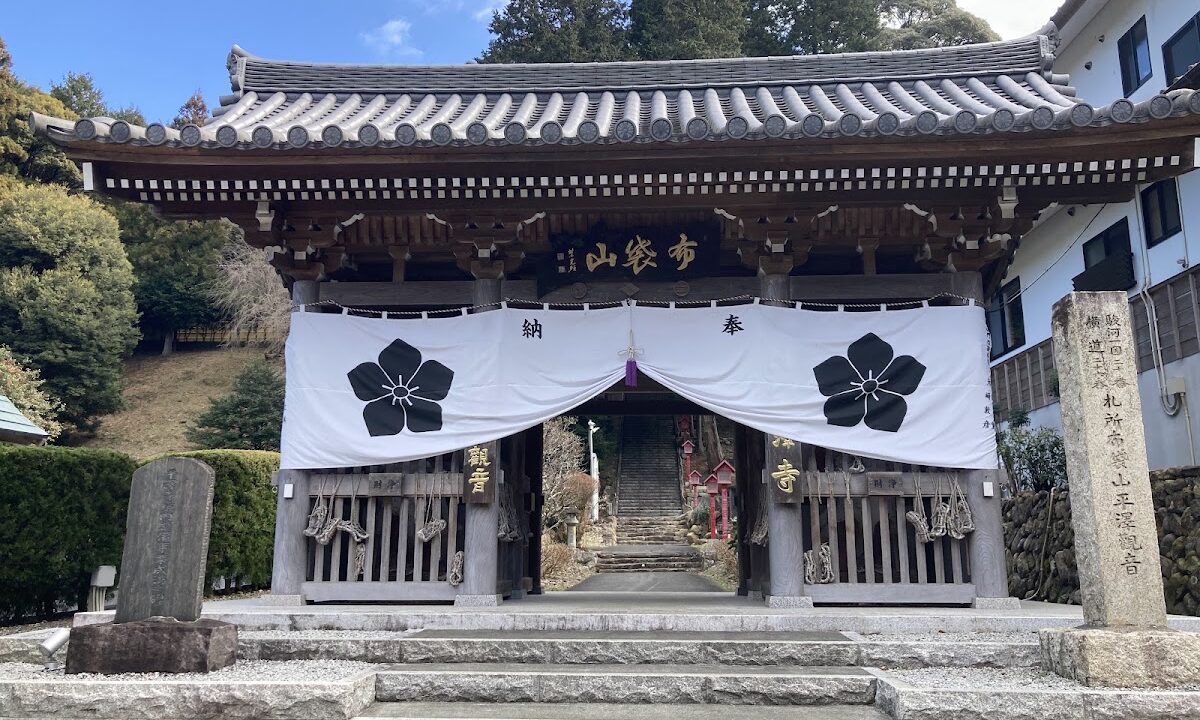
Hirasawa Kannon Heitakuji Temple (Shizuoka Prefecture) Complete Guide | History, Goshuin (Temple Seal), Access, and Annual Events Explained in Detail
Hirasawa Kannon Heitakuji Temple, nestled at the foot of Nihondaira Mountain in Suruga Ward, Shizuoka City, is an ancient temple of the Shingon Chizan sect with a history of approximately 1300 years. Founded by the monk Gyoki, it is a venerable temple with a legend related to the prayer for the recovery of Emperor Shomu from illness, and is cherished by the local people. This article comprehensively covers everything you need to know before visiting Heitakuji Temple, from its history and goshuin (temple seal) to annual events and access methods.
Basic Information about Heitakuji Temple
Heitakuji Temple is a Shingon Chizan sect temple located at 50 Hirasawa, Suruga Ward, Shizuoka City, Shizuoka Prefecture, and is widely known as “Hirasawa Kannon.”
Basic Data
- Official Name: Heitakuji Temple
- Common Name: Heitaku Kannon
- Sect: Shingon-shu Chizan-ha
- Founder: Kobo Daishi Kukai
- Principal Image: Senju Kannon, Enmei Jizo Bodhisattva
- Founding: Wado era (708-715)
- Founding Priest: Gyoki Shonin
- Sacred Site: Abe Seven Kannon Pilgrimage Site, Suruga Province No. 20, Yokomichi No. 26
- Address: 50 Heitakuji, Suruga-ku, Shizuoka City, Shizuoka Prefecture 422-8003
- Corporate Number: 8080005000591
Located at the foot of Nihondaira Mountain, surrounded by lush greenery and a quiet environment, it is easily accessible from the Prefectural Art Museum Station.
History and Origins of Hirasawa-ji Temple
Founded during the Wado Era
The history of Hirasawa-ji Temple dates back to the Wado era (708-715). It is said that when Gyoki Shonin, a renowned high priest of the Nara period, stopped in Hirasawa, Abe District, Suruga Province, he carved a Jizo Bodhisattva statue over 5 shaku (approximately 135 cm) tall and built a thatched hut to enshrine it, marking the beginning of the temple.
Gyoki Shonin is known for spreading Buddhism throughout Japan and for his contributions to social projects such as bridges, roads, and irrigation facilities. The founding of Hirasawa-ji Temple is thought to have been part of Gyoki Shonin’s missionary activities.
Legend of Prayers for Emperor Shomu’s Recovery
A noteworthy event in the history of Hirasawa-ji Temple occurred in the second year of the Yoro era (718). Because the 18-year-old son of Empress Gensho, the future Emperor Shomu, fell ill, Gyoki Shonin visited Suruga Province again to pray for his recovery. Gyōki Shōnin carved seven statues of Kannon Bodhisattva in Hirasawa and enshrined them in six locations in Abe County, Suruga Province, offering prayers. It is said that as a result, the prince’s illness improved, and he made a miraculous recovery. The locations where these seven Kannon Bodhisattva statues were enshrined are now known as the “Abe Seven Kannon Sacred Sites.”
One statue is enshrined at Hirasawa-ji Temple, while the remaining six are enshrined in other temples within Abe County. Due to this legend, Hirasawa-ji Temple became widely known as a sacred site for prayers for healing, and has continued to attract worshippers for approximately 1300 years.
As one of the Abe Seven Kannon Sacred Sites
Hirasawa-ji Temple is positioned as one of the Abe Seven Kannon Sacred Sites, and is a particularly historic ancient temple within Shizuoka Prefecture. It is also designated as the 20th temple of Suruga Province and the 26th temple of the Yokomichi Pilgrimage, making it an important sacred site visited by pilgrims.
As a temple of the Shingon Chizan sect, it has functioned as a center of local faith, inheriting the teachings of Kobo Daishi Kukai. Located in the naturally rich environment at the foot of Nihondaira, it quietly continues to mark its history.
Main Deities and Temple Grounds/Cultural Properties
Main Deities
Heisawa-ji Temple houses two main deities.
Thousand-Armed Kannon
The Thousand-Armed, Thousand-Eyed Kannon Bodhisattva is worshipped as a compassionate Buddha who saves all sentient beings. With a thousand arms and a thousand eyes, it is believed to be able to cope with any suffering, and is especially believed to bring benefits such as healing from illness, protection from evil, and good fortune.
Enmei Jizo Bodhisattva
This Jizo Bodhisattva statue is said to have been carved by Gyoki during the Wado era. Measuring approximately 135 cm, this statue is the oldest Buddhist statue enshrined at Heisawa-ji Temple since its founding, and is believed to bring benefits such as longevity and protection of children.
Highlights of the Temple Grounds
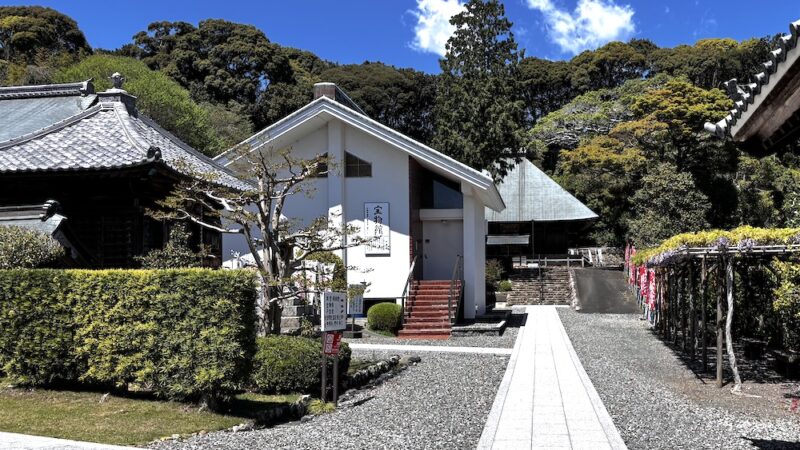
The grounds of Hirasawa-ji Temple are laid out to take advantage of the topography at the foot of the Nihondaira Mountains, creating a tranquil atmosphere in harmony with nature.
Main Hall
The main hall, where the Thousand-Armed Kannon and the Enmei Jizo Bodhisattva are enshrined, is the central place where worshippers offer their prayers. It features traditional Shingon Buddhist architecture.
Natural Environment of the Temple Grounds
Located in a lush, mountainous area, Hirasawa-ji Temple allows visitors to enjoy the beauty of nature throughout the seasons. Especially during the seasons of fresh greenery and autumn leaves, the temple grounds are enveloped in the beautiful colors of nature.
Annual Events and Temple Festivals
Monthly Kannon Festival
At Hirasawa-ji Temple, the 17th of every month is designated as the Kannon Festival, and a large goma prayer ceremony is held. Goma is one of the important rituals of Shingon Esoteric Buddhism, a ceremony in which prayers are offered while burning fire. On this day, many worshippers visit to pray for recovery from illness, protection from evil, and safety for their families.
Kannon Goenbi (Kannon Festival Day) is considered a day when one’s connection with Kannon (Goddess of Mercy) deepens, and it is believed that visiting on this day brings greater blessings than usual.
Setsubun Festival and Bean Scattering
Among Hirasawa-ji Temple’s annual events, the Setsubun Festival is particularly famous. Every year on Setsubun in February, a grand bean-scattering ceremony is held, attracting many worshippers.
At the Setsubun Festival, prayers for protection from evil are offered, making it an important event for those in their unlucky years. With the chant of “Fortune in, demons out,” beans are scattered, and it is a traditional event deeply rooted in the community as a way to invite good health and fortune throughout the year.
Other Annual Events
As a Shingon Buddhist temple, important Buddhist events such as the Spring Equinox Festival, the Autumn Equinox Festival, and the Obon Segaki memorial service are also held. These events provide opportunities for ancestor worship and accumulating merit.
About Goshuin (Temple Seals) and Goshuincho (Seal Books)
Characteristics of Goshuin
Hirasawa-ji Temple offers Goshuin to visitors. Goshuin are popular among many visitors as proof of worship and as a record of their pilgrimage.
Hirasawa-ji Temple’s Goshuin features calligraphy of “Hirasawa Kannon” or “Senju Kannon” (Thousand-Armed Kannon) and the temple’s seal. As one of the seven Abe Kannon pilgrimage sites, it is an important Goshuin for those undertaking the pilgrimage.
Goshuin can be received at the main hall or temple office, but since staff may be absent, it is recommended to contact them in advance if you wish to be sure to receive one.
Goshuincho (Seal Books)
It is recommended to check upon your visit whether Hirasawa-ji Temple has its own original Goshuincho. Many pilgrims bring their own Goshuincho specifically for the seven Abe Kannon pilgrimage sites.
Benefits and Prayers
Hirasawa-ji Temple originates from a legend of prayers for the recovery of Emperor Shomu from illness, and is particularly known for the following benefits:
Prayer for Recovery from Illness
The greatest benefit known at Hirasawa-ji Temple is recovery from illness. According to legend, when Emperor Shomu’s condition worsened, the monk Gyoki prayed at the temple, and his condition improved. For approximately 1300 years, it has been revered as a sacred site for prayers for recovery from illness.
Many people suffering from serious illnesses and their families visit to pray for recovery, hoping for healing through the compassionate power of the Thousand-Armed Kannon.
Prayer for Protection from Misfortune
As exemplified by the bean-throwing ceremony at the Setsubun festival, Hirasawa-ji Temple is also famous as a temple for protection from misfortune. People in their unlucky years visit to pray for protection from misfortune, hoping to ward off the calamities of the year and have a peaceful year.
Prayers for protection from misfortune can also be received at the Grand Goma Prayer Ceremony held on the 17th of each month.
Other Benefits
- Longevity: Benefits of longevity from Enmei Jizo Bodhisattva
- Child Rearing and Protection: Jizo Bodhisattva is worshipped as the guardian deity of children
- Family Safety: Prayers for the health and safety of all family members
- Good Fortune and Prosperity: Bringing various kinds of good fortune from Senju Kannon
- Fulfillment of Wishes: Fulfillment of sincere wishes
Access Methods
Access by Public Transportation
By Train and Bus
- Within walking distance from Shizuoka Railway’s “Kenritsu Bijutsukan-mae Station”
- Take a bus from JR Shizuoka Station and get off at the “Hirasawa” bus stop, then a few minutes’ walk.
Kenritsu Bijutsukan-mae Station is a station on the Shizuoka Railway Shizuoka-Shimizu Line, approximately 15 minutes from Shizuoka Station. Hirasawa-ji Temple is within walking distance from the station.
Access by Car
Using the Tomei Expressway
- Approximately 15-20 minutes from Shizuoka IC
- Approximately 20-25 minutes from Shimizu IC
Located along the road towards Nihondaira, it can be found by searching for “Hirasawa-ji Temple” or “Hirasawa Kannon” on your car navigation system. Parking is available, making it convenient to access by car.
Nearby Tourist Attractions
The following tourist attractions are located near Hirasawa-ji Temple:
- Shizuoka Prefectural Museum of Art: The museum that gave its name to the Prefectural Museum of Art Station. Famous for its collection of Rodin sculptures.
- Nihondaira: A scenic spot designated as a national scenic spot. Enjoy spectacular views of Mt. Fuji and Suruga Bay.
- Kunozan Toshogu Shrine: A shrine with a national treasure shrine dedicated to Tokugawa Ieyasu.
- Shimizu Port: A port town where you can enjoy fresh seafood.
Visiting these tourist attractions in conjunction with a visit to Hirasawa-ji Temple will allow you to experience the charm of Shizuoka more deeply.
Etiquette and Manners for Visiting a Temple
Basic Etiquette for Visiting a Temple
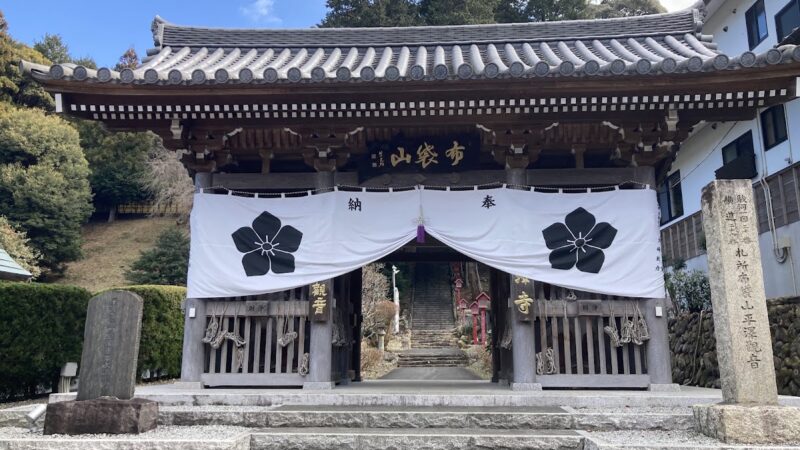
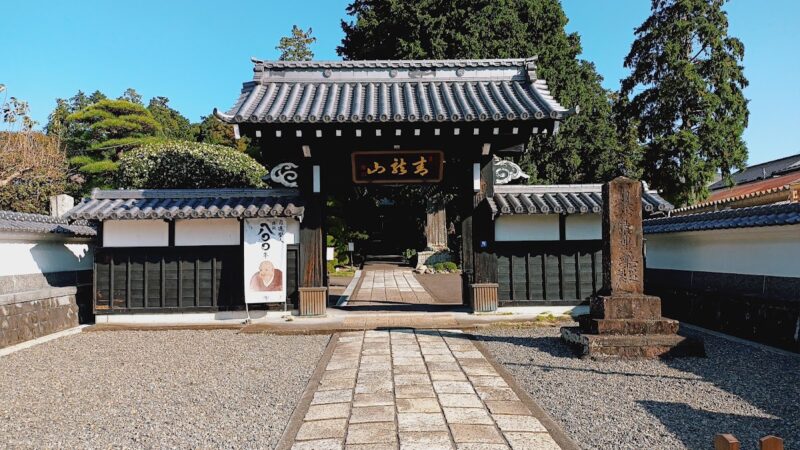
A Bow at the Temple Gate
When entering a temple, bow at the temple gate before entering the grounds. This is an expression of humility, signifying your entry into the realm of Buddha.
Purification at the Water Basin
If there is a water basin, purify your left hand, then your right hand, and then your mouth.
Worship at the Main Hall
- Bow slightly in front of the main hall.
- Quietly place your offering in the offering box.
- If there is a bell, ring it.
- Join your hands in prayer and offer your prayers.
- Bow and leave.
In Shingon Buddhist temples, if possible, you may also chant mantras such as “Namu Daishi Henjo Kongo” or “Om Vajra Dharma Kiriku.”
Receiving a Goma Prayer Ceremony
If you wish to participate in the Grand Goma Prayer Ceremony held on the 17th of each month (Kannon’s auspicious day), advance registration may be required. Clearly state your prayer request (e.g., recovery from illness, protection from evil, family safety) and register at the reception.
During the Goma prayer ceremony, sit quietly and pray in unison with the monk’s chanting.
Photography Etiquette
Photography of the temple grounds is generally permitted, but please note the following:
- Photography inside the main hall may require permission.
- Be considerate and avoid including other worshippers in your photos.
- Refrain from taking photos during prayers or ceremonies.
- Avoid using flash photography as it may damage the Buddha statues.
Other Kannon Pilgrimage Sites in Shizuoka Prefecture
The Abe Seven Kannon Pilgrimage Sites, to which Hirasawa-ji Temple belongs, are important centers of Kannon worship in Shizuoka Prefecture. The pilgrimage to these seven temples has been popular with many believers since ancient times.
Abe Seven Kannon Pilgrimage
It is believed that visiting the seven temples, including Hirasawa-ji Temple, will bring deeper merit. Each temple has its own unique history and characteristics, allowing you to experience the history and culture of the Abe region through the pilgrimage.
Those undertaking the pilgrimage are advised to prepare a special stamp book and collect stamps at each temple.
Suruga Province Pilgrimage
Hirasawa-ji Temple is designated as the 20th temple of Suruga Province and the 26th temple of the Yokomichi Pilgrimage. Many people visit it as part of a pilgrimage to temples within Shizuoka Prefecture.
Points to Note When Visiting Hirasawa-ji Temple
Best Time to Visit
Spring (March-May)
The fresh greenery is beautiful, and the weather is pleasant. The surrounding area is also vibrant during cherry blossom season.
Autumn (October-November)
The autumn foliage is beautiful, and the scenery around Nihondaira is at its best during this season.
Setsubun (February)
If you wish to participate in the Setsubun festival and bean-throwing ceremony, choose the day of Setsubun in February.
Every 17th of the Month
You can participate in the Kannon Goenbi Grand Goma Prayer Ceremony.
Estimated Time Required
A visit to Hirasawa-ji Temple itself takes about 30 minutes to 1 hour. Plan your visit to include time for a leisurely stroll through the temple grounds and quiet prayer. If you wish to participate in the Goma prayer ceremony, you will need more time.
Attire and Items to Bring
- Attire: Clean clothing suitable for visiting a temple. Since it is located in a mountainous area, comfortable walking shoes are recommended.
- Items to Bring: Goshuincho (stamp book) (if you wish to receive a Goshuin stamp), offering money, camera
- Seasonal Attire: Insect repellent in summer, warm clothing in winter
Contact Information
For information regarding visiting hours, Goma prayer reservations, and Goshuin stamp availability, we recommend contacting Hirasawa-ji Temple directly in advance. Especially if you are visiting from afar or wish to make a specific prayer, it is best to contact the temple in advance.
Summary: The Charms of Hirasawa Kannon Hirasawa-ji Temple
Hirasawa Kannon Hirasawa-ji Temple is a historic temple that has attracted the faith of people for approximately 1300 years since its founding by Gyoki Shonin during the Wado era. It possesses the charm of blessings for recovery from illness, stemming from the legend of prayers for the recovery of Emperor Shomu from illness; the spiritual power of being one of the seven sacred sites of Abe Kannon; and the beautiful natural environment at the foot of Nihondaira Mountain.
A grand goma prayer ceremony is held on the 17th of every month, the Kannon festival day, and a grand bean-throwing ceremony is held during the Setsubun festival to ward off evil. As a temple of the Shingon Chizan sect, it enshrines Senju Kannon and Enmei Jizo Bodhisattva as its principal deities, and is believed to offer various blessings such as recovery from illness, protection from evil, and longevity.
Easily accessible from Shizuoka Prefectural Museum of Art Station, and located near other tourist attractions such as Nihondaira and Kunozan Toshogu Shrine, Hirasawa-ji Temple is ideal for combining with sightseeing. When visiting Shizuoka, be sure to visit Hirasawa-ji Temple and experience its history and tranquil atmosphere.
Hirasawa-ji Temple, which began as a small thatched hut and has remained a spiritual haven for people for 1300 years, is a precious sacred site where you can experience the power of faith and unwavering compassion that speaks to its long history.