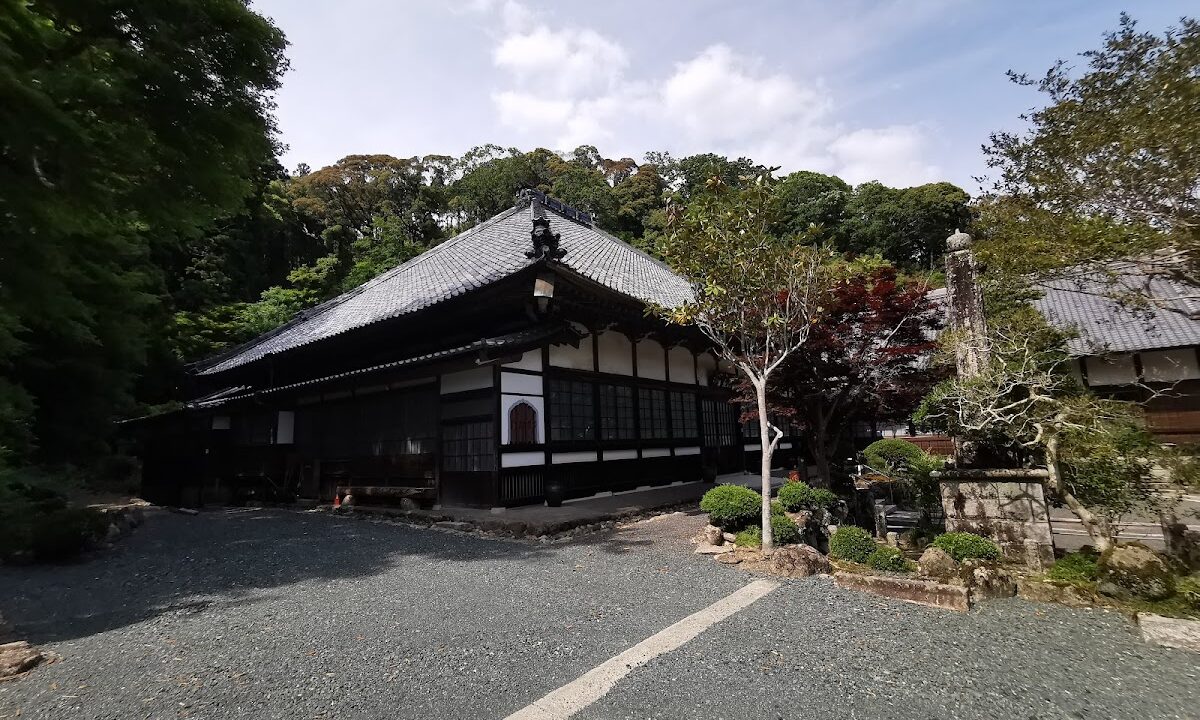
Complete Guide to Kyuenji Temple (Hamamatsu City, Shizuoka Prefecture) | An Ancient Soto Zen Temple with 800 Years of History
Kyuenji Temple, located in Azō, Futamata-cho, Tenryū-ku, Hamamatsu City, Shizuoka Prefecture, is an ancient Soto Zen temple boasting a history of over 800 years. Its mountain name is Azōsan, and it is also known as one of the 49 Yakushi pilgrimage sites of Tōtōmi Province. This article comprehensively introduces everything you need to know before visiting Kyuenji Temple, from its history and highlights to visiting information and access methods.
Basic Information about Kyuenji Temple
Name: Azosan Kyuenji Temple
Sect: Soto Zen
Principal Image: Shakyamuni Buddha
Address: 524 Azosan, Futamata-cho, Tenryu-ku, Hamamatsu City, Shizuoka Prefecture 431-3311
Phone Number: 053-925-2265
Pilgrimage Site: Forty-Nine Yakushi Pilgrimage Sites of Totomi
Kyuenji Temple is located in the mountainous area of the Tenryu River basin, offering a peaceful environment for worship. As a Soto Zen temple, it also offers Zen meditation experiences and is a beloved center of local faith.
History and Origins of Kyuenji Temple
Origins from the Heian Period
Kyuenji Temple has a long history, dating back to its founding in the early Heian period. Records indicate that it was once called “Kubenji” or “Kyūbuchiji,” but many details remain unclear, shrouded in mystery.
Restoration during the Sengoku Period
The actual founding dates back to the 16th century, during the Sengoku period. The name “Kyūenji” appears in a decree copy from Eishō 18 (1521), confirming that the temple existed under its current name around that time.
Founder: Senrin Echin, the third abbot of Zōzenji Temple
Founder: Futamata Ōmi-no-kami Masanaga
Futamata Ōmi-no-kami Masanaga, the founder, was a retainer of the Imagawa family and a warlord who ruled this region at the time. It is believed that Kyūenji was established as a local center of faith in Tōtōmi Province (present-day western Shizuoka Prefecture), which was under the influence of the Imagawa clan.
Over 800 Years of Buddhist Tradition
With a history spanning over 800 years since its founding in the Heian period, and nearly 500 years since its restoration during the Sengoku period, Kyuenji Temple remains deeply rooted in the community as an important cultural asset and place of worship in Tenryu Ward.
Highlights of Kyuenji Temple
Main Hall and Shakyamuni Buddha Statue
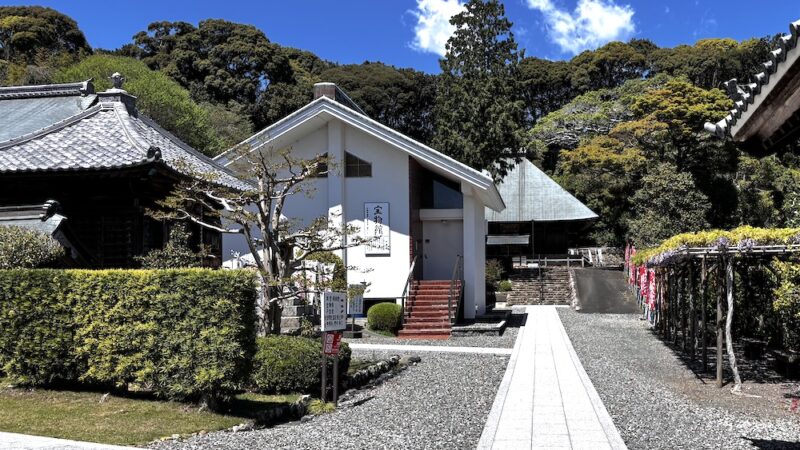
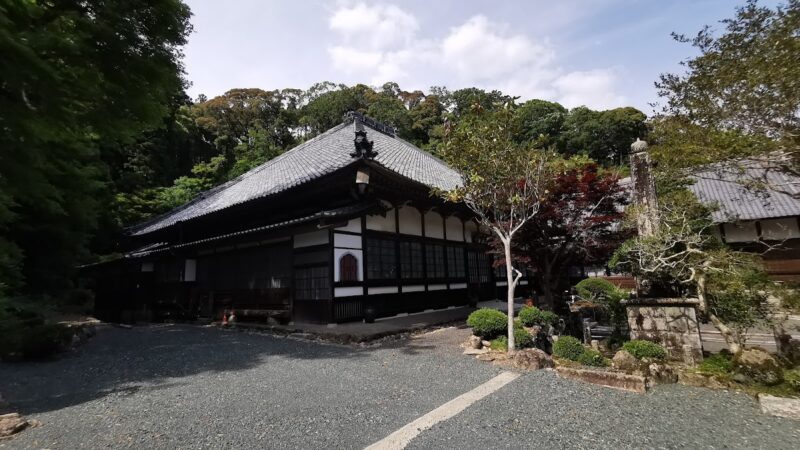
The principal image of Kyuenji Temple is Shakyamuni Buddha. As a Soto Zen temple, the magnificent main hall, centered around Shakyamuni Buddha, welcomes visitors. In this tranquil atmosphere, one can find peace of mind by offering prayers.
Amida Buddha Statue
Kyuenji Temple houses an important statue of Amida Buddha. This Amida Buddha statue is a valuable cultural asset that attracts attention among Buddhist statue enthusiasts, and is said to exhibit characteristics of Buddhist sculpture from the Heian to Kamakura periods.
Amida Buddha is revered as the principal deity of the Western Pure Land and has been the object of prayer for those seeking peace and happiness in the afterlife. The Amida Buddha statue at Kyuenji Temple is a precious object that has attracted the faith of many people throughout its long history.
Temple Gate and Bell Tower
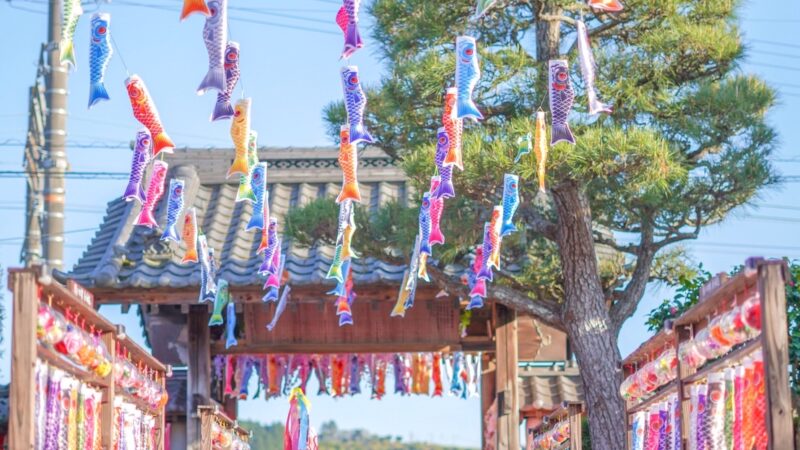
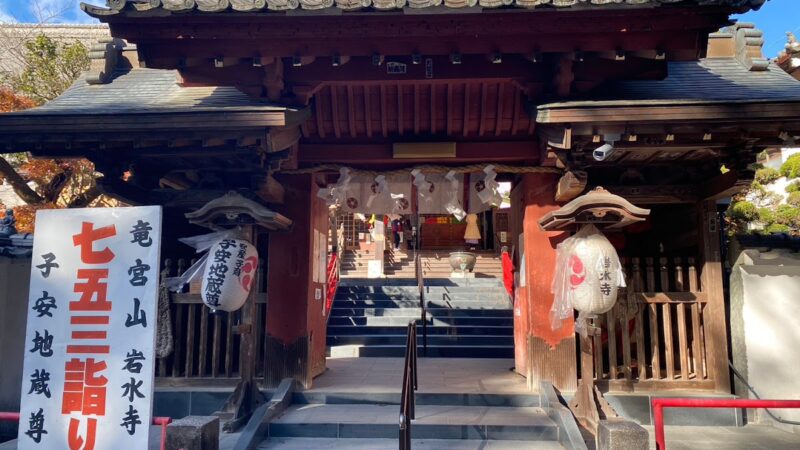
At the entrance to the temple is a magnificent temple gate, with a bell tower positioned in front of it. Visited by pilgrims on the 49 Yakushi pilgrimage routes of Tōtōmi Province, this gate is an important structure that speaks to the history and prestige of Kyuenji Temple.
Visiting at dusk, in particular, allows you to enjoy the atmospheric scenery unique to a temple nestled in the mountains. The sound of the bell resonating in the quiet environment will be a soul-cleansing experience.
Natural Environment of the Temple Grounds
Located in the mountainous area of Tenryu Ward, Kyuenji Temple is surrounded by abundant nature. You can enjoy the scenery of each season; cherry blossoms in spring, fresh greenery in summer, autumn leaves in fall, and a tranquil snowscape in winter—each temple offers a different face depending on when you visit.
Kyuenji Temple as part of the Tōtōmi Forty-Nine Yakushi Pilgrimage
Kyuenji Temple is one of the temples on the Tōtōmi Forty-Nine Yakushi Pilgrimage. The Tōtōmi Forty-Nine Yakushi Pilgrimage is a pilgrimage visiting 49 temples dedicated to Yakushi Nyorai (the Medicine Buddha) scattered throughout western Shizuoka Prefecture (formerly Tōtōmi Province).
Significance of the Pilgrimage
Yakushi Nyorai is worshipped as the Buddha of healing and longevity, and many visitors come to the pilgrimage to pray for physical and mental health. Kyuenji Temple also offers Goshuin (temple stamps) to participants of the pilgrimage.
Even in the Reiwa era, the “Enshu Forty-Nine Yakushi Pilgrimage” continues to be held, and many pilgrims visit Kuenji Temple during the spring and autumn pilgrimage seasons.
Zen Meditation Experience and Dharma Talk
Soto Zen Training Experience
Kuenji Temple, as a Soto Zen temple, holds Zen meditation experience events. Under the guidance of Chief Priest Azo Fushin, you can participate in approximately 30 minutes of Zen meditation.
Zen meditation is a fundamental Zen Buddhist practice that involves correcting posture, regulating breathing, and calming the mind. It offers a valuable opportunity to escape the hustle and bustle of daily life and confront yourself.
Chief Priest’s Dharma Talk
Before and after the Zen meditation experience, Chief Priest Azo Fushin gives a Dharma talk. You can hear inspiring talks about the history of Kuenji Temple, Buddhist teachings, and Zen wisdom that can be applied to daily life.
Walking Event
In conjunction with the Zen meditation experience, an event is held to allow visitors to walk around the grounds and surrounding area of Kuenji Temple. This event is popular with local residents and tourists alike, offering an opportunity to learn more about the temple’s charm and history.
Access Information
Access by Train
Nearest Station: Tenryu-Futamata Station, Tenryu-Hamanako Railway
From Tenryu-Futamata Station, Kuenji Temple can be accessed on foot or by taxi. The distance from the station is approximately 3-4 km, taking about 40-50 minutes on foot.
The Tenryu-Hamanako Railway is a local line connecting Kakegawa Station and Shinjo-hara Station, offering a charming train journey through tranquil scenery.
Access by Car
Shin-Tomei Expressway: Approximately 30 minutes from Hamamatsu-Hamakita IC
Tomei Expressway: Approximately 40 minutes from Hamamatsu IC
Head north on National Route 152 towards Tenryu Ward. Following the signs in the Azō district of Futamata-machi will lead you to Kyuenji Temple.
Parking
The temple has parking spaces for visitors. However, if you are planning a visit by large bus or group, it is recommended to contact the temple in advance.
Nearby Tourist Attractions
Historical Buildings of Tenryu-Futamata
Around Tenryu-Futamata Station, you can find railway heritage sites such as a turntable and a roundhouse from the early Showa period. This is a must-see spot for railway enthusiasts.
Akihasan Hongū Akiba Shrine
Located about 30 minutes by car from Kyuenji Temple, Akihasan Hongū Akiba Shrine is known as the head shrine of Akiba worship throughout Japan. It is worshipped as the god of fire prevention and is enshrined on the summit of Mt. Akiba, at an altitude of 866m.
Tenryu River
The Tenryu River, known as one of Japan’s fastest-flowing rivers, offers activities such as river rafting and boating. This is an experience unique to the naturally rich Tenryu area.
Futamata Castle Ruins
This is the site of a castle from the Sengoku period, known as the tragic scene where Tokugawa Ieyasu’s eldest son, Nobuyasu, committed suicide. It’s an interesting spot for history buffs.
Manners and Precautions for Visiting the Temple
Basic Visiting Etiquette
- Bow at the Temple Gate: Bow before passing through the temple gate.
- Purification at the Water Basin: Cleanse your hands and mouth.
- Worship at the Main Hall: Quietly put your hands together and pray wholeheartedly.
- Bow upon Exit: Bow towards the main hall when leaving the temple gate.
Attire for Zen Meditation
If participating in Zen meditation, comfortable, loose-fitting clothing is recommended. Trousers are more suitable than skirts, and strong fragrances such as perfume should be avoided.
Photography
Photography is generally permitted within the temple grounds, but permission is required beforehand for photography inside the main hall or of Buddhist statues. Please be considerate of other visitors.
Goshuin (Temple Seal) Information
Kyuenji Temple offers Goshuin. You can also receive a Goshuin as a pilgrimage site for the 49 Yakushi Temples of Tōtōmi Province.
Reception Hours: Generally 9:00 AM to 5:00 PM (may vary, so prior confirmation is recommended)
Offering Fee: Generally around 300-500 yen
You can bring your own Goshuincho (stamp book) or receive a pre-printed Goshuin. Those on a pilgrimage should bring a dedicated Nokyocho (pilgrimage stamp book).
Annual Events
As a Sōtō Zen temple, Kyuenji Temple holds various events throughout the year.
- Shushōe (New Year’s Ceremony): New Year’s Buddhist service
- Hanamatsuri (Buddha’s Birthday Festival): April 8th, celebrating the birth of Buddha
- Obon Ceremony: August, ancestral memorial service
- Autumn Equinox Ceremony: September, equinox memorial service
- Jōdōe (Enlightenment Ceremony): December 8th, commemorating the enlightenment of Buddha
For detailed dates and whether general participation is permitted, please contact the temple directly.
Summary of the Charms of Kyuenji Temple
Kyuenji Temple is an ancient Soto Zen temple with a history of over 800 years, located in the naturally rich environment of Tenryu Ward, Hamamatsu City, Shizuoka Prefecture.
Main Attractions of Kuenji Temple:
- Historical Value: A long history and cultural assets dating back to the Heian period.
- Pilgrimage Site: Welcomes pilgrims as one of the 49 Yakushi pilgrimage sites in Tōtōmi Province.
- Zen Meditation Experience: A Zen meditation experience to soothe the minds of modern people.
- Precious Buddhist Statues: Cultural assets such as the Amida Buddha statue.
- Natural Environment: Seasonal scenery unique to the mountainous region of Tenryu.
- Local Faith: A role as a place of faith deeply rooted in the local community.
Kuenji Temple is the perfect place for those who want to escape the hustle and bustle of the city and quietly reflect on themselves, those who want to visit a historical temple, and those who want to experience Buddhist teachings through Zen meditation and Dharma talks.
Pre-Visit Checklist
Before visiting Kuenji Temple, please check the following points for a smoother experience:
- Visiting Hours: Generally, visits are possible during the day, but may be restricted due to religious services or events.
- Zen Meditation Reservations: Zen meditation events may require advance reservations.
- Goshuin (Temple Stamp) Reception: Goshuin may not be available if the head priest is absent.
- Access: If using public transportation, consider arranging a taxi.
- Attire: Please prepare appropriate attire if participating in the Zen meditation experience.
We recommend checking in advance by phone (053-925-2265).
Summary
Kuenji Temple, located in Tenryu-ku, Hamamatsu City, Shizuoka Prefecture, is a historic Soto Zen temple with over 800 years of history, and remains popular with many visitors. As a pilgrimage site for the 49 Yakushi temples of Tōtōmi Province, it serves as a base for pilgrimages and a spiritual haven for modern people through Zen meditation experiences and Dharma talks.
Precious cultural assets such as the Amida Buddha statue, the tranquil environment unique to the mountainous region, and the warm guidance of Chief Priest Azō Fukikoro deeply move visitors.
Why not spend some special time away from everyday life at Kyuenji Temple, surrounded by the rich nature of the Tenryu River basin? History, tradition, and the teachings of Zen are sure to bring new insights to your heart.