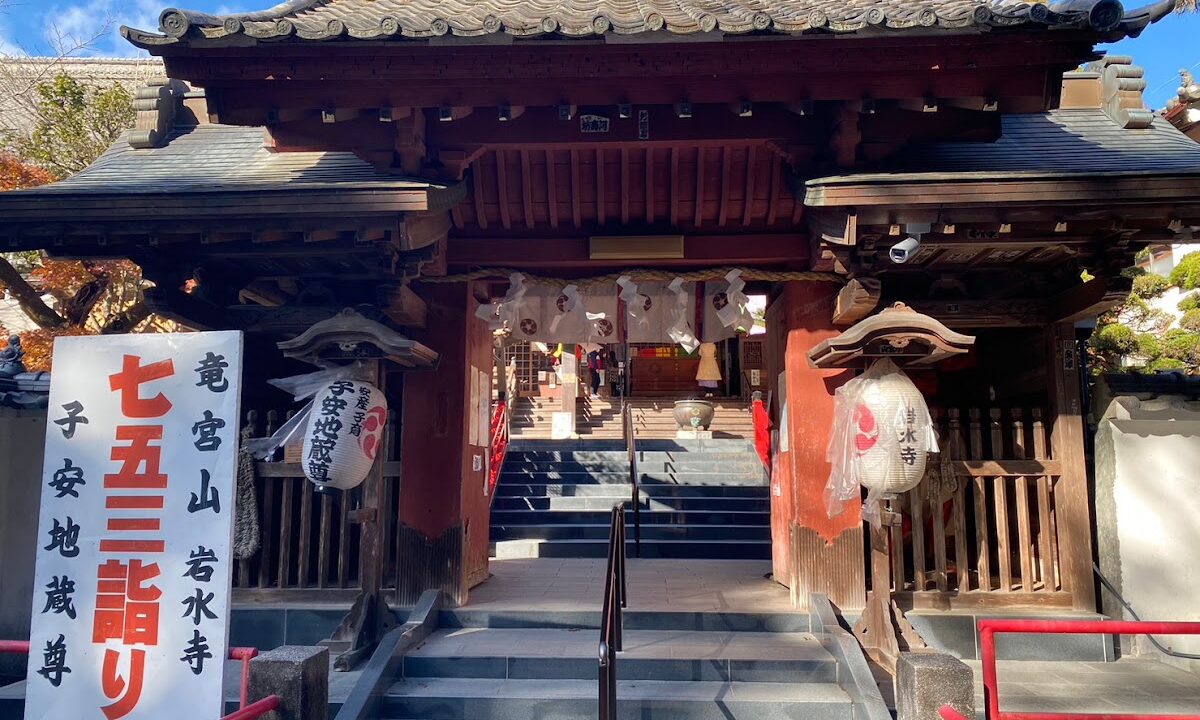
Complete Guide to Gansui-ji Temple (Shizuoka Prefecture) | A 1300-Year History, Dragon God Legend, and Ancient Temple of Enshu Known for Prayers for Safe Childbirth
Located in Negata, Hamana-ku, Hamamatsu City, Shizuoka Prefecture, Ryuguzan Gansui-ji Temple is a special head temple of the Koyasan Shingon sect, boasting a long history of 1300 years. Founded in the Nara period by Gyoki Bodhisattva, this temple enshrines the Yakuyoke Koyasu Jizo Bodhisattva, a nationally designated Important Cultural Property, as its principal image, and is widely revered as a sacred site for prayers for safe childbirth and fertility.
This article provides a detailed explanation of this ancient temple of Enshu, including its history, legends, highlights within the temple grounds, cultural properties, and visiting information.
History and Origins of Gansui-ji Temple
Founding and Gyoki Bodhisattva
Gansui-ji Temple was founded in the second year of the Jinki era (725 AD), during the Nara period. The temple was founded by Gyōki Bodhisattva, known for establishing temples and social projects throughout Japan. It is said that Gyōki himself carved a statue of Yakushi Nyorai (Medicine Buddha) and enshrined it in this location.
Gyōki Bodhisattva was a leading monk of the Nara period, known for his Buddhist missionary work among the common people and his social contributions. As a temple founded by a high-ranking monk who was also involved in the construction of the Great Buddha of Tōdai-ji Temple, Iwamizu-dera Temple was a temple of high status from its inception.
Connection to Emperor Saga
In the early Heian period, when Emperor Saga fell ill, prayers for his recovery were offered to the Yakushi Nyorai at Iwamizu-dera Temple. Due to its miraculous healing, the emperor recovered, and Iwamizu-dera Temple became a place of deep reverence for the imperial court. Because of this connection, the Yakushi Nyorai is positioned as the principal deity, known as “the Yakushi Nyorai who healed Emperor Saga.”
The Legend of Sakanoue no Tamuramaro and the Dragon God
During the Enryaku era (782-806), Sakanoue no Tamuramaro, known as the Seii Taishogun (Commander-in-Chief of the Expeditionary Force against the Barbarians), stopped at Iwamizu-dera Temple during his eastern campaign. It was at this time that the “Legend of the Tenryu River Dragon God” originated.
According to the legend, a dragon god (serpent god) living in the Tenryu River transformed into a beautiful woman named Tamasodehime through the merits of Yakushi Nyorai (Medicine Buddha), and fell in love with Tamuramaro. They had a child, but when her true identity as a dragon god was revealed, the princess returned to the Tenryu River. At their parting, the princess vowed to “protect this child and watch over people’s safe childbirth and fertility,” and it is said that her divine power manifested as Jizo Bodhisattva.
This legend is the origin of the Yakuyoke Koyasu Jizo Bodhisattva, the principal image of Iwamizu-dera Temple, and remains the reason why the temple continues to attract many worshippers seeking prayers for safe childbirth and fertility.
Status as a Special Head Temple of the Koyasan Shingon Sect
Iwamizu-ji Temple holds the high status of a Special Head Temple of the Koyasan Shingon sect. A Special Head Temple is a temple with a status second only to the main head temple, and is a title bestowed only upon temples recognized as having a special position within the religious order.
As a central temple of the Shingon sect in the Enshu region, Iwamizu-ji Temple has supported local faith throughout its long history.
Two Principal Deities: Yakushi Nyorai and Yakuyoke Koyasu Jizo Bodhisattva
A distinctive feature of Iwamizu-ji Temple is the presence of two important Buddhist statues: the Principal Deity and the Main Deity.
Principal Deity: Yakushi Nyorai
The Principal Deity, Yakushi Nyorai, is a hidden Buddha said to have been carved by the temple’s founder, Gyoki Bodhisattva. Due to its miraculous healing of Emperor Saga, it is worshipped as a Buddha that wards off disease.
Yakushi Nyorai (Medicine Buddha) is the principal deity of the Eastern Pure Land of Lapis Lazuli, and has long been revered as a Buddha who heals people’s illnesses and protects their health. The Yakushi Nyorai at Iwamizu-ji Temple is strictly guarded as a hidden Buddha image and is only unveiled on special occasions.
Principal Image: Yakuyoke Koyasu Jizo Bodhisattva (Nationally Designated Important Cultural Property)
The principal image, Yakuyoke Koyasu Jizo Bodhisattva, is a Buddha statue originating from the legend of the Tenryu River Dragon God and is designated as a Nationally Important Cultural Property. It is believed to have been created from the late Heian period to the early Kamakura period and is highly valued for its excellent sculptural technique and miraculous powers.
This Jizo Bodhisattva is particularly famous for the following blessings:
- Prayer for Safe Childbirth: Because the dragon god’s princess vowed to watch over safe childbirth, it is worshipped as a guardian deity for safe delivery.
- Prayer for Conception: Worshippers from all over the country visit, hoping to be blessed with children.
- Protection from Misfortune: Prayers are offered to ward off misfortune during unlucky years and to ensure a safe passage through life’s milestones.
- Protection from Child-Rearing: As a deity that watches over the healthy growth of newborn children, many families visit for the first shrine visit of their child.
The number of temples with a Buddha statue designated as an Important Cultural Property as their principal image is limited, demonstrating the high cultural value of Iwamizu-ji Temple.
Highlights of the Temple Grounds (Temple Layout)
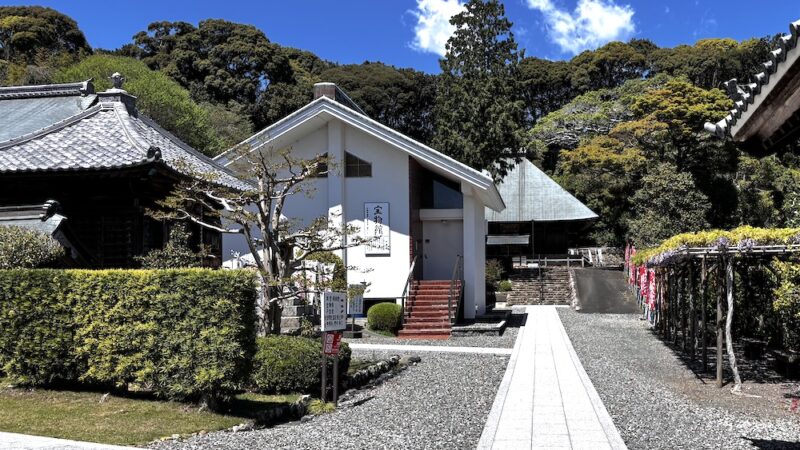
The grounds of Iwamizu-ji Temple are dotted with various buildings and points of interest that tell the story of its long history.
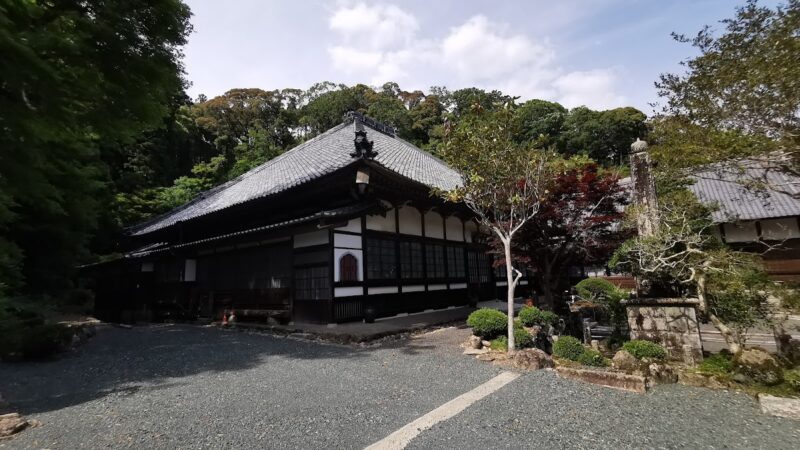
Main Hall
The main hall houses the principal image, the Yakuyoke Koyasu Jizo Bodhisattva. Visitors can receive prayers here for safe childbirth, fertility, and protection from evil. The hall is enveloped in a solemn atmosphere, a space that evokes a long history.
Yakushi-do Hall
This hall houses the principal image, Yakushi Nyorai (Medicine Buddha). Visitors come here to pray for recovery from illness and good health. While the Yakushi Nyorai is a hidden Buddha and not usually open to the public, special openings attract many visitors.
Iwamizu-dera Okunoin (Hexagonal Hall)
At the back of the temple grounds lies the Okunoin, known as the Hexagonal Hall. This unique hexagonal architectural style is said to represent the cosmology of Shingon Buddhism. It is cherished as a place of deep faith amidst a tranquil atmosphere.
Kobo Daishi-do Hall
This hall enshrines Kobo Daishi Kukai, the founder of the Koyasan Shingon sect. As a Shingon Buddhist temple, it also has a strong following of Kobo Daishi (Kukai), and many worshippers offer prayers in front of the main hall.
A Path Lined with Vermilion Torii Gates
A distinctive feature of Iwamizu-ji Temple is the sight of a row of vermilion torii gates within its grounds. This scenery, a remnant of the syncretism of Shinto and Buddhism, creates a unique atmosphere for Iwamizu-ji. It’s a popular photo spot, and many worshippers capture this beautiful scene.
A Famous Spot for Autumn Foliage
Iwamizu-ji Temple is also known as a famous spot for autumn foliage. In autumn, the trees on the temple grounds change color, creating a beautiful landscape with the contrast between the vermilion torii gates, historic temple buildings, and the autumn leaves. The best time to visit is from mid to late November, and during this time, the temple is bustling with worshippers enjoying the autumn leaves.
Cherry Blossom Season
In spring, cherry blossoms bloom profusely on the temple grounds, making it a popular spot for cherry blossom viewing. The combination of historic temple architecture and cherry blossoms is picturesque, allowing visitors to quietly enjoy spring.
Cultural Properties of Iwamizu-ji Temple
Iwamizu-ji Temple possesses numerous valuable cultural properties, including nationally designated Important Cultural Properties.
Nationally Designated Important Cultural Properties
The Standing Statue of Yakuyoke Koyasu Jizo Bodhisattva is designated as a nationally important cultural property. This statue, believed to have been created in the late Heian period to the early Kamakura period, is recognized for its cultural value due to its excellent sculptural technique and well-preserved state.
Unusually for a Jizo Bodhisattva statue, it is a standing figure, characterized by its compassionate expression and flowing drapery. This statue, which continues to watch over worshippers even after many years, is considered Iwamizu-ji Temple’s greatest treasure.
Other Cultural Properties
- Ancient Documents: Valuable ancient documents that convey the history of the temple are preserved.
- Buddhist Altar Fittings and Ritual Objects: Buddhist altar fittings used throughout its long history.
- Paintings and Calligraphy: Works of art donated by successive chief priests and parishioners.
These cultural properties are valuable historical materials that tell the story of Iwamizu-ji Temple’s 1300-year history.
Prayers and Blessings Offered at Iwamizu-ji Temple
Iwamizu-ji Temple offers a variety of prayers. It is particularly known for the following:
Prayer for Safe Childbirth
The prayer for safe childbirth, originating from the legend of the Dragon God, is the most famous blessing at Iwamizu-ji Temple. There is a custom of visiting the temple on the Day of the Dog in the fifth month of pregnancy to pray for a safe delivery (“Obi-iwai” ceremony). The blessed maternity belt is cherished as a protective amulet for the safety of both mother and child.
Prayer for Conception
Couples from all over Japan visit the temple hoping to be blessed with children. The belief that many couples have been blessed with children through the miraculous power of the Yakuyoke Koyasu Jizo Bodhisattva has been passed down through generations.
Prayer for Protection from Misfortune
People facing their unlucky years visit the temple to ward off misfortune. As the main deity is called “Yakuyoke” Koyasu Jizo, the temple is also deeply revered for its miraculous power in warding off misfortune.
First Shrine Visit
Many families visit Iwamizu-ji Temple to pray for the healthy growth of their newborn children. Many families pray at Iwamizu-ji Temple consistently from prayers for safe childbirth to the first shrine visit.
Healing from Illness
The principal deity, Yakushi Nyorai (Medicine Buddha), is revered as a Buddha of healing due to its miraculous healing of Emperor Saga’s illness. Many visitors come to pray for good health.
Matchmaking
Based on the love story of the Dragon God and Tamuramaro, the temple is also believed to offer blessings for matchmaking. Visitors praying for good relationships also come.
Annual Events and Special Ceremonies
Iwamizu-ji Temple holds various ceremonies and events throughout the year.
New Year’s Visit
At the start of the new year, many visitors come for their first shrine visit of the year, praying for safety and happiness throughout the year. Prayers for protection against misfortune and for family safety are particularly popular.
Setsubun Festival
A Setsubun festival is held in February, featuring rituals such as bean-throwing to ward off evil and invite good fortune.
Spring and Autumn Grand Festivals
Grand festivals are held in spring and autumn, with memorial services expressing gratitude to the principal image of Buddha.
Unveiling of the Yakushi Nyorai (Medicine Buddha)
In special years, the hidden image of Yakushi Nyorai is unveiled. This is a rare opportunity to see the principal image of Buddha, which is usually not open to the public, attracting many visitors.
Access and Transportation Information
Access to Iwamizu-ji Temple is as follows:
Access by Train
Using the Tenryu Hamanako Railway
- Get off at Iwamizu-dera Station on the Tenryu Hamanako Railway, approximately 15 minutes on foot.
- Iwamizu-dera Station is an unmanned station, and trains run approximately once an hour.
- We recommend checking the timetable in advance.
Using the Enshu Railway
- Get off at Enshu Iwamizu-dera Station on the Enshu Railway, approximately 15-20 minutes on foot.
- This route is also available.
Access by Car
From the Tomei Expressway
- Approximately 20 minutes from Hamamatsu IC
- Accessible via National Route 152
From the Shin-Tomei Expressway
- Approximately 15 minutes from Hamamatsu Hamakita IC
- Conveniently located near the nearest interchange.
Parking
Free parking is available on the temple grounds. Even if you are visiting by regular car, you can rest assured. However, congestion is expected during peak seasons such as New Year’s Day and major festivals, so we recommend visiting with plenty of time to spare.
Address and Contact Information
- Address: 2238 Negata, Hamana-ku, Hamamatsu City, Shizuoka Prefecture 434-0016
- Phone: 053-583-2741
- Reception Hours: 8:30 AM – 4:30 PM
Visiting Information and Guide
Visiting Hours
The temple grounds are generally open for worship during the day. If you wish to receive prayers or a Goshuin (temple stamp), you must visit during reception hours (8:30 AM – 4:30 PM).
Admission Fee
Entry to the temple grounds is free. A separate prayer fee is required for prayers.
Goshuin (Temple Stamp)
Iwamizu-ji Temple offers Goshuin stamps. You can apply at the main hall or temple office during reception hours. You can bring your own Goshuincho (stamp book) or purchase one on-site.
The Goshuin (temple stamp) bearing the calligraphy and red seal of Ryuguzan Iwamizu-ji Temple is a popular souvenir for many visitors.
Amulets and Souvenirs
Various amulets are available, including those for safe childbirth, fertility, and protection against evil. The maternity belt for safe childbirth is particularly popular.
Photography
Photography is generally permitted within the temple grounds, but there may be restrictions on photography inside the halls and of Buddha statues. It is recommended to check before taking photos.
Nearby Tourist Attractions
Many tourist attractions in the Hamamatsu/Lake Hamana area are scattered around Iwamizu-ji Temple.
Lake Hamana
Lake Hamana, located about 20-30 minutes away by car, is a representative tourist destination in Shizuoka Prefecture. There are various ways to enjoy it, including eel dishes, Kanzanji Onsen hot springs, and sightseeing boat tours.
Hamamatsu Castle
Hamamatsu Castle, where Tokugawa Ieyasu spent his youth, is a tourist attraction symbolizing the history of Hamamatsu City. It’s about a 30-minute drive from Iwamizu-ji Temple.
Ryugaiwa Cave
This is one of the largest limestone caves in the Tokai region, offering a mystical underground world experience. It’s about a 15-minute drive from Iwamizu-ji Temple.
Tenryu River
The Tenryu River, the setting for the legend of the dragon god, is deeply connected to the history of Iwamizu-ji Temple. You can enjoy the scenery along the river.
How to Enjoy Visiting Iwamizu-ji Temple
As a Historical Walk
Iwamizu-ji Temple, with its 1300-year history, is a fascinating spot for history buffs. Visiting while feeling the connection to historical figures such as Gyoki, Emperor Saga, and Sakanoue no Tamuramaro will provide a deeper experience.
Enjoying Seasonal Scenery
Enjoy the beautiful scenery of each season, from cherry blossoms in spring to autumn leaves. The contrast between the vermilion torii gate and the autumn leaves is particularly stunning during the fall foliage season.
As a Power Spot Pilgrimage
As a power spot associated with the legend of the Dragon God, the number of visitors seeking spiritual experiences is increasing. You can find peace of mind in the refreshing air of the temple grounds.
As a Goshuin (Temple Stamp) Pilgrimage
Collecting Goshuin (temple stamps) is another enjoyable aspect of visiting temples and shrines in Shizuoka Prefecture. The Goshuin from this prestigious temple, a special head temple of the Koyasan Shingon sect, adds a special page to your Goshuin book.
Points to Note and Manners During Your Visit
Attire
While there are no strict dress code regulations, it is desirable to wear appropriate and modest attire suitable for temple visits. If you are receiving prayers, please dress more formally.
Etiquette for Visiting the Temple
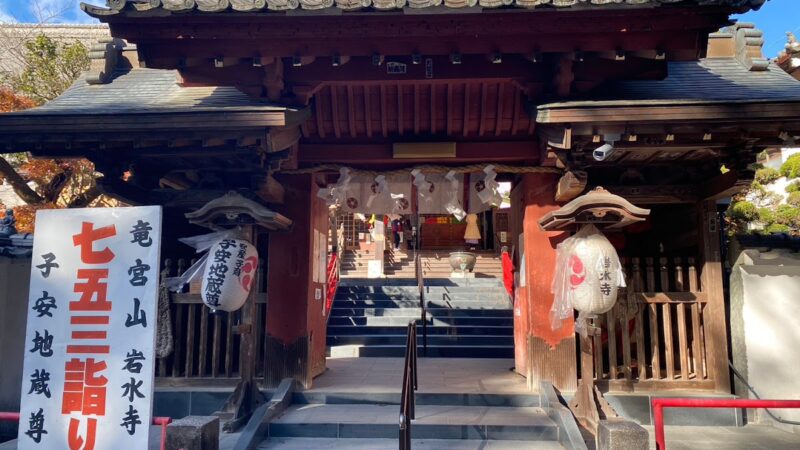
- Bow when passing through the temple gate.
- Cleanse your hands and mouth at the water basin.
- Pray quietly in the main hall.
- Be considerate of others when taking photographs.
- Please be quiet and avoid speaking loudly on the temple grounds.
Crowded Times
The temple is expected to be crowded during New Year’s Day, Setsubun (bean-throwing festival), the Day of the Dog for safe childbirth prayers, and the autumn foliage season. We recommend visiting with plenty of time to spare.
Summary of the Charms of Iwamizu-ji Temple
Iwamizu-ji Temple, located in Hamana Ward, Hamamatsu City, Shizuoka Prefecture, is a temple worth visiting for the following reasons:
- 1300 Years of History: A long history dating back to its founding by Gyoki in the Nara period
- Nationally Designated Important Cultural Property: A valuable cultural asset: the Yakuyoke Koyasu Jizo Bodhisattva
- Legend of the Dragon God: The romantic legend of the Tenryu River Dragon God
- Sacred Site for Safe Childbirth and Fertility: A place of worship visited by pilgrims from all over Japan
- Special Head Temple of the Koyasan Shingon Sect: The dignified atmosphere of a prestigious temple
- Beautiful Scenery: The beauty of the four seasons, including the vermilion torii gate, cherry blossoms, and autumn leaves
- Easy Access: Relatively easy to visit from within Hamamatsu City
Iwamizu-ji Temple, a representative ancient temple of the Enshu region, harmoniously blends faith, history, culture, and natural beauty. Iwamizu-ji Temple continues to welcome many visitors for various reasons, including those praying for safe childbirth and fertility, those enjoying historical exploration, and those appreciating the seasonal scenery.
When visiting the Hamamatsu and Lake Hamana area, we highly recommend visiting Iwamizu-ji Temple and experiencing the stories woven over 1300 years of history and the enduring power of faith. You can spend a peaceful time in the tranquil grounds, the setting of the Dragon God legend.