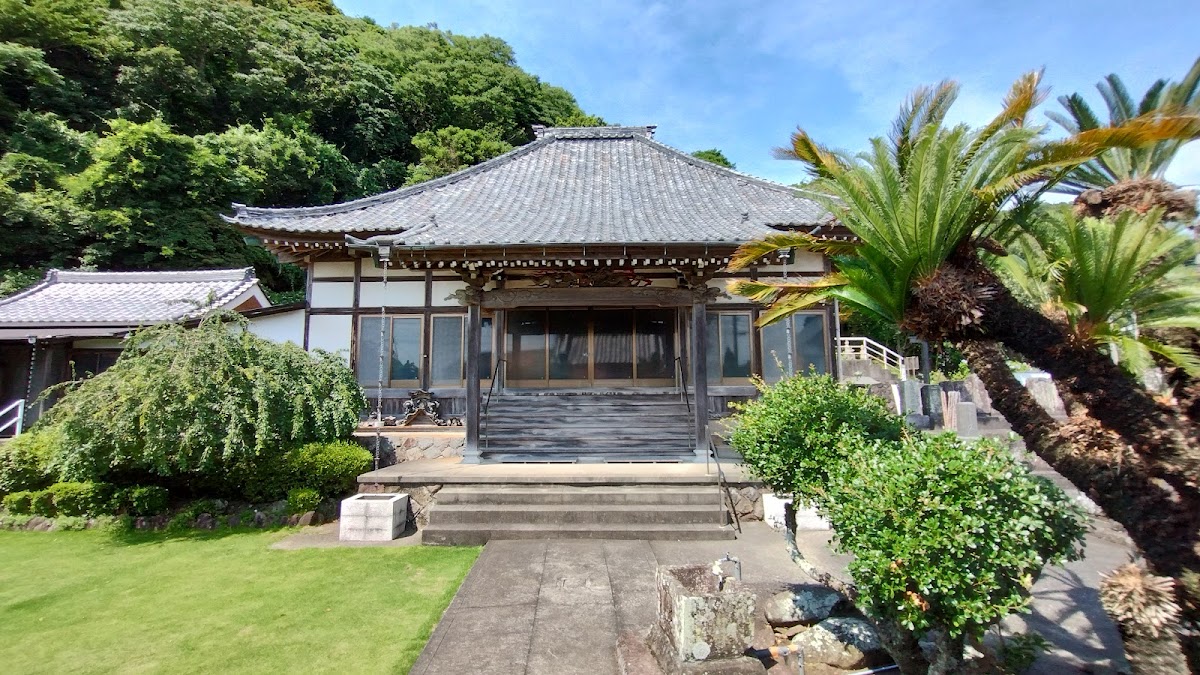
Eigenji Temple (Izu City, Shizuoka Prefecture) Complete Guide: A Historic Temple with Thirty-Three Kannon and a Yakui-mon Gate
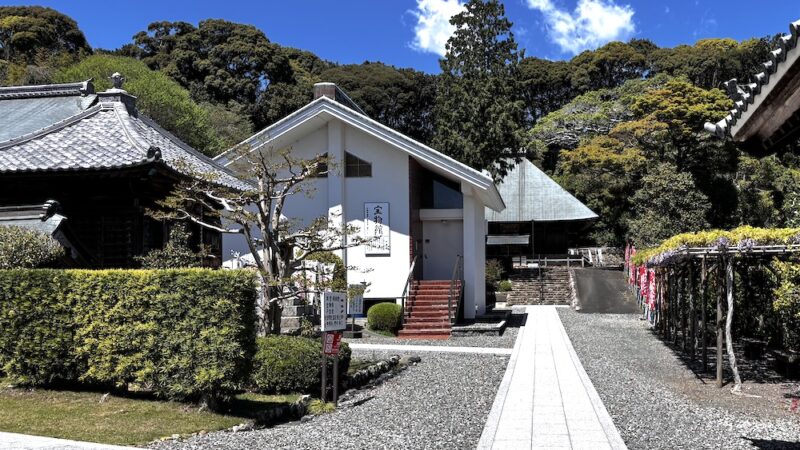
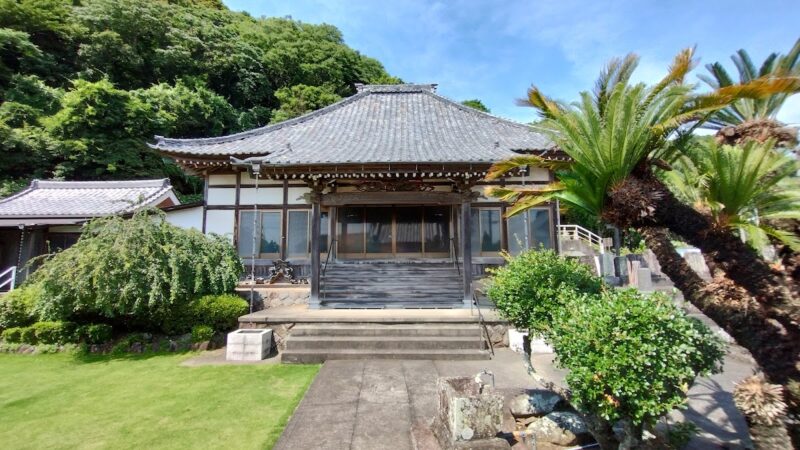
Eigenji Temple, located in Kodohi, Izu City, Shizuoka Prefecture, is a sacred site of Kannon worship, enshrining thirty-three Kannon statues, and has long been cherished by the local people. Its Yakui-mon gate, unusual for a temple, is designated as a cultural property of Izu City, allowing visitors to experience a space rich in history and culture. This article comprehensively introduces everything you need to know before visiting Eigenji Temple, including its history, highlights, the allure of worship, and access information.
Basic Information on Eigenji Temple
Eigenji Temple is a Buddhist temple located at 617 Kodohi, Izu City, Shizuoka Prefecture. Built in the quiet environment of the Kodohi area on the west coast of the Izu Peninsula, it is a place of worship deeply rooted in the community, centered on Kannon worship.
Location and Contact Information
- Address: 617 Kodohi, Izu City, Shizuoka Prefecture 410-3301
- Area: Kodohi district, Izu City
- Jurisdiction: Introduced as a tourist spot by the Izu City Tourism Association
Sect and History
Eigenji Temple has a long history and has played a central role in the faith of the region. It is characterized by its Kannon worship centered on the Thirty-Three Kannon, and is known as a sacred site visited by many worshippers. Since ancient times, worship of Kannon has been believed to bring benefits such as healing from illness and protection from various misfortunes, and even today, many people visit seeking peace of mind.
Highlights and Attractions of Eigenji Temple
Thirty-Three Kannon and Kannon Worship
The most distinctive feature of Eigenji Temple is that it enshrines the Thirty-Three Kannon. The Thirty-Three Kannon are based on the belief that Kannon Bodhisattva transforms into thirty-three different forms to save sentient beings, and they carry on the tradition of Kannon worship exemplified by the Thirty-Three Kannon Pilgrimage of Western Japan.
In addition to the Thirty-Three Kannon, Eigenji Temple houses numerous other Kannon statues, and its solemn atmosphere purifies the hearts of visitors. It is believed that by chanting the name of Kannon and praying with heartfelt devotion, one can not only be cured of serious illnesses but also be protected from various misfortunes, such as travel accidents.
Characteristics of the Kannon Statues
Each Kannon statue enshrined on the temple grounds has a different expression and form, and is believed to bring various blessings to worshippers. By praying to each Kannon statue, one can pray for inner peace and the fulfillment of their wishes. As a valuable place to experience the depth of Kannon worship, it is a recommended spot not only for devout believers but also for those interested in Buddhist art and history.
Yakui-mon Gate, Designated as a Cultural Property of Izu City
Another major highlight of Eigenji Temple is its main gate (Yakui-mon), designated as a cultural property of Izu City. The Yakui-mon gate is a relatively rare style of temple architecture, featuring a gable roof supported by supporting pillars behind the main pillars.
There are several theories about the origin of the name “Yakui-mon,” including the theory that it is a corruption of “Yakui-mon” (arrow-eating gate) or that it was used for doctors’ gates. Eigenji Temple’s Yakui-mon gate is protected as an important cultural property of Izu City due to its historical value and the beauty of its architectural style.
Architectural Characteristics of the Yakui-mon Gate
Eigenji Temple’s Yakui-mon gate is characterized by its simple yet dignified construction. The patina developed by the aging of the wood and the structural beauty achieved through traditional architectural techniques harmonize, inviting visitors into a world of history. The designation of this rare style of temple gate as a cultural property holds significant importance from the perspective of preserving historical buildings in the region.
When you pass through the gate, be sure to pay attention to the details of its structure and decoration. You will be able to feel the essence of craftsmanship that has continued since the Edo period.
What you can experience at Eigenji Temple
Kannon Pilgrimage Experience
At Eigenji Temple, you can experience a Kannon pilgrimage visiting 33 Kannon statues. By joining your hands in prayer before each Kannon statue and offering a quiet prayer, you can gain a sense of spiritual fulfillment away from the hustle and bustle of everyday life. The Kannon pilgrimage will be a precious time to confront yourself and seek inner peace.
Meditation and Prayer in Silence
Located in the quiet environment of Kodohi, Eigenji Temple is the perfect place to escape the hustle and bustle and calm your mind. By spending time slowly in the tranquil atmosphere of the temple grounds, you can be freed from daily stress and refresh both your mind and body.
When visiting, we recommend that you take your time to stroll around the temple grounds and cherish the time you spend facing each Kannon statue. Experience the “quiet time for self-reflection” that is often lost in modern society at Eigenji Temple.
Appreciation of Cultural Heritage
Eigenji Temple boasts numerous historically valuable buildings and Buddhist statues, including the Yakuimon Gate, which is designated as a cultural property of Izu City. By appreciating these, you can deepen your understanding of the region’s history and Buddhist culture.
For those interested in history and architecture, this is a valuable opportunity to observe the structure and style of the Yakuimon Gate up close. Furthermore, you can sense the skill and faith of the sculptor from the expression and posture of the Kannon statue.
Access Information to Eigenji Temple
Access by Car
Eigenji Temple is located in the Kodoi district of Izu City and is easily accessible by car.
From Tokyo:
- Approximately 60 minutes from Numazu IC on the Tomei Expressway
- Approximately 60 minutes from Nagaizumi-Numazu IC on the Shin-Tomei Expressway
- Take the Izu Jukan Expressway and head south on National Route 136
From Nagoya:
- Approximately 2 hours and 30 minutes via Numazu IC on the Tomei Expressway
Once you enter the Kotohi area, following local signs will make the journey smoother. If using a car navigation system, search for “617 Kotohi, Izu City, Shizuoka Prefecture” or “Eigenji Temple”.
Parking Information
Due to the size and location of the temple, parking spaces may be limited. It is recommended to inquire with the Izu City Tourism Association or Izu City Tourist Information Center before visiting. Especially during peak tourist seasons and weekends, it is advisable to check the surrounding parking situation in advance.
Access by Public Transportation
Train and Bus:
- The nearest train station is Shuzenji Station on the Izuhakone Railway.
- Take the Tokai Bus bound for Toi Onsen from Shuzenji Station.
- Get off at the Kotohi bus stop and it’s within walking distance.
Since bus services are limited, it is recommended to check the timetable in advance. Be sure to check the return bus schedule in particular.
Access Precautions
The roads in the west coast area of the Izu Peninsula can be congested during tourist seasons and long weekends. Roads towards Toi Onsen are especially prone to congestion on weekends and holidays, so it is recommended to plan your trip with plenty of time to spare.
Also, since many roads pass through mountainous areas, caution is needed regarding icy roads in winter. Please drive safely.
Visiting Nearby Tourist Spots
Charms of the Kotohi Area
The Kotohi area, where Eigenji Temple is located, is a quiet village on the west coast of the Izu Peninsula. Surrounded by the sea and mountains, this area offers a tranquil and relaxing natural environment.
Toi Onsen
Located just a few minutes’ drive from Eigenji Temple, Toi Onsen is one of the leading hot spring resorts on the Izu Peninsula. Many accommodations offer open-air baths with stunning views of Suruga Bay, making a travel plan combining a visit to Eigenji Temple with a soak in the hot springs highly recommended.
Toi Onsen also has day-use bathing facilities, allowing you to refresh yourself in the hot springs after your temple visit. With delicious seafood dishes available, it’s also a great area for food lovers.
Other Temples in Izu City
Besides Eigenji Temple, Izu City boasts numerous other historical temples. The Shuzenji Onsen area includes Shuzenji Temple, known as the oldest hot spring in Izu, and a sacred site associated with Kobo Daishi, attracting many visitors.
For those who enjoy temple hopping, planning a route starting from Eigenji Temple and visiting temples and shrines throughout Izu City is a good idea. You can experience the unique history and charm of each temple.
Scenic Spots on Suruga Bay
The west coast of the Izu Peninsula is dotted with scenic spots where you can enjoy breathtaking views of Mount Fuji across Suruga Bay. On a clear day, you can enjoy the contrast between the blue sea and the majestic Mount Fuji. Driving along the coastline before or after visiting Eigenji Temple is also highly recommended.
The beauty of Suruga Bay at sunset is particularly exceptional; the sight of the sun setting over the sea will surely create lasting memories.
Manners and Etiquette for Visiting a Temple
Basic Manners for Visiting a Temple
When visiting Eigenji Temple, please observe the following basic manners:
- Attire: Avoid revealing clothing and aim for clean, understated attire.
- Bow at the Temple Gate: Bow before passing through the temple gate and show respect when entering the temple grounds.
- Quietness: Refrain from loud conversations on the temple grounds and remain quiet.
- Photography: Take photographs only in permitted areas and be considerate of other visitors.
- Proper Way of Worship: Before the Kannon statue, join your hands together sincerely and offer a quiet prayer.
Etiquette Regarding Kannon Worship
Kannon Bodhisattva is a compassionate Buddha who hears the cries of suffering sentient beings and extends a helping hand. When visiting the 33 Kannon statues at Eigenji Temple, please keep the following points in mind:
- Sincere Heart: It is important to pray with a sincere heart, not just by form.
- Gratitude: Express not only your wishes but also your daily gratitude.
- Take Your Time: Don’t rush; cherish the time to face each Kannon statue.
- Chant the Name: Chant “Namu Kannon Bosatsu” silently or softly as you pray.
Visiting Hours and Precautions
It is recommended to check the visiting hours and admission fees for Eigenji Temple in advance. Generally, temples are best visited during daylight hours, but visiting hours may change depending on the season or temple events.
You can obtain the latest information by contacting the Izu City Tourism Association or the Izu City Tourist Information Center before your visit.
Izu City Tourism Information and Support
Utilizing the Izu City Tourism Association
When visiting tourist spots in Izu City, including Eigenji Temple, it is convenient to utilize the information provided by the Izu City Tourism Association. The Izu City tourism information website comprehensively introduces tourist spots, event information, access information, and more.
Izu City Tourist Information Center
The Izu City Tourist Information Center, operated by the Izu City Industrial Promotion Council, offers the following services:
- Distribution of tourist brochures
- Access information to tourist spots
- Introduction to accommodations
- Provision of event information
- Consultation on sightseeing routes
Since there is a tourist information center near Shuzenji Station, it is recommended for those visiting by public transportation to stop by. They can provide local information and recommendations for seasonal spots.
Izu City Tourism Association Branches
Because Izu City is a large area, there are branches of the Tourism Association in various regions. By contacting the branch in the area you are visiting, such as the Toi Onsen area or the Shuzenji area, you can obtain more detailed local information. ## Seasonal Charms of Visiting Eigenji Temple
Spring at Eigenji Temple
Spring is the season of fresh greenery, and the trees in the temple grounds bud, creating an atmosphere full of vitality. Thanks to the mild climate of Izu, cherry blossoms bloom early, and you can enjoy beautiful cherry blossoms from late March to early April.
Praying to Kannon in the spring sunshine will leave you feeling refreshed both physically and mentally.
Summer at Eigenji Temple
In summer, the greenery deepens, and the temple grounds are covered in deep green. Due to its location near the sea, a relatively cool breeze blows through, making it suitable for escaping the summer heat. When visiting Izu on a family trip during summer vacation, the quiet time spent at Eigenji Temple offers a different kind of charm compared to the bustling tourist spots.
Autumn at Eigenji Temple
Autumn is the season of autumn leaves. The best time to see the autumn leaves on the Izu Peninsula is from mid-November to early December, and the trees in the temple grounds turn red and yellow, creating a beautiful landscape. Visiting the temple in the crisp autumn air will be a truly refreshing experience.
Winter at Eigenji Temple
Winter is a season when there are fewer tourists, allowing for a more peaceful visit. As you pray to Kannon in the cold, clear air, you’ll feel a deep sense of purification. Furthermore, winter in Izu is a time when hot springs are especially appealing, and a soak in the hot springs after your visit will feel exceptionally refreshing.
Benefits and Faith of Eigenji Temple
Benefits of Kannon
The Kannon enshrined at Eigenji Temple is believed to offer the following benefits:
- Healing from Illness: People visit seeking recovery from serious illnesses.
- Protection from Misfortune: Kannon is believed to protect against various disasters, including traffic accidents.
- Peace of Mind: Kannon is believed to alleviate mental worries and anxieties.
- Family Safety: Kannon serves as a place to pray for the health and happiness of family members.
- Good Fortune and Prosperity: Kannon is believed to enhance luck and attract good fortune.
History of Kannon Faith
Kannon faith is one of the most widely practiced faiths in Japan since the introduction of Buddhism. Kannon Bodhisattva, also known as “Kannon Bosatsu,” has been revered as a compassionate Buddha who perceives the suffering of sentient beings and offers relief.
The number 33 represents the number of forms Kannon Bodhisattva takes to save all sentient beings, based on the teaching that Kannon appears in a form appropriate to each individual, extending a helping hand.
Kannon Faith in Modern Times
Even in modern society, Kannon faith remains a source of spiritual support for many people. In today’s stressful and anxious world, the experience of finding peace of mind by praying to Kannon is valuable to many, regardless of their religious beliefs.
The 33 Kannon statues of Eigenji Temple will continue to welcome many people as a spiritual anchor for modern individuals.
Preparations for Visiting Eigenji Temple
Checklist of Items to Bring
Here is a list of items that are useful to bring when visiting Eigenji Temple:
- Camera: To record the Yakui Gate and the scenery of the temple grounds (please observe photography etiquette)
- Goshuincho (stamp book): In case you are receiving a Goshuin (temple stamp)
- Comfortable Walking Shoes: For walking around the temple grounds
- Hat/Parasol: For protection from the summer sun
- Jacket: For protection from the winter chill and morning/evening chill
- Drinking Water: Especially in summer, don’t forget to stay hydrated
- Map/Guidebook: For reference regarding sightseeing in the surrounding area
Information Gathering Before Visiting
Before visiting Eigenji Temple, it is recommended to check the following information:
- Visiting Hours: Check with the Izu City Tourism Association or Tourist Information Center
- Access Methods: Check transportation options and travel time
- Parking Information: If visiting by car, check the availability and location of parking
- Nearby Facilities: Locations such as restrooms, rest areas, and restaurants
- Weather Forecast: Check the weather forecast for the day and prepare appropriate clothing.
Travel Planning Tips
Tips for planning a fulfilling trip to Izu City, including Eigenji Temple:
- Time Allocation: Allow about an hour for visiting Eigenji Temple to leisurely explore the grounds.
- Meal Planning: Check dining options in advance around Kotohi and the Toi Onsen area.
- Consider Accommodation: Combining accommodation in Toi Onsen or Shuzenji Onsen will make your trip more fulfilling.
- Visiting Multiple Spots: Create an efficient route by combining it with other tourist spots in Izu City.
- Seasonal Events: Check event information for Izu City during your visit.
Summary: Finding Peace of Mind at Eigenji Temple
Located in Kodohi, Izu City, Shizuoka Prefecture, Eigenji Temple is a multifaceted temple with many facets of charm. It is a sacred site of Kannon worship, enshrining 33 Kannon statues, and a historical building with a Yakui-mon gate designated as an Izu City cultural property.
The quiet grounds, enveloped in the compassion of Kannon, offer a precious experience for modern people, allowing them to escape the hustle and bustle of everyday life and find peace of mind. Whether you seek healing from serious illness or protection from misfortune, or are simply interested in history, culture, or inner peace, Eigenji Temple is a place well worth visiting.
Enjoy the beautiful natural surroundings of the west coast of the Izu Peninsula, along with sightseeing such as hot springs and seafood, while experiencing the spiritual fulfillment at Eigenji Temple.
Utilize the support of the Izu City Tourism Association and the Izu City Tourist Information Center to plan a fulfilling Izu trip centered around Eigenji Temple. A wonderful and memorable experience awaits you, blessed by Kannon.