Zen Buddhism Fujimiyama Daruma-ji Temple (Shizuoka Prefecture) Complete Guide: History, Highlights, and Access Information
Located in Fuji City, Shizuoka Prefecture, Fujimiyama Daruma-ji Temple is a historic temple that continues to uphold the teachings of Zen Buddhism. Enshrining Bodhidharma and boasting a superb location overlooking Mount Fuji, this temple is cherished as a center of local faith and a sanctuary for those seeking peace of mind. This article provides a detailed overview of Daruma-ji Temple, including its history, highlights, Zen teachings, and visiting information.
About Fujimiyama Daruma-ji Temple
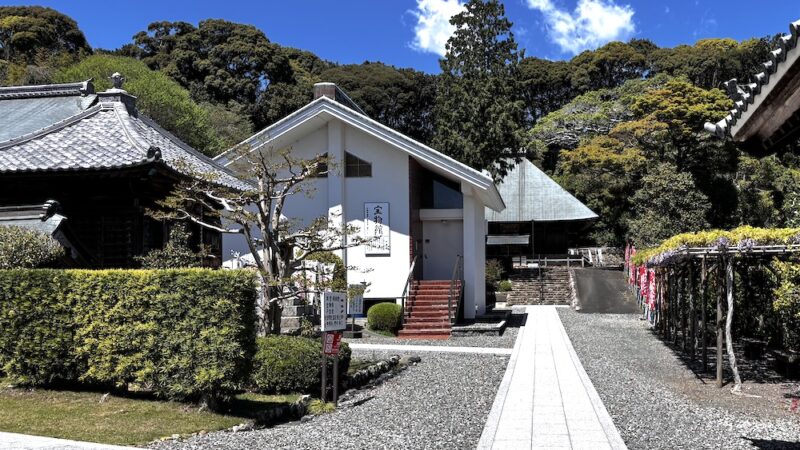
Fujimiyama Daruma-ji Temple is a Zen Buddhist temple located in Fuji City, Shizuoka Prefecture, enshrining Bodhidharma as its principal deity. As its mountain name, “Fujimiyama” (meaning “Mount Fuji Viewing Mountain”), suggests, the temple grounds offer magnificent views of Mount Fuji, and it is known for its beautiful scenery.
Zen Buddhism is a branch of Buddhism that emphasizes meditation practice and aims for enlightenment. At Daruma-ji Temple, while cherishing the spirit of Zen, we maintain connections with the local community and welcome many worshippers and practitioners.
Relationship between Bodhidharma and Zen Buddhism
Bodhidharma (Daruma Daishi) was an Indian monk who was active from the 5th to 6th centuries and is considered the founder of Chinese Zen Buddhism. He is known for the legend of having meditated facing a wall for nine years at the Shaolin Temple on Mount Song in China, and is also considered the origin of the “Futōō” (roly-poly toy).
Japanese Zen Buddhism was introduced from China during the Kamakura period by Eisai and Dōgen, and spread mainly among the samurai class. Bodhidharma is revered as a symbolic figure of Zen Buddhism in many Zen temples.
History of Fujimi-yama Daruma-ji Temple
Origin of Founding
The founding of Fujimi-yama Daruma-ji Temple has a history deeply intertwined with local faith. Fuji City in Shizuoka Prefecture has long been one of the centers of Mount Fuji worship, and many temples and shrines have been built there. Daruma-ji Temple is one of them, serving as a spiritual pillar for the local people.
As a Zen Buddhist temple, Daruma-ji Temple serves as a training ground for Zen meditation and has functioned as a place to cultivate indomitable spirit and perseverance through faith in Bodhidharma.
Successive Chief Priests and the Temple’s Development
Daruma-ji Temple has been protected and developed by successive chief priests. Each chief priest has preached Zen teachings and contributed to the local community, enhancing the temple’s significance.
Especially since modern times, as a temple open to the general public, it has actively spread Zen teachings by regularly holding Zen meditation sessions and Dharma talks.
Highlights of the Temple Grounds
Main Hall and Bodhidharma Statue
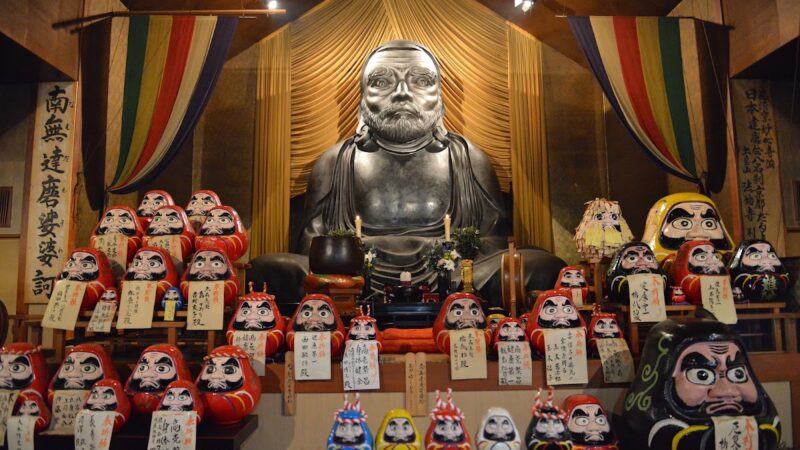
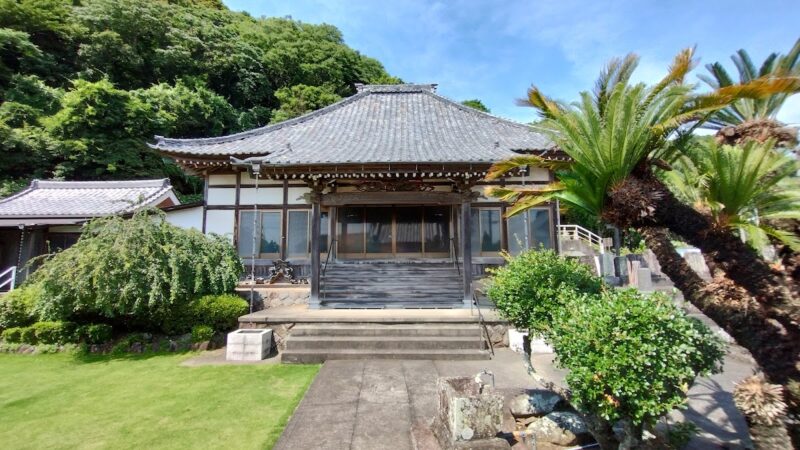
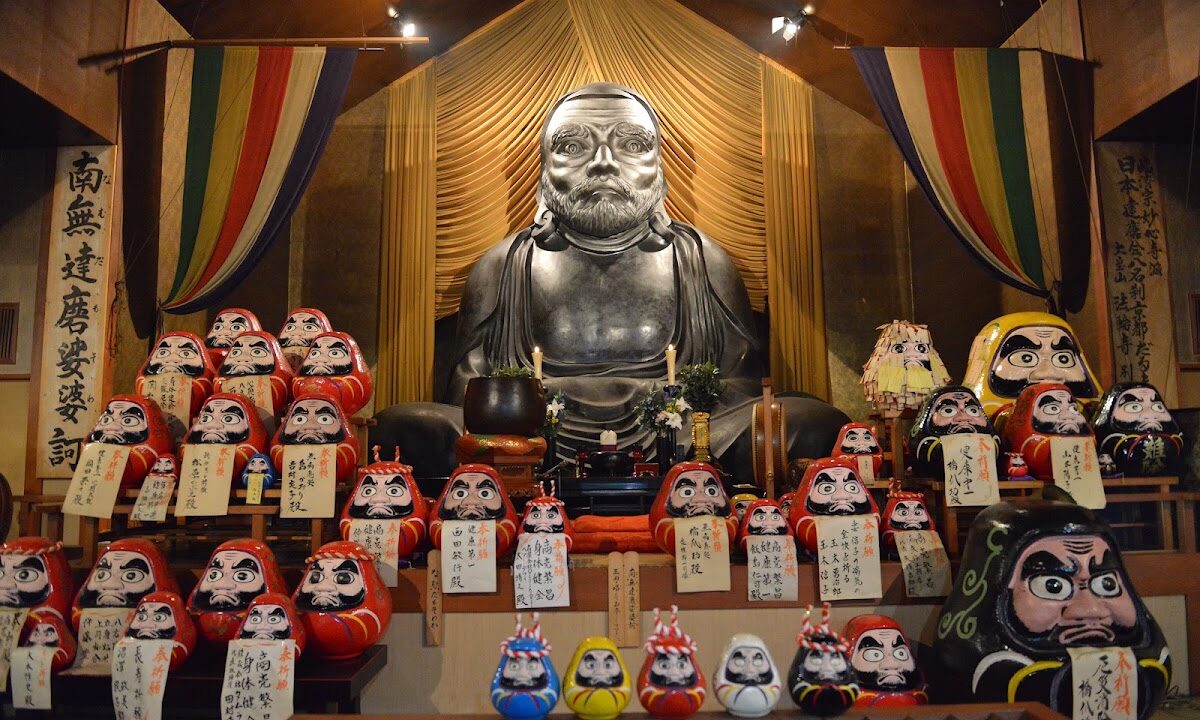
The main hall of Daruma-ji Temple houses the principal image, a statue of Bodhidharma. This statue depicts Bodhidharma’s rigorous ascetic training, teaching visitors the importance of mental strength and concentration.
The main hall’s architecture is a simple yet powerful design characteristic of Zen temples, and the restrained space embodies the spirit of Zen. Praying in the tranquil main hall naturally calms the mind.
Zen Meditation Hall
Daruma-ji Temple has a Zen meditation hall for practicing Zen meditation. This space is a sacred place for clearing one’s mind and confronting oneself. Regularly held Zen meditation sessions offer careful instruction, making it accessible even for beginners.
Practicing Zen meditation in the tranquility of the Zen meditation hall is a valuable experience for escaping the hustle and bustle of everyday life and calming the mind.
Temple Grounds with a View of Mount Fuji
As the name “Fujimi-yama” (Mount Fuji Viewing Mountain) suggests, the grounds of Daruma-ji Temple offer a beautiful view of Mount Fuji. Especially on clear days, the majestic scenery of Mount Fuji welcomes visitors, making them feel the greatness of nature and the insignificance of humanity. One of the charms of Daruma-ji Temple is being able to enjoy the ever-changing expressions of Mount Fuji throughout the seasons. From the cherry blossoms of spring, the lush greenery of summer, the vibrant autumn leaves, to the snow-covered peaks of winter, each season offers a different landscape that delights visitors.
Gardens and Natural Environment
The gardens of Daruma-ji Temple are simple yet deeply spiritual, befitting a Zen temple. The carefully calculated placement of stones and plants expresses the Zen philosophy of valuing harmony with nature.
The natural environment within the temple grounds is also rich, with seasonal flowers and trees soothing the hearts of visitors. Listening to the sounds of nature in this tranquil environment can also be considered a Zen experience.
Zen Teachings and Activities at Daruma-ji Temple
Zen Meditation Sessions and Training Experiences
Daruma-ji Temple regularly holds Zen meditation sessions for the general public. Basic Zen etiquette and breathing techniques are carefully taught, ensuring that even beginners can participate with confidence.
Zen meditation is a simple practice of just sitting, but it holds profound wisdom. By clearing one’s mind of distractions and focusing on the present moment, one can attain inner peace.
Dharma Talks and Buddhist Lectures
Regular Dharma talks are held by the head priest, where you can learn about Zen teachings and how to apply Buddhist wisdom to your daily life. Difficult Buddhist terms are explained in easy-to-understand language, making it accessible even for beginners.
These Dharma talks are not merely about acquiring knowledge, but also an opportunity to reflect on one’s own way of life.
Sutra Copying and Buddha Image Copying Experience
At Daruma-ji Temple, you can also experience sutra copying and Buddha image copying. The act of carefully copying each character of the sutra has the effect of calming the mind and enhancing concentration.
Buddha image copying deepens your understanding of Buddhism and cultivates artistic sensibilities by depicting the image of Buddha.
Daruma Belief and Lucky Charms
Origin and Meaning of Daruma
The lucky charm known as “Daruma” is modeled after the seated meditation posture of Bodhidharma. Legend says that his limbs withered away after nine years of meditation facing a wall, hence the limbless form.
Daruma symbolizes the spirit of “falling seven times, getting up eight,” representing an indomitable spirit that never gives up no matter how many times you fail. In Japan, it is widely popular as a lucky charm for the New Year and as an item for making wishes.
Amulets and Items Offered at Daruma Temple
At Daruma Temple, amulets and lucky charms related to Bodhidharma are offered. These are believed to bring benefits such as mental strength, goal achievement, and protection from evil.
They are particularly popular with students taking exams and people starting new businesses, and many worshippers visit to pray.
Annual Events and Special Days
Daruma Memorial Day (Anniversary of Bodhidharma’s Death)
A memorial service is held annually to commemorate the anniversary of Bodhidharma’s death. A special service is held on this day, and many followers visit to pay their respects. It is an important day to remember Bodhidharma’s teachings and to carry on his spirit.
Zen Meditation and Fasting Retreat
Several times a year, a retreat combining Zen meditation and fasting is held. This is a serious retreat for purifying the mind and body and experiencing deep spirituality. Advance registration is required to participate, and health conditions are checked.
New Year’s Eve Bell and First Shrine Visit of the Year
On New Year’s Eve, the temple bell is rung, preparing for the New Year. The sound of the bell, said to dispel the 108 worldly desires, creates a solemn and sacred atmosphere.
During the first shrine visit period from New Year’s Day, many worshippers visit to pray for peace and the achievement of their goals throughout the year.
Visiting Information and Etiquette
Etiquette for Visiting a Zen Temple
When visiting a Zen temple, please observe the following basic etiquette:
- Bow at the Temple Gate: Before entering the temple grounds, bow at the temple gate. This shows respect to Buddha.
- Maintain a Quiet Attitude: Walk quietly within the temple grounds and refrain from loud conversations. Zen temples are places of training, so maintaining silence is important.
- Worship at the Main Hall: Join your hands in prayer in front of the main hall and offer a sincere bow. If offering a monetary donation, do so quietly.
- Photography Etiquette: Even in areas where photography is permitted, be considerate of other visitors. This rule must be strictly observed in areas where photography is prohibited, such as inside the main hall.
Clothing and Belongings
Clean and understated clothing is desirable for visiting a temple. Please note the following points, especially if you are participating in a Zen meditation session:
- Comfortable clothing: Since you will be sitting with your legs crossed during meditation, loose-fitting trousers or a skirt are suitable.
- Wear socks: Avoid going barefoot; wear clean socks.
- Refrain from wearing perfume: Strong fragrances may distract other participants.
- Towels and drinks: These may be necessary depending on the season.
Access Information
Access by Public Transportation
By Train:
The JR Tokaido Main Line is the most convenient way to get to Fuji City, Shizuoka Prefecture. From the nearest station, take a bus or taxi to Daruma-ji Temple. It is recommended to check the specific route with the temple before your visit.
By Bus:
You may be able to use local buses operating within Fuji City. Please check the latest timetables and routes on the Fuji City Public Transportation website.
Access by Car
Using the Tomei Expressway:
From the Fuji Interchange or Shin-Fuji Interchange on the Tomei Expressway, take local roads to reach Daruma-ji Temple. Entering the temple name or address into your car’s navigation system is convenient.
Parking:
Parking for visitors may be available on the temple grounds or nearby. However, spaces may be limited, so consider using public transportation, especially on event days.
Nearby Tourist Attractions
Besides Daruma-ji Temple, Fuji City has many other attractions:
- Fujisan Hongu Sengen Taisha Shrine: The central shrine of Mount Fuji worship
- Iwamotoyama Park: A scenic spot with stunning views of Mount Fuji
- Tagonoura Port: Enjoy fresh seafood and views of Mount Fuji
- Fuji City Museum: A facility where you can learn about local history and culture
Visiting these spots in conjunction with your visit to Daruma-ji Temple will allow you to experience the charm of Fuji City more deeply.
Applying Zen to Daily Life
Effects of Zazen (Seated Meditation)
In modern society, maintaining peace of mind is difficult due to stress and information overload. Zazen is a very effective practice for modern people.
Main Effects of Zazen:
- Stress Reduction: Deep breathing and silence regulate the autonomic nervous system and bring about relaxation.
- Improved Concentration: Training to focus attention on a single point improves concentration in daily life.
- Deeper Self-Awareness: Having time to confront oneself deepens self-understanding.
- Enhanced Creativity: Clearing away distracting thoughts makes it easier to generate new ideas.
A Zen Way of Life
The teachings of Zen can be applied not only to Zazen but also to all aspects of daily life:
Living in the Present Moment:
Focusing on the present moment, without being caught up in past regrets or future anxieties, is fundamental to Zen. The spirit of “single-minded devotion”—focusing solely on eating when eating, and solely on walking when walking—is essential.
Simple Living:
Zen teaches us to strip away the unnecessary and concentrate on the essence. It’s a way of life that prioritizes inner richness over material wealth.
A Grateful Heart:
A heart of gratitude for all existence is the foundation of a Zen way of life. When you can be grateful for even the small things in everyday life, your life becomes richer.
Finding Peace of Mind at Daruma-ji Temple
Fujimi-yama Daruma-ji Temple is not merely a tourist spot, but a place for spiritual cultivation. In its tranquil grounds overlooking Mount Fuji, the time spent reflecting on oneself through Zen meditation, while experiencing the indomitable spirit of Bodhidharma, will be a valuable experience for modern people.
By stepping away from the busy daily routine and engaging with the teachings of Zen, a new perspective on life may open up. A visit to Daruma-ji Temple is not only a journey through the outer world, but also a journey of exploring one’s inner self.
Pre-Visit Checklist
Before visiting Daruma-ji Temple, we recommend checking the following points:
- Opening Hours: Please check the temple’s opening and closing times in advance.
- Event Schedule: If you wish to participate in events such as Zen meditation sessions or Dharma talks, please check the schedule and make reservations if necessary.
- Weather: If you want to enjoy the view of Mt. Fuji, it is best to choose a sunny day.
- Contact Information: If you have any questions, you can contact the temple in advance.
- Infection Control Measures: Depending on the time of year, infection control measures such as wearing a mask may be required.
Summary
Daruma-ji Temple, a Zen Buddhist temple located in Fuji City, Shizuoka Prefecture, is a historic Zen temple dedicated to Bodhidharma, spreading the teachings of Zen in a beautiful setting overlooking Mt. Fuji. Zen meditation sessions and Dharma talks are held on the temple grounds, allowing the general public to easily experience Zen practice.
The indomitable spirit of Bodhidharma and the teachings of Zen offer wisdom that can serve as a spiritual anchor for those of us living in modern society. When you visit Fuji City, we highly recommend stopping by Daruma-ji Temple and taking some time to calm your mind in its tranquil grounds.
Zen is not just for a select few; it is a wisdom for living that anyone can practice. We hope that your experience at Daruma-ji Temple will help enrich your life.