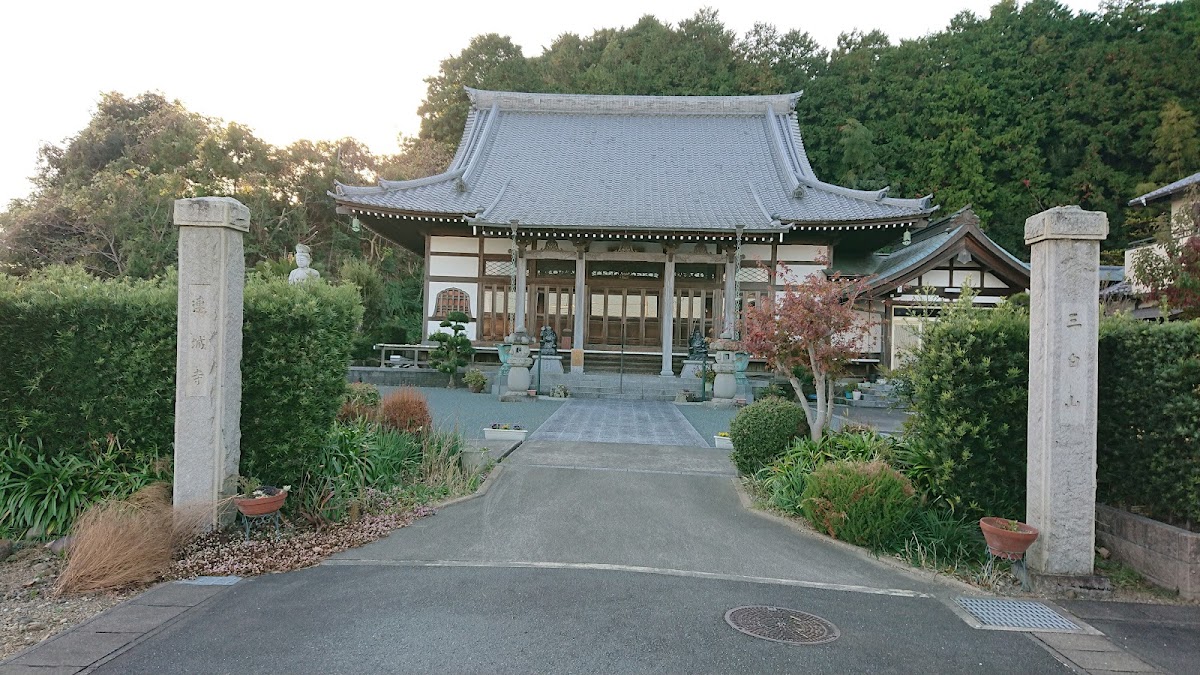
Renjoji Temple (Iwata City, Shizuoka Prefecture) Complete Guide | History and Highlights of a Soto Zen Temple Associated with Taira no Kiyomori and Shigemori
Renjoji Temple, located in Iwata City, Shizuoka Prefecture, is an ancient Soto Zen temple known for its association with Taira no Shigemori, a military commander from the late Heian period. Its mountain name is Sanpakusan, and it is a historically significant temple, housing memorial towers for Taira no Kiyomori and Taira no Shigemori, as well as Shizuoka Prefecture-designated cultural properties, attracting the faith of the local community. This article provides a detailed explanation of Renjoji Temple’s history, highlights, cultural properties, and access information.
Basic Information about Renjoji Temple
Temple Name: Sanpakusan Renjoji Temple
Sect: Soto Zen Buddhism
Address: 1-29-2 Shinkai, Iwata City, Shizuoka Prefecture 438-0025
Founded: Late Heian Period (Tradition)
Founder: Taira no Shigemori (Tradition)
Principal Image: Shakyamuni Buddha
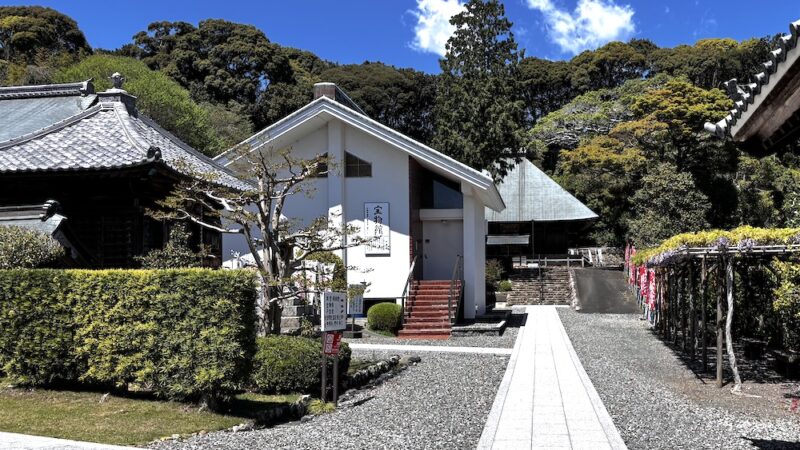
Renjoji Temple is located in a residential area of Iwata City, yet it enjoys a quiet environment surrounded by lush greenery and is a temple beloved by the local community. The temple grounds contain historical memorial towers and ancient burial mounds, making it an important center for preserving cultural properties of Shizuoka Prefecture.
History of Renjoji Temple
Transition from Tendai Buddhism to Soto Zen Buddhism
The origins of Renjoji Temple date back to the late Heian period. According to temple tradition, it is said to have been built during the time when Taira no Shigemori, the eldest son of Taira no Kiyomori, served as the governor of Tōtōmi Province. Initially founded as a Tendai sect temple, it was a central figure in Buddhist faith in the region.
Taira no Shigemori, known as the eldest son of Taira no Kiyomori, was a man of great military prowess and academic proficiency. It is believed that he built this temple during his time governing Tōtōmi Province (present-day western Shizuoka Prefecture). It is thought that his purpose was to pray for the prosperity of the Taira clan and for the peace and security of the region.
Restoration in the Edo Period
After the fall of the Taira clan, Renjōji Temple fell into disrepair over many years. Due to the turmoil of the Sengoku period and repeated wars, many of its buildings were lost, and its function as a temple declined.
The person who restored the dilapidated Renjoji Temple was Okusa Tarozaemon Masanobu, the magistrate of Nakaizumi during the Edo period. Mr. Okusa dedicated himself to the development of the region as the magistrate of Nakaizumi (present-day central Iwata City), and his deep faith in Buddhism led him to decide to restore Renjoji Temple.
Upon its restoration, Renjoji Temple was reborn as a Soto Zen temple. Soto Zen is a branch of Zen Buddhism that emphasizes seated meditation, and it was a sect widely popular among common people during the Edo period. Thanks to Mr. Okusa’s efforts, Renjoji Temple began to carve out a new history as a local Soto Zen temple.
Deep Connection with the Okusa Family
Okusa Tarozaemon Masanobu, the restorer, and his family forged a deep connection with Renjoji Temple. The temple’s cemetery contains the ancestral tombs of the Okusa Tarozaemon family, which are still carefully maintained today. Renjoji Temple, which has also served as the family temple of the Okusa family, is a valuable example of the strong connection between local prominent families and temples.
Highlights and Cultural Assets of Renjoji Temple
Memorial Towers of Taira no Kiyomori and Taira no Shigemori
The cemetery of Renjoji Temple houses memorial towers for Taira no Kiyomori and Taira no Shigemori. These are among the most important historical sites of Renjoji Temple.
Taira no Kiyomori was the first samurai to rise to the position of Grand Minister of State at the end of the Heian period and is known as one of the most powerful figures in Japanese history. His eldest son, Taira no Shigemori, in contrast to his father, is regarded as a gentle and learned individual and is said to have played a role in restraining his father’s excesses.
The memorial towers are thought to have been erected after the downfall of the Taira clan to comfort their spirits. While there are many places associated with the Taira clan throughout Japan, these memorial towers, which demonstrate the connection to Totomi Province, are valuable legacies that tell the story of the region’s history.
Visitors quietly clasp their hands together before the memorial tower, reflecting on the story of rise and fall depicted in the Tale of the Heike. It’s a place that evokes a sense of historical romance and attracts attention from history enthusiasts.
Shizuoka Prefecture Designated Cultural Property: “Triangular-Rimmed Mirror with Arabesque Design and Four Divine Beasts”
The most important cultural property preserved at Renjo-ji Temple is the “Triangular-Rimmed Mirror with Arabesque Design and Four Divine Beasts,” a Shizuoka Prefecture designated cultural property.
This bronze mirror was excavated from the Kyozuka Kofun (ancient burial mound) behind Renjo-ji Temple and was buried as a grave item during the Kofun period. Triangular-rimmed mirrors with divine beasts are representative artifacts of the early Kofun period (3rd-4th centuries), and there are theories that they were a gift from the Wei Dynasty of China or that they were manufactured domestically, making them important in the study of ancient history.
This mirror features intricate depictions of the Four Symbols (Azure Dragon, White Tiger, Vermilion Bird, and Black Tortoise) and the Four Beasts, conveying ancient beliefs and aesthetic sensibilities. The elegant design, with its arabesque pattern adorning the rim, demonstrates the advanced casting techniques of the time.
Renjoji Temple preserves this valuable cultural artifact in a suitable environment, playing a vital role in protecting the region’s historical heritage.
Relationship with the Kofun Cluster
Several kofun (ancient burial mounds) exist within and around the grounds of Renjoji Temple. Of particular note are the Inariyama Kofun and the Akibayama Kofun.
The Inariyama Kofun is located behind Renjoji Temple and is estimated to have been constructed during the mid-to-late Kofun period. It is thought to be the tomb of a powerful local clan that ruled the area, providing clues to the state of the local community at that time.
The Akibayama Kofun is similarly located near Renjoji Temple and forms part of the local kofun cluster. These kofun are important historical sites for understanding the ancient history of Iwata City.
The aforementioned Kyozuka Kofun yielded a triangular-rimmed bronze mirror with arabesque patterns and depicting four deities and four beasts, indicating that this region was an important center during the Kofun period.
Renjoji Temple, while a Buddhist temple, possesses a continuity as a place of worship dating back to ancient times, making it a valuable space where one can experience the layers of history.
Architecture and Grounds of Renjoji Temple
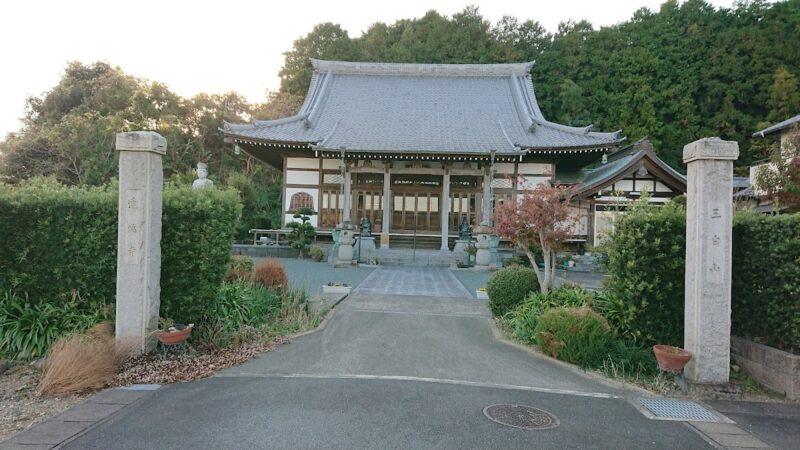
Main Hall and Temple Layout
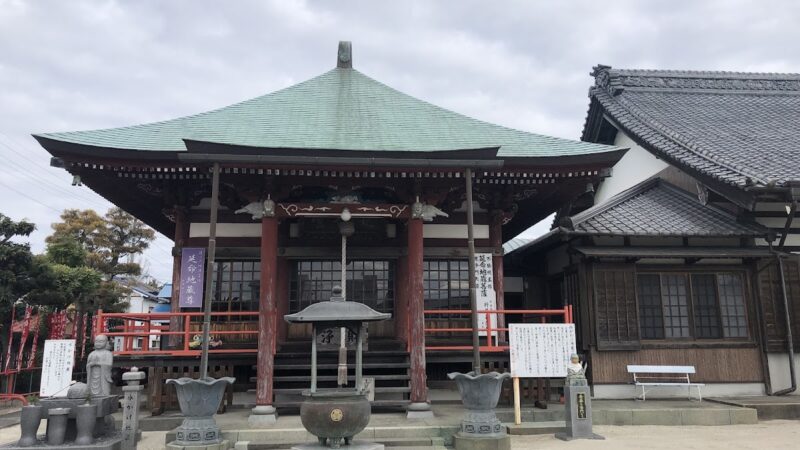
The main hall of Renjoji Temple is a wooden building in the typical style of a Soto Zen temple. Since its reconstruction in the Edo period, it has undergone several repairs, yet still preserves the traditional appearance of temple architecture.
The main hall houses the principal image, Shakyamuni Buddha, and daily services and religious ceremonies are held there. Based on the teachings of the Soto Zen sect, it is also used as a place for Zen meditation practice, and Zen meditation sessions are held with participation from local parishioners.
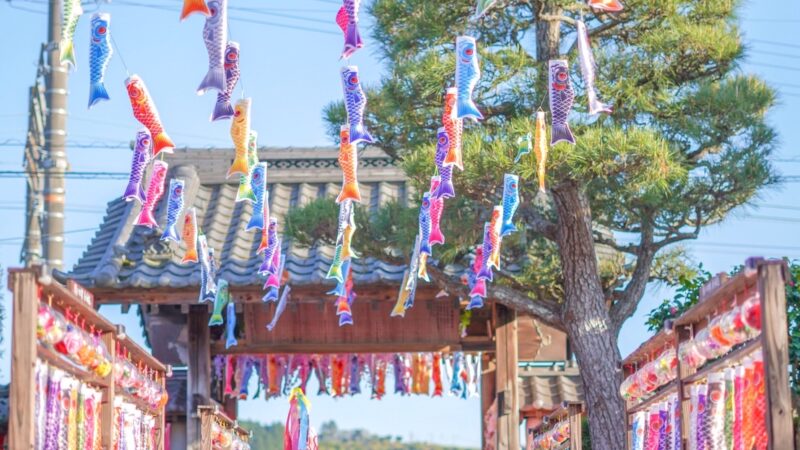
The temple grounds are meticulously maintained, and seasonal flowers welcome visitors. The temple offers particularly beautiful scenery during the cherry blossom season in spring, the fresh greenery of early summer, and the vibrant autumn foliage.
Cemetery and Memorial Facilities
The cemetery at Renjoji Temple contains the memorial towers of Taira no Kiyomori and Taira no Shigemori, the ancestral tombs of the Okusa Tarozaemon family, and the tombs of local parishioners. The cemetery is meticulously maintained and cherished as a place for ancestral worship.
Perpetual memorial graves are also available, providing a form of memorial service that meets modern needs.
Annual Events at Renjoji Temple
Main Ceremonies and Events
As a Soto Zen temple, Renjoji Temple holds various ceremonies and events throughout the year.
Spring and Autumn Equinox Ceremonies: These ceremonies are held during important periods for ancestral worship. Many parishioners attend to comfort the spirits of their ancestors.
Obon Memorial Service: In August, the Obon festival is held, a traditional event to welcome the spirits of ancestors. A Segaki memorial service may also be held at the same time.
Founder’s Memorial Service: As a memorial service to commemorate the temple’s history, special services are held on the anniversaries of the deaths of the founder and restorer, Okusa Tarozaemon Masanobu.
Zen Meditation Sessions: As an opportunity to practice Zen meditation, a fundamental aspect of the Soto Zen sect, regular Zen meditation sessions are held. There are also sessions open to beginners, providing a valuable opportunity to experience the teachings of Zen.
Community Involvement
Renjoji Temple, as a central temple in the Shinkai district of Iwata City, serves as a spiritual pillar for the local community. It cooperates with local festivals and events, cherishing its ties with residents.
Access to Renjoji Temple
Access by Public Transportation
Using the JR Tokaido Main Line:
- Approximately 20 minutes on foot from JR Iwata Station
- By bus from JR Iwata Station: Get off at the “Shinkai” bus stop on the Enshu Railway Bus, then approximately 3 minutes on foot
Access by Car:
- Approximately 10 minutes from the Tomei Expressway “Iwata IC”
- Approximately 5 minutes from the “Nakaizumi” intersection on National Route 1
Parking
Renjoji Temple has parking spaces for visitors. It may get crowded during religious services and events, so we recommend visiting with plenty of time to spare.
Notes for Visitors
Renjoji Temple is an active temple and a place of worship for its parishioners. Please note the following points when visiting the temple:
- Maintain silence within the temple grounds and avoid disturbing other visitors.
- Photography inside the main hall may require permission.
- Enter the cemetery carefully and respect the graves of other families.
- Please take all your trash with you.
Nearby Attractions
Historical Sites in Iwata City
When visiting Renjoji Temple, you can also visit other historical sites in Iwata City.
Former Mitsuke School: This is one of the oldest existing elementary school buildings in Japan, featuring a pseudo-Western style architecture from the Meiji era. It is designated as a national historical site.
Iwata City Fragrance Museum: A unique museum themed around fragrance, where you can learn about the history and culture of perfume.
Fuhachimangu Shrine: A shrine that has long been revered as the principal shrine of Totomi Province.
Former Akamatsu Family Memorial Hall: A facility that preserves the residence of a wealthy merchant from the Meiji era, where you can learn about the lifestyle and culture of that time.
Cultural Properties of Iwata City
Iwata City has many cultural properties besides Renjo-ji Temple. These include the wooden seated statue of Amida Buddha at Shinzo-in Temple (a National Important Cultural Property) and the Kumano Wisteria (a National Natural Monument), making it a treasure trove of history and nature.
Renjo-ji Temple and the Buddhist Culture of Iwata
Position in the Buddhist History of Totomi Province
Totomi Province (present-day western Shizuoka Prefecture) was a region where Buddhist culture flourished from ancient times. During the Nara period, provincial temples (Kokubun-ji and Kokubun-niji) were established, and during the Heian period, Tendai and Shingon Buddhist temples were founded throughout the region.
Renjo-ji Temple is said to have been founded at the end of the Heian period and is distinctive for its connection to the Taira clan, a powerful central authority. The legend that Taira no Shigemori, who was appointed governor of Totomi Province, built the temple is an important example of cultural exchange between the central and local areas.
With its reconstruction as a Soto Zen temple during the Edo period, Renjo-ji Temple became a center of Zen Buddhist culture. The Soto Zen sect, with Eihei-ji Temple in Fukui Prefecture and Soji-ji Temple in Yokohama City as its head temples, emphasizes “Shikantaza,” that is, single-minded devotion to seated meditation.
Iwata City Temple Network
Iwata City is home to temples of various sects, including Soto Zen, Rinzai Zen, Jodo, and Shinshu. Renjo-ji Temple, as a Soto Zen temple, plays a vital role in supporting the local Buddhist culture.
Local temples cooperate with each other in Buddhist ceremonies, cultural property preservation, and community service activities. Renjo-ji Temple also plays an important role within this network.
Renjo-ji Temple: Present and Future
Cultural Property Preservation Efforts
Renjo-ji Temple is responsible for the preservation of the Sankakubuchi Karakusamon Obi Shijin Shiju Kyo (Triangular-rimmed Arabesque Patterned Mirror with Four Gods and Four Beasts), a Shizuoka Prefecture designated cultural property. Efforts to protect cultural properties continue, including maintaining an appropriate preservation environment, regular inspections, and collaboration with experts.
We are also working to preserve the burial mounds in cooperation with the local education board and cultural property protection organizations.
Contribution to the Local Community
Modern temples are expected to contribute to the local community in addition to their traditional religious activities. Renjo-ji Temple not only provides courteous service to its parishioners, but also engages in open temple activities such as holding Zen meditation sessions, opening cultural properties to the public, and cooperating with local events.
In today’s society, where the birthrate is declining and the population is aging, the role of temples is also changing. We are required to maintain our traditions while responding to new needs such as end-of-life planning consultations, perpetual memorial services, and emotional support.
Passing on to the Next Generation
It is our responsibility, as those living in the present, to pass on the history and culture of Renjo-ji Temple to the next generation. We need to pass on the historical value of the temple as a place associated with Taira no Shigemori, its precious cultural properties, and its role as a center of local faith to future generations.
Various initiatives can be considered, such as activities to teach history to local children, introducing Buddhist culture to younger generations, and disseminating information using digital technology.
Summary
Renjoji Temple in Iwata City, Shizuoka Prefecture, is a temple with a long history, from its founding in the late Heian period to its restoration in the Edo period and continuing to the present day. It possesses numerous elements of high historical and cultural value, including its deep connection to Taira no Kiyomori and Taira no Shigemori, the triangular-rimmed arabesque-patterned mirror with four gods and four beasts (a Shizuoka Prefecture designated cultural property), and the surrounding burial mounds.
As a Soto Zen temple, Renjoji Temple supports the faith of the local community while also working to protect cultural properties and contribute to the local society. It is an important presence connecting the past, present, and future.
When you visit Iwata City, be sure to visit Renjoji Temple and experience its history and culture. As you pray in the quiet temple grounds, you will feel the flow of history, from the rise and fall of the Taira clan to its restoration in the Edo period and up to the present day.
Renjoji Temple is not merely a tourist spot; it is a living place of faith. It will continue to stand quietly in Iwata, a place where the prayers of the local people gather.