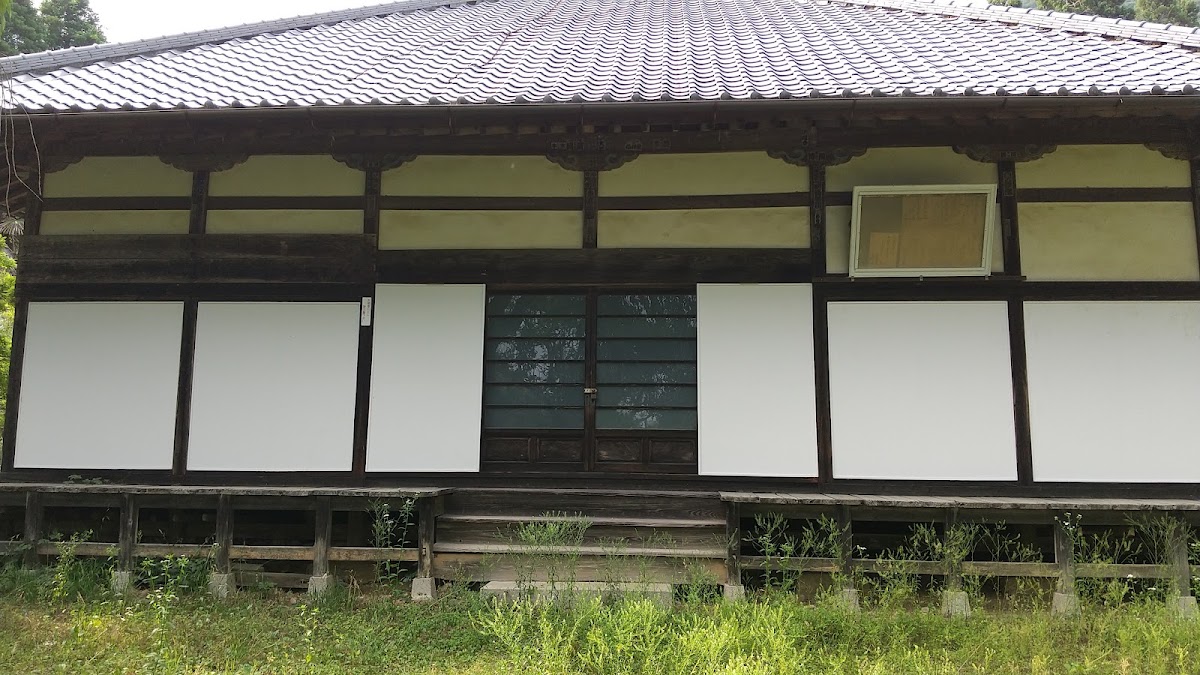
Garyuin Temple (Tochigi Prefecture) Complete Guide: History, Highlights, and Access Information
Tochigi Prefecture boasts numerous historical temples, but Garyuin Temple is one of the most important, deeply rooted in the local community. This article provides a detailed explanation of everything you need to know before visiting, from Garyuin Temple’s historical background to its highlights and visiting information.
What is Garyuin Temple? Its Place in Tochigi Prefecture
Garyuin Temple is a Buddhist temple located in Tochigi Prefecture, a historic temple that has long been revered by the local people. The name “Garyu” (臥竜) represents a dragon lying down, and is thought to be related to the temple’s location and origin.
While there are several temples with the same name throughout Japan, the Garyuin Temple in Tochigi Prefecture possesses its own unique history and culture, maintaining deep ties with its parishioners and local residents.
Basic Information about the Temple
Here’s a summary of basic information you should know when visiting Garyuin Temple:
- Location: Within Tochigi Prefecture (Specific locations vary depending on the Garyuin Temple)
- Sect: Various Buddhist sects (May vary depending on the temple)
- Principal Image: Principal image based on the traditions of each temple
- Founder: Founded based on local history
History and Origin of Garyuin Temple
Background of Founding
The founding period and founder of Garyuin Temple vary depending on the history and traditions of each temple, but in most cases, they are believed to have been founded by influential local figures or monks during the medieval or early modern period.
Tochigi Prefecture has long been known as Shimotsuke Province, and Buddhist culture took root early in the region, with the establishment of Shimotsuke Yakushi-ji Temple during the Nara period. Garyuin Temple also developed as a spiritual pillar in the local community within this flow of Buddhist culture in Tochigi Prefecture.
Origin of the Name “Garyu”
There are several interpretations of the name “Garyu”:
- Topographical Features: The name was derived from the fact that the topography of the land where the temple is located resembles a dragon lying down.
- Feng Shui Principles: In Chinese Feng Shui philosophy, it indicates an auspicious location where dragon veins (the flow of earth’s energy) gather.
- Buddhist Symbolism: In Buddhism, the dragon is a protector of Buddhist teachings, and its peaceful reclining posture symbolizes peace and stability.
These origins reflect the temple’s important spiritual significance to the region.
Historical Transformations
Garyuin Temple has experienced various transformations throughout its long history:
- Medieval Period: The danka system (parishioner system) was established, making it a center of local faith.
- Edo Period: The temple’s foundation was strengthened under the shogunate system.
- Meiji Restoration: It survived despite the impact of the anti-Buddhist movement.
- Modern Era: It continues to function as a core of the local community.
Highlights of the Temple Grounds
Main Hall
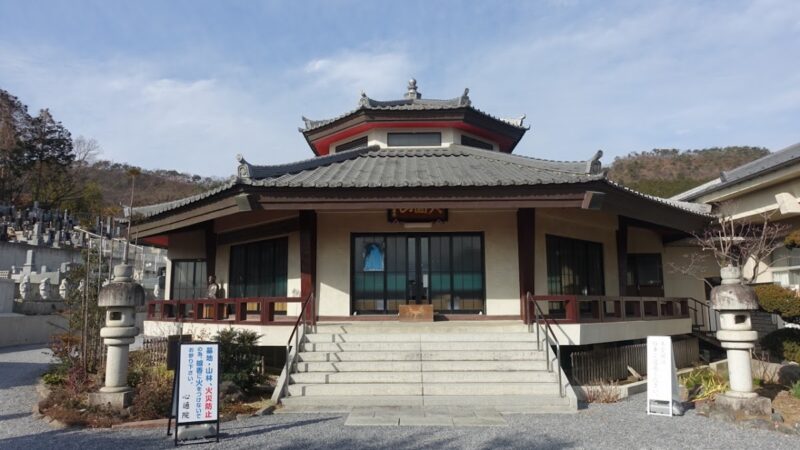
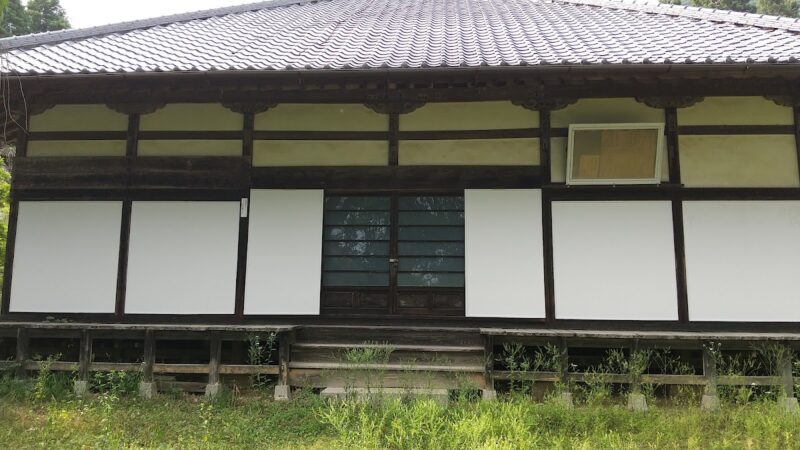
The main hall of Garyuin Temple welcomes visitors as the central building of the temple. The architectural style of the main hall varies depending on the construction period and the history of renovations, but in most cases, it exhibits characteristics of traditional Japanese architecture.
The principal image is enshrined inside the main hall, and daily services and religious ceremonies are held there. Visitors can quietly join their hands in prayer in the main hall and pray for peace of mind.
Temple Gate and Grounds
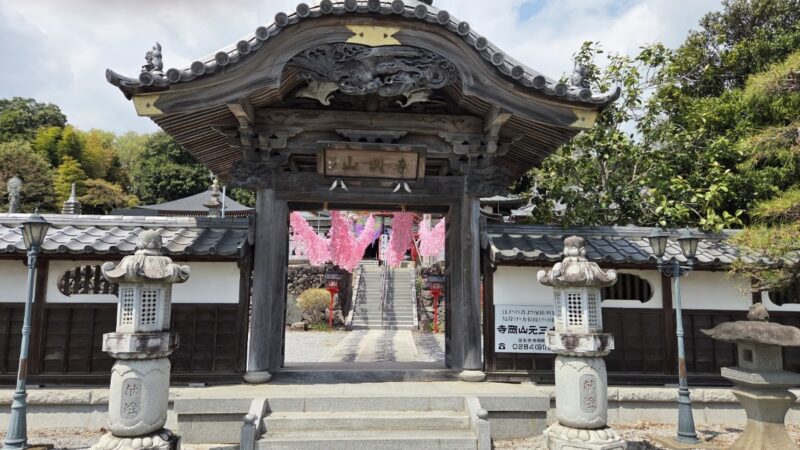
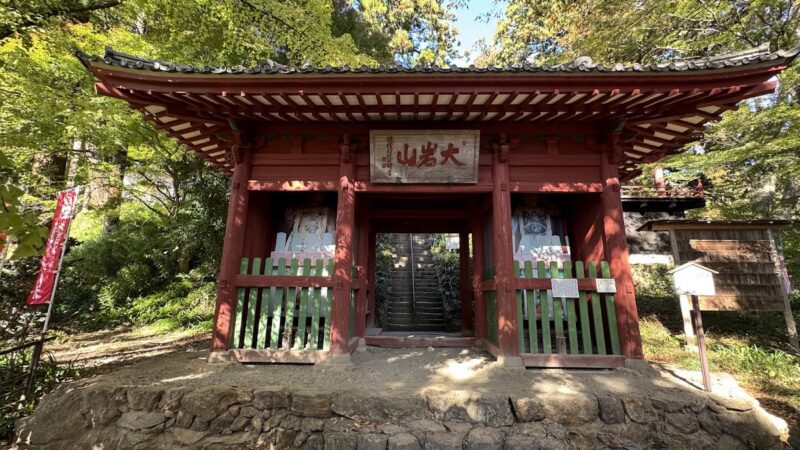
The temple gate, which serves as the entrance to the temple, is a symbolic presence separating the secular world from the sacred realm. By passing through the temple gate, you can escape the hustle and bustle of everyday life and enter a space of spiritual tranquility.
The temple grounds may contain the following elements:
- Stone monuments and memorial towers: Memorial towers for successive chief priests and parishioners
- Bell tower: The temple bell that marks the time
- Garden: A Japanese garden that changes its appearance with each season
- Jizo statue: A Jizo statue for the protection of children and for the repose of stillborn babies
Seasonal Scenery
The grounds of Garyuin Temple offer the opportunity to enjoy the beauty of nature throughout the four seasons:
- Spring: Cherry blossoms and plum blossoms adorn the grounds, giving a sense of new life
- Summer: Lush green trees create cool shade, and the sound of cicadas fills the air
- Autumn: Autumn leaves dye the grounds red and yellow, creating a serene beauty
- Winter: Snow-covered grounds exude a dignified atmosphere
Goshuin (temple stamp) and Visiting Information
Regarding Goshuin (temple/shrine stamps):
In recent years, collecting Goshuin has become popular as part of temple and shrine visits. Goshuin may also be available at Garyuin Temple.
Basic Manners for Receiving a Goshuin (Temple/Shrine Seal):
- Receive after worship: First, worship at the main hall before going to the Goshuin office.
- Prepare your Goshuincho (stamp book): Some people use separate books for shrines and temples.
- Request politely: Politely ask, “May I receive a Goshuin?”
- Prepare the offering: Generally around 300-500 yen.
- Have a feeling of gratitude: Receive it as proof of faith, not as a stamp rally.
Visiting Hours and Admission Fees
General temple visiting hours are as follows, but it is recommended to check the specific visiting hours for Garyuin Temple in advance:
- Visiting Hours: From sunrise to sunset (varies by temple)
- Admission Fee: Generally free (separate fees may apply for special viewings)
- Goshuin Reception Hours: Approximately 9:00-17:00 (varies by temple)
Access Information
Access by Public Transportation
Access to Garyuin Temple in Tochigi Prefecture varies depending on the specific location, but the general methods are as follows:
- By Train:
- Use the nearest station on the JR Tohoku Main Line, Utsunomiya Line, or Tobu Railway
- Travel by bus or taxi from the station
- By Bus:
- Take a local bus to the nearest bus stop
- Walk from the bus stop
Access by Car
The following information will be helpful for those planning to visit by car:
- Expressway: Take the Tohoku Expressway to the nearest interchange and then onto local roads
- Parking: Parking spaces may or may not be available at the temple, so please check in advance
- Car Navigation Settings: Search by temple name or address
Points to Note When Visiting
When visiting Garyuin Temple, please note the following:
- Attire: Dress appropriately for worship.
- Photography: Permission may be required to take photographs inside the main hall.
- Quiet Respect: Please be quiet within the temple grounds and be considerate of other visitors.
- During Buddhist Services: When Buddhist services or memorial services are being held, please refrain from general worship.
Main Events Held at Garyuin Temple
Annual Events
Various events are held at the temple throughout the year. The following events may be held at Garyuin Temple:
- New Year’s Events: First shrine visit of the New Year, Shusho-e (New Year’s service)
- Spring Events: Spring equinox memorial service, Hana Matsuri (Buddha’s birthday celebration)
- Summer Events: Obon (Buddhist festival), Segaki memorial service
- Autumn Events: Autumn equinox memorial service
- Winter Events: New Year’s Eve bell ringing
Special Memorial Services
In addition to regular annual events, the following memorial services are also held:
- Monthly Memorial Services: Memorial services on the anniversary of death each month
- Ancestral Memorial Services: Memorial services for the ancestors of the temple’s parishioners
- Individual Memorial Services: Annual memorial services, Mizuko Kuyo (memorial services for stillborn babies), etc.
Garyuin Temple and the Local Community
The Connection Between the Temple System and the Community
Garyuin Temple, as a temple serving the local community, has deep ties with the local community. The danka system was established during the Edo period, fostering a relationship of mutual support between temples and their parishioners.
Even today, Garyuin Temple contributes to the local community in the following ways:
- Funeral and Memorial Service Execution: Providing religious ceremonies at important life events
- Spiritual Counseling: Life counseling and advice on personal problems by the head priest
- Cultural Preservation: Preservation and transmission of Buddhist culture and local traditional events
- Community Gathering Place: Providing a place for local residents to gather and interact
Social Contribution Activities
Many temples engage in various social contribution activities in modern society:
- Children’s Activities: Temple schools, sutra copying sessions, Zen meditation sessions, etc.
- Elderly Support: Listening activities, end-of-life planning consultations
- Disaster Relief: Support for disaster-stricken areas, provision of shelters
- Environmental Conservation: Preservation of green spaces on the temple grounds, cleaning activities
Temple Culture in Tochigi Prefecture and Garyuin Temple
Buddhist History in Tochigi Prefecture
Tochigi Prefecture (formerly Shimotsuke Province) occupies an important position in the history of Buddhism in Japan:
- Shimotsuke Yakushi-ji Temple: A central temple in eastern Japan, founded during the Nara period.
- Nikkozan Rinnoji Temple: A renowned Tendai sect temple that developed alongside Nikko Toshogu Shrine.
- Ashikaga School: Japan’s oldest school, a center of learning including Buddhism.
Within this rich foundation of Buddhist culture, Garyu-in Temple also played a role in supporting local faith.
Relationships with Other Temples in Tochigi Prefecture
Garyuin Temple has various relationships with other temples in Tochigi Prefecture:
- Network within the Sect: Interaction with temples of the same sect
- Cooperation with Local Temples: Cooperation with local Buddhist associations and temple groups
- Cultural Property Protection: Participation in preservation activities for Buddhist cultural properties in the prefecture
Manners and Etiquette for Visiting Temples
Basic Visiting Etiquette
Here are the basic visiting etiquette rules for Buddhist temples, including Garyuin Temple:
- Bow at the Temple Gate: Bow at the temple gate before entering the temple grounds
- Purification at the Water Basin: If there is a water basin, purify your hands and mouth
- Visiting the Main Hall:
- Quietly place your offering in the offering box
- Join your hands and bow
- Pray sincerely
- Bow again
- Bow upon Exit: Turn around and bow when leaving the temple gate
Regarding Offerings
The following are suitable offerings for the temple:
- Flowers: Fresh flowers to offer before the Buddha (avoid those with thorns)
- Incense: To welcome the Buddha with fragrance
- Candles: Light symbolizing the Buddha’s wisdom
- Sweets and Fruits: Items that keep well (they will be taken down and distributed later)
Best Season to Visit Garyuin Temple
Spring Visit (March-May)
Spring is a beautiful season with fresh greenery and flowers:
- Highlights: Cherry blossoms, plum blossoms, fresh greenery
- Events: Spring Equinox, Flower Festival
- Climate: Pleasant weather, ideal for strolling
Summer Visit (June-August)
Summer offers lush greenery and a tranquil atmosphere:
- Highlights: Deep greenery, lotus flowers (if available)
- Event: Obon Festival
- Climate: Hot, but cool in the shade of the trees on the temple grounds
Autumn Visit (September-November)
Autumn is the most popular season, with beautiful autumn foliage:
- Highlights: Autumn leaves, autumn flowers
- Event: Autumn Equinox
- Climate: Cool, ideal for visiting
Winter Visit (December-February)
Winter offers a peaceful atmosphere to calm the mind:
- Highlights: Snowscapes, crisp air
- Events: New Year’s Eve bell ringing, first shrine visit of the year
- Climate: Cold, but quiet with fewer people
Nearby Tourist Attractions
When visiting Garyuin Temple, combining your visit with other tourist spots in Tochigi Prefecture will make your trip even more fulfilling:
Historical and Cultural Spots
- Nikko Toshogu Shrine: A magnificent shrine dedicated to Tokugawa Ieyasu, registered as a World Heritage Site.
- Ashikaga School: A historical site known as Japan’s oldest school.
- Tochigi City’s Warehouse District: A beautiful townscape retaining the atmosphere of the Edo period.
Nature and Leisure Spots
- Nasu Highlands: A popular highland resort area.
- Kegon Falls: One of Japan’s three most famous waterfalls.
- Kinugawa Onsen: One of the leading hot spring resorts in the Kanto region.
How to Contact Garyuin Temple
Things to Check in Advance
Before visiting Garyuin Temple, we recommend checking the following:
- Visiting Hours: Especially if you wish to receive a Goshuin (temple stamp).
- Parking Availability: If visiting by car.
- Schedule of Special Events: Schedule of annual events and memorial services.
- Viewing Availability: Whether it is possible to view the interior of the main hall.
Etiquette for Inquiries
When contacting a temple, please observe the following etiquette:
- Time of Day: Avoid early mornings and late nights; 9:00 AM to 5:00 PM is appropriate.
- Language: Use polite language and state your request concisely.
- Preparation: Organize your questions before calling.
- Expressing Gratitude: Don’t forget to express your gratitude for their assistance.
Summary: The Charm of Garyuin Temple
Garyuin Temple has played an important role as a temple deeply connected to the local community within the rich Buddhist culture of Tochigi Prefecture. Its appeal can be summarized as follows:
- Historical Value: A long history and a transmission of local culture
- Spiritual Sanctuary: A source of emotional support for parishioners and local residents
- Harmony with Nature: Beautiful temple grounds throughout the seasons
- Cultural Function: Transmission of Buddhist culture and traditional events
- Social Contribution: A role as the core of the local community
In modern society, temples are not merely religious institutions, but important places for people seeking peace of mind. By visiting Garyuin Temple, you can escape the hustle and bustle of everyday life and have time to quietly reflect on yourself.
When you visit Tochigi Prefecture, be sure to visit Garyuin Temple and experience its history, culture, and tranquil atmosphere. In the quietness of the temple grounds, you will find peace of mind and gain new insights.