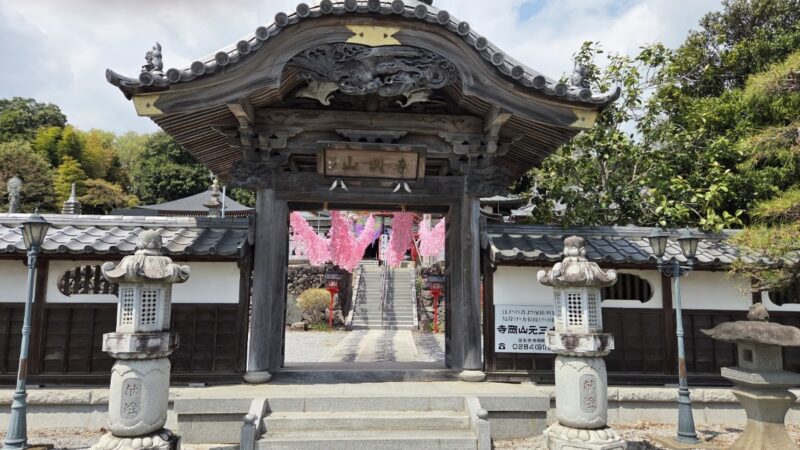
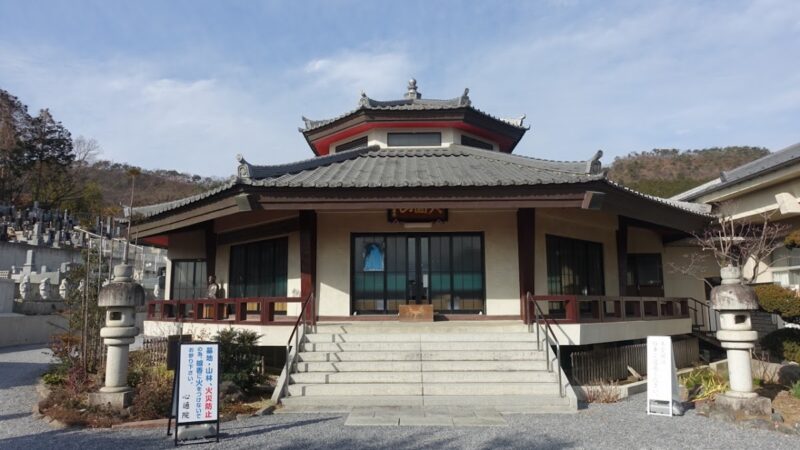
About Rinnoji Temple
Rinnoji Temple is a Tendai sect temple located in Nikko City, Tochigi Prefecture. It is also the collective name for the entire Nikko Mountain area, and along with Toshogu Shrine and Futarasan Shrine, it was registered as a UNESCO World Heritage Site in 1999 as part of “Shrines and Temples of Nikko.”
History and Origin
It is believed to have originated in 766 (Tenpyo-Jingo 2) when it was founded as Shihonryuji Temple by Shodo Shonin. During the Heian period, it developed as a center of the Tendai sect, and from the Kamakura period onward, it became the central figure of the Tendai sect in the Kanto region. During the Edo period, it received patronage from the Tokugawa family, and flourished, with the construction of Taiyuin, the mausoleum of the third shogun, Iemitsu. Following the separation of Shinto and Buddhism in the early Meiji period, it adopted its current name, “Rinnoji Temple.”
Main Highlights
Sanbutsudo (Three Buddha Hall)
The Sanbutsudo, the main hall of Rinnoji Temple, is one of the largest wooden structures in eastern Japan. Inside, three gigantic golden Buddha statues are enshrined: Senju Kannon (Mt. Nantai), Amida Nyorai (Mt. Nyohō), and Batō Kannon (Mt. Tarō), the principal deities of the three Nikko mountains. The statues, approximately 7.5 meters tall, are truly awe-inspiring.
Taiyūin (Taiyūin Temple)
This is the mausoleum of Tokugawa Iemitsu, the third shogun, and is designated a National Treasure. While it has a more subdued atmosphere than Tōshōgū Shrine, it is characterized by its luxurious decorations adorned with gold leaf and color. A series of gates, including the Niomon, Nitenmon, and Yashamon, all designated Important Cultural Properties, line the path, and the more you proceed, the more sacred the space becomes.
Shōyōen (Shōyōen Garden)
This is a pond-centered strolling garden created in the early Edo period. Enjoy the scenery of each season, especially the cherry blossoms in spring, the fresh greenery in early summer, and the autumn foliage. The tranquil garden is also ideal for resting after your visit.
Treasure Hall
This hall houses and displays valuable cultural artifacts, including items related to the Tokugawa family and Buddhist art. You can admire historically valuable items such as the shogun’s armor, swords, calligraphy, paintings, and Buddhist statues up close.
Points to Note During Your Visit
Recommended Visiting Route
- It is common to begin your visit at the Sanbutsudo (Three Buddha Hall).
- Head to Taiyuin and experience the serene mausoleum space.
- Relax and enjoy the seasonal nature at Shoyoen (Shoyo Garden).
- Admire the historical artifacts at the Treasure Hall.
The estimated time required is approximately 2-3 hours if you take your time to explore each area.
Visiting Hours and Fees
- Visiting Hours: April to October 8:00 AM to 5:00 PM, November to March 8:00 AM to 4:00 PM
- Admission Fee: Combined ticket for Sanbutsudo and Taiyuin: Adults 900 yen, Elementary and Junior High School Students 400 yen
- Set Ticket: A combined ticket with Toshogu Shrine is also available for efficient visitation.
Recommended Time to Visit
- Spring (Mid-April to May): Beautiful cherry blossoms and fresh greenery, and mild weather.
- Autumn (Late October to Early November): Known as a famous spot for autumn leaves, the gardens are particularly magnificent.
- Winter (December to February): The tranquil atmosphere of the snowy landscape is exceptional. Fewer tourists
Benefits and Faith
Main Benefits
- Family Safety: As a sacred site that supported the prosperity of the Tokugawa family
- Academic Success: From its history as a center of Tendai Buddhism
- Protection from Misfortune and Good Fortune: Powerful protection through the spiritual power of the Nikko Three Mountains
- Fulfillment of Wishes: Fulfillment of all wishes through the compassion of the Thousand-Armed Kannon
Amulets and Goshuin (Temple Seals)
You can receive different goshuin at Sanbutsudo and Taiyuin. The goshuin at Sanbutsudo is particularly valuable as it represents the principal deities of the Nikko Three Mountains. There are also many types of amulets, which you can choose according to your purpose, such as academic success or good health.
Access Information
Access by Train
- Approximately 5 minutes by Tobu Bus “World Heritage Tour” from Tobu Nikko Station or JR Nikko Station, get off at “Shodo Shonin Statue” bus stop.
- Approximately 30 minutes on foot from the station (approx. 2km)
Access by Car
- Approximately 2km (5 minutes) from Nikko IC on the Nikko-Utsunomiya Expressway
- Parking: In addition to the Rinnoji Temple’s dedicated parking lot (paid), there are municipal parking lots nearby.
Combining with Nearby Sightseeing
Rinnoji Temple is within walking distance of Toshogu Shrine and Futarasan Shrine, allowing you to visit Nikko’s main temples and shrines in half a day to a full day. For efficient sightseeing, the order Rinnoji Temple → Toshogu Shrine → Futarasan Shrine is recommended.
Summary
Rinnoji Temple is a central temple of Nikkozan faith with a history of over 1200 years. The magnificent architecture, registered as a World Heritage Site, the cultural assets associated with the Tokugawa family, and the beautiful gardens that change with the seasons leave visitors deeply impressed. When visiting Nikko, this is a renowned temple that you should definitely take your time to visit and savor.