About Takio Shrine
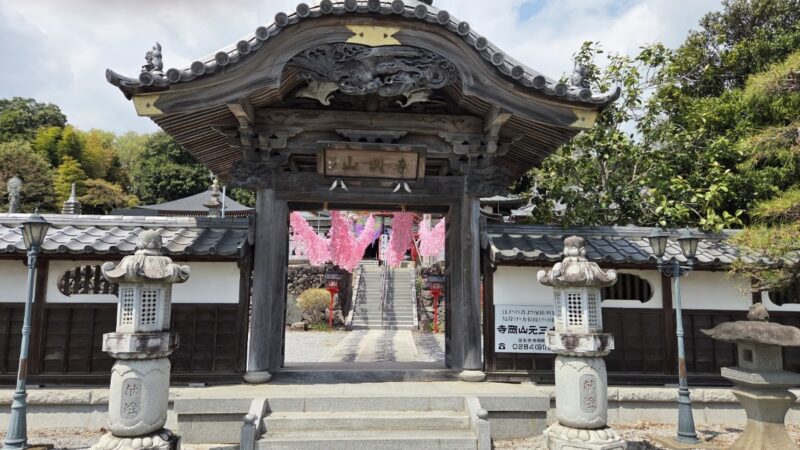
Takio Shrine is a historic shrine located in Higashiyama Ward, Kyoto City. Situated in a quiet residential area south of Kennin-ji Temple, just off Higashi-oji Street, it maintains a tranquil atmosphere despite its proximity to the bustling tourist attractions of Kiyomizu-dera Temple and Yasaka Shrine, making it a hidden power spot.
Deities and History
The main deity is Ōnamuchi-no-kami, another name for Ōkuninushi-no-mikoto. It is said to have been established in 869 AD (Jōgan 11) by Fujiwara no Mototsune, boasting a history of over 1150 years. Initially located in the mountains north of its current location, it was later moved to its present site.
The Main Highlight: The Giant Wooden Dragon in the Main Hall
Breathtaking Ceiling Carvings
The main highlight of Takio Shrine is the giant wooden dragon, approximately 8 meters long, carved into the ceiling of the main hall’s worship hall. This dragon was created by Shintaro Kyuyama, a master craftsman of the late Edo period, and its power and exquisite craftsmanship are considered among the finest works of art in Kyoto.
The dragon has a dynamic presence, as if it could leap out of the ceiling at any moment, and the meticulously carved scales, claws, and expression are overwhelming to behold. A legend remains that the dragon would escape every night to drink water from a nearby pond, attesting to its powerful spiritual presence.
Points for Photography and Viewing
- From the front of the main hall: You can capture the entire dragon.
- From an angle: This angle best conveys the three-dimensionality and power of the dragon.
- On a sunny day: Natural light shines in, beautifully highlighting the shadows of the wood carving.
- Photography is permitted, but please refrain from using flash.
Highlights of the Shrine Grounds
Main Hall and Worship Hall
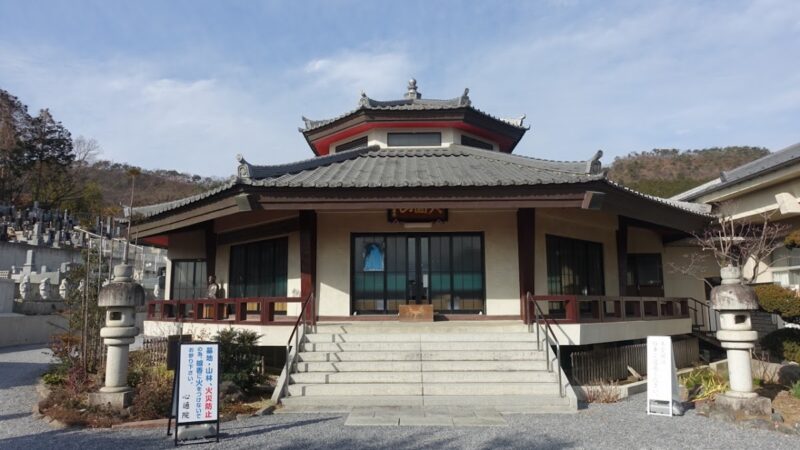
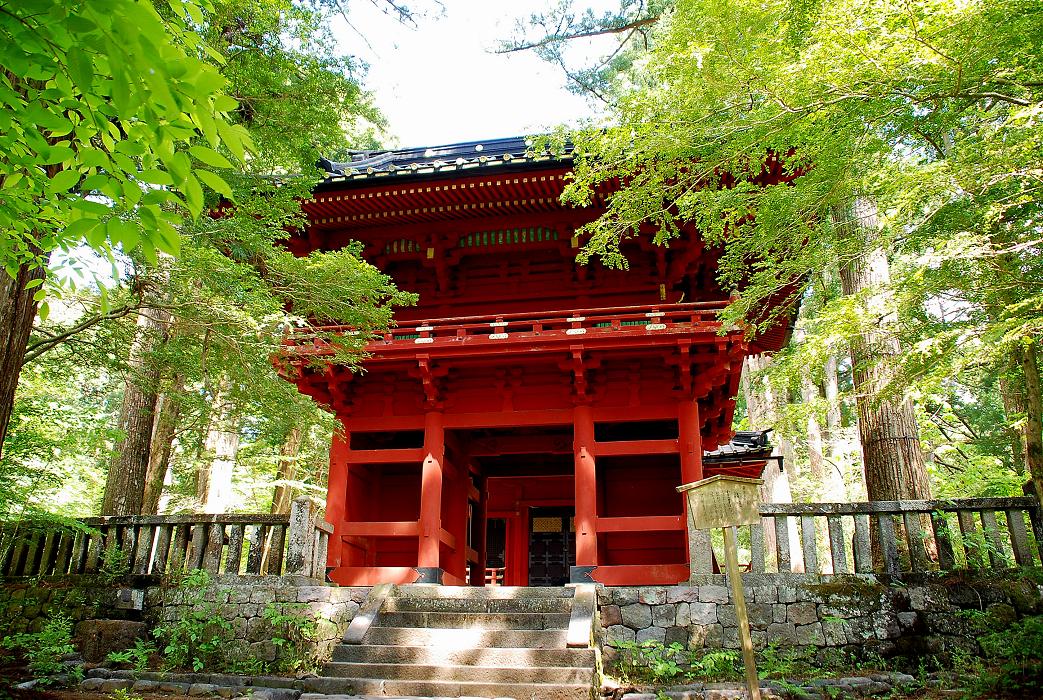
The wooden main hall is a valuable structure that preserves the architectural style of the Edo period. The worship hall has an open design, allowing visitors to view the dragon on the ceiling up close.
Dragon God’s Water Basin
The water basin near the entrance to the shrine grounds also features dragon carvings, reflecting the deep devotion to the dragon god. The sight of pure water flowing from the dragon’s mouth creates an atmosphere suitable for purifying the mind and body before worship.
Shrines within the Precincts
Several shrines are enshrined around the main hall, including Inari shrines and Ebisu shrines, each offering different blessings.
Blessings and Divine Virtues
Takio Shrine is believed to offer the following blessings:
Main Benefits
- Business Prosperity: Ōkuninushi-no-Mikoto is also worshipped as the god of commerce.
- Good Fortune and Prosperity: General improvement in luck through the power of the Dragon God.
- Matchmaking: Ōkuninushi-no-Mikoto is also famous as the god of matchmaking.
- Family Safety: As the local guardian deity, he protects the peace and well-being of families.
- Exorcism: Dispelling evil spirits through the powerful spiritual energy of the Dragon God.
Particularly Popular Amulets
- Dragon God Amulet: A good fortune amulet depicting a golden dragon.
- Business Prosperity Amulet: A popular red amulet among business owners.
- Matchmaking Amulet: A cute pink and white design.
Points for Visiting
Etiquette for Visiting
- Bow before passing through the torii gate: A courtesy before entering the sacred area.
- Purify yourself at the water basin: Left hand → Right hand → Mouth → Handle of left hand in that order.
- Two bows, two claps, and one bow in front of the main hall: This is the basic etiquette for visiting a shrine.
- Look up at the dragon on the ceiling: Feel the power of the dragon god while making your wish.
- Visit the subsidiary shrines: If you have time, visit all of them.
Recommended visiting times
- Early morning (7:00-9:00): You can have the energy of the dragon god all to yourself in the silence.
- Weekday mornings: There are fewer tourists, allowing for a more relaxed visit.
- Sunny days: The dragon carvings on the ceiling look their most beautiful.
Estimated time required
The shrine grounds are compact, so 20-30 minutes is a good guideline, including time for prayer and receiving a Goshuin (shrine stamp). If you want to carefully appreciate the dragon, it’s best to allow about 40 minutes.
Access Information
Access by Train and Bus
Using Kyoto City Bus
- From Kyoto Station: Take City Bus Route 206 or 100 and get off at “Umamachi” bus stop. Approximately 3 minutes on foot (total travel time approximately 15 minutes).
- From Shijo Kawaramachi: Take City Bus Route 207 and get off at “Umamachi” bus stop. Approximately 3 minutes on foot (total travel time approximately 10 minutes).
- From Gion Shijo Station: Approximately 12 minutes on foot.
Using Keihan Railway
- Approximately 10 minutes on foot from Shichijo Station.
- Approximately 12 minutes on foot from Kiyomizu Gojo Station.
Using Hankyu Railway
- From Kawaramachi Station, take City Bus Route 207 and get off at “Umamachi” bus stop. Approximately 3 minutes on foot.
Access by Car
Approximately 15 minutes from the Meishin Expressway “Kyoto East IC” and approximately 20 minutes from the “Kyoto South IC”. However, there is no dedicated parking, so you will need to use a nearby coin-operated parking lot.
Nearby Parking
- Several coin-operated parking lots are available around Kenninji Temple (within a 5-minute walk).
- Price range: Approximately 200-300 yen for 30 minutes.
- Parking lots tend to fill up quickly on holidays, so using public transportation is recommended.
Combinations with Nearby Tourist Spots
- Kenninji Temple: 5-minute walk, a Zen temple famous for its painting of Fujin and Raijin (Wind God and Thunder God).
- Yasaka Shrine: 10-minute walk, a representative Kyoto shrine known for the Gion Festival.
- Kiyomizu-dera Temple: 15-minute walk, a famous World Heritage site.
- Gion: 10-minute walk, a charming geisha district typical of Kyoto.
Basic Information
|Item|Content|
|—|—|
|Official Name|Takio Shrine|
|Address|〒605-0981 718, Honmachi 11-chome, Higashiyama-ku, Kyoto City, Kyoto Prefecture |
|Phone Number| 075-541-2381 |
|Visiting Hours| Grounds are freely accessible (Shrine office is open from 9:00 to 17:00) |
|Admission Fee| Free |
|Closed Days| None |
|Goshuin (Shrine Stamp)| Available (300 yen, may be pre-printed) |
|Official Website| None |
Visitor Reviews and Reputation
“The dragon on the ceiling is truly magnificent. It’s a quiet shrine that hasn’t been commercialized for tourists, and you can feel the atmosphere of it being loved by the locals.” (Woman in her 40s)
“It’s surprisingly quiet despite being close to Kiyomizu-dera Temple and Yasaka Shrine. The dragon carving is even more impressive than it looks in photos.” (Man in his 30s)
“It’s a small shrine, but I strongly felt the power of the dragon god. I bought a charm for business prosperity, and my sales really did increase afterward.” (Business owner in his 50s)
Summary
Takio Shrine is a hidden gem, a power spot nestled a little away from the hustle and bustle of Kyoto’s Higashiyama district. Its massive 8-meter-long wooden dragon sculpture is one of Kyoto’s finest works of art and well worth seeing. It’s especially recommended for those seeking business prosperity, good fortune, dragon deity worship, and those who wish to worship in peace.
It’s also close to famous tourist spots like Kiyomizu-dera Temple and Yasaka Shrine, so be sure to visit during your Kyoto trip. The warm atmosphere, beloved by locals, and the powerful energy of the dragon deity will surely make your journey special.