About Nikkozan Chuzenji Temple (Tachiki Kannon)
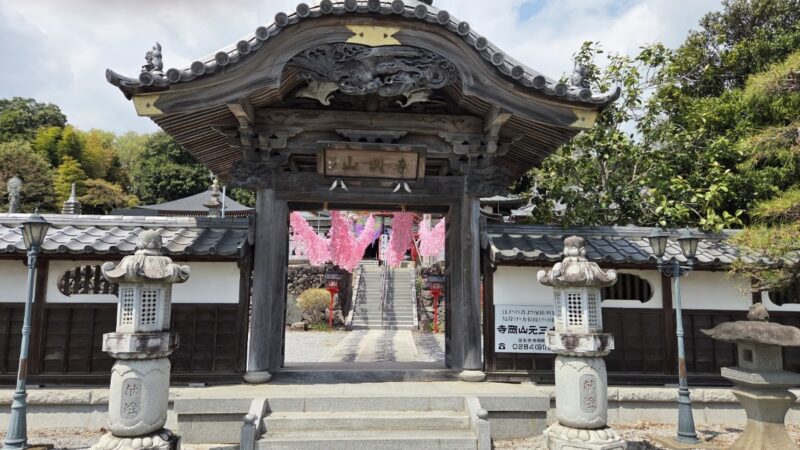
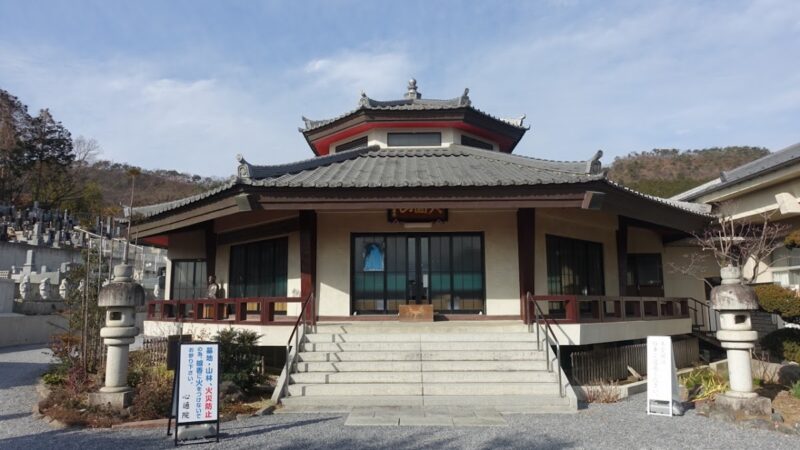
Nikkozan Chuzenji Temple is a Tendai sect temple located on the shores of Lake Chuzenji in Nikko City, Tochigi Prefecture. It is affectionately known as Tachiki Kannon and was founded in 784 (Enryaku 3) by Shodo Shonin, the founder of Nikko.
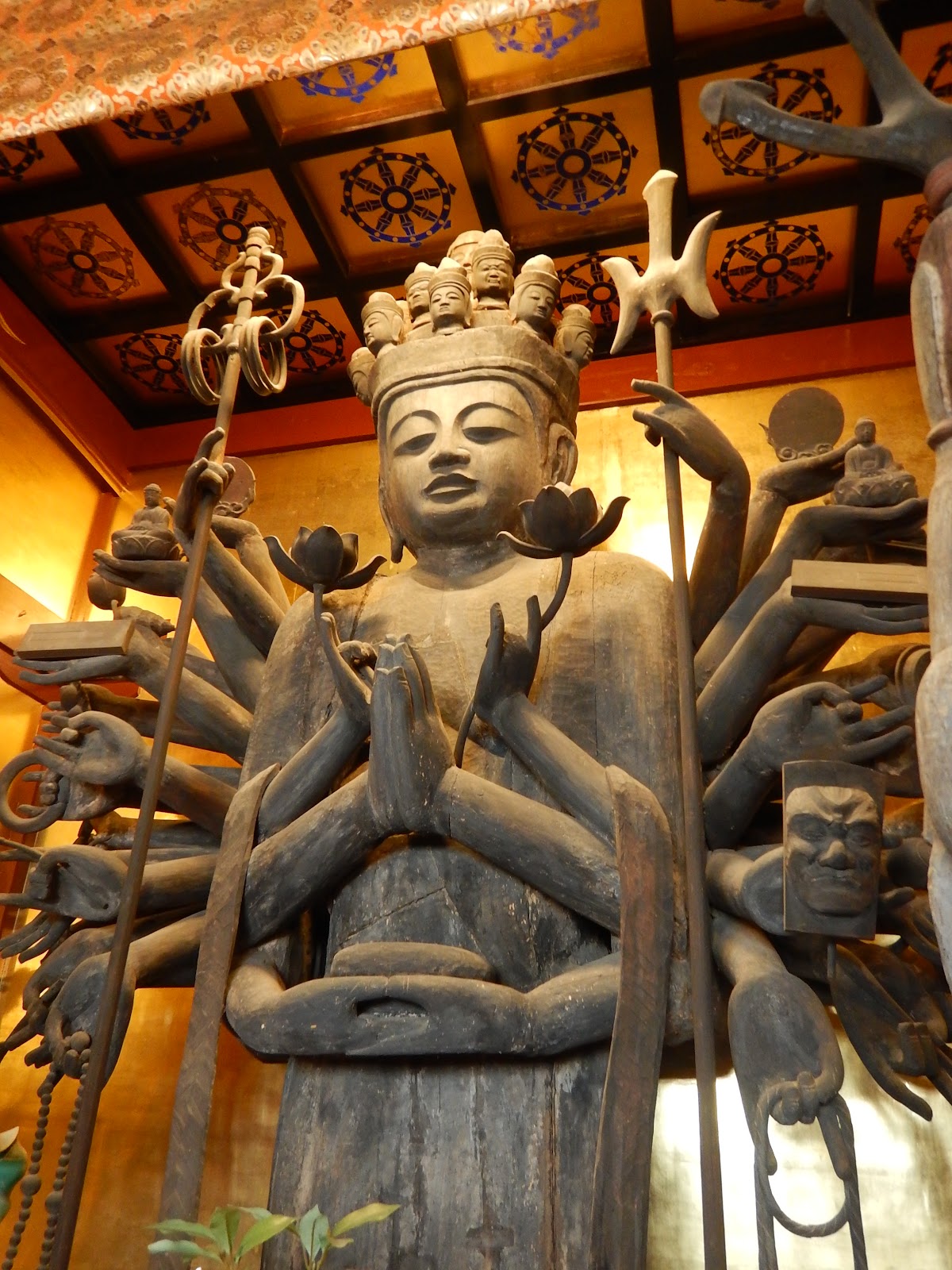
The principal image, a standing statue of the Thousand-Armed Kannon, is a colossal statue approximately 6 meters tall, said to have been carved directly from a standing tree by Shodo Shonin, and is designated as a National Important Cultural Property. Located in a scenic spot overlooking Lake Chuzenji, it boasts a history of over 1200 years as a center of Nikkozan faith.
Highlights and Points of Interest for Visitors
Principal Image: Standing Statue of the Thousand-Armed Kannon (Tachiki Kannon)
The greatest highlight is the Standing Statue of the Thousand-Armed Kannon enshrined in the inner sanctuary of the main hall. This Kannon statue, carved from a single piece of Katsura wood, has the following characteristics:
- An overwhelming presence, standing approximately 6 meters tall
- A rare carving method, using a standing tree
- The form of Senju Kannon, believed to save all sentient beings with a thousand arms
- A nationally designated Important Cultural Property (designated in 1902)
Photography is prohibited inside the main hall, but you can view it up close and directly experience its power.
Pilgrimage to the Thirty-Three Kannon Stone Buddhas
Within the temple grounds are thirty-three Kannon stone Buddhas, modeled after the 100 Kannon pilgrimage sites of Saigoku, Bando, and Chichibu.
- Estimated time: Approximately 30 minutes
- A pilgrimage route overlooking Lake Chuzenji
- You can make a wish in front of each stone Buddha
- A pilgrimage experience while feeling the beauty of nature in the four seasons
It is recommended to visit the stone Buddhas after visiting the main hall. The scenery is especially spectacular during the autumn foliage season (mid-October to early November).
View from Godaido Hall
From the Godaido Hall within the temple grounds, you can enjoy a panoramic view of Lake Chuzenji and Mount Nantai.
- The surface of Lake Chuzenji and the surrounding mountains
- The majestic figure of Mount Nantai (elevation 2,486m)
- A popular spot for photography
- A mystical view shrouded in morning mist during early morning visits
Benefits and Faith
Main Benefits
The Thousand-Armed Kannon of Chuzenji Temple is believed to offer the following benefits:
- Protection from Evil and Good Fortune: Sacred power as the training ground of Shodo Shonin
- Healing from Illness: The compassion of Kannon, who relieves suffering with a thousand hands
- Family Safety: Protection as the fundamental training ground of Nikkozan faith
- Matchmaking: Aizen Myoo is also enshrined here
- Academic Success: A tradition as a Tendai sect temple of learning
Goshuin Information
- Standard Goshuin: Calligraphy of “Tachiki Kannon”
- Goshuin of the 18th Temple of the Bando Thirty-Three Kannon Pilgrimage
- Offering Fee: 300 yen each
- Location: Right side of the main hall
- Original Goshuin notebooks are also available
Access Information
Access by Train and Bus
From JR/Tobu Nikko Station
- Take the Tobu Bus bound for “Chuzenji Onsen” or “Yumoto Onsen”
- Get off at the “Chuzenji Onsen” bus stop (approximately 45 minutes)
- Approximately 5 minutes on foot from the bus stop
- Bus fare: 1,270 yen one way (as of 2024)
- Frequency: Approximately 2-3 buses per hour
- World Heritage Site Sightseeing Bus is also available
Access by Car
- Approximately 20km (approximately 30 minutes) from the Nikko-Utsunomiya Expressway “Kiyotaki IC”
- Via Iroha-zaka to Lake Chuzenji
- Navigation setting: 2578 Nakamiya-cho, Nikko City, Tochigi Prefecture
Parking
- Prefectural Utagahama No. 1 Parking Lot: 3 minutes on foot, 310 yen/day for regular cars
- Chuzenji Onsen Parking Lot: 5 minutes on foot, paid parking
- Early morning arrival is recommended due to congestion during the autumn foliage season
Visiting Information
Basic Information
- Visiting Hours: 8:00 AM – 5:00 PM (9:00 AM – 4:00 PM from November to March)
- Admission Fee: Adults 500 yen, Elementary and Junior High School Students 200 yen
- Estimated Time Required: 20 minutes for the main hall only, 60 minutes including the Thirty-Three Kannon Pilgrimage
- Closed Days: None (may close in case of severe weather)
Best Season for Visiting
- Spring (May): Fresh greenery and mountain cherry blossoms
- Summer (July-August): Comfortable as a summer retreat, average temperature around 20 degrees Celsius
- Autumn (Mid-October to Early November): Famous for autumn foliage, most crowded
- Winter (December-March): Snowscape, quiet with fewer visitors
Nearby Attractions
Spots to visit in conjunction with Chuzenji Temple:
- Kegon Falls: 15-minute walk, one of Japan’s three most famous waterfalls
- Lake Chuzenji Sightseeing Boat: 5-minute walk, scenic views from the lake
- Nikko Futarasan Shrine Chugushi: 10-minute walk, entrance to Mount Nantai
- Ryuzu Falls: 10-minute drive, famous for its autumn foliage
History and Cultural Assets
Since its founding in 784, Chuzenji Temple has flourished as the central temple of Nikko. During the Edo period, it received patronage from the Tokugawa family and played an important role as a branch temple of Nikkozan Rinnoji Temple, alongside Nikko Toshogu Shrine.
Even after the Meiji Restoration’s separation of Shinto and Buddhism, it continued to attract worshippers, and even today, it is visited by many pilgrims as the 18th temple of the Bando Thirty-Three Kannon Pilgrimage.
Within the temple grounds, in addition to the principal image, a standing statue of the Thousand-Armed Kannon, several other important cultural properties are enshrined, including a statue of Aizen Myoo and a statue of Hanori Daikokuten, preserving the history and faith of Nikko to this day.