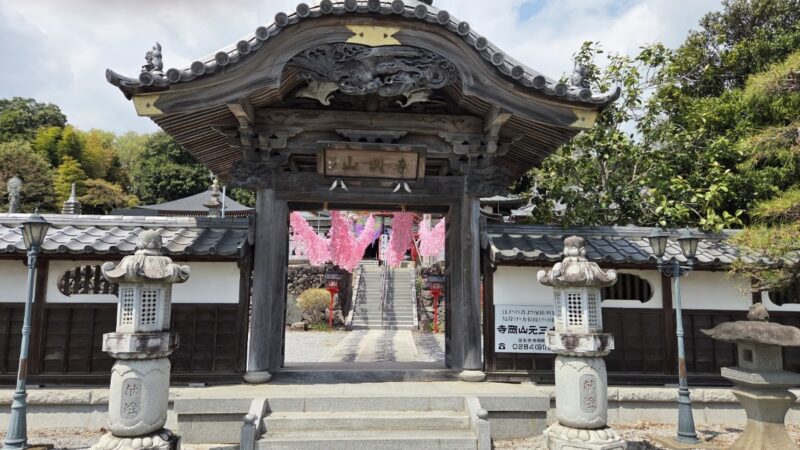
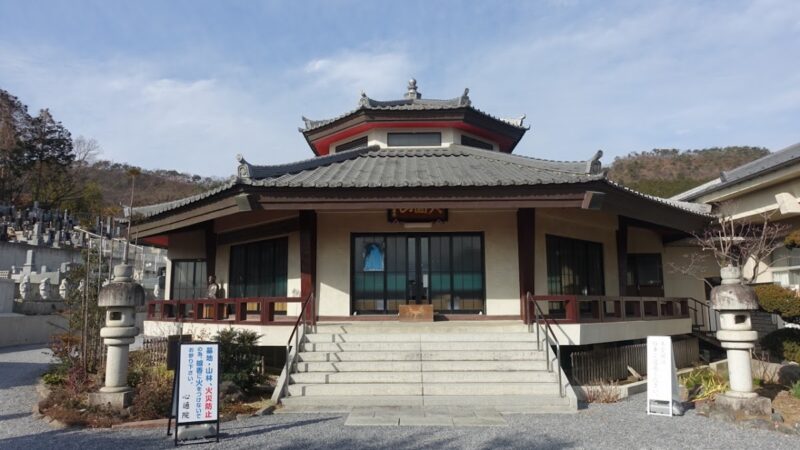
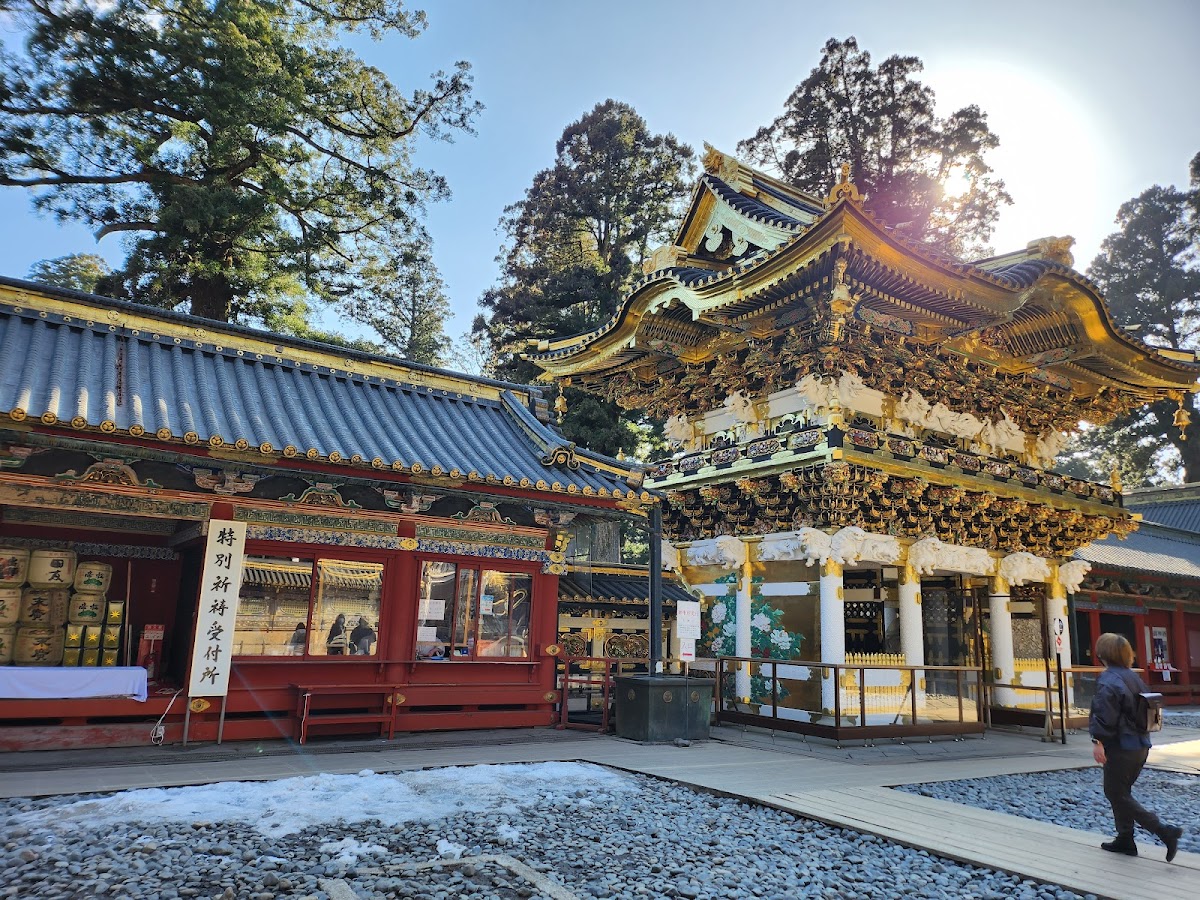
What is an Okumiya Haiden (Inner Shrine Worship Hall)?
An Okumiya Haiden is a place of worship established in mountainous areas or sacred sites far from the main shrine of a Shinto shrine. When direct worship at the main shrine is difficult due to rugged terrain or weather conditions, this form of worship is adopted, allowing worshippers to pay homage to the Okumiya from afar.
Relationship between Okumiya and Honmiya (Main Shrine)
Many Shinto shrines have a two-shrine structure, with the Okumiya (inner shrine) located on a mountaintop or in a remote area, and the Honmiya (main shrine) located at the foot of the mountain for easier access. The Okumiya Haiden functions as a facility for worshipping this Okumiya from afar.
Representative Shrines with Inner Shrines (Okumiya)
- Ise Grand Shrine: Worship of Mt. Kamiji and Mt. Shimaji, located behind the Inner Shrine (Naiku)
- Togakushi Shrine: The inner shrine is located at an altitude of 1,200m
- Fujisan Hongu Sengen Taisha: The inner shrine is located at the summit of Mt. Fuji
- Omiwa Shrine: Mt. Miwa itself is considered the sacred object, with the Okutsu Iwakura (sacred rock formation) at the summit
Architectural Characteristics of the Worship Hall
The worship hall of an inner shrine has a structure specifically designed for the purpose of worshipping from afar.
- Open Front: The opening faces the direction of the inner shrine
- Simple Construction: Ornamentation is kept to a minimum, emphasizing harmony with nature
- Precise Orientation: Built facing the precise direction of the inner shrine
Points for Worship
Basic Worship Etiquette
1. Preparation Before Worship
The following preparations are recommended when visiting the worship hall of an inner shrine.
- Attire: If walking on mountain trails, wear comfortable clothing and hiking boots.
- Time of Day: Morning visits are ideal (may vary depending on the shrine).
- Mindset: Be mindful of the direction of the inner shrine and contemplate the distant sacred realm.
2. Etiquette at the Main Hall
“`
- Bow before passing through the torii gate.
- Purify yourself at the water basin (left hand → right hand → mouth → left hand → handle of the ladle).
- Straighten your posture in front of the main hall.
- Two bows, two claps, one bow (may vary depending on the shrine).
- Pray while being mindful of the direction of the inner shrine.
- Bow again upon leaving.
“`
3. Guidelines for Remote Worship
At the inner shrine’s main hall, it is important to focus your mind on the inner shrine, which is physically distant.
- Confirming Direction: Determine the direction of the inner shrine by looking at the signposts and the orientation of the shrine buildings.
- Visualization: Imagine the inner shrine on the mountain ridge or in the distance.
- Time of Silence: Listen to the sounds of nature around you and gain a sense of oneness with the sacred area.
Characteristics of Visiting the Shrine by Season
Spring (March-May)
- Advantages: Beautiful fresh greenery and mild weather.
- Caution: Footing may be treacherous due to snowmelt.
- Recommended Time: Late April to early May.
Summer (June-August)
- Advantages: Experience the refreshing air with an early morning visit.
- Caution: Insect repellent and heatstroke prevention are essential.
- Recommended Time: Mid-July, immediately after the end of the rainy season.
Autumn (September-November)
- Advantages: Beautiful autumn foliage, the most suitable season for visiting.
- Caution: High likelihood of crowds.
- Recommended Time to Visit: Mid-October to Early November
Winter (December to February)
- Advantages: Sacred snowscape, fewer visitors
- Caution: Possibility of road closures due to snow and ice
- Recommended Time to Visit: New Year’s Day (weather permitting)
Blessings and Faith
Blessings Expected at the Inner Shrine
The Inner Shrine is associated with mountain worship and nature worship, and is believed to offer special blessings.
Main Benefits
- Good Fortune and Prosperity: Powerful protection from the deep sacred grounds
- Fulfillment of Wishes: Visiting the shrine after a difficult journey is proof of sincerity
- Exorcism and Purification: Purification from the pure energy of the mountain
- Health and Longevity: Physical and mental benefits from walking the mountain paths
- Business Prosperity: In some shrines, a deity of commerce is enshrined
Characteristic Benefits of Different Shrines
| Shrine Name | Main Deity | Characteristic Benefits |
|——–|——–|—————-|
| Togakushi Shrine Okusha | Ame-no-Tajikarao-no-Mikoto | Good Fortune, Fulfillment of Wishes, Abundant Harvest |
| Fushimi Inari Taisha Okusha | Inari Okami | Business Prosperity, Industrial Development |
| Omiwa Shrine Okutsu Iwakura | Omononushi-no-Okami | Matchmaking, Healing from Illness |
| Fujisan Hongu Sengen Taisha Okumiya (Inner Shrine) | Konohanasakuya-hime no Mikoto | Safe Childbirth, Protection from Fire |
The Divine Power of Visiting the Okumiya
Since ancient times, visiting the Okumiya has been considered to bring greater divine power than visiting the main shrine alone.
Reasons for the Strong Divine Power
- Purity of the Sacred Area: A natural environment resistant to human intervention
- Difficulty of Visiting: Effort and sincerity are more likely to reach the gods
- Geographical Energy: Influence of mountain energy and water veins
- Historical Background: Connection to mountain worship such as Shugendo
Access Information
General Access Methods
Using Public Transportation
Access to the Okumiya Worship Hall varies greatly depending on the shrine.
Pattern 1: Bus + Walk
“`
Nearest Station → Local Bus (30-60 minutes) → Bus Stop → Walk (30 minutes – 2 hours)
“`
Pattern 2: Using Cable Car/Ropeway
“`
Nearest Station → Cable Car → Transfer Point → Walk (15-45 minutes)
“`
Pattern 3: Hiking Trail
“`
Trailhead → Hiking Trail (2-4 hours) → Inner Shrine Hall
“`
If Using a Private Car
Parking Information
- Free Parking: Many local shrines offer free parking (capacity 20-100 cars)
- Paid Parking: 500-1,000 yen/day at tourist-oriented shrines
- Temporary Parking: May be opened during peak seasons (New Year’s, autumn foliage season)
Notes
- Winter Closure: The road may be closed from late November to early April.
- Road Width: The mountain road is narrow, and there are sections where passing is difficult.
- Car Navigation Settings: Older map data may not show the correct location.
Estimated Time Required
Estimated Time Required to Visit Representative Shrines
| Shrine Name | From Nearest Station | From Trailhead | Time Spent at the Main Hall | Total |
|——–|————–|————|————–|——|
| Togakushi Shrine Okusha | 60 mins by bus | 40 mins on foot | 20 mins | Approx. 3 hours |
| Fushimi Inari Taisha Okusha | 5 mins on foot | 60 mins hiking | 15 mins | Approx. 2.5 hours |
| Omiwa Shrine Okutsu Iwakura | 10 mins on foot | 90 mins hiking | 30 mins | Approx. 3.5 hours |
| Haruna Shrine Okumiya | 70 minutes by bus | 30 minutes on foot | 20 minutes on foot | Approximately 3 hours |
*Including round-trip time
Checklist of things to bring
Essential items
- ☑ Comfortable clothing (long sleeves and long pants recommended)
- ☑ Comfortable walking shoes (trekking shoes ideal)
- ☑ Drinking water (500ml or more)
- ☑ Towel/hand towel
- ☑ Rain gear (folding umbrella or rainwear)
Useful items
- ☑ Trekking poles (reduces strain on knees)
- ☑ Insect repellent spray (spring to autumn)
- ☑ Sunscreen
- ☑ Snacks (chocolate, nuts)
- ☑ Small change (for offerings)
- ☑ Plastic bags (for taking trash home)
Additional items for winter
- ☑ Warm clothing (fleece, down jacket)
- ☑ Gloves and hat
- ☑ Crampons (for freezing conditions)
- ☑ Thermos bottle
Frequently Asked Questions
Q1. What is the difference between the Okumiya Haiden (worship hall) and the Okumiya Honden (main shrine)?
A. The Okumiya Haiden is a place of worship from afar, while the Okumiya Honden is the actual shrine where the deity resides. If it is difficult to visit the Okumiya Honden due to terrain or weather conditions, worship is performed from the Haiden.
Q2. Can I visit even if I’m not physically fit?
A. The difficulty level varies greatly depending on the shrine. Please check the climbing time and elevation difference on the official website beforehand and consider your own physical condition. Avoid strenuous visits, and visiting only the main shrine is also very meaningful.
Q3. Can I get a Goshuin (shrine stamp)?
A. In most cases, there is no Goshuin office at the Okumiya Haiden. You can often get a Goshuin (seal) for visiting the inner shrine at the main shrine’s office, so please check at the main shrine after descending the mountain.
Q4. Is it okay to bring children?
A. Children in upper elementary school and older can visit most inner shrine halls. However, please note the following:
- Check the difficulty of the hiking trail in advance
- Prepare children’s equipment (shoes, rain gear)
- Ensure sufficient rest time
- Have the courage to turn back if necessary
Q5. Are pets allowed?
A. As it is a sacred area, many shrines prohibit pets. We recommend checking with the shrine in advance.
Summary
Visiting the inner shrine hall is a valuable experience that offers a deeper spirituality and a sense of oneness with nature, different from visiting only the main shrine. With appropriate preparation and mindset, you can spend a sacred time away from everyday life.
When planning your visit, consider the season, weather, and your own physical condition, and enjoy your dialogue with the sacred area within reasonable limits.