Complete Guide to Sanko Inari Shrine (Chuo Ward, Tokyo) | A Hidden Gem in Nihonbashi with Profound Efficacy in Goshuin, History, and Cat Prayers
Sanko Inari Shrine, located in Nihonbashi Horidomecho, Chuo Ward, Tokyo, is a historic shrine dating back to the early Edo period. The white shrine building, nestled amidst the modern buildings of Chuo Ward, offers visitors a time of tranquility and healing. This article provides a detailed overview of Sanko Inari Shrine, including its history, goshuin (shrine stamp) information, the unique benefits of cat prayers, highlights of the grounds, and access information.
Overview of Sanko Inari Shrine
Sanko Inari Shrine is an Inari shrine located at 2-1-13 Nihonbashi Horidomecho, Chuo Ward, Tokyo. Despite its convenient location just a 2-minute walk from Ningyocho Station, it maintains a quiet atmosphere away from the hustle and bustle.
Basic Information
- Address: 2-1-13 Nihonbashi Horidomecho, Chuo-ku, Tokyo 103-0012
- Phone Number: 03-3661-6445
- Nearest Station: 2-minute walk from Exit A2 of Ningyocho Station (Tokyo Metro Hibiya Line/Toei Asakusa Line)
- Annual Festival Date: May 15th
- Main Deities: Ukanomitama-no-Mikoto, Sanko Inari Okami, Tadokoro Inari Daimyojin
History and Origins of Sanko Inari Shrine
There are several legends regarding the founding of Sanko Inari Shrine. All of them undoubtedly confirm that it is a venerable shrine dating back to the early Edo period.
Origin of the Shrine
According to the most widely accepted theory, the shrine’s origin dates back to 1603 (Keicho 8), when the families of Taharaya Murakoshi Shozaemon, a silk fabric merchant, and Tateishi Sanzo, a cotton merchant, who resided in what was then Hasegawa-cho (near present-day Horidome 2-chome), reclaimed land from the coast, built rental properties, and became major landowners. They enshrined the shrine as the guardian deity of the land.
On the other hand, another tradition suggests that before 1689 (Genroku 2), Seki Sanjuro, a Kabuki actor from Osaka who performed at the Nakamura-za theater, invited the deity from Fushimi. This theory indicates the shrine’s deep connection to Edo’s theater district.
The “Sanko Shindo” Approach, a Path from the Edo Period
The arch at the entrance to the approach bears the inscription “Sanko Shindo.” This is the name of the approach that has remained since the Edo period, a valuable legacy that conveys the history of the region. This Sanko Shindo road is also the setting for the Edo-period rakugo (comic storytelling) performance “Hyakukawa” (by Ensho), illustrating its deep connection to Edo culture.
Development during the Taisho Era
During the Taisho era, it attracted many worshippers as a center of local faith. Stories of miraculous events during this period spread by word of mouth, and it became particularly known as a place for prayers for business prosperity and family safety.
Deities and Blessings
Sanko Inari Shrine enshrines several deities, each with its own unique blessings.
Main Deity
Ukanomitama-no-Mikoto is a widely known grain god and the main deity of Inari shrines. It is believed to bring blessings of abundant harvests, business prosperity, and industrial development.
Sanko Inari Okami and Tadokoro Inari Daimyojin are also enshrined here, and have long been revered as guardian deities of the region.
Main Benefits
- Business Prosperity
- Family Safety
- Abundant Harvest
- Industrial Development
- Good Fortune
- Finding Lost Cats/Pet Safety (Especially Famous)
A Shrine with Miraculous Powers for Cat Prayers
The most distinctive benefit of Sanko Inari Shrine is its miraculous power in finding lost cats. Word of mouth has spread that if you pray for your lost cat to return safely, it miraculously comes back, attracting visitors from far and wide.
Beckoning Cats Welcome You
Several beckoning cats are placed throughout the shrine grounds, warmly welcoming visitors. These beckoning cats include those donated by cat lovers and people praying for the safety of their pets.
How to Pray for Your Cat’s Return
If your cat goes missing, visit Sanko Inari Shrine and pray for its safe return. Many visitors have reported the safe return of their cats, demonstrating the shrine’s remarkable efficacy.
Highlights of the Shrine Grounds
Sanko Inari Shrine is a small shrine, but it has many points of interest, making it well worth paying attention to the details during your visit.
White Shrine Building
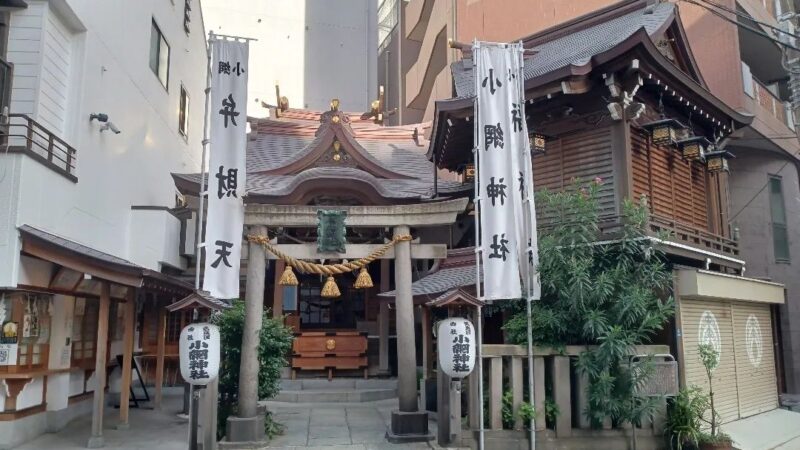
The shrine building is a beautiful structure predominantly in white, with its distinctive wooden architecture. It stands out as a traditional building amidst the modern cityscape of Chuo Ward. Though small, the shrine possesses both cleanliness and solemnity, offering visitors a sense of peace and tranquility.
Torii Gate and Approach
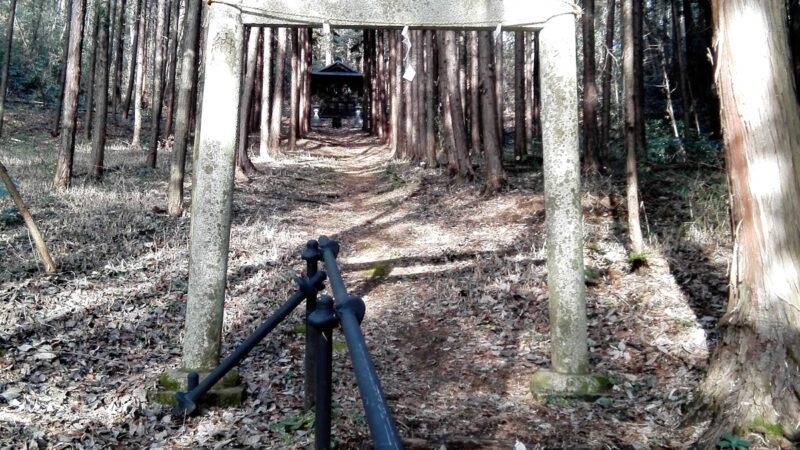
Passing through the torii gate at the entrance to the approach, you’ll find yourself on the “Sanko Shindo” path, which dates back to the Edo period. Despite being in the heart of the city, walking along this path gives you the feeling of entering a timeless and serene space.
Offering Box Donated by the Town Fire Brigade “Ha-gumi”
The offering box on the shrine grounds was donated in 1955 by the town fire brigade “Ha-gumi.” It is a valuable offering that conveys the tradition of town fire brigades that has continued since the Edo period, and therefore holds historical value.
Votive Tablets and Maneki-neko (beckoning cats)
Numerous votive tablets and Maneki-neko (beckoning cats) donated by worshippers can be seen on the shrine grounds. In particular, votive tablets praying for the safety of cats and votive tablets expressing gratitude for wishes being granted are prominent, demonstrating the distinctive form of faith at this shrine.
Goshuin (Shrine Seal) Information
Goshuin (shrine seals) can be obtained at Sanko Inari Shrine. It is a valuable shrine for those who collect goshuin.
Where to Obtain Goshuin
Goshuin for Sanko Inari Shrine are available at Okina, a cosmetics store located near the shrine. This is an unusual format, as the goshuin are issued at a nearby cooperating store rather than the shrine itself. Information about the cosmetics store Okina:
- Business hours: 10:30 AM – 6:00 PM
- Closed: Sundays, national holidays, and the first and third Saturdays
- Location: Approximately 1 minute walk from Sanko Inari Shrine
Types of Goshuin (Shrine Seals)
Normally, pre-printed goshuin are given. These goshuin feature the shrine’s crest and have a simple yet dignified design.
During the New Year period (the time for Hatsumode), special goshuin may be given. From around January 4th, pre-printed goshuin are available for Hatsumode visitors and are given to a wide range of worshippers, not just locals.
Points to Note When Receiving a Goshuin (Shrine Stamp)
- You must visit during the business hours of the cosmetics store “Okina”.
- Goshuin are not available on Sundays, public holidays, and the first and third Saturdays of the month, as these are regular closing days.
- It is customary to receive the Goshuin after praying.
- You must bring your own Goshuincho (stamp book) or receive a pre-written stamp.
Access
Sanko Inari Shrine is conveniently located in the heart of the city and is accessible from multiple train lines.
Access by Train
Nearest Station: Ningyocho Station
- 2-minute walk from Exit A2 of Ningyocho Station on the Tokyo Metro Hibiya Line
- 2-minute walk from Exit A2 of Ningyocho Station on the Toei Asakusa Line
Other Accessible Stations:
- 5-minute walk from Suitengumae Station on the Tokyo Metro Hanzomon Line
- 8-minute walk from Bakuroyokoyama Station on the Toei Shinjuku Line
- 10-minute walk from Bakurocho Station on the JR Sobu Line Rapid Service
Walking Route (from Ningyocho Station)
- Exit from Exit A2 of Ningyocho Station
- Proceed along Ningyocho Street towards Suitengu Shrine
- You will see a sign for Sanko Shindo along the way
- Enter Sanko Shindo and proceed straight ahead; the shrine will be on your right
Access by Car
There is no dedicated parking lot for the shrine. If you are visiting by car, you will need to use a nearby coin-operated parking lot. There are several coin-operated parking lots around Ningyocho Station, but they tend to be crowded on weekdays, so we recommend using public transportation.
Nearby Attractions and Tourist Spots
After visiting Sanko Inari Shrine, consider visiting some of the nearby tourist spots.
Suiten-gu Shrine
Suiten-gu Shrine, located about a 5-minute walk away, is famous for prayers for safe childbirth. Many people visit both Sanko Inari Shrine and Suiten-gu Shrine together.
Ningyocho Shopping Street
Ningyocho Shopping Street, lined with long-established restaurants and Japanese confectionery shops, is an area where you can feel the atmosphere of the Edo period. It’s perfect for a stroll after visiting the shrine.
Amazake Yokocho (Sweet Rice Wine Alley)
Amazake Yokocho, near Meijiza Theater, is lined with long-established sweet shops, taiyaki (fish-shaped cake) shops, and senbei (rice cracker) shops. It’s recommended to stop by on your way to the shrine.
Manners and Etiquette for Visiting Shrines
When visiting Sanko Inari Shrine, please observe basic shrine visiting manners.
Procedure for Worship
- Bow before passing through the torii gate.
- Walk along the edge of the path. (The center is the path for the gods.)
- Purify your hands and mouth at the water basin. (If there is one.)
- Bow before the shrine building.
- Quietly place your offering in the offering box.
- Worship using the two bows, two claps, and one bow ritual.
- Bow at the torii gate when leaving the shrine grounds.
Regarding Photography
Photography is generally permitted on the shrine grounds, but consideration should be given to avoiding disturbing other worshippers. Please refrain from taking photos inside the shrine building.
Reviews and Reputation
The following comments have been received from worshippers who have visited Sanko Inari Shrine:
Positive Reviews
- “The cat really came back! It’s truly miraculous!”
- “A quiet and peaceful space despite being in the city center.”
- “The white shrine building is beautiful and clean.”
- “It’s small, but you can feel the history.”
- “Perfect for a stop during a stroll around Ningyocho.”
- “The beckoning cat is adorable.”
Points to Note
- “It’s a little confusing that you get the goshuin (shrine stamp) at a cosmetics store, not the shrine itself.”
- “Note that goshuin are not available on Sundays and public holidays.”
- “It’s a small shrine, so it’s easy to miss.”
Annual Events and Festivals
Sanko Inari Shrine holds various events throughout the year.
Annual Festival (May 15th)
The annual festival, held every year on May 15th, is the most important festival at Sanko Inari Shrine. Local residents gather to pray for the prosperity of the shrine and the safety of the community.
New Year’s Visit (January 1st-3rd)
The first three days of the New Year are bustling with visitors for their first shrine visit of the year. Pre-written goshuin (shrine stamps) are also available, and the grounds are lively with people coming to pray for the new year.
First Horse Day Festival (First Horse Day of February)
The First Horse Day Festival, an important festival of the Inari Shrine, is also held. Many visitors come to pray for business prosperity.
Summary of the Charms of Sanko Inari Shrine
Sanko Inari Shrine is a valuable shrine that, despite being located in the heart of Tokyo’s Nihonbashi Horidomecho district in Chuo Ward, has preserved its history and traditions dating back to the Edo period.
Features of this Shrine
- History dating back to the early Edo period: A long history dating back to its founding in Keicho 8 (1603) or Genroku 2 (1689) or earlier.
- Miraculous efficacy for cat prayers: Known for its efficacy in helping people find their lost cats, attracting visitors from all over Japan.
- Beautiful white shrine building: A traditional building standing amidst a modern cityscape.
- Connection to Edo Rakugo: Sanko Shindo, the setting for the rakugo story “Hyakukawa”.
- Easy access: Conveniently located just a 2-minute walk from Ningyocho Station.
Recommended time to visit
Sanko Inari Shrine is open year-round, but the following times are especially recommended:
- Mid-May: The time of the annual festival, when the shrine is at its most lively.
- New Year’s visit: Experience the special atmosphere of the New Year.
- Weekday mornings: A quiet place to visit.
- Autumn strolling season: Visit in conjunction with a stroll around Ningyocho.
Points to Know Before Visiting
For Those Who Want a Goshuin (Shrine Stamp)
- Check the business hours of the cosmetics store “Okina” (10:30 AM – 6:00 PM)
- Closed on Sundays, national holidays, and the first and third Saturdays of the month
- Checking the location in advance will make your visit smoother
For Those Who Want to Pray for Cats
- Keep a photo or description of your cat in mind when you visit
- You can also write your wish on an ema (votive tablet) and dedicate it
- Don’t forget to express your gratitude
For Those Who Want to Take Photos
- The white shrine building is beautiful when photographed in the natural light of the morning
- The beckoning cats are also a popular photo spot
- Remember to be considerate of other visitors
Summary
Sanko Inari Shrine (Chuo-ku, Tokyo) is a historical shrine dating back to the Edo period, yet it also possesses a unique charm, known for its modern blessing of praying for cats. Its convenient location, just a 2-minute walk from Ningyocho Station, its beautiful white shrine building, and the warmly welcoming beckoning cats will soothe visitors.
Sanko Inari Shrine is revered not only for its traditional blessings of business prosperity and family safety, but also as a place where many people pray for the safety of their beloved pets. When visiting the Ningyocho area, be sure to stop by Sanko Inari Shrine and experience the breath of history that has continued since the Edo period, as well as the form of faith that lives on in the modern age.
After your visit, we recommend strolling through the Ningyocho shopping street and Amazake Yokocho to enjoy the atmosphere of this old-fashioned downtown area. Located in the heart of the city, yet offering a timeless tranquility and peace, Sanko Inari Shrine will be a precious healing spot where you can take a breather from your busy daily life.