Complete Guide to Sakuragi Shrine (Bunkyo Ward, Tokyo) | The God of Learning Founded by Ota Dokan and Information on Goshuin (Shrine Seals)
Sakuragi Shrine, located near the Hongo 3-chome intersection in Hongo, Bunkyo Ward, Tokyo, is a historic shrine dedicated to Sugawara no Michizane, known as the god of learning. Locally, it is also called “Sakuragi Tenjin” or “Sakuragi Tenjin,” and many visitors come to pray for success in exams and academic achievement.
This article comprehensively introduces information you should know before visiting Sakuragi Shrine, including its detailed history, origins, access methods, goshuin information, and available items.
Basic Information about Sakuragi Shrine
Location and Access
Location: 4-3-1 Hongo, Bunkyo-ku, Tokyo
Nearest Station:
- Approximately 2 minutes on foot from Hongo-Sanchome Station (Tokyo Metro Marunouchi Line and Toei Oedo Line)
- Approximately 8 minutes on foot from Yushima Station (Tokyo Metro Chiyoda Line)
Located very close to the Hongo-Sanchome intersection, it boasts excellent access from the station. While Bunkyo-ku has many shrines, including Yushima Tenmangu (Yushima Tenjin), Nezu Shrine, Hakusan Shrine, Ushitenjin Kitano Shrine, Tsumakoi Shrine, Hikawa Shrine, and Fukiage Inari Shrine, Sakuragi Shrine is deeply rooted in the community as the guardian shrine of the Hongo area.
Shrine Rank and Deity
Deity: Sugawara no Michizane
Former Shrine Rank: Village Shrine
Annual Grand Festival: Fourth Saturday and Sunday of September
Sugawara no Michizane was a scholar and politician of the Heian period, and is revered nationwide as the god of learning, literature, and calligraphy. This is a historically significant shrine that enshrined the same deity as Kitano Tenmangu Shrine in Kyoto and Dazaifu Tenmangu Shrine in Fukuoka.
Contact Information
Phone Number: 03-3811-8535
Visiting Hours: Grounds are freely accessible (please check the shrine office hours)
Goshuin (Shrine Seal) Reception Hours: Until 4:00 PM (16:00)
We accept various prayers year-round, including prayers for construction, safe childbirth, traffic safety, protection from evil, first shrine visit for newborns, and celebrations of longevity. We also conduct Shinto wedding ceremonies and off-site wedding ceremonies.
History and Origins of Sakuragi Shrine
Founding History: Ota Dokan and Edo Castle
Sakuragi Shrine’s founding dates back to the Bunmei era (1469-1487). During this period, when the warlord Ota Dokan built Edo Castle, it is believed that he invited the spirit of Sugawara no Michizane, the god of learning and martial arts, from a shrine in Kitano, Kyoto (Kitano Tenmangu Shrine), to Edo Castle.
Ota Dokan was a warlord of the late Muromachi period and is known as the de facto builder of Edo Castle. He was a man of both literary and martial arts, excelling in both martial arts and scholarship, and is said to have had a deep reverence for Sugawara no Michizane. It is thought that Dokan’s desire to protect the castle and promote the development of learning was reflected in the enshrinement of Tenjin-sama within the castle.
Relocation to Yushima: The Era of Sakura-no-Baba
Later, during the reign of the second shogun, Tokugawa Hidetada, the shrine was relocated to the former Sakura-no-Baba (Cherry Blossom Horse Riding Ground) on the Yushima plateau. This place name is the origin of the current shrine name, “Sakuragi Shrine.” It is presumed that Sakura-no-Baba was a place where cherry trees bloomed beautifully, and the shrine attracted local devotion at this location.
Relocation to the Current Location: Establishment of Shoheisaka Academy
Between 1690 (Genroku 3) and 1691 (Genroku 4), the fifth shogun, Tokugawa Tsunayoshi, established the Shoheisaka Academy (Shoheiko) on the site of Sakura-no-Baba in Yushima. The Shoheisaka Academy was an official educational institution of the Edo shogunate and played an important role as a center of learning, primarily Confucianism.
With the establishment of this academy, Sakuragi Shrine was relocated again to its current location in Hongo 4-chome, Bunkyo Ward. Since then, it has continued to be revered by the local people as the guardian deity of Hongo.
Interestingly, the fact that the shrine was relocated due to the establishment of an academy is a symbolic event for a shrine dedicated to Sugawara no Michizane, the god of learning.
Summary of Historical Changes
- Bunmei Era (1469-1487): Founded within Edo Castle by Ota Dokan during its construction.
- Early Edo Period (Reign of Tokugawa Hidetada): Relocated to Sakura-no-baba in Yushima.
- Genroku 3-4 (1690-1691): Relocated to its current location for the establishment of the Shoheisaka Academy.
- Present: Maintains a deeply rooted community faith as the tutelary deity of Hongo.
In this way, Sakuragi Shrine is deeply intertwined with the history of Edo Castle, the educational policies of the Tokugawa Shogunate, and the local history of Bunkyo Ward.
Highlights of the Shrine Grounds
Shrine Building
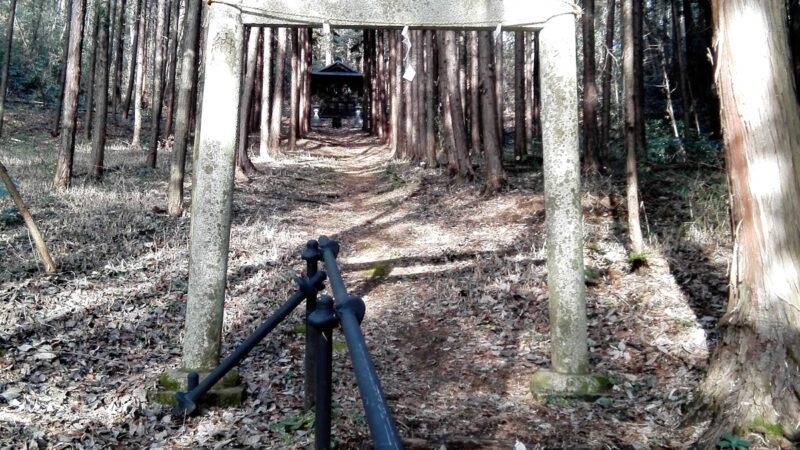
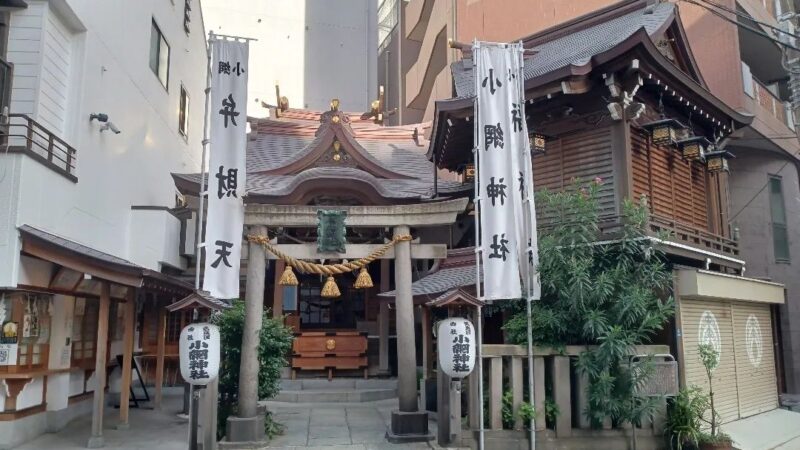
The current shrine building, while relatively compact, exhibits a dignified presence befitting a shrine in the heart of the city. Despite being located in the middle of Hongo 3-chome, a quiet space for worship is maintained.
Cherry Blossoms on the Shrine Grounds
In keeping with the origin of the shrine’s name, cherry trees are planted on the shrine grounds. In spring, the beautiful cherry blossoms bloom, creating a landscape befitting the name “Sakuragi” (Cherry Blossom Tree).
Sacred Ox Statue
Almost every Tenjin shrine dedicated to Sugawara no Michizane has a “sacred ox” (shingyu). This stems from the deep connection between Michizane and oxen, and Sakuragi Shrine also has a sacred ox statue. There is a belief that stroking the ox’s head will bring wisdom, and many visitors stroke it.
Goshuin (Shrine Seal) and Goshuincho (Shrine Seal Book) Information
About Goshuin
Goshuin (shrine seals) are available at Sakuragi Shrine.
Reception Hours: Until 4:00 PM (16:00)
Offering Fee: Usually around 300-500 yen (subject to change, please confirm at the time of your visit)
The goshuin (temple/shrine stamp) will have the name of “Sakuragi Shrine” and the date of your visit written in ink, and will be stamped with the shrine’s seal. Special goshuin designs, such as those featuring cherry blossoms, may be given out depending on the season or time of year.
Original Goshuin Notebook
Sakuragi Shrine also offers beautiful original goshuin notebooks featuring cherry blossoms. They have a charming atmosphere that women are sure to appreciate, and feature a variety of cherry blossom designs. For those collecting goshuin, we recommend getting one of Sakuragi Shrine’s unique goshuin notebooks.
Please inquire at the shrine office during your visit regarding the design and price of the goshuin notebook.
Items Offered and Distributed
Goods for Passing Exams: “Sa-Ku-Ra-Sa-Ku”
Sakuragi Shrine promotes itself as a shrine for praying for success in exams with the catchphrase “Sa-Ku-Ra-Sa-Ku, Sakuragi Tenjin.” The wordplay, combining “sakura-saku” (cherry blossoms blooming) and “gaku” (passing exams), is popular with students and their families.
The following items are available:
- Amulets for Passing Exams: Various amulets for academic success and passing exams
- Academic Amulets: Amulets for daily academic improvement
- Ema (votive tablets): Ema for praying for success in exams and academic achievement
- Sakura-motif amulets: Amulets with a unique cherry blossom design from Sakuragi Shrine
Other Items Offered
In addition to academic success, amulets and talismans for various other wishes are also available, such as protection from evil, traffic safety, family safety, and safe childbirth.
About Prayers and Supplications
Sakuragi Shrine accepts various prayers and supplications year-round.
Main Prayer Services
- Prayer for Success in Exams and Academic Achievement: Prayers for success in exams and academic improvement for students.
- First Shrine Visit for a Newborn: Prayers for the healthy growth of a baby.
- Shichi-Go-San Ceremony: Prayers for the growth of a child and for good health.
- Exorcism and Purification: Prayers for warding off misfortune during unlucky years.
- Prayer for Safe Childbirth: Prayers for a healthy delivery for both mother and child.
- Traffic Safety: Prayers for the blessing of cars and motorcycles, and for the prevention of traffic accidents.
- Family Safety: Prayers for the health of family members and peace in the home.
- Business Prosperity: Prayers for the development and prosperity of a business.
- Construction Prayer (Groundbreaking Ceremony, etc.): Prayers for safety and prosperity during new construction or renovation.
- Celebration of Longevity: Prayers for longevity such as 60th, 70th, and 77th birthdays.
Shinto Wedding Ceremony
Sakuragi Shrine also offers Shinto wedding ceremonies. You can have a traditional Shinto wedding ceremony in a tranquil atmosphere in the heart of the city. We also offer off-site wedding services; please inquire for details.
How to Request a Prayer
If you wish to request a prayer, we recommend making a reservation in advance by phone (03-3811-8535). Same-day reservations are possible, but there may be a waiting time during busy periods.
Nearby Attractions and Shrines/Temples
Bunkyo Ward is a region rich in history and culture, and there are many attractions around Sakuragi Shrine.
Yushima Tenmangu Shrine (Yushima Tenjin)
Located about a 10-minute walk from Sakuragi Shrine, Yushima Tenmangu Shrine is a representative Edo Tenjin shrine dedicated to Sugawara no Michizane. It is also known as a famous spot for plum blossoms and is bustling with visitors during exam season.
Nezu Shrine
This ancient shrine, said to have been founded by Yamato Takeru, is famous for its azaleas. The shrine building, a designated Important Cultural Property, is known as a masterpiece of Edo period Gongen-zukuri architecture.
Ushitenjin Kitano Shrine
This shrine is associated with Minamoto no Yoritomo and also enshrines Sugawara no Michizane. Within the grounds is a statue of a cow known as the “Wishing Cow,” which visitors can stroke.
Hakusan Shrine
This shrine is known for its hydrangeas, and the “Bunkyo Hydrangea Festival” is held here in June.
University of Tokyo Hongo Campus
The University of Tokyo Hongo Campus is located very close to Sakuragi Shrine. It is symbolic that a shrine dedicated to the god of learning and Japan’s top university are adjacent to each other. Historical buildings such as the Akamon Gate and Yasuda Auditorium can be visited.
Historical Spots in Hongo
The Hongo area is also a literary district where many literary giants, such as Natsume Soseki and Higuchi Ichiyo, lived. Former residences and memorial halls are scattered throughout the area, making it a great place to enjoy a literary stroll.
Points and Manners for Visiting the Shrine
Etiquette for Visiting the Shrine
- Bow before passing through the torii gate: As a sign of respect before entering the sacred area.
- Purify yourself at the water basin: Purify your left hand, right hand, and mouth in that order.
- Pray in front of the main hall: Two bows, two claps, and one bow is the basic ritual.
- Pat the sacred ox: Gently stroke it to receive wisdom.
Suitable Time to Visit
Exam Season (December to March): The number of visitors praying for success increases. It is especially crowded during the New Year’s visit period in January.
Spring (late March to early April): The cherry blossoms are in full bloom, offering a beautiful view befitting the name of Sakuragi Shrine.
Annual Grand Festival (fourth weekend of September): A lively local festival.
Regarding Photography
Photography is generally permitted within the shrine grounds, but please be considerate of other visitors. Photography inside the shrine buildings may be prohibited, so please check in advance.
Summary of Sakuragi Shrine’s Charms
Sakuragi Shrine is a shrine deeply connected to the history of Edo/Tokyo, with its founding by the historical figure Ota Dokan, its ties to Edo Castle, and its connection to the Shoheisaka Academy.
Main Attractions of Sakuragi Shrine:
- Historical Value: A long history dating back to its founding during the Bunmei era, and deep connections to Edo Castle and the Tokugawa Shogunate.
- God of Learning: Dedicated to Sugawara no Michizane, it offers blessings for passing exams and achieving academic success.
- Excellent Accessibility: Conveniently located in the heart of Tokyo, just a 2-minute walk from Hongo-Sanchome Station.
- Beauty of Cherry Blossoms: The cherry blossoms that give the shrine its name bloom beautifully in spring.
- Community-Oriented: A deeply rooted presence as the guardian deity of Hongo.
- Attractive Goshuin (Shrine Seal): Beautiful cherry blossom-themed goshuin and goshuincho (seal book).
Located in the heart of the city of Hongo-Sanchome, Sakuragi Shrine maintains a tranquil space for worship and attracts the faith of many as the god of learning. It offers prayers not only for students passing exams, but also for daily academic success and prayers for important life events.
Located very close to the University of Tokyo, and with its playful name “Sakura-sa-ku” (meaning “cherry blossoms”), it has become a comforting presence for those preparing for entrance exams or those hoping for academic success.
When you’re touring the shrines of Bunkyo Ward or strolling around Hongo, be sure to visit Sakuragi Shrine. Why not pray for academic success or various life wishes in the tranquil grounds of this historic Tenjin shrine?