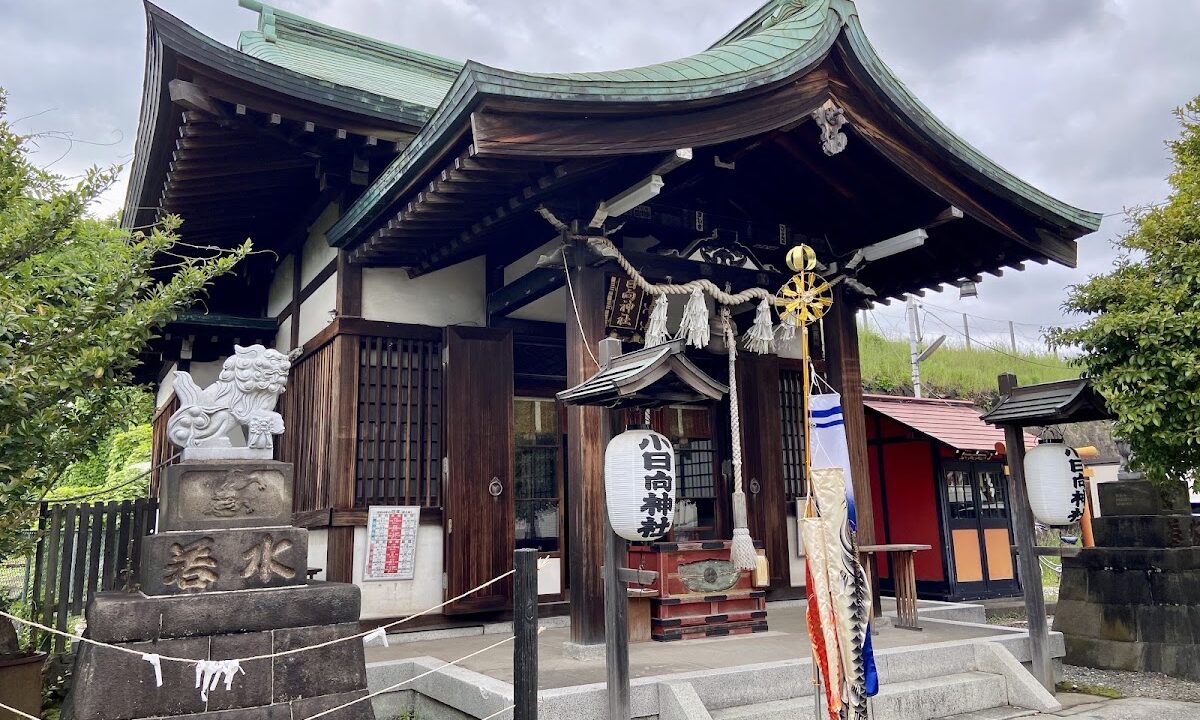
Kohinata Shrine (Bunkyo Ward, Tokyo) Complete Guide | History, Goshuin (Shrine Seal), and Access Information
Kohinata Shrine, located in Kohinata, Bunkyo Ward, Tokyo, is a shrine with a history dating back to the Heian period. It is a venerable shrine formed during the Meiji era when two ancient shrines were merged, and is beloved by the local community. This article provides detailed information you should know before visiting, including the history of Kohinata Shrine, its enshrined deities, goshuin (shrine seal), highlights of the grounds, and access methods.
Basic Information about Kohinata Shrine
Kohinata Shrine is located at 2-16-6 Kohinata, Bunkyo Ward, Tokyo. It boasts a convenient location, approximately 3-5 minutes’ walk from Edogawabashi Station, and maintains a tranquil atmosphere despite being in the heart of the city.
Basic Data
- Official Name: Kohinata Shrine
- Pronunciation: Kobinata Jinja (also known as Kohinata Jinja)
- Address: 2-16-6 Kohinata, Bunkyo-ku, Tokyo 112-0006
- Phone Number: 03-3941-7894
- Annual Festival Date: Second Saturday and Sunday of September (around September 15th)
- Jurisdiction: Tokyo Metropolitan Shrine Association
Deities Enshrined at Kohinata Shrine
Two deities are enshrined at Kohinata Shrine.
Emperor Ojin (Homudawake-no-Mikoto)
Homudawake-no-Mikoto is a deity known as the 15th Emperor Ojin. He is worshipped nationwide as Hachiman-sama and is revered as the god of military success, national protection, and industrial development. When the deity was merged from Hachiman Shrine, it became the enshrined deity of Kohinata Shrine.
Takehayasusano-no-Mikoto (Hikawa-no-Okami)
Takehayasusano-no-Mikoto is a heroic deity appearing in Japanese mythology. He is worshipped as a god of protection against misfortune, disaster, and matchmaking. As the enshrined deity of Hikawa Shrine, he has protected this area since ancient times.
These two deities were merged from shrines with different histories, symbolizing the historical characteristics of Kohinata Shrine.
History of Kohinata Shrine
The history of Kohinata Shrine is a fusion of the histories of two ancient shrines. Let’s take a closer look at the origins of each shrine.
Founding of Hikawa Shrine (Tenkei 3, 940)
Hikawa Shrine was founded in the spring of Tenkei 3 (940) when Taira no Sadamori, the then governor of Hitachi Province, pacified this area. Taira no Sadamori is known as a warrior who suppressed the rebellion of Taira no Masakado, and for this achievement, he was entrusted with governing the area. It is said that after the pacification, he founded Hikawa Shrine to pray for the peace and security of the region.
It is believed that Taira no Sadamori’s decision to invite the deity to Hikawa Shrine stemmed from his faith in Hikawa Shrine (Saitama City, Saitama Prefecture), the Ichinomiya (first-ranked shrine) of Musashi Province. This is also an important historical document demonstrating the spread of Hikawa faith in Musashi Province.
Founding of Hachiman Shrine (Jogan 3, 860)
Hachiman Shrine was founded in Jogan 3 (860) and was formerly known as “Tanaka Hachiman.” Located in what is now Otowa 1-chome, Bunkyo-ku, this shrine attracted the faith of local people from the early Heian period.
The Jogan era was the reign of Emperor Seiwa, a time when Hachiman faith spread throughout Japan. It is believed that Tanaka Hachiman was founded against the backdrop of this expansion of Hachiman faith during this period.
Merger in the Meiji Era (1869)
In 1869 (Meiji 2), Hikawa Shrine and Hachiman Shrine were merged. This was part of the shrine reorganization policy after the Meiji Restoration, aiming to streamline management by consolidating smaller shrines.
After the merger, in 1871 (Meiji 4), the shrine was renamed “Kohinata Shrine,” and it remains so to this day. This renaming clarified its role as the guardian deity of the Kohinata area, incorporating the local place name.
Kohinata Shrine in Modern Times
Since the Meiji era, Kohinata Shrine has grown alongside the development of the region. Despite experiencing the Great Kanto Earthquake and the damage of World War II, it has been maintained through the faith and support of the local people. Even today, it remains a beloved guardian deity of Kohinata in Bunkyo Ward.
Highlights of the Shrine Grounds
There are several points of interest within the grounds of Kohinata Shrine that visitors should see.
Main Shrine and Worship Hall
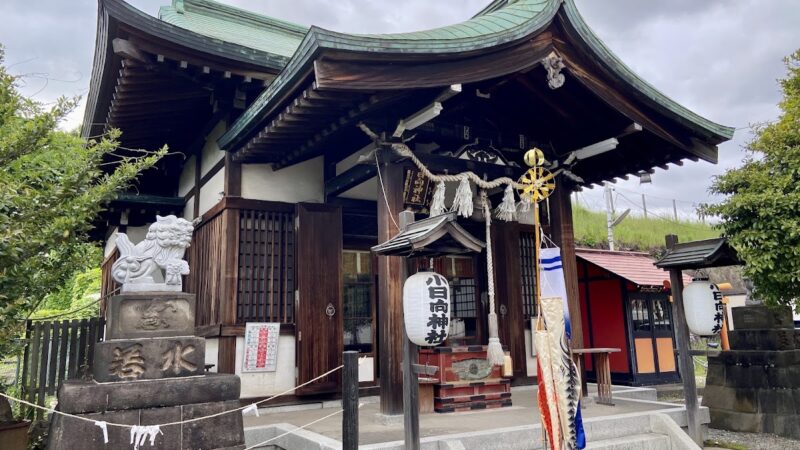
The main shrine and worship hall of Kohinata Shrine are simple yet dignified in their construction. Despite being located in a residential area in the heart of the city, it maintains a tranquil atmosphere, allowing visitors to pray in a peaceful state of mind.
Akiba Inari Shrine (Subsidiary Shrine)
Within the grounds of Kohinata Shrine lies the Akiba Inari Shrine, a subsidiary shrine. The Akiba Inari Shrine is worshipped as the god of fire prevention and business prosperity, and enjoys fervent devotion from the local community.
This shrine represents a syncretic blend of Akiba and Inari worship, and has been widely revered by ordinary people since the Edo period. When visiting Kohinata Shrine, please be sure to also pay your respects at this subsidiary shrine.
Shrine Office
The shrine office at Kohinata Shrine handles the issuance of Goshuin (shrine stamps) and the acceptance of various prayer requests. If you wish to receive a Goshuin during your visit, it is recommended to check the shrine office’s opening hours in advance.
Information on Goshuin (Shrine Seals) at Kohinata Shrine
Kohinata Shrine offers Goshuin. Goshuin are popular as a memento of your visit and as proof of your connection with the shrine.
Features of the Goshuin
Kohinata Shrine’s Goshuin features a simple yet powerful calligraphy style. The shrine’s name, “Kohinata Shrine,” and the date of your visit are written in ink, and the shrine’s seal is stamped on it.
Goshuin Issuance Hours
Goshuin aresuance hours are the same as the shrine office’s opening hours. Generally, this is from 9:00 AM to around 5:00 PM, but since priests may not always be present, it is recommended to call ahead to confirm if you wish to receive a Goshuin.
Regarding Goshuincho (Shrine Seal Books)
Please check with the shrine office during your visit regarding the availability of Kohinata Shrine’s original Goshuincho. If you bring your own Goshuincho, it will be inscribed in it.
Annual Festivals and Events
Kohinata Shrine holds various festivals and events throughout the year.
Annual Festival (Second Saturday and Sunday of September)
The most important festival at Kohinata Shrine is the annual festival. It is held annually on the second Saturday and Sunday of September, around September 15th. The festival includes a portable shrine procession and various offerings, with local people gathering to celebrate the shrine’s festival.
Other Annual Events
Kohinata Shrine holds various Shinto rituals throughout the year, including the New Year’s Day Festival, the Setsubun Festival, and the Summer Purification Ceremony. These events are important opportunities to preserve local traditions and deepen bonds with parishioners and worshippers.
Access and Transportation Information
Kohinata Shrine is located in central Tokyo and is easily accessible by public transportation.
Access by Train
Nearest Stations
- Tokyo Metro Yurakucho Line “Edogawabashi Station”: Approximately 3-5 minutes on foot (closest)
- Tokyo Metro Yurakucho Line “Gokokuji Station”: Approximately 10 minutes on foot
- Tokyo Metro Tozai Line “Kagurazaka Station”: Approximately 12 minutes on foot
Edogawabashi Station is the closest, and the location is excellent, just a few minutes’ walk from the station. The path from the station to the shrine is a quiet route through a residential area, so you can arrive without getting lost.
Walking Route (from Edogawabashi Station)
- Exit from Exit 1a of Edogawabashi Station
- Proceed northwest along Otowa Street
- Enter the residential area of Kohinata 2-chome
- Follow the signs to arrive at Kohinata Shrine
Access by Bus
Toei Bus and Toei Bus routes are also available. After getting off at the “Edogawabashi” bus stop, it’s approximately a 5-minute walk.
Access by Car and Parking
Kohinata Shrine does not have its own parking lot. If you are visiting by car, you will need to use a nearby coin-operated parking lot. However, since the surrounding area is a residential area with some narrow roads, we recommend using public transportation.
Nearby Tourist Attractions
Around Kohinata Shrine, there are many cultural facilities and temples unique to Bunkyo Ward.
Gokoku-ji Temple
Located about a 10-minute walk away, Gokoku-ji Temple is the head temple of the Buzan branch of the Shingon sect and a renowned temple founded at the behest of Keishoin, the mother of Tokugawa Tsunayoshi, the fifth shogun. You can visit the main hall, a designated Important Cultural Property, and its beautiful gardens.
Chinzanso Hotel
Located about a 10-minute walk from Edogawabashi Station, Chinzanso Hotel boasts a vast Japanese garden. The garden features a three-story pagoda and a waterfall, offering a lush natural landscape that feels far removed from the city center.
Sekiguchi Basho-an
This is the place where Matsuo Basho is said to have lived while working on the renovation of the Kanda Aqueduct. It has been preserved as a historical site associated with Basho. It’s about a 15-minute walk from Kohinata Shrine.
Bunkyo City Higo Hosokawa Garden
This garden was built on the site of the lower residence of the Hosokawa family, the lords of the Kumamoto domain. You can enjoy the beauty of this strolling garden with a pond. It’s about a 15-minute walk from Edogawabashi Station.
Manners and Etiquette for Visiting Shrines
When visiting Kohinata Shrine, please observe basic shrine visiting manners.
How to Pass Through the Torii Gate
The torii gate is the entrance to the sacred area. Bow before passing through the torii gate, and walk along the sides of the path, as the center is considered the path of the gods.
Proper Ritual for Washing Hands
- Take the ladle with your right hand and wash your left hand.
- Switch the ladle to your left hand and wash your right hand.
- Switch the ladle back to your right hand, receive water in your left hand, and rinse your mouth.
- Wash your left hand again.
- Hold the ladle upright, let water flow over the handle, and return it to its original position.
Proper Ritual for Worshiping at the Main Hall
- Stand in front of the offering box and bow slightly.
- Gently place your offering in the box.
- If there is a bell, ring it.
- Perform the two bows, two claps, and one bow (two deep bows, two claps, one deep bow).
Cultural Assets and Historical Value of Kohinata Shrine
Kohinata Shrine is one of the important shrines in the history of Bunkyo Ward. Inheriting the history of Hikawa Shrine and Hachiman Shrine, which have continued since the Heian period, it has functioned as a center of local faith.
As an example of the Meiji-era shrine consolidation policy and a valuable cultural heritage site that conveys the history of the region, Kohinata Shrine should be preserved and passed down to future generations.
History of the Kohinata Region and the Role of the Shrine
The name Kohinata is said to originate from “small sunny spot,” indicating that it was a sunny area. During the Edo period, it was an area lined with samurai residences, and after the Meiji era, it developed as an educational district.
Kohinata Shrine has watched over these changes in the region and has always functioned as a spiritual pillar for the local residents. Even today, it remains the tutelary shrine and is central to local festivals and annual events.
Visitor Feedback and Reviews
The following are some comments from visitors who have come to Kohinata Shrine:
- “A quiet and peaceful shrine despite being in the heart of the city.”
- “Easily accessible on foot from Edogawabashi Station.”
- “A warm and welcoming shrine deeply rooted in the community.”
- “The grounds are compact but meticulously maintained.”
- “It’s nice that you can also visit Akiba Inari Shrine.”
Prayers and Amulets at Kohinata Shrine
Kohinata Shrine accepts various prayers. They cater to a wide range of wishes, including family safety, business prosperity, protection from evil, and traffic safety. If you wish to have a prayer performed, it is recommended to contact the shrine office in advance to discuss the date and time.
Amulets and talismans are also available, which can be received as a memento of your visit or as daily protection.
Points to Note When Visiting Kohinata Shrine
Visiting Hours
Kohinata Shrine is generally open for worship during the day, but the shrine office has limited opening hours. If you wish to receive a Goshuin (shrine stamp) or a prayer, it is recommended to check by phone in advance.
Photography
Photography is generally permitted on the shrine grounds, but it is considered good manners to be considerate of other visitors and refrain from taking photos inside the main hall.
Dress Code
There are no specific dress code requirements, but it is advisable to avoid overly casual attire, as this is a sacred place.
Seasonal Charms of Kohinata Shrine
Spring (March-May)
This is a beautiful season of fresh greenery, with the trees on the grounds beginning to bud. The mild weather allows for a peaceful visit.
Summer (June-August)
This is the season for preparations for the Summer Purification Ceremony and the annual festival. The lush green grounds offer some relief from the heat of the city.
Autumn (September-November)
The annual festival in September is the highlight. Enjoy the local festival in the refreshing autumn air.
Winter (December to February)
The shrine is bustling with visitors for Hatsumode (first shrine visit of the year) during the New Year period. Setsubun festivals are also held, attracting people praying for safety in the new year.
Summary
Kohinata Shrine is a historic shrine that inherits the history of Hikawa Shrine and Hachiman Shrine, which have existed since the Heian period. Located in Kohinata, Bunkyo-ku, Tokyo, it boasts a convenient location, approximately 3-5 minutes’ walk from Edogawabashi Station.
It enshrines two deities, Homutawake-no-Mikoto (Emperor Ojin) and Takehaya Susanoo-no-Mikoto, and is cherished as the local guardian deity. Akiba Inari Shrine is also enshrined within the grounds, attracting worshippers seeking protection from fire and business prosperity.
Despite being in the heart of the city, Kohinata Shrine maintains a tranquil atmosphere, making it a beloved place for many visitors to escape the hustle and bustle of everyday life, find peace of mind, and experience the history and culture of the region. If you ever visit Bunkyo Ward, be sure to stop by Kohinata Shrine.