Imado Shrine (Tokyo) Complete Guide | The Charm and How to Visit This Power Spot for Matchmaking, the Origin of the Maneki-neko (beckoning cat)
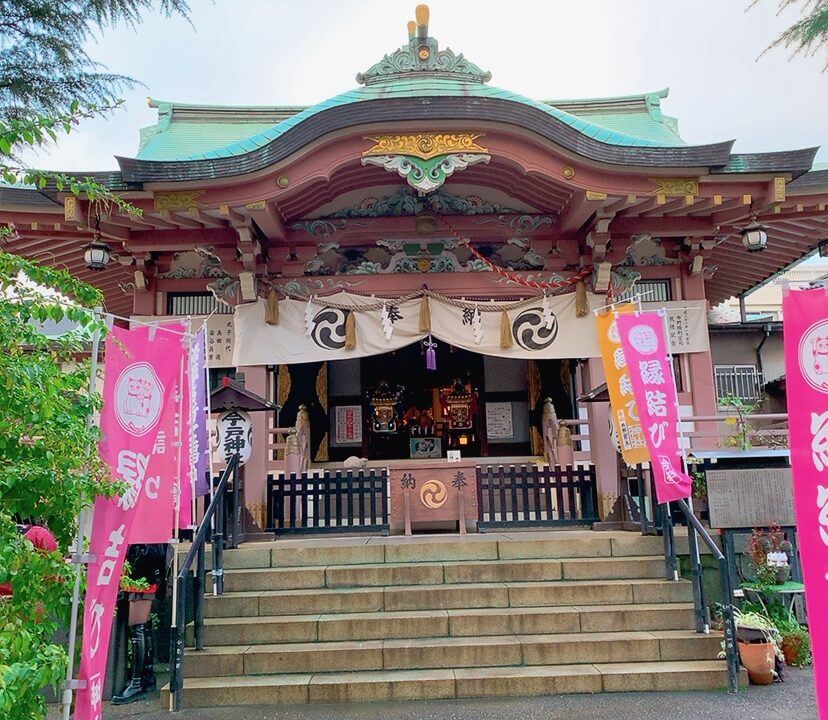
Imado Shrine, located in Imado, Taito-ku, Tokyo, is a shrine known nationwide as the birthplace of the Maneki-neko. It is particularly famous for its blessings in matchmaking, and many visitors, especially young women praying for success in love, come to the shrine every day. It has been gaining increasing attention in recent years as a power spot that you should definitely visit when sightseeing in Asakusa.
This article will introduce all the charms of Imado Shrine, including its history and origins, enshrined deities and blessings, its deep connection to the Maneki-neko, how to visit, access information, and even recommended spots in the surrounding area.
History and Origins of Imado Shrine
Circumstances of its Founding and its Relationship to Minamoto no Yoriyoshi and Yoshiie
The history of Imado Shrine dates back to the late Heian period. In 1063, during the Kohei era, Minamoto no Yoriyoshi and his son Yoshiie, on their way to subdue Oshu, invited the deity of Iwashimizu Hachimangu Shrine in Kyoto to Imado and prayed for victory.
Later, in 1081, during the Eiho era, Minamoto no Yoshiie passed through the area on his way to subdue Kiyohara Takehira and Iehira, and it is said that he again prayed for victory. Due to this historical background, Imado Shrine has long been revered as a shrine with the divine power to grant lasting military fortune.
Initially called “Imado Hachiman,” it was worshipped as the guardian deity of the region. However, in 1937, the adjacent Hakusan Shrine was merged with it, and the name was changed to the current “Imado Shrine.”
History of Reconstruction After War Damage
Imado Shrine has a history of being rebuilt each time it has suffered numerous disasters. The shrine suffered damage, including the destruction of its buildings, during the Great Kanto Earthquake of September 1, 1923, and the Great Tokyo Air Raid of March 10, 1945.
However, thanks to the deep faith of the local people, reconstruction progressed, and the current Gongen-zukuri style shrine building was constructed in 1971. This history speaks to the deep roots of Imado Shrine in the community.
Deities and Benefits
Main Deity and Divine Virtues
Imado Shrine enshrines the following three deities:
Emperor Ojin
The 15th Emperor, he is revered as Hachiman, granting the divine virtue of long-lasting military fortune. He also embodies great love in raising children with compassion, and is believed to grant blessings for child-rearing and family harmony.
Izanagi-no-Mikoto
In Japanese mythology, he is the male deity who created the land of Japan.
Izanami-no-Mikoto
She is the female deity who created the land of Japan together with Izanagi-no-Mikoto.
Izanagi-no-Mikoto and Izanami-no-Mikoto are considered the first married couple of deities in Japan. Because these two deities are enshrined here, Imado Shrine has become widely known as a shrine for matchmaking, marital harmony, and successful relationships.
Fukurokuju, one of the Seven Lucky Gods of Asakusa
Imado Shrine also enshrines Fukurokuju, one of the Seven Lucky Gods of Asakusa. Fukurokuju is a deity who bestows the three virtues of happiness (Fuku), wealth (Roku), and longevity (Ju). It is believed that worshipping Fukurokuju brings benefits such as good health, longevity, and increased wealth.
As one of the shrines on the Asakusa Seven Lucky Gods pilgrimage, many worshippers visit during the New Year, receiving Goshuin (shrine stamps) in their special Goshuincho (stamp books) and on shikishi (decorative paper boards).
Imado Shrine as the Birthplace of the Maneki-neko (beckoning cat)
The Relationship Between Imado Ware and the Maneki-neko
The reason Imado Shrine is considered the “birthplace of the Maneki-neko” lies in the Imado Ware that has been produced in this region since ancient times. Imado Ware is a traditional pottery that has been fired in Imado since the 16th century, and it is said that the prototype of the Maneki-neko was found within it.
A monument commemorating the “birthplace of Imado Ware” stands on the shrine grounds, preserving the history of the region’s pottery industry. While there are various theories about the origin of the Maneki-neko, the theory that Imado Ware is its root is widely recognized as a strong possibility.
Maneki-neko Spots on the Shrine Grounds
There are many points of interest related to the Maneki-neko on the grounds of Imado Shrine.
Stone Cat Strokes
In front of the shrine sits a large stone statue of a male and female beckoning cat, known as the “Stone Cat Strokes.” It is believed that stroking this cat brings good fortune in love, making it a popular spot for visitors. There’s also a rumor that setting a photo of this cat as your phone’s wallpaper will make your wish come true, so many people take pictures.
Beckoning Cat Ema
The shrine grounds are filled with ema (votive tablets) depicting beckoning cats, inscribed with wishes for good relationships and successful love. These ema, bearing wishes such as “May I find a good match” and “May I meet a wonderful person,” are a characteristic sight at Imado Shrine.
Beckoning Cat Charms
The shrine office offers various types of beckoning cat charms and lucky charms. Particularly popular is the “Enmusubi Omamori” (Love Charm) (800 yen), a cute charm featuring a beckoning cat design.
As a Power Spot for Finding Love
Reasons for its Popularity Among Young Women
Imado Shrine is particularly popular among young women as a power spot for finding love due to its reputation for blessings and the presence of its adorable, Instagrammable beckoning cats.
Word-of-mouth such as “I had a good encounter after visiting Imado Shrine” and “I found a boyfriend after having a charm” has spread on social media, attracting women from all over Japan who wish for success in love. It’s so popular that there are sometimes long lines on weekends and holidays.
How to Pray for Finding Love
To pray for finding love at Imado Shrine, follow these steps:
- Purify yourself at the water basin
Purify your hands and mouth at the water basin before praying.
- Pray at the main hall
Pray for a good match using the two bows, two claps, and one bow ritual.
- Petting the Stone Cat
Gently stroking the stone cat in front of the shrine and making a wish.
- Writing a Wish on an Ema
Writ your specific wish on an ema (votive tablet) featuring a beckoning cat and dedicate it.
- Receiving an Amulet
Receive your favorite amulet, such as a matchmaking amulet.
- Taking Photos
Take commemorative photos with the stone cat and the beckoning cats on the shrine grounds.
Goshuin (Shrine Seal) Information
Imado Shrine’s Goshuin
In addition to the regular goshuin, Imado Shrine also offers a goshuin for Fukurokuju, one of the Seven Lucky Gods of Asakusa. Applications can be made during the shrine office’s reception hours.
The goshuin will have the “Imado Shrine” calligraphy and shrine seal, and may also have a beckoning cat stamp. You can bring your own goshuincho (stamp book) or receive a pre-written goshuin (stamp) on the spot.
Asakusa Seven Lucky Gods Pilgrimage
Imado Shrine is one of the Asakusa Seven Lucky Gods and is included in the Seven Lucky Gods pilgrimage course. By visiting the other six shrines (Senso-ji Temple, Asakusa Shrine, Matsuchiyama Shōten, Ishihama Shrine, Otori Shrine, Yoshiwara Shrine, etc.), you can collect all seven goshuin stamps.
During the New Year, special shikishi (decorative paper) and goshuincho are available, and many visitors enjoy the Seven Lucky Gods pilgrimage.
Places Associated with Shinsengumi’s Okita Sōji
Place of Okita Sōji’s Death
The area around Imado Shrine is considered the place of death of Okita Sōji, known as the captain of the Shinsengumi’s First Unit. It is said that Okita Sōji suffered from tuberculosis and died in Imado on May 30, 1868 (Keio 4), at the young age of 25.
Due to its historical background, Imado Shrine attracts not only women seeking romantic relationships, but also many Shinsengumi fans and history enthusiasts. The surrounding area also boasts historical sites associated with Okita Soji, making it a popular spot for historical walks.
Access, Opening Hours, and Basic Information
Location and Opening Hours
Location
1-5-22 Imado, Taito-ku, Tokyo 111-0024
Shrine Office Reception Hours
9:00 AM to approximately 5:00 PM (may vary depending on the season and events)
Visiting Hours
The shrine grounds are generally open for worship throughout the day, but goshuin (shrine stamps) and amulets cannot be obtained when the shrine office is closed.
Access by Train
Imado Shrine is generally accessible on foot from Asakusa Station.
From Asakusa Station on the Tokyo Metro Ginza Line:
Approximately 15 minutes on foot
From Asakusa Station on the Toei Subway Asakusa Line:
Approximately 15 minutes on foot
From Asakusa Station on the Tobu Skytree Line:
Approximately 15 minutes on foot
Walking north along the Sumida River from Asakusa Station allows you to enjoy views of Tokyo Skytree along the way. There are also stylish cafes and bakeries along the route, making for an enjoyable stroll.
Access by Bus
The following bus routes are convenient:
Toei Bus:
・Get off at “Asakusa 7-chome” bus stop, approximately 5 minutes on foot
・Get off at “Riverside Sports Center” bus stop, approximately 1 minute on foot
Taito Ward Kita Megurin Bus:
・Get off at “Riverside Sports Center” bus stop, approximately 1 minute on foot
The Kita Megurin Bus is a community bus that circulates around the Asakusa area and costs 100 yen, making it convenient for tourists.
Parking Information
Imado Shrine does not have its own parking lot. If you are visiting by car, you will need to use a nearby coin-operated parking lot. However, parking lots in the Asakusa area tend to be crowded, so we recommend using public transportation.
Recommended Spots Around Imado Shrine
Senso-ji Temple and Nakamise Shopping Street
Senso-ji Temple, located about a 15-minute walk from Imado Shrine, is one of Tokyo’s most famous tourist attractions. You can enjoy classic Asakusa sightseeing spots such as Kaminarimon Gate, souvenir shopping on Nakamise Shopping Street, and prayer at the main hall of Senso-ji Temple. Visiting it together with Imado Shrine is highly recommended.
Sumida Park
Sumida Park, stretching along the Sumida River, is known as a famous cherry blossom viewing spot. In spring, approximately 640 cherry trees bloom, attracting many visitors. It is also a great photo spot where you can enjoy beautiful scenery in combination with the Tokyo Skytree.
Asakusa Hanayashiki
Asakusa Hanayashiki, known as Japan’s oldest amusement park, is also within walking distance. Enjoy the retro atmosphere of the playground equipment and attractions; it’s popular with families and couples.
Tokyo Skytree
Across the Sumida River from Imado Shrine, the Tokyo Skytree stands tall. It’s about a 20-minute walk or a few train stops away, offering stunning views from the observation deck and shopping at the Tokyo Solamachi shopping complex.
Recommended Restaurants near Imado Shrine
BAGEL SHOP Le bage
This bagel shop is located near Imado Shrine. They are popular for their authentic, chewy bagels, and offer a variety of options including sandwiches and sweet bagels. Taking them to go and enjoying them along the Sumida River is highly recommended.
TOE LIBRARY PARC
This popular book cafe is a great place to relax before or after visiting Imado Shrine. Enjoy reading while sipping coffee or simply take a break in a calm atmosphere.
Drive-in Denden
This charming coffee shop boasts a retro atmosphere, featuring interior design and menu reminiscent of the Showa era. Western-style dishes such as Neapolitan spaghetti and omurice are popular, and it’s a favorite among locals.
Long-established Gourmet Restaurants in the Asakusa Area
The Asakusa area is home to numerous long-established restaurants that preserve the flavors of Edo, including the tempura restaurant “Daikokuya,” the loach restaurant “Komagata Dozeu,” and famous monjayaki restaurants. Enjoying an Asakusa gourmet tour in conjunction with a visit to Imado Shrine is highly recommended.
Hotel and Accommodation Information near Imado Shrine
Asakusa View Hotel
This representative high-rise hotel in the Asakusa area offers panoramic views of Tokyo Skytree and the Asakusa cityscape from its rooms. It’s approximately a 7-minute walk from Asakusa Station and within walking distance of Imado Shrine. With a variety of restaurants and bars, it offers a comfortable stay.
Richmond Hotel Asakusa
This business hotel is conveniently located approximately a 3-minute walk from Asakusa Station. This hotel boasts clean, functional rooms and affordable prices, making it a convenient base for sightseeing.
Guesthouses around Asakusa
The Asakusa area has many guesthouses popular with foreign tourists. They offer reasonable prices and opportunities for international exchange. Recommended for backpackers and solo travelers.
Traditional Japanese Inns
Asakusa also has several traditional Japanese inns, where you can experience a truly Japanese atmosphere with tatami rooms and Japanese gardens. Recommended for special trips and anniversary stays.
Points to Note and Manners When Visiting
About Crowded Times
Imado Shrine is particularly crowded during the following times.
- New Year’s Day (January 1st-3rd): Extremely crowded with New Year’s visits and pilgrimages to the Seven Lucky Gods.
- Weekends and Holidays: Long lines may form with visitors praying for romantic relationships.
- Around Valentine’s Day and White Day: Increased number of visitors praying for success in love.
If you want to avoid crowds, visiting on weekday mornings or evenings is recommended.
Photography Etiquette
Photography is generally permitted on the shrine grounds, but please note the following:
- Be considerate of other visitors.
- Check if photography inside the main hall is prohibited.
- Avoid using tripods during crowded times.
- When posting on social media, be considerate of other visitors.
Clothing
There are no strict dress code regulations for visiting Imado Shrine, but it is desirable to dress appropriately for a sacred place. Especially in summer, avoid excessive exposure and aim for clean, presentable clothing.
Annual Events and Festivals
Main Annual Events
Grand Festival
This is the most important festival of Imado Shrine, held every June. A procession of portable shrines and dedication ceremonies take place, attracting many local residents.
Asakusa Seven Lucky Gods Pilgrimage
Many visitors come on the pilgrimage to the Seven Lucky Gods, mainly during the New Year period (January 1st to 7th). It is bustling with people seeking the Goshuin (temple/shrine stamp) of Fukurokuju (one of the Seven Lucky Gods).
Temple Fair
Temples are held regularly, and sometimes stalls line the shrine grounds.
Summary: Points to Note When Visiting Imado Shrine
Imado Shrine is one of Tokyo’s representative shrines, known as the birthplace of the Maneki-neko (beckoning cat) and a power spot for matchmaking. Its history dating back to the Heian period, the blessings for matchmaking derived from enshrining the married deities Izanagi-no-Mikoto and Izanami-no-Mikoto, and the many adorable Maneki-neko figurines all captivate visitors.
Located approximately 15 minutes on foot from Asakusa Station, this shrine is easily combined with Asakusa sightseeing, allowing visitors to enjoy a stroll along the Sumida River while visiting. It’s a shrine worth visiting for various purposes, not only for those praying for good fortune in love, but also for those participating in the Asakusa Seven Lucky Gods pilgrimage or visiting sites associated with the Shinsengumi.
When visiting, enjoy the process of stroking the stone cat, taking a photo, writing your wish on a beckoning cat ema (votive tablet), and receiving a matchmaking amulet. Combine your visit with exploring the surrounding restaurants, cafes, and tourist spots for a fulfilling Asakusa experience.
May your visit to Imado Shrine bring you wonderful encounters.