Complete Guide to Shiba Daijingu Shrine | Tokyo’s Power Spot: Goshuin (Seal Stamps), Amulets, and Prayers for Love and Relationships
Shiba Daijingu Shrine, located in Shiba Daimon, Minato-ku, Tokyo, is a venerable shrine boasting a history of over 1000 years. Affectionately known as “Kanto’s Ise Shrine,” it attracts many worshippers seeking blessings for love and business prosperity. This article provides detailed information you should know before visiting, from the history of Shiba Daijingu Shrine to its goshuin (seal stamps), amulets, and annual events.
What is Shiba Daijingu Shrine?
Shiba Daijingu Shrine (Shiba Daijingu) is a shrine located in Shiba Daimon 1-chome, Minato-ku, Tokyo. Its official name is “Shiba Shinmei-gu.” It enshrines Amaterasu Omikami and Toyouke Omikami, the deities of the Inner and Outer Shrines of Ise Grand Shrine, and is widely revered as “Kanto’s Ise Shrine.”
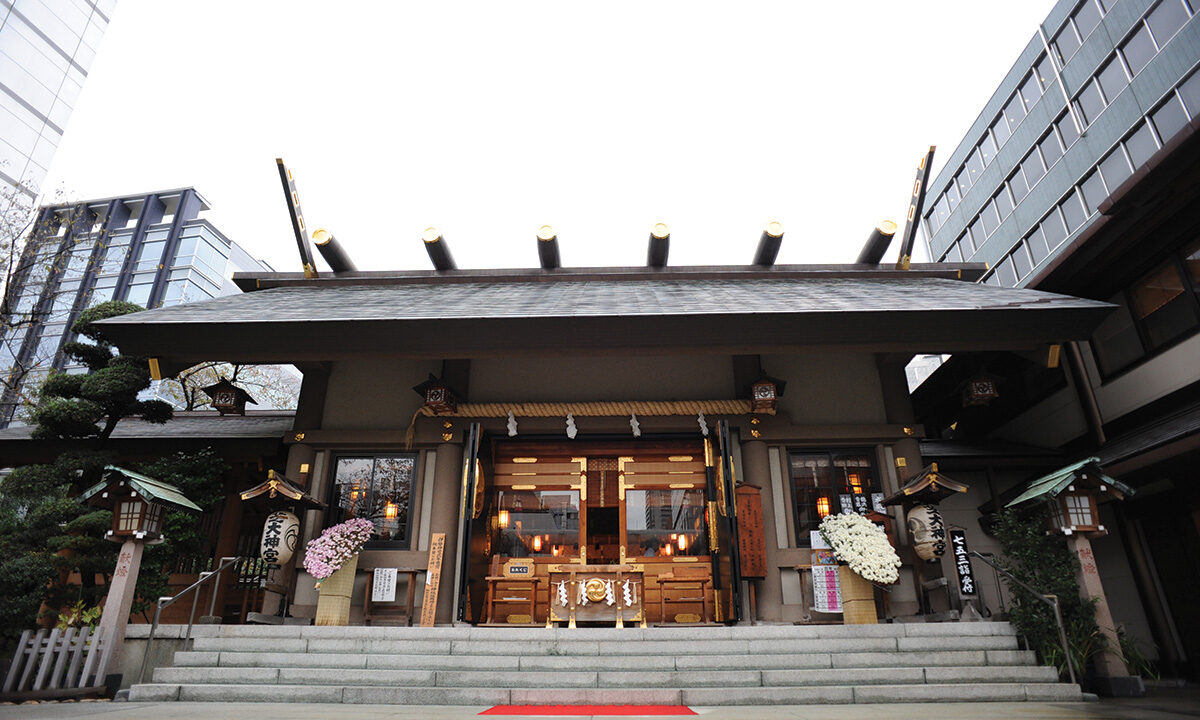
Despite being located in the heart of the city’s business district, the shrine grounds are enveloped in a tranquil atmosphere, offering a peaceful oasis for visitors.
Deities Enshrined
Main Deity:
- Amaterasu Omikami – The supreme deity of Japanese mythology who governs the sun
- Toyouke Omikami – The deity who governs food and grains
Because it enshrines the same deities as Ise Grand Shrine, Shiba Daijingu played an important role as a convenient “pilgrimage to Ise” for people in the Edo period who found it difficult to visit Ise Grand Shrine.
History of Shiba Daijingu
Origin of Founding
Shiba Daijingu is said to have been founded in the second year of Kankō (1005) during the mid-Heian period. During the reign of Emperor Ichijō, following a divine oracle from Ise Grand Shrine, a divided spirit of Ise Grand Shrine was invited to the Shiba area of Toshima District, Musashi Province. Originally called “Iikura Shinmei,” it possessed vast grounds. Later, with the construction of Zojo-ji Temple, it was relocated to its current location and, throughout the Edo period, attracted the faith of the common people as “Shiba Shinmei-gu.”
Prosperity in the Edo Period
During the Edo period, it enjoyed the deep reverence of the Tokugawa shogunate, and particularly during the reign of the third shogun, Tokugawa Iemitsu, the shrine buildings were constructed. It was also affectionately known as “Shiba Shinmei-sama” among the common people of Edo, and its annual events and festivals were bustling with many worshippers.
Modern Era
Following the Meiji-era separation of Shinto and Buddhism, the shrine officially adopted the name “Shiba Daijingu.” Although the shrine buildings were destroyed in the Great Kanto Earthquake and the Tokyo air raids, they were rebuilt each time, and the current shrine buildings were constructed in 1961.
Benefits of Shiba Daijingu
Shiba Daijingu is believed to offer a variety of benefits, including the following:
Main Benefits
- Matchmaking and Successful Relationships – Famous for its Chigibako (a type of amulet for matchmaking)
- Business Prosperity – Prosperity in business through the divine virtues of Toyouke-no-Okami
- Family Safety – Health and peace for the family
- Protection from Misfortune and Good Fortune – Warding off misfortune and improving luck
- Academic Success – Improvement of wisdom and learning
- Safe Childbirth – Healthy childbirth for both mother and child
The shrine is particularly famous for its matchmaking benefits, attracting many young women praying for success in love.
Highlights of Shiba Daijingu Shrine
Shrine Building
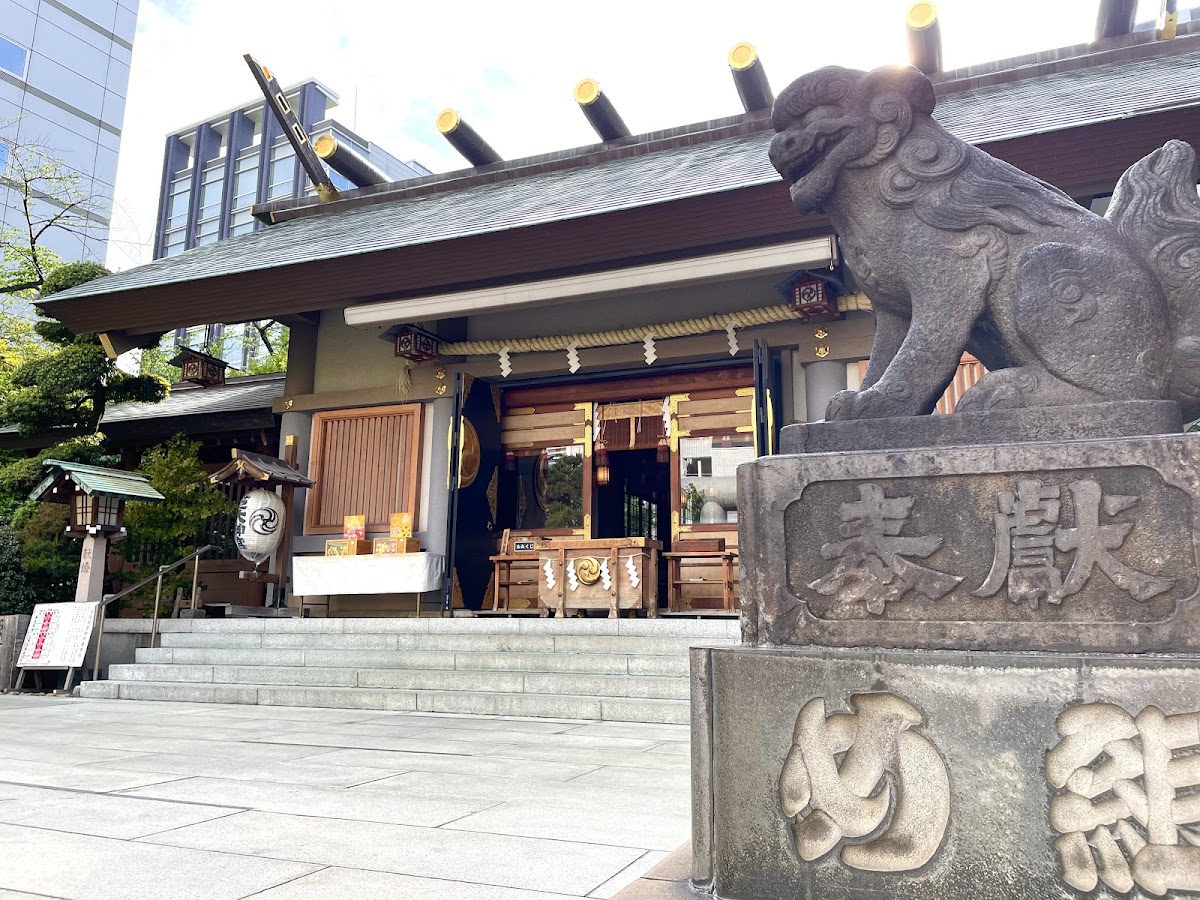
The current shrine building, constructed in 1961, is a magnificent structure incorporating the traditional Shinmei-zukuri style despite being made of reinforced concrete. Although built on a limited site in the heart of the city, the shrine evokes a solemn atmosphere for visitors.
The Chigibako Amulet for Good Fortune and Protection from Evil
The most famous amulet at Shiba Daijingu Shrine is the Chigibako. This is a traditional amulet for matchmaking that has been around since the Edo period. It consists of a small, drawer-shaped paper box containing paper dolls representing men and women, along with other auspicious items.
Features of the Chigibako:
- A secret amulet whose contents are not supposed to be opened.
- A powerful amulet for matchmaking that attracts good relationships.
- A historical amulet cherished by women since the Edo period.
The Chigibako is distributed in limited quantities, and is especially popular during the “Daradara Festival” in September.
The Sacred Tree
Within the shrine grounds stands a sacred tree said to be several hundred years old, revered by worshippers as a symbol of vitality. Despite being in the heart of the city, the shrine grounds maintain abundant greenery, providing a precious space to experience the changing seasons.
Goshuin (Shrine Seals) at Shiba Daijingu Shrine
Types of Goshuin
At Shiba Daijingu Shrine, in addition to the regular goshuin, special goshuin are sometimes distributed for seasonal or event-limited occasions.
Regular Goshuin:
- Calligraphy and red seal of “Shiba Daijingu”
- Offering Fee: 500 yen (as of 2024)
- Reception Hours: 9:00 AM – 5:00 PM (Shrine office hours)
Limited Goshuin:
- New Year’s Limited Goshuin
- Daradara Festival Limited Goshuin
- Monthly Goshuin (Varies depending on the month)
Goshuin Notebooks
Original goshuin notebooks are also available, featuring designs unique to Shiba Daijingu Shrine. Recommended for those starting to collect goshuin for the first time.
Amulets and Souvenirs
At Shiba Daijingu Shrine, in addition to the Chigibako (decorative box), various amulets and souvenirs are available.
Main Amulets
- Chigibako – A representative amulet for matchmaking
- Matchmaking Amulet – An amulet for wishing for a successful relationship
- Business Prosperity Amulet – A prayer for business success
- Exorcism Amulet – An amulet to ward off misfortune
- Traffic Safety Amulet – Protection for safe travel
- Academic Achievement Amulet – A prayer for academic success
- Health Amulet – Protection for physical and mental health
Ema (Votive Tablets)
Various types of ema are available for writing wishes and offering. You can choose an ema according to your purpose, such as matchmaking or business prosperity.
Annual Events and Festivals
Daradara Festival (Shiba Shinmei Festival)
The most famous festival at Shiba Daijingu Shrine is the “Daradara Festival,” held annually for 11 days from September 11th to 21st. Its official name is “Shiba Shinmei Festival,” and it is a historical festival that is counted as one of the three great festivals of Edo (Tokyo).
Characteristics of the Daradara Festival:
- Period: September 11th to 21st every year
- The name “Daradara” comes from the long duration of the festival.
- In the Edo period, it was famous as the “Shiba Shinmei Ginger Market,” where ginger was sold as a lucky charm.
- Even today, many stalls line the streets during the festival, creating a lively atmosphere.
- Special gifts such as Chigibako are distributed.
Other Main Events
January:
- New Year’s Day Festival (January 1st)
- New Year’s Day Festival
February:
- Setsubun Festival (around February 3rd) – Events such as bean-throwing
April:
- Spring Grand Festival
September:
- Daradara Festival (Shiba Shinmei Festival, September 11th to 21st)
November:
- Shichi-Go-San Prayer Ceremony (around November 15th)
December:
- Great Purification Ceremony (December 31st)
Access and Visiting Information
Location
Address: 1-12-7 Shiba-Daimon, Minato-ku, Tokyo 105-0012
Access by Train
Shiba Daijingu Shrine is conveniently located in the heart of Tokyo and is within walking distance of several stations.
Nearest Stations:
- Daimon Station (Toei Oedo Line/Asakusa Line) – 1-minute walk from Exit A6 (closest)
- Hamamatsucho Station (JR Yamanote Line/Keihin-Tohoku Line) – 5-minute walk from the North Exit
- Shibakoen Station (Toei Mita Line) – 5-minute walk from Exit A3
- Onarimon Station (Toei Mita Line) – 5-minute walk from Exit A1
The shrine is very easily accessible, located right outside Exit A6 of Daimon Station.
Access by Car
Approximately 5 minutes from the Shiba Park Exit of the Metropolitan Expressway. However, there is no dedicated parking lot, so please use nearby coin-operated parking lots.
Visiting Hours and Shrine Office Hours
Shrine Grounds Visiting:
24 hours (however, lighting is limited at night)
Shrine Office Hours:
9:00 AM – 5:00 PM (Granting of Goshuin stamps and amulets)
Prayer Service Reception:
9:00 AM – 4:30 PM (Advance confirmation required, reservations recommended)
Estimated Visiting Time
A normal visit takes about 15-30 minutes. If you plan to receive a Goshuin stamp or stroll around the grounds at a leisurely pace, allow 30 minutes to 1 hour.
Nearby Tourist Attractions
There are many tourist attractions near Shiba Daijingu Shrine that you might want to visit together.
Zojoji Temple
Famous as the family temple of the Tokugawa shogunate, Zojoji Temple is located about a 5-minute walk from Shiba Daijingu Shrine. The view of the San-gedatsu-mon Gate with Tokyo Tower in the background is breathtaking.
Tokyo Tower
Tokyo Tower, one of Japan’s most iconic landmarks, is about a 10-minute walk away. From the observation deck, you can enjoy a panoramic view of Tokyo.
Shiba Park
One of Tokyo’s most historic parks, you can enjoy nature throughout the seasons. It’s perfect for strolls and picnics.
Atago Shrine
Atago Shrine, famous for its “Stairs of Success,” is also within walking distance. It’s popular with visitors praying for improved career prospects.
Manners and Points for Visiting a Shrine
Basic Worship Etiquette
- Bow before passing through the torii gate – A courtesy when entering the sacred area
- Purify yourself at the water basin – Purify your left hand, right hand, and mouth in that order, and finally wash the handle of the ladle
- Walk along the edge of the path – The center is considered the path of the gods
- Etiquette in front of the main hall – Two bows, two claps, one bow (basic Shinto etiquette)
Regarding Photography
Photography is generally permitted on the shrine grounds, but please note the following:
- Be considerate of other worshippers
- Refrain from taking photos inside the shrine or during ceremonies
- Avoid using flash photography
- Do not take photos in areas where photography is prohibited
Recommended Time to Visit
Weekday mornings:
It is relatively uncrowded, allowing for a peaceful visit.
Daradara Festival Period:
Recommended for those who want to enjoy the lively festival atmosphere, but expect crowds.
First Three Days of the New Year:
It will be extremely crowded with New Year’s visitors, but you can experience the special atmosphere of the New Year.
Prayers at Shiba Daijingu Shrine
At Shiba Daijingu Shrine, you can receive prayers tailored to various life milestones and wishes.
Main Types of Prayers
- First Shrine Visit (Omiyamairi) – Praying for the healthy growth of a baby
- Shichi-Go-San (7-5-3 Festival) – Celebrating a child’s growth and praying for their future health
- Exorcism/Protection from Misfortune – Warding off misfortune during unlucky years
- Safe Childbirth Prayer – Praying for a safe delivery for mother and child
- Business Prosperity – Praying for business success and development
- Family Safety – Praying for the health and peace of the family
- Traffic Safety – Blessing of a car, etc.
- Prayer for Success in Exams – Praying for success in exams and tests
How to Apply for a Prayer
If you wish to request a prayer, we recommend contacting us by phone in advance. Same-day registration is possible, but there may be a waiting time during busy periods.
Prayer Reception Hours:
9:00 AM – 4:30 PM
Offering Fee:
Varies depending on the type of prayer; please check in advance.
Reviews and Reputation of Shiba Daijingu Shrine
Visitor Feedback
Regarding the Benefits of Matchmaking:
Many visitors have commented, “I had a good encounter after receiving the Chigibako (a type of decorative box),” and “I visited after a friend recommended it as a power spot for matchmaking.”
Accessibility:
Many visitors appreciate the convenient location in the city center, saying things like, “It’s close to the station and convenient,” and “I can stop by on my way home from work.”
Atmosphere of the Shrine Grounds:
Visitors have commented, “It’s quiet and peaceful despite being in the city,” and “It’s compact, but there’s a refreshing atmosphere.”
Frequently Asked Questions
Q: Can I get a Goshuin (shrine stamp) at Shiba Daijingu Shrine on weekends and holidays?
A: Yes, you can get a Goshuin on weekends and holidays during the shrine office’s reception hours (9:00 AM to 5:00 PM). However, it may get crowded during events and festivals, so we recommend visiting with plenty of time to spare.
Q: Can I purchase a Chigibako (a type of decorative box) anytime?
A: Chigibako are available in limited quantities and may be out of stock. They are especially abundant during the Daradara Festival, but at other times, we recommend checking by phone beforehand.
Q: Is there parking available?
A: Shiba Daijingu Shrine does not have its own parking lot. If you are coming by car, please use the surrounding coin-operated parking lots. However, parking fees are relatively high due to its central location. We recommend using public transportation.
Q: Can I have a wedding ceremony here?
A: Shiba Daijingu Shrine performs Shinto wedding ceremonies. For details, please contact the shrine directly.
Q: Can I bring my pet to the shrine?
A: Generally, visitors are asked to refrain from bringing pets. However, it may be possible if you take precautions such as carrying your pet, so we recommend checking beforehand.
Summary
Shiba Daijingu Shrine, with its history spanning over 1000 years, is a beloved shrine known as “Kanto’s Ise Shrine.” Its matchmaking Chigibako (a type of box), the annual Daradara Festival, and the tranquil grounds—a stark contrast to its central Tokyo location—offer a special experience to visitors.
Its excellent accessibility, just a one-minute walk from Daimon Station, is another attractive feature. Combining a visit with nearby attractions such as Tokyo Tower and Zojoji Temple makes for a fulfilling Tokyo sightseeing experience.
Whether you’re praying for a good match, business prosperity, or simply seeking solace away from the hustle and bustle of the city, Shiba Daijingu Shrine warmly welcomes all visitors. Why not visit this historic shrine at least once?