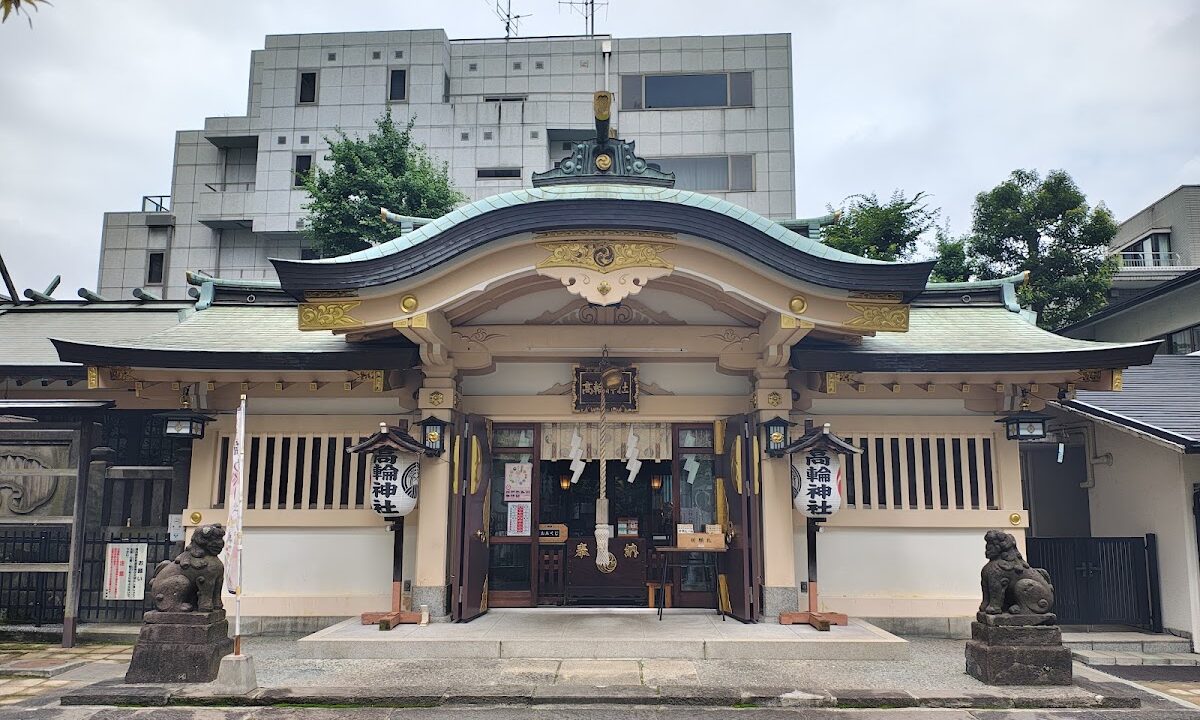
Takanawa Shrine (Minato Ward, Tokyo) Complete Guide | History, Goshuin (Shrine Seals), Access, and Benefits Explained in Detail
Takanawa Shrine, located in Takanawa, Minato Ward, Tokyo, is a historic shrine with a history dating back to the mid-Muromachi period. It is cherished by the local community as the guardian shrine of the entire Takanawa area, and in recent years has attracted renewed attention due to the development around Takanawa Gateway Station. This article provides a detailed explanation of Takanawa Shrine’s history, enshrined deities, benefits, goshuin (shrine seals), access methods, and annual festivals.
Basic Information about Takanawa Shrine
Location: 2-14-18 Takanawa, Minato-ku, Tokyo 108-0074
Phone Number: 03-3441-2573
Nearest Station: Approximately 5 minutes’ walk from Sengakuji Station (Toei Asakusa Line/Keikyu Main Line)
Annual Festival Date: September 10th (held on the nearest Sunday)
Shrine Rank: Former Village Shrine
Main Events: New Year’s visit, Setsubun festival, annual festival, Shichi-Go-San festival, fire prevention festival
Takanawa Shrine is located along Dai-ichi Keihin Avenue and is known as a hidden urban shrine that maintains a quiet atmosphere despite being surrounded by apartment buildings. It belongs to the Tokyo Metropolitan Shrine Association and is one of the eight shrines along the Toei Asakusa Line participating in the “Tokyo Fortune Pilgrimage.”
History and Origins of Takanawa Shrine
Founded in the Muromachi Period
Takanawa Shrine is believed to have been founded during the Meio era (1492-1501) of the mid-Muromachi period. Initially called “Inari Shrine” or “Inari-sha,” it attracted the faith of local people as a shrine dedicated to Inari worship. The Meio era spanned the reigns of the 10th Shogun Ashikaga Yoshizumi (later Yoshitane) and the 11th Shogun Ashikaga Yoshizumi of the Muromachi Shogunate, a turbulent period that marked the beginning of the Sengoku period (Warring States period).
From its founding, the shrine enshrined Ukanomitama-no-kami as its main deity, and served as a place where people prayed for abundant harvests and business prosperity in the region as an Inari shrine.
Development in the Edo Period
During the Edo period, Takanawa flourished as a post town on the Tokaido road, and the shrine came to play an important role as the guardian shrine of the region. However, the shrine suffered a major disaster in 1845 when its buildings were destroyed by a great fire. While this fire is not counted among the three great fires of Edo, it caused significant damage to the Takanawa area.
After the fire, the shrine was rebuilt through the efforts of the local people and continued to attract worshippers as an Inari shrine. During this period, Hachiman (Homudawake-no-Mikoto) and Sarutahiko (Sarutahiko-no-Kami) were also enshrined, and the shrine developed into one that bestowed a wider range of blessings.
Modern Changes and Renaming
In the Meiji era, the shrine was ranked as a village shrine. Then, in 1929, the shrine’s name was changed from “Inari Shrine” to “Takanawa Shrine.” This renaming is thought to have been intended to clarify its role as the guardian shrine of the entire Takanawa area by incorporating the local name.
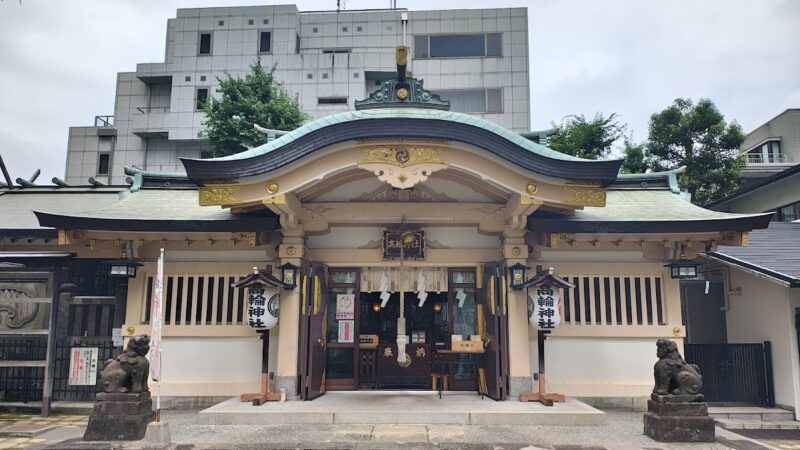
After World War II, the Takanawa area rapidly urbanized, but the shrine continued to exist as a spiritual center for the community. The current shrine building was constructed in 1980 (Showa 55). The beautiful, predominantly white shrine, with its glittering gold decorations on sunny days, captivates visitors.
Modern Takanawa Shrine
Takanawa Gateway Station opened in 2020 (Reiwa 2), and a portion of Takanawa Gateway City is scheduled to open in 2025 (Reiwa 7). These development areas are included within the parish of Takanawa Shrine, and the shrine is expected to serve as a guardian deity not only for long-time residents but also for newcomers.
Deities and Blessings
Main Deity: Ukanomitama-no-kami
Ukanomitama-no-kami, also known as Inari-Okami, is the god of grain and food. “Uka” means “food (uke),” and the deity is believed to bring blessings of abundant harvests, business prosperity, and industrial development. This is a representative deity enshrined at Inari shrines throughout Japan, and has been revered as the principal deity at Takanawa Shrine since its founding.
Main Benefits:
- Abundant harvest
- Business prosperity
- Industrial development
- Family safety
Enshrined Deity: Homudawake-no-Mikoto
Homudawake-no-Mikoto is another name for Emperor Ojin and is a deity widely worshipped as Hachiman. He is believed to bring good fortune in battle, success in competitions, and career advancement, and has been widely worshipped from the samurai era to modern business people.
Main Benefits:
- Abundant battle fortune
- Success in competitions
- Career advancement
- Protection from evil
Enshrined Deity: Sarutahiko-no-Kami
Sarutahiko-no-Kami is known as the god of opening paths and is famous for guiding the descent of the heavenly grandchild in mythology. This shrine is revered as a deity that guides people at crossroads in life, showing them the right path and offering guidance when starting something new.
Main Benefits:
- Opening the Way
- Traffic Safety
- Protection from Misfortune
- Matchmaking
- Academic Success
Shrine within the Precincts: Taishi-gu (Prince Shotoku)
A distinctive feature of Takanawa Shrine is the Taishi-gu, a shrine dedicated to Prince Shotoku. Prince Shotoku was a statesman of the Asuka period who laid the foundation for Japanese culture and politics, including the rise of Buddhism and the enactment of the Seventeen-Article Constitution.
Locally, the shrine is known for its Taishi-gu and Koshin-zuka (stone monument), and has attracted the faith of many, especially those in the construction industry and craftsmen. Prince Shotoku is also revered as the god of carpenters, and people visit to pray for improved skills and success in their work.
Main Benefits:
- Academic Success
- Improvement of Skills and Arts
- Safety in Construction
- Business Prosperity
Highlights of the Shrine Grounds
Shrine Building
The current shrine building, constructed in 1980, features a clean, white-based design. The gold decorations throughout the building shine beautifully on sunny days, creating a sacred atmosphere. Despite being made of reinforced concrete, it incorporates traditional shrine architectural styles, resulting in a dignified structure.
Taishi Shrine
The Taishi Shrine, a subsidiary shrine within the grounds, is a small shrine dedicated to Prince Shotoku. Located next to the main hall, it has its own independent building. It is visited not only by those involved in construction and craftsmen, but also by students and those taking entrance exams, many of whom pray for academic success.
Koshin Mound
Takanawa Shrine is also known for its Koshin Mound, which preserves traces of Koshin belief. Koshin belief is a folk belief originating from Taoism, and there was a custom of staying up all night on the Koshin day, which occurs once every 60 days, known as “Koshin-machi.”
Atmosphere of the Shrine Grounds
Despite being located in the heart of the city, the shrine grounds are enveloped in tranquility. Although surrounded by high-rise apartments, stepping onto the grounds feels like entering a different world, a peaceful space unfolds. The grounds, surrounded by trees, serve as an oasis in the city and a place of relaxation for local residents.
Annual Festival and Events
Annual Festival (September 10th)
The annual festival of Takanawa Shrine is held every year on the Sunday closest to September 10th. The annual festival is the most important festival for the shrine, a Shinto ritual to express gratitude for the past year and pray for peace in the future.
Every three years, the shrine’s large portable shrine is carried through the parish area. In the years of the portable shrine procession, the entire area is enveloped in the excitement of the festival, and it is bustling with many spectators. The portable shrine parades through the streets of Takanawa, praying for the prosperity of the community and the safety of its residents.
New Year’s Visit
The first shrine visit of the new year is a lively affair at Takanawa Shrine, attracting many worshippers. People visit to pray for various wishes for the new year, such as family safety, business prosperity, and academic success. The shrine grounds are especially bustling from New Year’s Day through the third day of the year.
Setsubun Festival (February 3rd)
The Setsubun Festival involves bean-throwing, a Shinto ritual to ward off evil spirits and invite good fortune. Beans are thrown with the chant of “Demons out, fortune in!”, and worshippers can receive lucky beans.
Shichi-Go-San Festival (November)
In November, the Shichi-Go-San festival takes place, attracting families praying for the healthy growth of their children. Children celebrating milestones of 3, 5, and 7 years old can be seen visiting the shrine in their finest attire. ### Fire Prevention Festival
Following the lessons learned from the great fire of 1845 (Koka 2), the Fire Prevention Festival is held as a major festival. It is an important Shinto ritual praying for safety from fire and also plays a role in raising fire prevention awareness in the community.
Goshuin (Shrine Seal) and Goshuincho (Shrine Seal Book) Information
Goshuin (Shrine Seal)
Goshuin are available at Takanawa Shrine. They are available at the shrine office, and usually pre-printed goshuin are provided. Many visitors come seeking goshuin as a memento of their visit and as proof of their shrine pilgrimage.
The goshuin features the calligraphy and red seal of “Takanawa Shrine,” a simple yet dignified design. The offering fee is usually around 300 to 500 yen (may vary depending on the season).
Etiquette for Receiving a Goshuin (Shrine/Temple Stamp)
- Complete your prayers before receiving your Goshuin.
- Check the shrine office’s opening hours (usually 9:00 AM to 5:00 PM).
- Bring your Goshuincho (stamp book) with you (pre-printed stamps are also available).
- Prepare exact change to avoid needing change.
- Request your Goshuin using polite language.
Tokyo Fortune Pilgrimage
Takanawa Shrine is one of the eight shrines along the Toei Asakusa Line that are part of the “Tokyo Fortune Pilgrimage.” Visiting all eight shrines is a popular route where you can receive various blessings. Special commemorative paper and Goshuincho are available, allowing you to experience the sense of accomplishment upon visiting all the shrines.
Participating Shrines in the Tokyo Fortune-Telling Pilgrimage:
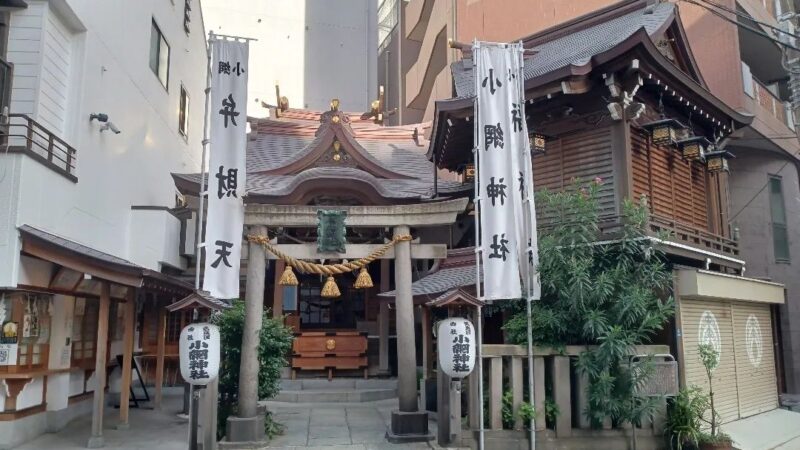
- Koami Shrine (Nihonbashi)
- Sumiyoshi Shrine (Tsukishima)
- Torigoe Shrine (Kuramae)
- Imado Shrine (Asakusa)
- Takagi Shrine (Oshiage)
- Kameido Katori Shrine (Kameido)
- Tomioka Hachimangu Shrine (Monzen-Nakacho)
- Takanawa Shrine (Sengakuji)
Access Method
Access by Train
Nearest Station: Sengakuji Station (Toei Asakusa Line/Keikyu Main Line)
Travel Time: Approximately 5 minutes on foot from Exit A2
Exit Sengakuji Station from Exit A2 and proceed along Dai-ichi Keihin (National Route 15) towards Shinagawa. After passing the Takanawa intersection and continuing a short distance, you will see the torii gate of Takanawa Shrine on your left.
Other Access:
- Approximately 15 minutes on foot from the Takanawa Exit of Shinagawa Station on the JR Yamanote Line and Keihin-Tohoku Line
- Approximately 10 minutes on foot from Takanawadai Station on the Toei Asakusa Line and Keikyu Main Line
- Approximately 12 minutes on foot from Takanawa Gateway Station on the JR Yamanote Line
Access by Bus
Get off at the Takanawa Police Station bus stop (Toei Bus), approximately 2 minutes on foot.
You can use Toei Buses (such as the Shinagawa 97 route) from Shinagawa Station.
Access by Car
Metropolitan Expressway: Approximately 10 minutes from the Shiba Park Exit of the Inner Circular Route
There are a few parking spaces on the temple grounds, but the number is limited, so we recommend using public transportation. There are also several coin-operated parking lots nearby.
Nearby Tourist Attractions
- Sengaku-ji Temple: Approximately 3 minutes on foot. A Soto Zen temple famous for the Ako Forty-Seven Ronin.
- Shinagawa Station Area: Approximately 15 minutes on foot. Abundant Shopping and Dining Options
- Around Takanawa Gateway Station: Approximately 12 minutes on foot. New urban development is underway.
- Happoen: Approximately 10 minutes on foot. A wedding venue and restaurant with a beautiful Japanese garden.
Takanawa Shrine as a Power Spot
Takanawa Shrine is known as one of Tokyo’s power spots. Its quiet grounds, away from the hustle and bustle of the city, are an ideal place to calm the mind and recharge your energy.
Benefits for Finding Love
Because Sarutahiko-no-kami is enshrined here, it is believed to bring benefits for finding love. People seeking good relationships and those wishing to improve their interpersonal relationships visit the shrine. As a god of opening paths, it is believed to provide support when moving on to a new stage in life.
Business Prosperity and Career Luck
The combination of Inari Okami (Ukanomitama-no-kami) and Hachiman-sama (Homudawake-no-mikoto) is believed to bring powerful benefits for business prosperity and career luck. Many business people and entrepreneurs visit, praying for success in their businesses.
Academic Achievement
Because it houses Taishi-gu Shrine, dedicated to Prince Shotoku, it is believed to offer blessings for academic success. Students preparing for entrance exams and those taking qualification tests visit the shrine to pray for wisdom and concentration.
The Charm and Characteristics of Takanawa Shrine
Tranquility in the City
Despite being located along the busy Dai-ichi Keihin highway, the shrine grounds are surprisingly quiet. While surrounded by high-rise apartments, the grounds, protected by trees, create an atmosphere like another world. It is a precious space where you can forget the hustle and bustle of the city and find peace of mind.
Multifaceted Blessings
By enshrining diverse deities such as Inari, Hachiman, Sarutahiko, and Prince Shotoku, Takanawa Shrine offers a wide range of blessings, including abundant harvests, business prosperity, military success, opening new paths, and academic achievement. The ability to fulfill diverse wishes at a single shrine is a major attraction of Takanawa Shrine.
A Faith Rooted in the Community
Since its founding in the Muromachi period, it has served as the guardian shrine of the Takanawa area for over 500 years, attracting the faith of local residents. Even today, it cherishes its connection with residents through local festivals and annual events. With the development of Takanawa Gateway City, it is also expected to play a role as a gathering place for both new and old residents.
One of the Shrines in the Tokyo Fortune Pilgrimage
Participating in the “Tokyo Fortune Pilgrimage,” a group of eight shrines along the Toei Asakusa Line, it has attracted attention from shrine-visiting enthusiasts. By visiting each shrine, you can experience Tokyo’s history and culture while receiving various blessings.
Manners and Etiquette for Visiting a Shrine
Basic Etiquette for Visiting a Shrine
- Bow before passing through the torii gate: This is a courtesy when entering the sacred area.
- Purify yourself at the water basin: Purify your left hand, then your right hand, then your mouth.
- Walk along the edge of the path: The center is considered the path of the gods.
- Two bows, two claps, one bow: This is the basic etiquette for visiting a shrine.
- Bow deeply twice.
- Clap your hands twice at chest height.
- Pray sincerely.
- Finally, bow deeply once.
- Visit the subsidiary shrines: Be sure to also visit the Taishi-gu shrine.
Attire for Visiting a Shrine
There are no specific rules, but it is desirable to wear clothing that is appropriate for a sacred place. Avoid revealing or overly casual clothing.
Regarding Photography
Photography is generally permitted on the shrine grounds, but consideration must be given to avoiding disturbing worshippers or religious ceremonies. Note that photography inside the shrine buildings is often prohibited.
Summary
Takanawa Shrine is the guardian shrine of Takanawa, Minato-ku, Tokyo, with a history of over 500 years since its founding in the mid-Muromachi period. It enshrines Ukanomitama-no-kami, Homudawake-no-mikoto, and Sarutahiko-no-kami, and within its grounds is the Taishi-gu Shrine, dedicated to Prince Shotoku.
Despite being in the heart of the city, the shrine grounds are enveloped in tranquility, making it a popular power spot for many to find peace of mind. It offers a variety of blessings, including business prosperity, family safety, matchmaking, and academic success, attracting worshippers not only from the local area but also from far away.
With its convenient access—approximately a 5-minute walk from Sengakuji Station on the Toei Asakusa Line—it is also a popular destination on the Tokyo Fortune Pilgrimage. Throughout the year, various events are held, including the annual festival, New Year’s visit, Setsubun festival, and Shichi-Go-San (7-5-3) festival, preserving the faith deeply rooted in the community.
Amidst the ongoing development around Takanawa Gateway Station, Takanawa Shrine is expected to play a role as a guardian deity for the new era while preserving its ancient traditions. It’s a shrine you should definitely visit when sightseeing in Tokyo or visiting shrines.