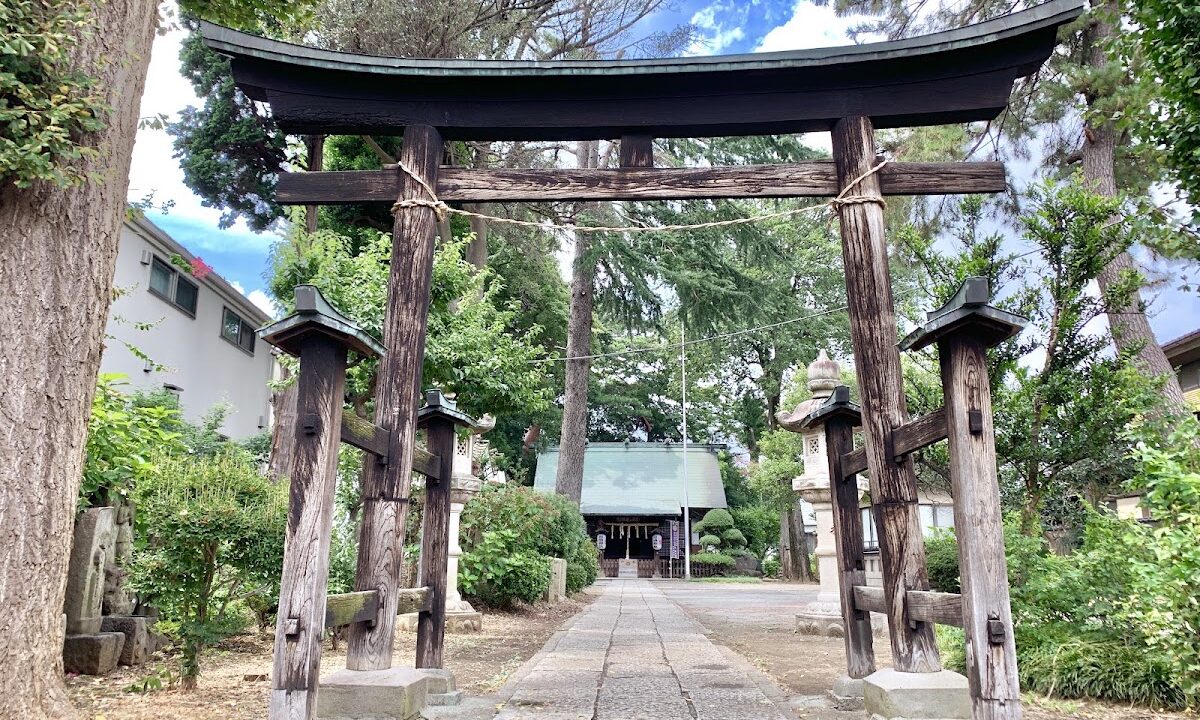
Tabata Shrine (Suginami Ward, Tokyo) Complete Guide | History, Goshuin (Shrine Seal), and Access Information
Tabata Shrine, located in Ogikubo, Suginami Ward, Tokyo, is a historical shrine founded during the Oei era of the Muromachi period. Formerly known as Kitano Shrine and Tenmangu Shrine, it was cherished by the local community as the guardian shrine of the former Tabata Village. This article provides detailed information useful for visitors, including the history of Tabata Shrine, its enshrined deities, goshuin information, and access methods.
Basic Information on Tabata Shrine
Tabata Shrine is located at 1-56-10 Ogikubo, Suginami Ward, Tokyo, and its former shrine rank was Village Shrine. Despite being located in a residential area, it is known as a quiet and peaceful shrine.
Location and Phone Number
- Location: 1-56-10 Ogikubo, Suginami-ku, Tokyo 166-0004
- Phone Number: 03-3398-8052
- Shrine Rank: Former Village Shrine
- Former Name: Kitano Shrine, Tenmangu Shrine, Tabata Tenjin Shrine
Access Information
Tabata Shrine is accessible from several stations. It is within walking distance from the nearest stations.
Nearest Stations:
- Approximately 15 minutes on foot from Minami-Asagaya Station on the Tokyo Metro Marunouchi Line
- Approximately 15 minutes on foot from Ogikubo Station on the JR Chuo Line
- Approximately 15 minutes on foot from Takaido Station on the Keio Inokashira Line
While all stations are within walking distance, the route from Minami-Asagaya Station is relatively easy to follow. Since it is located in a residential area, it is recommended that first-time visitors check a map beforehand.
History of Tabata Shrine
The history of Tabata Shrine dates back to the Muromachi period. Let’s take a detailed look at its changes from its founding to the present day.
Origin of Founding
Tabata Shrine is said to have been founded during the Oei era (1394-1427). According to shrine tradition, during the Uesugi Zenshu Rebellion (1416), a conflict between Ashikaga Mochiuji and Uesugi Zenshu, a man named Yoshikage (also known as Yoshiaki), a retainer of Shinagawa Sakyo, a powerful figure in Musashi Province, settled in the area. Yoshikage invited a divided spirit from Kitano Tenmangu Shrine in Kyoto, and this is considered the beginning of Tabata Shrine.
Changes in Name
Tabata Shrine has changed its name several times since its founding.
- At the time of founding: Founded as a Tenmangu shrine
- Edo period: Known as Kitano Shrine or Kitano Tenjin Shrine
- Alternate name: Tabata Tenjin (because it is located at the edge of a rice field)
- Meiji period: Officially renamed Kitano Shrine
- Meiji 44 (1911): Renamed Tabata Shrine
The name “Tabata” literally comes from the fact that the shrine was located at the “edge of a rice field.” It can be said that this name still conveys a remnant of the time when this area was a rural area.
History of Shrine Consolidation
Due to the Meiji era’s policy of shrine consolidation, Tabata Shrine underwent significant changes. In Meiji 41 (1908), five shrines located within the former Tabata Village were consolidated into Tabata Shrine. As a result, the number of enshrined deities increased, and it became a shrine that enshrines many more gods. Following this consolidation, it was officially renamed “Tabata Shrine” in Meiji 44 (1911), becoming the shrine it is today. ## Deities and Divine Virtues
Tabata Shrine enshrines several deities, each with different divine virtues.
Main Deity: Sugawara no Michizane
The main deity of Tabata Shrine is Sugawara no Michizane. Michizane was a scholar and politician of the Heian period and is widely worshipped as the god of learning. Because a divided spirit was invited from Kitano Tenmangu Shrine in Kyoto, Tabata Shrine has also been affectionately known as Tenjin-sama.
Divine Virtues:
- Academic Achievement
- Prayer for Passing Exams
- Improvement in Literary Arts
- Protection from Evil
Deities Enshrined Together
Due to the merger in 1908 (Meiji 41), the following deities are also enshrined.
- Amaterasu Omikami: The supreme deity of Japan, the goddess of the sun
- Toyouke-hime no Mikoto: Goddess of food and grains
- Okuninushi no Mikoto: God of matchmaking and business prosperity
- Oyamatsumi no Mikoto: God of mountains
With these deities enshrined together, Tabata Shrine has become a shrine with a wide range of divine blessings, including not only academic success but also abundant harvests, matchmaking, and business prosperity.
Highlights of the Shrine Grounds
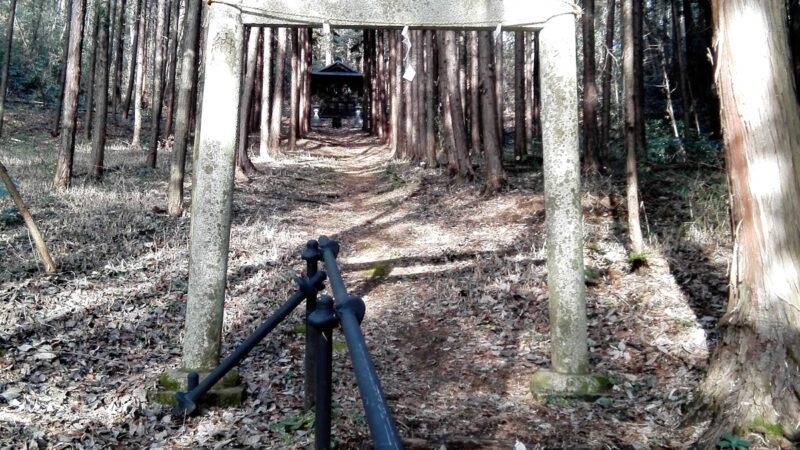
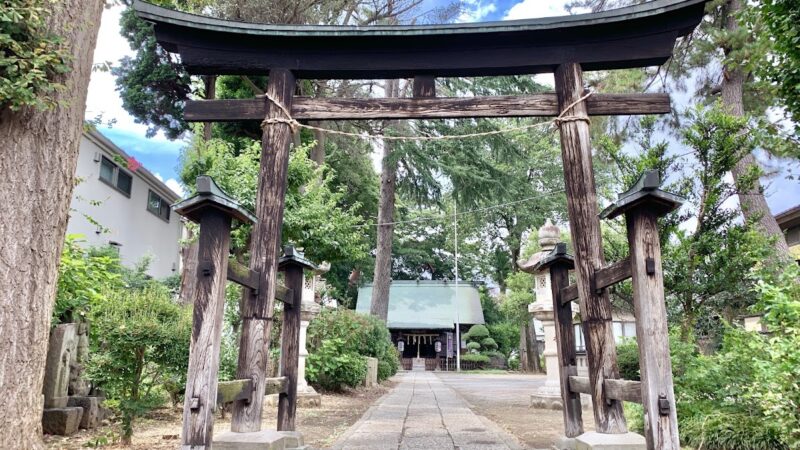
The grounds of Tabata Shrine are not particularly large, but they have a quiet and peaceful atmosphere, a space that makes you forget the hustle and bustle of the city.
Shrine Buildings
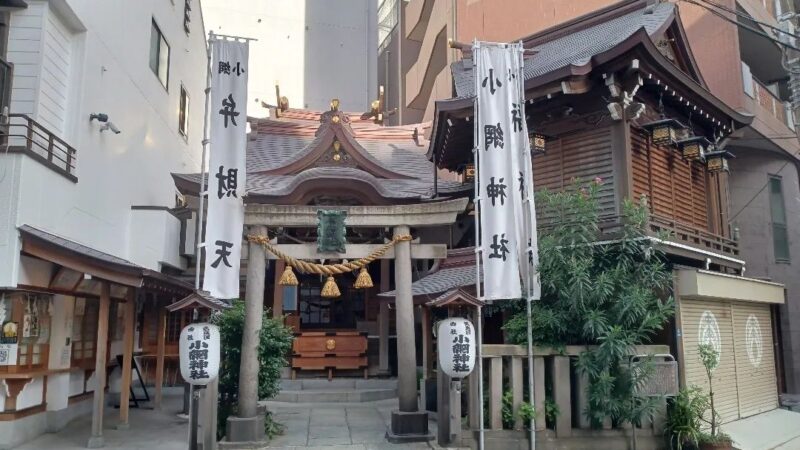
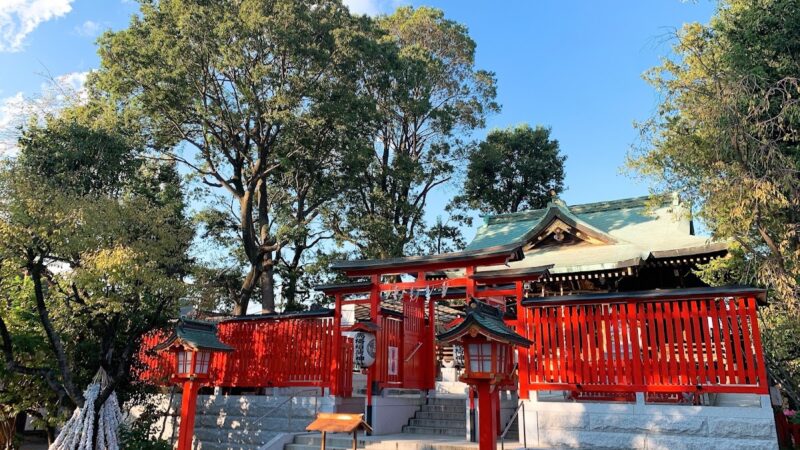
The current shrine buildings are relatively new, but they maintain the style of traditional shrine architecture. The main hall is protected by a protective structure, and the worship hall is maintained as a place visited by worshippers every day. ### Atmosphere of the Shrine Grounds
Despite being located in a residential area, a tranquil atmosphere permeates the shrine grounds. The presence of local residents visiting for worship indicates that it continues to function as a guardian shrine for the community. Trees are planted within the grounds, allowing visitors to feel the changing seasons.
Stone Monuments and Memorials
The shrine grounds contain stone monuments and memorials that tell the story of its history, allowing visitors to learn about the history of Tabata Shrine and its connection to the local community.
Goshuin (Shrine Seal) Information
Goshuin (shrine seals) are available at Tabata Shrine. It’s a shrine worth visiting for those collecting goshuin.
Issuance of Goshuin
Goshuin at Tabata Shrine can be obtained at the shrine office. However, since there may not always be a resident priest, it is recommended to call ahead to confirm if you definitely want a goshuin.
Goshuin (Shrine Seal) Issuance Hours: Generally during the daytime (please check for details)
Offering Fee: Similar to other shrines (approximately 300-500 yen)
Goshuin Design
The goshuin at Tabata Shrine features the shrine’s name and date of visit written in ink, along with the shrine’s seal. Its simple yet dignified design makes it a worthwhile addition to any goshuin collection.
Annual Events and Festivals
Tabata Shrine holds various festivals and events throughout the year.
Annual Festival
Tabata Shrine’s annual festival is held every autumn. Local residents gather to celebrate the shrine’s most important festival of the year.
Other Festivals
- New Year’s Visit: January 1st-3rd
- Setsubun Festival: Around February 3rd
- Summer Purification Ceremony: June 30th
- Year-End Purification Ceremony: December 31st
As the shrine enshrines Sugawara no Michizane, the god of learning, many worshippers visit to pray for success in exams during the exam season.
Attractions Around Tabata Shrine
There are other temples, shrines, and facilities worth visiting around Tabata Shrine.
Nearby Temples and Shrines
- Nakadoji Temple: A temple located near Tabata Shrine
- Fudo-do Hall: A Buddhist hall that attracts local worshippers
Including these temples and shrines, you can enjoy a temple and shrine tour of the Ogikubo area.
Attractions of the Surrounding Area
Ogikubo in Suginami Ward is an area with a wide variety of shopping streets and restaurants. Before or after visiting Tabata Shrine, you can enjoy the dining and shopping around Ogikubo Station. The area around Minami-Asagaya Station is also a quiet residential area, perfect for a stroll.
Manners and Precautions for Visiting Shrine
When visiting Tabata Shrine, please note the following points:
Basic Worship Etiquette
- Bow before passing through the torii gate.
- Purify your hands and mouth at the water basin.
- Bow twice, clap twice, and bow once in front of the main hall.
- Worship quietly.
Points to Note When Visiting
- As the shrine is located in a residential area, please refrain from loud conversations.
- Photography is permitted, but please be considerate of other worshippers.
- When receiving a goshuin (shrine stamp), please use polite language.
- The shrine office may be unattended, so if you definitely want a goshuin, it is recommended to contact them in advance.
Summary of Tabata Shrine’s Charms
Tabata Shrine is a historical shrine founded during the Oei era of the Muromachi period, and is still cherished as the guardian shrine of the region. The main deity, Sugawara no Michizane, is known as the god of learning, and worshippers seeking academic success and those taking exams visit the shrine.
This small shrine, nestled in a residential area, boasts a history spanning over 600 years, with a distinguished origin dating back to the Kitano Tenmangu Shrine in Kyoto, where a divided spirit was invited to reside. During the Meiji era’s shrine consolidation, Amaterasu Omikami, Toyouke-hime no Mikoto, Okuninushi no Mikoto, and Oyamatsumi no Mikoto were also enshrined, giving the shrine diverse divine blessings.
The tranquil grounds offer a perfect escape from the hustle and bustle of the city, providing a peaceful retreat. Its convenient location, within walking distance of Ogikubo, Minami-Asagaya, and Takaido stations, is another attractive feature.
Goshuin (shrine stamps) are available, making it a recommended shrine for those collecting them. However, since there may not always be a resident priest, it’s recommended to call ahead to confirm if you wish to receive a goshuin.
Blessings at Tabata Shrine
Because Tabata Shrine enshrines multiple deities, it offers a variety of blessings.
Prayer for Academic Success and Passing Exams
The main deity, Sugawara no Michizane, is worshipped nationwide as the god of learning. Students preparing for exams and those taking qualification exams visit to pray for success.
Abundant Harvest and Business Prosperity
Since Toyouke-hime no Mikoto and Okuninushi no Mikoto are enshrined here, blessings for abundant harvests and business prosperity can also be expected. Local shop owners and agricultural workers also visit to pray.
Matchmaking
Okuninushi no Mikoto is also known as the god of matchmaking, and visitors praying for good relationships come here.
Family Safety and Protection from Evil
Due to the enshrined deities, including Amaterasu Omikami, blessings for family safety and protection from evil are also offered.
Best Season to Visit Tabata Shrine
Tabata Shrine can be visited throughout the year, but there are best seasons depending on your purpose.
Exam Season (December-March)
As a shrine dedicated to the god of learning, many students and their parents visit during exam season to pray for success. Many also visit in conjunction with their first shrine visit of the New Year.
Annual Festival (Autumn)
Autumn, when Tabata Shrine holds its annual festival, is the most vibrant time for the shrine. As a local festival, you can witness traditional rituals.
For Those Who Want to Visit in Quiet (Weekdays)
For those who want to visit in a quiet atmosphere, weekday mornings are recommended. There are fewer people, allowing for a more peaceful visit.
Cultural Properties and Historical Value of Tabata Shrine
While Tabata Shrine does not have many designated cultural properties, its historical value is highly regarded.
Historical Background
Founded during the Oei era of the Muromachi period, a crucial period in Japanese history, Tabata Shrine is a valuable testament to the faith of the samurai class at the time and the spread of Kyoto culture to the Kanto region.
The history of Tabata Shrine, where Yoshikage, a retainer of Shinagawa Sakyo, invited a divided spirit from Kitano Tenmangu Shrine in Kyoto, is a prime example of the spread of Shinto worship during the medieval period.
Importance in Local History
As the guardian shrine of the former Tabata Village, Tabata Shrine was a central presence in the local community. The consolidation of five surrounding shrines during the Meiji era reflects the history of regional reorganization in the modern period.
Even today, it remains a beloved local shrine, attracting many worshippers during New Year’s visits and annual festivals, playing an important role in supporting the region’s cultural identity.
Summary: Points for Visiting Tabata Shrine
Tabata Shrine is a historical shrine located in Ogikubo, Suginami Ward, Tokyo, founded during the Oei era. Keeping the following points in mind during your visit will enhance your experience.
Points to Note When Visiting:
- Tenjin Shrine, dedicated to Sugawara no Michizane, the god of learning.
- A historic shrine that received a divided spirit from Kitano Tenmangu Shrine in Kyoto.
- Has a history of over 600 years as the guardian shrine of the former Tabata Village.
- Easily accessible on foot from Minami-Asagaya Station, Ogikubo Station, and Takaido Station.
- Goshuin (shrine stamps) are available (prior confirmation recommended).
- Offers various blessings including academic success, passing exams, matchmaking, and business prosperity.
- A quiet and peaceful shrine where you can find peace of mind.
Tabata Shrine is not a large shrine, but it is a charming shrine with a long history and a faith deeply rooted in the community. When you visit the Ogikubo area, why not pay a visit? The time spent praying for academic success or the fulfillment of your wishes in the quiet shrine grounds, and receiving a goshuin, will surely be a precious moment that will make you forget the hustle and bustle of the city.