Ebara Shrine (Shinagawa Ward, Tokyo) Complete Guide | Goshuin, History, Access, and Everything About Dragon God Worship
Ebara Shrine, located in Kita-Shinagawa, Shinagawa Ward, Tokyo, is an ancient shrine boasting a history of over 1300 years, founded in 709 AD (Wado 2). Widely revered as “Shinagawa’s Dragon God,” its presence on the banks of the Meguro River has been selected as one of “Shinagawa’s 100 Scenic Views.” This article comprehensively introduces information you should know before visiting Ebara Shrine, including its history, enshrined deities, goshuin (shrine seals), highlights within the grounds, and access methods.
History and Origins of Ebara Shrine
From Founding to the Present
Ebara Shrine is said to have been founded on September 9th, 709 AD (Wado 2). It is said that the shrine originated with the enshrinement of Takaokami-no-kami from the Niukawakami Shrine in Nara, and for over 1300 years since then, it has continued to protect the Shinagawa area.
In ancient times, it was known by various names depending on the era, such as Kifune Shrine, Tenno Shrine, Kibune Daimyojin, and Shinagawa Daimyojin. The name “Tenno Shrine” was particularly well-known, and it was also called “Tenno of the South.” This corresponds to Shinagawa Shrine being called “Tenno of the North.”
As the Guardian Shrine of Shinagawa-juku
During the Edo period, it served as the guardian shrine of Shinagawa-juku, attracting the faith of travelers and local residents. Shinagawa-juku flourished as the first post town on the Tokaido highway, and many people prayed for safe travels at Ebara Shrine. It has a history of receiving fervent devotion from many samurai families, including the Minamoto, Tokugawa, and Uesugi clans.
Emperor Meiji’s Visit and Quasi-Imperial Shrine
In 1868, the first year of the Meiji era, when the capital was moved to Tokyo, it was designated as a quasi-imperial shrine and became the Naishidokoro (Imperial Household Agency). Emperor Meiji visited the shrine four times, demonstrating its deep connection with the Imperial Family. This historical fact demonstrates the high status of Ebara Shrine.
Current Shrine Building
The current shrine building was completed in 1844, giving it a history of nearly 180 years. As a valuable building that conveys the architectural style of the late Edo period, it welcomes many worshippers.
Deities and Divine Virtues
Main Deity: Takaokami-no-kami
The main deity of Ebara Shrine is Takaokami-no-kami. Takaokami-no-kami is known as a water god and dragon god, and is the origin of the affectionate nickname “Shinagawa’s Dragon God.” Dragon god worship has been prevalent throughout Japan since ancient times, but Ebara Shrine is known as one of the most important sacred sites of dragon god worship in Tokyo.
Enshrined Deities
Along with the main deity, the following gods are enshrined:
- Amaterasu Omikami: The sun goddess and ancestral deity of the Imperial family
- Susanoo-no-Mikoto: God of protection against misfortune and disease
- Yamato Takeru-no-Mikoto: God of martial prowess and pioneering
These gods work together to protect worshippers.
Divine Virtues (Benefits)
Ebara Shrine is believed to offer the following divine virtues:
- Prayer for Rain/Stopping Rain: The power to control water as a dragon god
- Agricultural Prosperity: Abundant harvests, business success
- Marital Harmony: Successful relationships, family safety
- Protection from Evil: Exorcism, protection from disaster
- Safe Navigation: Safe travels
- Academic Success: Prayers for passing exams
Especially due to the worship of the water god/dragon god, many worshippers visit to pray for rain and other water-related matters.
Highlights of the Shrine Grounds
View from Chinju Bridge
The approach to Ebara Shrine is via Chinju Bridge, which spans the Meguro River. The view of Ebara Shrine from this bridge, “View of Ebara Shrine in Fresh Greenery from Chinju Bridge,” has been selected as one of the “100 Views of Shinagawa,” and is breathtakingly beautiful, especially during the fresh green season of spring and the cherry blossom season.
The location, where the Meguro River and the old Tokaido Road intersect, evokes the bustling atmosphere of the former Shinagawa-juku post town.
Shrine and Worship Hall
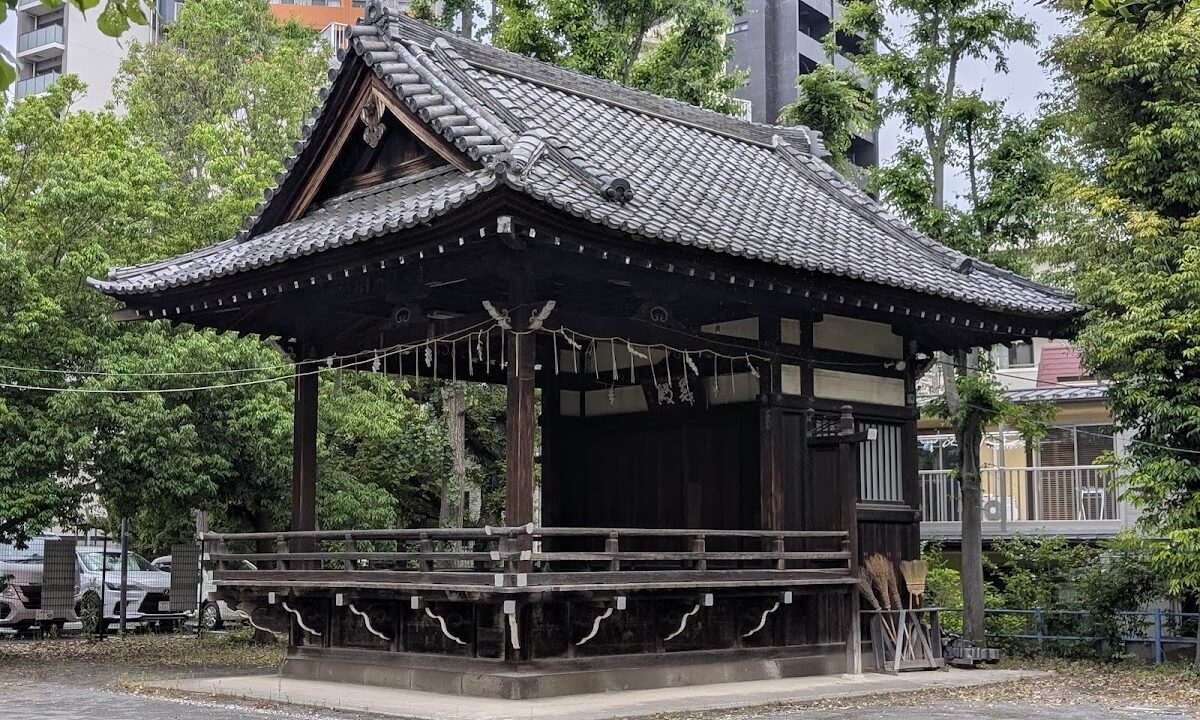
Completed in 1844, the shrine retains strong elements of late Edo period architecture. The beautiful vermilion-painted shrine harmonizes with the Meguro River’s waterfront, creating a unique and charming atmosphere.
Taiwan Cherry Blossoms and Japanese White-eyes
In spring, the shrine grounds are covered in blooming Taiwan cherry blossoms, and it’s also known as a spot for wild birds such as Japanese white-eyes. The lush, natural grounds offer a tranquil escape from the hustle and bustle of the city.
Dragon God Statue and Water God Worship
Various elements indicating dragon god worship can be seen within the shrine grounds. As befits a shrine dedicated to water gods and dragon gods, water-related offerings and decorations are placed throughout.
Ebisu, one of the Seven Lucky Gods of Tokai
Ebara Shrine is one of the Seven Lucky Gods of Tokai, and enshrines Ebisu. Many visitors come as part of the Seven Lucky Gods pilgrimage, and the shrine is bustling with people praying for business prosperity and good fortune.
About Goshuin (Shrine Seals) and Goshuincho (Shrine Seal Books)
Types of Goshuin
In addition to regular goshuin, Ebara Shrine sometimes offers limited-edition goshuin for seasonal events and special occasions. Goshuin featuring designs symbolizing the dragon god are popular as souvenirs of visits.
Goshuincho (Shrine Seal Books)
Ebara Shrine also offers original goshuincho, featuring designs inspired by the dragon god and the Meguro River. The designs, which evoke the history of Shinagawa, are popular among collectors.
Reception Hours
Goshuin are available at the shrine office. It is recommended to check the reception hours before visiting. Generally, the hours are from 9:00 AM to around 5:00 PM, but this may vary depending on religious ceremonies and events.
Annual Festivals and Rituals
Grand Festival (Tenno Festival)
Ebara Shrine’s annual festival is known as the “Tenno Festival,” held every June. It was once a major event in Shinagawa-juku, attracting many people. Even today, the tradition continues, with a portable shrine procession and various religious ceremonies.
Procession of the Portable Shrine in the Sea
The highlight of the Tenno Festival is the “procession in the sea,” where the portable shrine enters the sea (Tokyo Bay). This magnificent ritual, unique to a shrine dedicated to the dragon god and water god, attracts many spectators.
Other Annual Events
- New Year’s Visit: Many worshippers visit the shrine in the New Year.
- Setsubun Festival: Bean-throwing ceremonies are held on Setsubun in February.
- Shichi-Go-San Festival: The shrine is bustling with Shichi-Go-San celebrations in the autumn.
- Monthly Festival: Shinto rituals are held regularly every month.
Basic and Detailed Information
Location
Address: 2-30-28 Kita-Shinagawa, Shinagawa-ku, Tokyo
Ebara Shrine is located in Kita-Shinagawa, Shinagawa-ku, and is characterized by its waterfront location along the Meguro River. It is also close to the old Tokaido road, allowing visitors to enjoy the atmosphere of a historical townscape.
Access Methods
Access by Train
Nearest Station: Keikyu Main Line “Shinbaba Station”
- Approximately 5 minutes on foot from the north exit of Shinbaba Station
- Head towards the Meguro River from the station, and it’s right after crossing the Chinju Bridge.
Other Nearest Stations
- Approximately 10 minutes on foot from Keikyu Main Line “Kita-Shinagawa Station”
- Approximately 15 minutes on foot from Rinkai Line “Tennozu Isle Station”
Shinbaba Station is the most convenient and the access from the station is easy to understand, making it recommended for first-time visitors.
Access by Car
Approximately 10 minutes from the Shuto Expressway Route 1 Haneda Line “Shibaura Exit” or “Suzugamori Exit”. However, since dedicated parking is limited, the use of public transportation is recommended. You may also need to use nearby coin parking.
Visiting Hours
While visiting the shrine grounds is generally free, the shrine office is open from approximately 9:00 AM to 5:00 PM. If you wish to receive a Goshuin (temple/shrine stamp) or other amulets, we recommend visiting within these hours.
Website and Contact Information
Official information can be found on the Tokyo Metropolitan Shrine Association website and the Shinagawa Ward tourism information website. We recommend checking the latest information before your visit.
Nearby Attractions and Tourist Spots
Shinagawa Shrine
Located within walking distance of Ebara Shrine, Shinagawa Shrine is considered the counterpart to Ebara Shrine as the “Northern Heavenly King.” With many attractions such as Shinagawa Fuji and the Ichiryu Manbai Spring, visiting both is highly recommended.
Cherry Blossom Trees along the Meguro River
In spring, cherry blossoms bloom along the Meguro River, making it one of Tokyo’s premier cherry blossom viewing spots. Enjoying a stroll during cherry blossom season in conjunction with a visit to Ebara Shrine is also a great idea.
Former Shinagawa Post Town on the Tokaido Road
By strolling through the streets of the former Shinagawa post town on the Tokaido Road, which retain the atmosphere of the Edo period, you can experience the history that Ebara Shrine has protected as the guardian shrine of the area.
Tennozu Isle
The modern waterfront town of Tennozu Isle is also within walking distance. With art galleries and stylish cafes, you can enjoy both historical exploration and modern Tokyo at the same time.
Manners and Points for Visiting the Shrine
Basic Worship Etiquette
- Bow before passing through the torii gate: This is a courtesy before entering the sacred area.
- Purify yourself at the water basin: Purify your left hand, right hand, and mouth in that order.
- Walk along the edge of the path: The center is considered the path of the gods.
- Etiquette at the main hall: Two bows, two claps, and one bow are the basics.
Photography
Photography is generally permitted on the shrine grounds, but please be considerate of those performing religious ceremonies or other worshippers. Photography inside the shrine may be prohibited.
Dress Code
While there are no specific dress code requirements, shrines are sacred places. Please dress cleanly and respectfully.
Summary of Ebara Shrine’s Charms
Ebara Shrine boasts a history of over 1300 years and has garnered deep-rooted faith in the community as the Dragon God of Shinagawa. Its location on the banks of the Meguro River, beautiful shrine buildings, and unique dragon god worship make it a truly captivating shrine.
Despite being in the heart of the city, it is surrounded by abundant nature, offering beautiful scenery throughout the seasons. From cherry blossoms in spring and lush greenery in early summer to vibrant autumn leaves, it displays different expressions with each season.
Ebara Shrine possesses multifaceted charm, including its relationship with Shinagawa Shrine as one of the “North and South Heavenly Kings,” its role as one of the Seven Lucky Gods of Tokai, and its historical background of Emperor Meiji’s visit. When visiting Shinagawa, be sure to pay your respects.
Its convenient location, just a 5-minute walk from Shinbaba Station, makes it easily accessible. Whether you’re collecting Goshuin (temple/shrine stamps), interested in dragon deity worship, or want to learn about the history of Shinagawa, this shrine is worth visiting for a variety of reasons.
Why not spend a tranquil moment away from the hustle and bustle of the city at Ebara Shrine, nestled on the banks of the Meguro River, and feel the power of faith woven over 1300 years of history?