Complete Guide to Matsushita Inari Shrine (Shinagawa Ward, Tokyo) | Deities, Blessings, Access, and Visiting Information
Matsushita Inari Shrine, located in Minami-Shinagawa, Shinagawa Ward, Tokyo, is a historical Inari shrine deeply rooted in the community. Its convenient location within walking distance of Aomono-yokocho Station and its tranquil atmosphere nestled in a quiet residential area make it a beloved local guardian shrine. This article provides detailed information useful for visiting Matsushita Inari Shrine, including its enshrined deities, blessings, history, highlights of the grounds, proper worship etiquette, and access methods.
Basic Information on Matsushita Inari Shrine
Location and Access
Location: 5-3-23 Minami-Shinagawa, Shinagawa Ward, Tokyo
Matsushita Inari Shrine is located in the Minami-Shinagawa area of Shinagawa Ward, making it easily accessible for those enjoying a tour of Tokyo’s shrines. Despite being in a residential area, it maintains the serene atmosphere characteristic of shrines, providing a peaceful environment for worship away from the hustle and bustle of everyday life. ### Access from the Nearest Station
Aomono-yokochō Station (Tokyo Waterfront Area Rapid Transit Rinkai Line/Keikyu Main Line) is the nearest station.
- Walking distance from Aomono-yokochō Station: Approximately 5-7 minutes
- Exit the station and head towards Minami-Shinagawa. The shrine is located after passing through a residential area.
- Using a map app will help you arrive without getting lost.
Other Access Methods:
- Approximately 10 minutes on foot from Samezu Station (Keikyu Main Line)
- Buses are also available from Shinagawa Station (approximately 15 minutes).
If you are coming by car, there are coin parking lots around the shrine, but the number is limited, so we recommend using public transportation.
Deities and Benefits of Matsushita Inari Shrine
About the Deities
The deity enshrined at Matsushita Inari Shrine is Ukanomitama-no-kami. Ukanomitama-no-kami is the principal deity of Inari shrines and is widely worshipped throughout Japan, representing the central deity of Inari worship.
Ukanomitama-no-kami is a god of grain appearing in the Kojiki and Nihon Shoki, and “Uka” means grain or food. Since the time when agriculture was the foundation of people’s lives, Ukanomitama-no-kami has been revered as a god of abundant harvests and business prosperity.
Main Benefits
The benefits that can be received at Matsushita Inari Shrine are as follows:
- Business Prosperity: For those wishing for business success or the prosperity of their store
- Abundant Harvest: For those involved in agriculture or wishing for a bountiful harvest
- Family Safety: For those wishing for the health and peaceful life of their family
- Good Fortune and Prosperity: For those wishing for overall good fortune
- Industrial Development: For those wishing for the development of companies and organizations
Inari shrines have attracted the faith of merchants and craftsmen since the Edo period, and Inari shrines in Tokyo are particularly known for their benefits of business prosperity. Matsushita Inari Shrine is also a shrine visited by local shopkeepers and business owners.
History and Origins of Matsushita Inari Shrine
Circumstances of Founding
There are various theories regarding the exact founding date of Matsushita Inari Shrine, but it is believed to have been enshrined by local people during the mid-to-late Edo period. Shinagawa Ward was home to Shinagawa-juku, the first post town on the Tokaido road during the Edo period, a bustling area frequented by many travelers and merchants.
The Minami-Shinagawa area, located south of Shinagawa-juku, developed as a thriving area for fishing, agriculture, and commerce. It is presumed that Inari worship took root here, stemming from a desire for regional prosperity and the peace and well-being of its residents.
Connection to the Community
Matsushita Inari Shrine has long been revered as the local guardian deity of Minami-Shinagawa. On festival days, local residents gather, forming a community centered around the shrine.
Despite war damage and urban development, it has a history of being preserved by local people and continues to be carefully managed by them today. It is registered with the Tokyo Metropolitan Shrine Association and also holds cultural significance as a Shinagawa Ward cultural property.
Highlights and Cultural Properties within the Shrine Grounds
Main Hall and Worship Hall
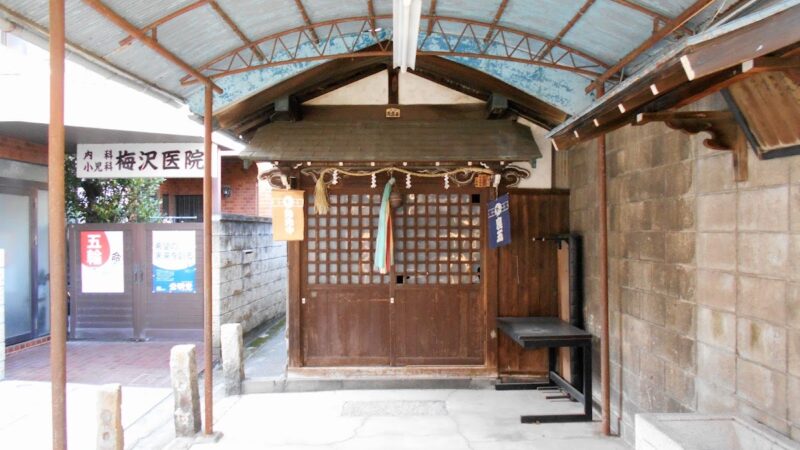
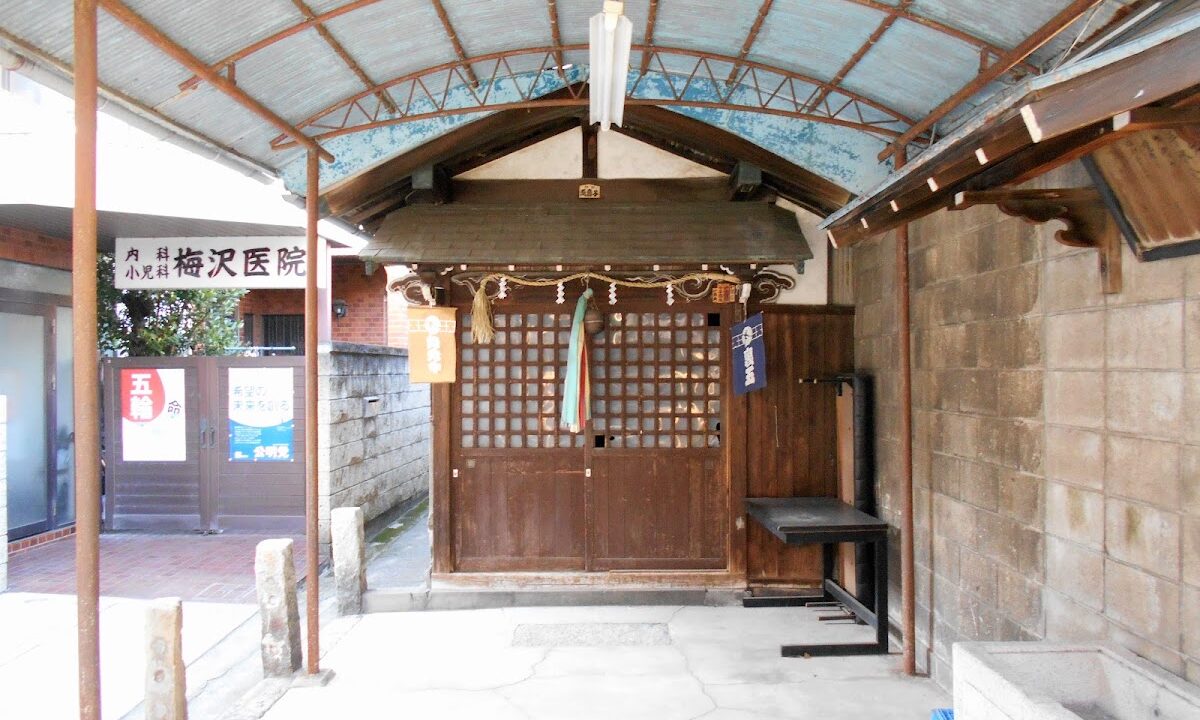
The main hall of Matsushita Inari Shrine is a typical example of Inari-style architecture. Although small in scale, the shrine is meticulously maintained, and the vermilion torii gate and shrine building present a beautiful harmony.
A donation box is placed in front of the main hall, allowing visitors to pray according to proper etiquette. The area around the shrine is impeccably clean, reflecting the dedication of the local community to preserving the shrine.
Torii Gate and Approach
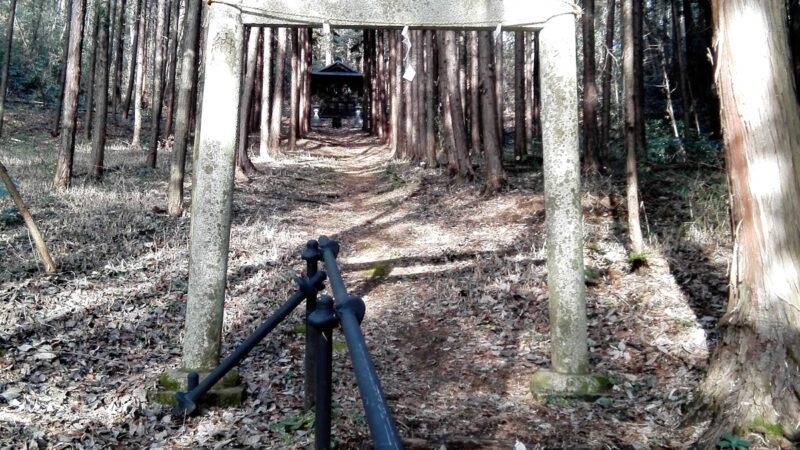
A vermilion torii gate stands at the entrance to the shrine. Vermilion, a symbol of Inari shrines, is considered a color representing protection against evil and abundance. Passing through the torii gate leads to a short approach, guiding visitors to a sacred space away from the hustle and bustle of the city.
Fox Statues (Divine Messengers)
A characteristic feature of Inari shrines is the presence of fox statues. Foxes are considered divine messengers of Inari, and have been worshipped as beings that convey the will of the gods to people. The fox statues at Matsushita Inari Shrine are also positioned to gently watch over visitors.
Shrines and Subsidiary Shrines
Sometimes, small subsidiary shrines are enshrined within the temple grounds. These are valuable cultural assets that tell the story of the local faith history, and we recommend visiting them along with the main shrine.
Etiquette and Manners for Visiting a Shrine
Basic Etiquette for Visiting a Shrine
Knowing the correct etiquette for visiting a shrine will allow you to offer a more heartfelt prayer:
- Bow before the Torii Gate: Before entering the sacred area, bow before the torii gate.
- Walking along the Path: The center of the path is considered the path of the gods, so walk along the edges.
- Watering Procedure: If there is a watering basin, cleanse your hands and mouth.
- Hold the ladle in your right hand and wash your left hand.
- Switch to your left hand and wash your right hand.
- Switch back to your right hand, receive water in your left hand, and rinse your mouth.
- Finally, hold the ladle upright and rinse the handle.
- Worship at the Main Hall: The basic procedure is “two bows, two claps, one bow.”
- Place your offering.
- Ring the bell if there is one.
- Bow deeply twice.
- Clap your hands twice.
- Bring your hands together and pray.
- Finally, bow deeply.
- Upon Exiting: After exiting the torii gate, turn around and bow.
Attire for Visiting the Shrine
There are no specific dress code requirements, but since shrines are sacred places, please dress in a clean and respectful manner. It is advisable to avoid overly revealing clothing or overly casual attire such as sandals.
Photography Etiquette
Photography is generally permitted on the shrine grounds, but please observe the following points:
- Refrain from taking photos inside the main hall.
- Be considerate of other visitors.
- When posting on social media, be mindful of location information, etc.
- Take photos quietly so as not to detract from the atmosphere of the shrine.
Annual Festival and Events
About the Annual Festival
Matsushita Inari Shrine holds an annual festival. The date of the festival varies depending on the shrine, but many Inari shrines hold it on the first day of the horse in spring or on auspicious days in spring and autumn.
During the annual festival, Shinto priests perform rituals, and local parishioners and devotees gather to pray for the prosperity of the shrine and the peace and security of the community.
New Year’s Visit
The shrine is bustling with visitors for the New Year’s visit. From January 1st to the third day of the year, people visit to pray for safety and prosperity in the new year. While not as crowded as large shrines, many local residents visit.
First Horse Day Festival
An important event at Inari shrines is the “First Horse Day Festival (Hatsuumasai).” Held on the first Horse Day of February, this festival commemorates the day Inari-sama descended upon Mount Inari and is celebrated at Inari shrines throughout Japan.
About Goshuin (Shrine Seals) and Other Items
About Goshuin (Shrine Seals)
Regarding Goshuin at Matsushita Inari Shrine, availability may vary depending on the shrine office’s operating hours. As it is a small shrine, it may not always be available, so it is recommended that those wishing to receive a Goshuin check in advance.
Amulets and Talismans
Shrines generally offer the following items:
- Ofuda (talismans): Talismans to be placed on the household altar.
- Amulets: Various amulets for business prosperity, family safety, etc.
- Ema (votive tablets): Ema (votive tablets) on which wishes are written and offered.
The availability of these items depends on the shrine office’s opening hours. If you want to be sure to receive them, it’s best to visit during festival days or the New Year’s visit period.
Nearby Attractions and Shrines/Temples
Major Inari Shrines in Shinagawa Ward
When visiting Matsushita Inari Shrine, why not also visit other shrines in Shinagawa Ward?
Shinagawa Shrine (Kita-Shinagawa, Shinagawa Ward)
- One of Shinagawa Ward’s representative shrines
- A prestigious shrine counted among the Ten Shrines of Tokyo
- Famous for its Fujizuka (miniature Mount Fuji) and Ichiryu Manbai Spring
Ebara Shrine (Kita-Shinagawa, Shinagawa Ward)
- Known as the Dragon God of Shinagawa
- A beautiful shrine situated along the Meguro River
Tenso Suwa Shrine (Minami-Oi, Shinagawa Ward)
- A major shrine in the Minami-Shinagawa area
- Beloved as the local guardian deity
Tourist Spots Around Aomono-Yokocho
Shinagawa Aquarium
- An aquarium located within Shinagawa Ward Park
- Popular for its dolphin and sea lion shows
Shinagawa History Museum
- A museum where you can learn about the history and culture of Shinagawa
- Extensive Resources on Shinagawa-juku on the Tokaido Road
Former Shinagawa-juku on the Tokaido Road
- A highway that retains the atmosphere of the Edo period
- An ideal area for historical walks
Comparison with Major Inari Shrines in Tokyo
Anamori Inari Shrine (Ota Ward)
A large Inari shrine located near Haneda Airport. Known for its blessings of business prosperity and aviation safety, its thousands of torii gates are breathtaking. In contrast to Matsushita Inari Shrine, it boasts a vast precinct and is bustling with many worshippers.
Toyokawa Inari Tokyo Branch Temple (Minato Ward)
A Soto Zen temple located near Akasaka-Mitsuke, but one of the centers of Inari worship. As a branch temple of Toyokawa Inari in Aichi Prefecture, it boasts one of the highest numbers of worshippers in Tokyo.
Higashi Fushimi Inari Shrine (Nishitokyo City)
A shrine that invited a divided spirit from Fushimi Inari Taisha in Kyoto. It was founded in the early Showa period as a base for Inari worship in the Kanto region. This is a representative Inari shrine in the Kita-Tama area.
Characteristics of Matsushita Inari Shrine
Compared to these large shrines, Matsushita Inari Shrine is a small, community-oriented shrine. However, this gives it a friendly, local feel, and its quiet environment is a major draw. It’s an ideal shrine for those who want to escape the hustle and bustle of the city and offer a peaceful prayer.
Points to Note When Visiting Matsushita Inari Shrine
Recommended Visiting Times
- Morning: You can pray in refreshing air.
- Weekdays: Recommended for those who want to pray quietly.
- Annual Festival Days: For those who want to experience the lively atmosphere of the shrine.
Estimated Visiting Time
Because the shrine grounds are small, the actual visit only takes about 10-15 minutes. Even including a stroll around the surrounding area, 30 minutes to an hour is sufficient to fully enjoy the visit.
Sightseeing Plans to Combine
- Shinagawa Shrine Tour: Matsushita Inari Shrine → Shinagawa Shrine → Ebara Shrine (Duration: Half Day)
- Old Tokaido Road Walking Course: Matsushita Inari Shrine → Walk along the Old Tokaido Shinagawa Post Town → Shinagawa History Museum (Duration: Half Day)
- Waterside Relaxation Course: Matsushita Inari Shrine → Shinagawa Aquarium → Shinagawa Citizens’ Park (Duration: Full Day)
History of Shinagawa Ward and Inari Worship
Historical Background of Shinagawa
During the Edo period, Shinagawa Ward flourished as the first post town on the Tokaido Fifty-Three Stations. Shinagawa Post Town was lined with many inns and teahouses, bustling with travelers and merchants.
Due to its geographical location facing Tokyo Bay, fishing was also thriving, and seaweed cultivation was carried out. It also developed as an agricultural area, an important region supporting Edo’s food supply.
Inari Faith in Shinagawa
Along with the development of commerce and industry, Inari faith, which prays for business prosperity and abundant harvests, spread. Numerous Inari shrines, large and small, are scattered throughout Shinagawa Ward, each functioning as a center of the local community.
Matsushita Inari Shrine is one such place of worship nurtured within Shinagawa’s history. As an officially registered shrine with the Tokyo Metropolitan Shrine Association, it continues to serve as a spiritual pillar for the community.
The Significance and Modern Value of Shrine Visits
Shrines as a Place of Spiritual Support
In modern society, shrines are not merely tourist attractions, but also serve as places of spiritual support. Taking time to quietly reflect on oneself, away from the hustle and bustle of daily life, is important for mental health.
Small, local shrines like Matsushita Inari Shrine have a different charm than large, famous shrines. The less crowded environment, allowing for peaceful worship, allows us to rediscover the true meaning of shrine visits.
The Heart of the Community
As the local guardian shrine, the shrine serves as a place to foster connections among residents. Through festivals and cleaning activities, a local community is formed, and intergenerational exchanges are created.
In urbanized Tokyo, such community connections are precious. Matsushita Inari Shrine also plays an important role in connecting the people of Minami-Shinagawa.
Precautions When Visiting
Consideration in a Residential Area
Since Matsushita Inari Shrine is located in a residential area, please observe the following points when visiting:
- Refrain from loud conversations
- Never park on the street
- Always take your trash with you
- Do not obstruct the passage of residents
Opening Hours
As it is a small shrine, there may not be clearly defined opening and closing times. Generally, daytime visits are recommended. Nighttime visits should be avoided for security reasons.
Inquiries
For detailed information about the shrine, you can contact the Tokyo Metropolitan Shrine Association or the Shinagawa Ward Cultural Properties Division. For specific services such as Goshuin (temple/shrine stamps) and prayers, we recommend checking in advance.
Summary: The Charm of Matsushita Inari Shrine
Matsushita Inari Shrine is a community-oriented Inari shrine located in Minami-Shinagawa, Shinagawa Ward, Tokyo. Its excellent accessibility (within walking distance of Aomono-yokocho Station) and the peaceful environment that allows for calm and peaceful worship are major attractions.
The enshrined deity, Ukanomitama-no-kami, is known for granting blessings of business prosperity and abundant harvests, and is beloved not only by local residents but also by many people in Tokyo seeking Inari worship.
Unlike large, famous shrines, Matsushita Inari Shrine stands quietly as a local guardian shrine. When strolling through Shinagawa, why not stop by and experience traditional Japanese faith? A heartfelt visit is sure to bring new vitality to your daily life.
For those who enjoy visiting shrines in Tokyo, those interested in the history of Shinagawa Ward, and those who wish to offer quiet prayers, Matsushita Inari Shrine is a shrine worth visiting. Please enjoy a fulfilling pilgrimage experience while observing proper worship etiquette and being mindful of the local community.