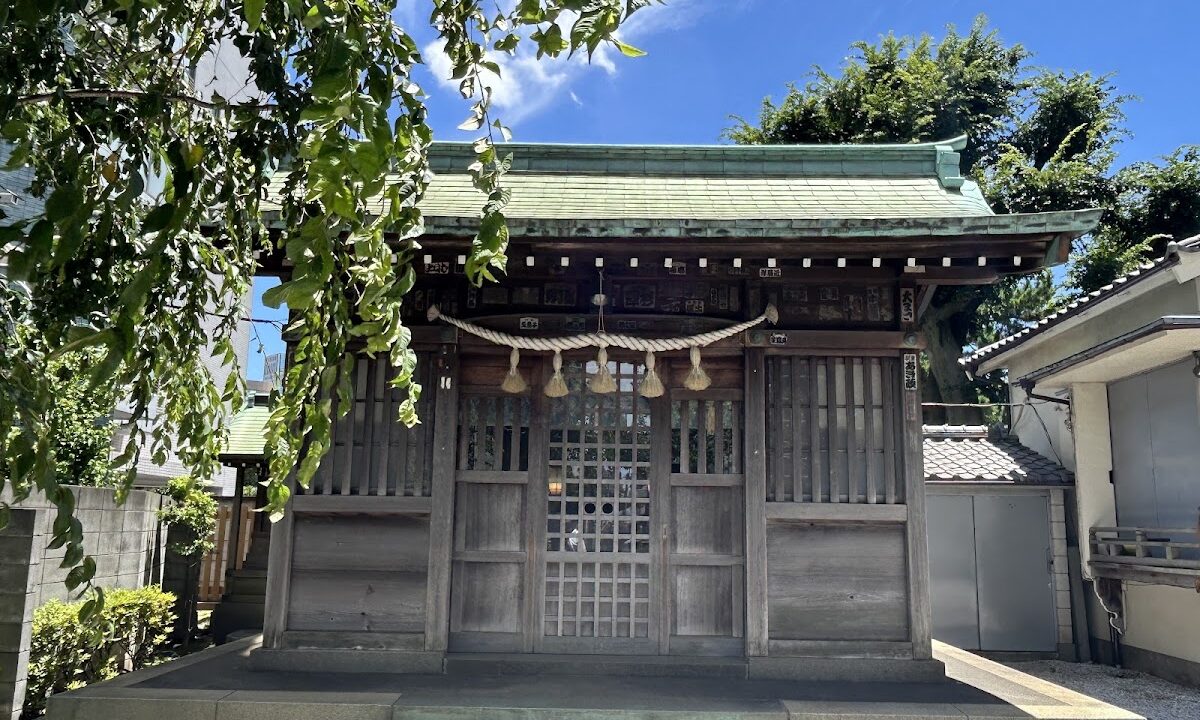
Complete Guide to Sodegasaki Shrine (Shinagawa Ward, Tokyo) | History, Access, and Goshuin Information
Sodegasaki Shrine, located in Higashi-Gotanda, Shinagawa Ward, Tokyo, is a historic shrine with a history dating back to the Heian period. Despite being amidst the hustle and bustle of the city, this shrine maintains a tranquil atmosphere and continues to be cherished by the local community. This article provides a detailed overview of Sodegasaki Shrine, including its history, enshrined deities, highlights within the grounds, access information, and details about its Goshuin (shrine stamp).
Basic Information on Sodegasaki Shrine
Location: 3-6-20 Higashi-Gotanda, Shinagawa-ku, Tokyo
Main Deities:
- Ukanomitama-no-kami
- Amaterasu-Omikami
- Hondawake-no-mikoto
- Takemikazuchi-no-mikoto
- Futsunushi-no-mikoto
- Shiotsuchi-no-Okina-no-mikoto
- Ichikishima-hime-no-mikoto
Shrine Rank: Former Village Shrine
Annual Festival Date: September 15th
Management: Currently a subsidiary shrine of Kiji Shrine
Sodegasaki Shrine is conveniently located along Sakurada-dori, approximately a 2-minute walk from Takanawadai Station on the Toei Asakusa Line and approximately a 9-minute walk from Gotanda Station on the JR Yamanote Line. Despite being in the heart of Tokyo’s Higashi-Gotanda district of Shinagawa Ward, its lush grounds offer tranquility to visitors.
History of Sodegasaki Shrine
Founded in the Heian Period
Sodegasaki Shrine’s founding dates back to the first year of the Hoen era (1137). In that year, it was invited from Inariyama (Fushimi Inari Taisha) in Kyoto and enshrined at this location. This indicates that it has existed as a center of faith in this region since the late Heian period.
Initially, it enshrined Ukanomitama-no-kami, the Inari deity, as its main deity, attracting the faith of local people praying for abundant harvests and business prosperity. The Inari faith spread from Kyoto throughout Japan during this period, and Sodegasaki Shrine is one of the shrines that emerged within this trend.
Development during the Muromachi Period
In 1344 (Kōei 3), Yamaguchi Naomasa, the second son of Yamaguchi Naoyoshi, was appointed as the chief priest. From then on, the Yamaguchi family inherited the priestly position for 22 generations, continuing to uphold the shrine’s rituals. This long history of hereditary succession demonstrates a tradition of shrine management deeply rooted in the local community.
From the Muromachi period to the Edo period, Sodegasaki Shrine developed as the guardian shrine of the region. During this time, not only Inari, but also several other deities were enshrined, including Amaterasu Ōmikami, Homudawake no Mikoto (Hachiman), Takemikazuchi no Mikoto and Futsunushi no Mikoto (the deities of Kashima and Katori), Shiotsuchi no Okina no Mikoto, and Ichikishimahime no Mikoto.
Reverence from Samurai in the Edo Period
During the Edo period, Sodegasaki Shrine began to attract reverence from samurai families. Particularly noteworthy is its patronage by the Tokugawa shogunate, including the third shogun, Iemitsu. It was also revered by numerous feudal lords, such as the Date family and Hosokawa Buzen-no-kami.
During this period, the area around Higashi-Gotanda in Shinagawa Ward, Tokyo, was a key point on the Tokaido road leading from Edo, and many samurai residences lined the streets. Sodegasaki Shrine played an important role as a spiritual center for these samurai.
Changes in the Meiji, Taisho, and Showa Eras
Following the Meiji-era separation of Shinto and Buddhism, Sodegasaki Shrine was designated a village shrine. While continuing its role as a local guardian shrine, the form of shrine rituals changed amidst the wave of modernization.
From the Taisho era to the early Showa era, it continued to attract the faith of local residents, but suffered significant damage in the Tokyo air raids of 1945, when the shrine buildings were destroyed by fire. This air raid resulted in the loss of many buildings, including the main shrine, and it is believed that ancient documents and treasures were also destroyed.
After the war, the shrine was rebuilt through the efforts of local residents, but on a smaller scale, becoming the small shrine it is today. Furthermore, it became difficult to have a permanent priest, and it has since been a shrine concurrently managed by the nearby Kiji Shrine.
Deities and Divine Virtues
Sodegasaki Shrine enshrines several deities, each with different divine virtues.
Ukanomitama-no-kami
The principal deity, Ukanomitama-no-kami, is a deity widely known as Inari-no-kami. It is worshipped as the god of abundant harvests, business prosperity, and industrial development. “Uka” means grain and food, and this deity has been revered since ancient times as the god who presides over food, the foundation of life.
Amaterasu Omikami
Amaterasu Omikami is the supreme deity in Japanese mythology and the ancestral deity of the Imperial family. She possesses the characteristics of a sun goddess and bestows blessings of national peace, good fortune, and protection from evil.
Hondawake no Mikoto
Hachiman, the deified form of Emperor Ojin. He has been particularly revered by samurai families as the god of military success, victory in competitions, and career advancement. The presence of this deity is believed to have played a significant role in the fact that Sodegasaki Shrine attracted the faith of the Tokugawa shogunate and other samurai families.
Takemikazuchi no Mikoto and Futsunushi no Mikoto
The deities enshrined at Kashima Shrine and Katori Shrine, affectionately known as “Kashima-sama” and “Katori-sama.” Known as gods of war, they bestow blessings of victory, improvement in martial arts, and protection from disaster. The fact that these two deities are enshrined here is thought to be related to the samurai class’s reverence for Sodegasaki Shrine.
Shiotsuchi-no-Okina-no-Mikoto
A deity known as the god of the sea and safe voyages. Also possessing characteristics of a god of wisdom, he is worshipped as a god of successful relationships and guidance in life.
Ichikishima-hime-no-Mikoto
One of the three Munakata goddesses, she is a deity syncretized with Benzaiten. She is believed to bestow blessings for improvement in performing arts, financial fortune, beauty, and matchmaking, and is particularly revered by women.
Highlights of the Shrine Grounds
Sodegasaki Shrine lost many buildings in the war, but it is still carefully preserved as a place of worship for the community.
Shrine Buildings
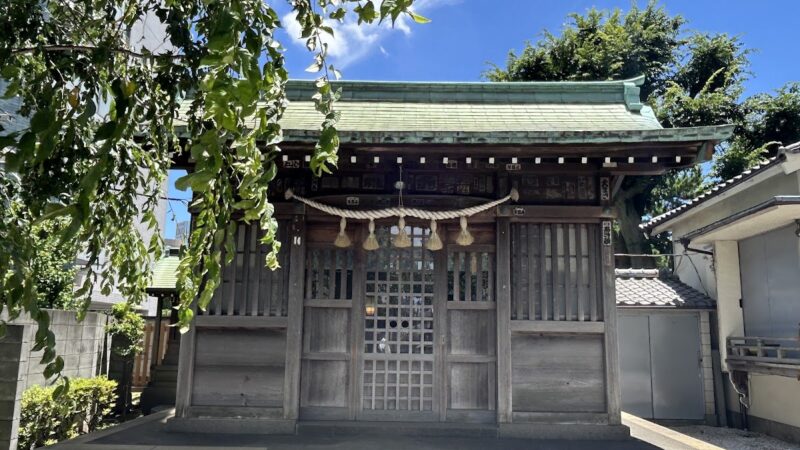
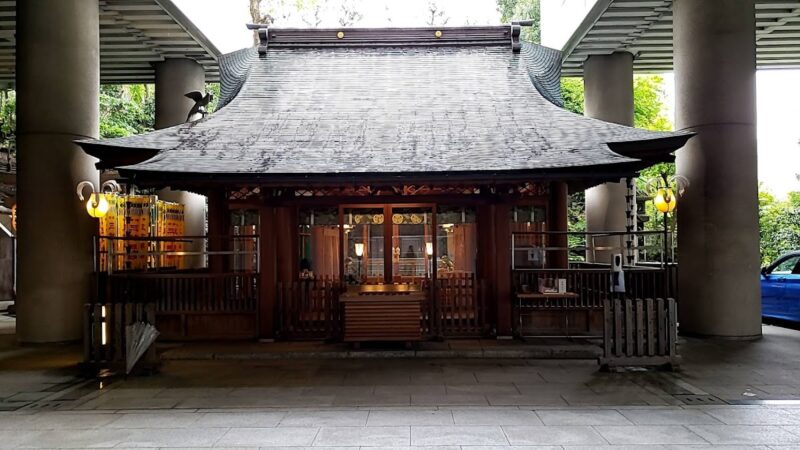
The current shrine buildings were rebuilt after the war. While small in scale, they are meticulously maintained. The worship hall and main sanctuary are integrated, giving it the appearance of a small shrine in the heart of the city.
Shrine Grounds
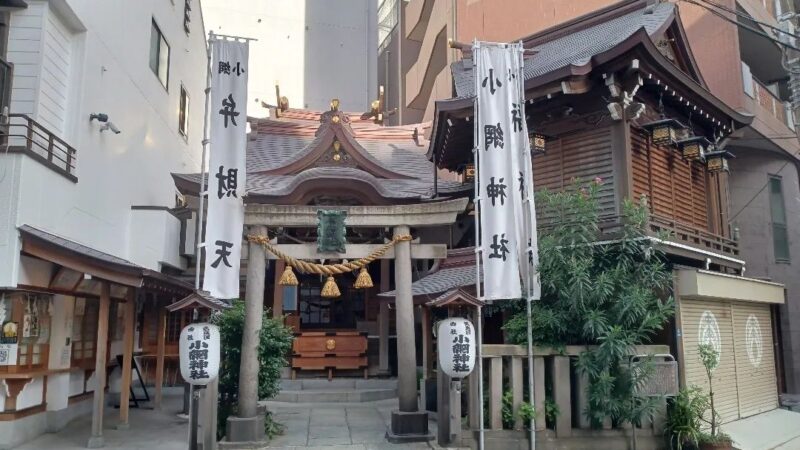
There are several smaller shrines within the temple grounds. These small shrines also attract the faith of local people and embody a variety of wishes. There is even a shrine dedicated to Tenjin-sama (Sugawara no Michizane), attracting visitors praying for academic success.
Lush Green Environment
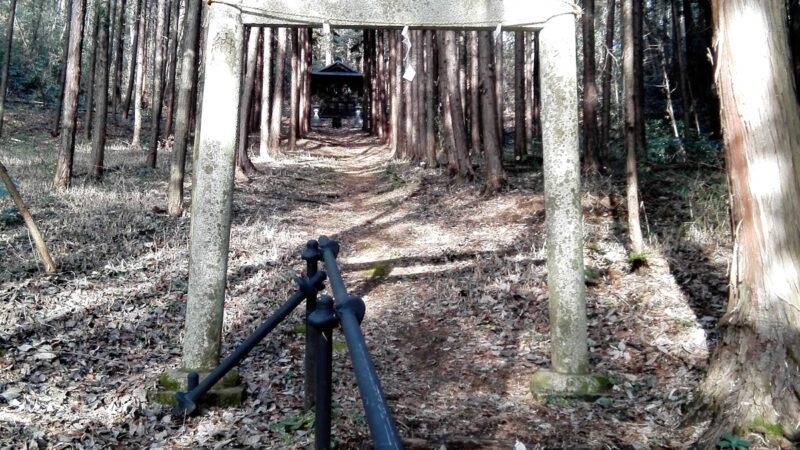
Despite being located along the main Sakurada-dori street, the temple grounds are planted with trees, creating an oasis-like atmosphere in the city. Especially during the seasons of fresh greenery and autumn leaves, the beauty of the trees delights visitors.
Stone Monuments and Sculptures
The temple grounds contain old stone monuments and sculptures. These are valuable cultural assets that survived the war, conveying the long history of the shrine.
Access
Access to Sodegasaki Shrine is very convenient. It is within walking distance of several stations and easily accessible from various parts of Tokyo.
Access by Train
Nearest Station (Recommended):
- Approximately 2 minutes on foot (approx. 176m) from Exit A2 of Takanawadai Station on the Toei Asakusa Line
Other Nearest Stations:
- Approximately 9 minutes on foot (approx. 690m) from the East Exit of Gotanda Station on the JR Yamanote Line, Toei Asakusa Line, and Tokyu Ikegami Line
- Approximately 10 minutes on foot (approx. 809m) from Shirokanedai Station on the Tokyo Metro Namboku Line and Toei Mita Line
Walking Route (From Takanawadai Station)
- Exit Takanawadai Station from Exit A2
- Proceed along Sakurada-dori towards Gotanda (north)
- You will see Sodegasaki Shrine on your left after about 2 minutes
Walking Route (From Gotanda Station)
- Exit Gotanda Station from the East Exit
- Proceed straight along Sakurada-dori towards Takanawadai (south)
- After passing the main gate of Honryuji Temple and walking a short distance, you will find Sodegasaki Shrine on your right.
Access by Car
Although located along Sakurada-dori Street, there is no dedicated parking lot. If you are coming by car, please use a nearby coin-operated parking lot. However, since access by public transport is convenient, we recommend visiting by train.
Goshuin (Shrine Seal) Information
Sodegasaki Shrine currently does not have a resident priest and is usually unattended. Therefore, caution is advised regarding the issuance of Goshuin.
Regarding the Issuance of Goshuin
Currently, Goshuin for Sodegasaki Shrine are not issued at its main shrine, Kiji Shrine. Kiji Shrine is located at 1-2-33 Higashi-Gotanda, Shinagawa-ku, and is about a 10-minute walk from Sodegasaki Shrine.
Those wishing to receive a Goshuin are advised to inquire at Kiji Shrine in advance. However, please be aware that it is highly likely that Goshuin are not currently being issued at Sodegasaki Shrine.
Etiquette for Visiting Shrines
Even if you cannot receive a Goshuin (shrine stamp), you are free to visit the shrine. Because it is an unmanned shrine, it is important to observe proper etiquette and pray quietly and respectfully.
Nearby Shrines and Temples
There are other historical shrines and temples scattered around Sodegasaki Shrine.
Kiji Shrine
Location: 1-2-33 Higashi-Gotanda, Shinagawa-ku
Distance: Approximately 10 minutes on foot from Sodegasaki Shrine
This is the main shrine of Sodegasaki Shrine. It is also a historical shrine and is worshipped as the guardian shrine of the area. We recommend visiting it as well when you visit Sodegasaki Shrine.
Honryuji Temple
This is a Nichiren Buddhist temple located very close to Sodegasaki Shrine. It is easily recognizable by its magnificent main gate and is located along Sakurada-dori Street.
Shrines in the Osaki/Gotanda Area
There are other small shrines scattered around Gotanda Station. This area allows you to enjoy visiting shrines within the city.
Annual Events at Sodegasaki Shrine
Annual Grand Festival
The annual grand festival is held every year on September 15th. It is an important festival where local people gather to offer thanks to the shrine’s deity.
New Year’s Visit
At the start of the new year, local people visit the shrine for their first shrine visit of the year. Although it is a small shrine, it is an important place for local residents to visit for their first shrine visit of the year.
Points to Note When Visiting
Visiting Hours
Sodegasaki Shrine is open at all times and can be visited in principle. However, it is recommended to refrain from visiting at night and to visit during daylight hours.
About the Shrine Office
There are no resident priests, and the shrine office is not open. Please understand that goshuin (shrine stamps) and amulets are not available.
Photography
Photography is generally permitted on the shrine grounds, but please be considerate of other visitors. Also, please remember that this is a sacred place and take photographs with respect.
Consideration for Neighbors
As this shrine is located in a residential area, please refrain from shouting or making noise, and pray quietly.
History and Culture of Higashi-Gotanda, Shinagawa Ward
Higashi-Gotanda in Shinagawa Ward, where Sodegasaki Shrine is located, is a historic area dating back to the Edo period. It was once lined with samurai residences and flourished as a key point on the Tokaido road.
Since the Meiji era, it has developed as a residential area, and is now a part of the city center with a mix of office buildings and residences. However, historical shrines like Sodegasaki Shrine still remain, continuing to tell the history of the area.
The area around Gotanda Station is also known as a business district, with many companies having their offices there. The sight of a shrine dating back to the Heian period quietly standing amidst such a modern city can be said to symbolize the multi-layered history of Tokyo.
The Significance of Visiting Sodegasaki Shrine
Sodegasaki Shrine, though small in scale, is a venerable shrine with a history of approximately 900 years. Visiting this shrine, which quietly continues to tell its history amidst the hustle and bustle of the city, offers the following significance:
Dialogue with History
You can experience the history of this shrine, which has attracted the faith of people in this area from its founding in the Heian period to the present day. You can feel the significance of the fact that this shrine, revered by the Tokugawa shogunate and feudal lords, still stands in this location.
Tranquility in the City
Despite being located along the main Sakurada-dori street, stepping into the shrine grounds evokes a surprising sense of tranquility. This small space surrounded by greenery is a precious place of peace for people living in the city.
Understanding Local Culture
As a local guardian shrine, it has long been intertwined with the lives of the people in this area. Visiting Sodegasaki Shrine deepens your understanding of the culture and history of Higashi-Gotanda, Shinagawa Ward.
A Symbol of Post-War Reconstruction
Despite losing its main shrine building in an air raid, Sodegasaki Shrine was rebuilt through the efforts of the local people and is still carefully preserved today. It also serves as a testament to the history of Japan’s post-war reconstruction.
Summary
Sodegasaki Shrine (Higashi-Gotanda, Shinagawa-ku, Tokyo) is a historical shrine founded in 1137. It was established by inviting a deity from Inariyama in Kyoto, and during the Edo period, it attracted the reverence of the Tokugawa shogunate and other samurai families.
Although it is now a small shrine, its convenient location, approximately a 2-minute walk from Takanawadai Station on the Toei Asakusa Line, makes it a valuable historical spot in the heart of the city, well worth a visit. The main deity is Ukanomitama-no-kami, and many other gods are enshrined there, including Amaterasu-Omikami, Homudawake-no-Mikoto, Takemikazuchi-no-Mikoto, Futsunushi-no-Mikoto, Shiotsuchi-no-Okina-no-Mikoto, and Ichikishimahime-no-Mikoto.
There are no resident priests, and the issuance of Goshuin (shrine stamps) is currently suspended, but visitors are free to worship. Located in the heart of Tokyo’s Higashi-Gotanda district of Shinagawa Ward, this shrine offers a tranquil setting surrounded by greenery, allowing visitors to feel its nearly 900-year history.
Within walking distance of Gotanda, Takanawadai, and Shirokanedai stations, it’s a perfect stop during your Tokyo shrine tour or stroll. Though small, Sodegasaki Shrine holds a long history and many stories, offering a quiet and moving experience for all who visit.