Complete Guide to Nishimukai Tenjin Shrine (Shinjuku Ward, Tokyo) | A Thorough Explanation of its History, Goshuin (Shrine Seals), and Fujizuka (Mt. Fuji Mound)
Nishimukai Tenjin Shrine, located in Shinjuku 6-chome, Shinjuku Ward, is an ancient shrine said to have been founded in 1228. Formerly the guardian shrine of Higashi-Okubo Village, it attracted the faith of the local community, and even today, it welcomes many worshippers in its quiet grounds, slightly removed from the hustle and bustle of Shinjuku’s entertainment district. The shrine is full of fascinating features, including its unusual feature of facing west, the Fujizuka (Mt. Fuji mound) “Higashi-Okubo Fuji” on the grounds, and its alternative name “Natsume Tenjin,” which arose from an anecdote involving Tokugawa Iemitsu.
This article comprehensively introduces all the information you need to know before visiting Nishimukai Tenjin Shrine, including its history, enshrined deities, highlights of the grounds, access methods, and goshuin information.
Basic Information about Nishimuki Tenjin Shrine
Official Name: Nishimuki Tenjin Shrine
Location: 6-21-1 Shinjuku, Shinjuku-ku, Tokyo
Former Shrine Rank: Village Shrine
Deities Enshrined: Sugawara no Okami (Sugawara no Michizane), Inari Okami
Founded: Antei 2 (1228)
Annual Grand Festival: Late May
Nishimuki Tenjin Shrine is conveniently located about a 6-minute walk from Higashi-Shinjuku Station on the Tokyo Metro Fukutoshin Line and Toei Oedo Line, and also within walking distance of JR Shinjuku Station, yet it maintains a lush and tranquil precinct.
History and Origins of Nishimuki Tenjin Shrine
Circumstances of Founding and Toganoo Myōe Shōnin
Nishimuki Tenjin Shrine is said to have been founded in Antei 2 (1228) by Toganoo Myōe Shōnin. Myōe Shōnin was a high-ranking priest of the Kegon sect during the Kamakura period, based at Kōzan-ji Temple in Kyoto. His invitation of a shrine dedicated to Sugawara no Michizane to this location marked the beginning of Nishimukai Tenjin Shrine.
The original shrine is believed to be Kitano Tenman-gū in Kyoto, indicating that the worship of Sugawara no Michizane, known as the god of learning, was already deeply rooted in this area during the Kamakura period.
As the Guardian Shrine of Higashi-Ōkubo Village
During the Edo period, Nishimukai Tenjin Shrine served as the guardian shrine of Higashi-Ōkubo Village, a central place of worship for the local residents. At that time, it was called “Ōkubo Tenman-gū” or “Ōkubo Tenman-gū,” and was deeply intertwined with the lives of the villagers.
Higashi-Ōkubo Village is located in the area of present-day Shinjuku 6-chome to 7-chome in Shinjuku Ward, and was an agricultural area during the Edo period. As the village’s guardian shrine, it played an important role as a place to pray for abundant harvests and the peace and security of the village.
One of the Seven Tenjin Shrines of Edo
Nishimukai Tenjin Shrine is counted as one of the “Seven Tenjin Shrines of Edo.” The Seven Tenjin Shrines of Edo are a collective term for representative Tenjin shrines in Edo (Tokyo), and along with Yushima Tenjin Shrine and Kameido Tenjin Shrine, they were widely worshipped by the people of Edo.
War Damage and Reconstruction
During World War II, the shrine buildings of Nishimukai Tenjin Shrine were destroyed by fire, except for a small portion. However, after the war, thanks to the efforts of the local people, it was rebuilt in wood, resulting in its current form. The history of faith that has continued to this day, overcoming the ravages of war, speaks to the strong ties of the local community.
Origin of the Name “Nishimukai Tenjin”
Why Does the Shrine Face West?
The most distinctive feature of the name Nishimukai Tenjin Shrine is, as the name suggests, that the shrine buildings face west. While most shrines face south or east, facing west is a very unusual orientation.
There is a clear reason for this westward orientation. The shrine faces towards Dazaifu, that is, towards Dazaifu Tenmangu Shrine, where Sugawara no Michizane was exiled and met his end. It is also said to face west (towards Kyoto), where Kitano Tenmangu Shrine in Kyoto, the original shrine, is located.
This orientation has been cherished since ancient times as a symbol of deep respect for Sugawara no Michizane and its connection to Kyoto. While there may have been geographical reasons, it is strongly imbued with religious significance.
The Name “Nishimuki”
“Nishimuki” is a nickname that has been familiar to the local people since ancient times. The official name of the shrine is also established as “Nishimuki Tenjin Shrine,” and this distinctive orientation has become the shrine’s identity.
The Anecdote of “Natsume Tenjin”
The Legend with Tokugawa Iemitsu
Nishimuki Tenjin Shrine also has the alternative name “Natsume Tenjin.” This story originates from an interesting anecdote concerning Tokugawa Iemitsu, the third shogun of the Edo period.
According to legend, Iemitsu visited this area during a falconry expedition and, upon eating the jujube fruit from a tree in the shrine grounds, was so impressed by its delicious taste that he became known as “Natsume Tenjin” (Jujube Tenjin).
This anecdote has become a source of local pride, demonstrating the shrine’s connection to the shogunate. It is also mentioned in the Edo period document “Edo Meisho Zue” (Illustrated Guide to Famous Places of Edo), indicating that it was a well-known story even then.
Deities and Divine Virtues
Sugawara no Okami (Sugawara no Michizane)
The main deity enshrined here is Sugawara no Okami, or Sugawara no Michizane. A scholar and politician of the Heian period, Michizane left behind excellent Chinese and Japanese poetry. After his death, he was deified as “Tenjin-sama” and is revered throughout Japan as the god of learning.
Divine Virtues:
- Academic Success and Passing Exams
- Improvement in Literary Arts
- Improvement in Calligraphy
- Protection from Evil
- Sincerity
During exam season, many students and their parents visit to pray for success.
Inari Okami
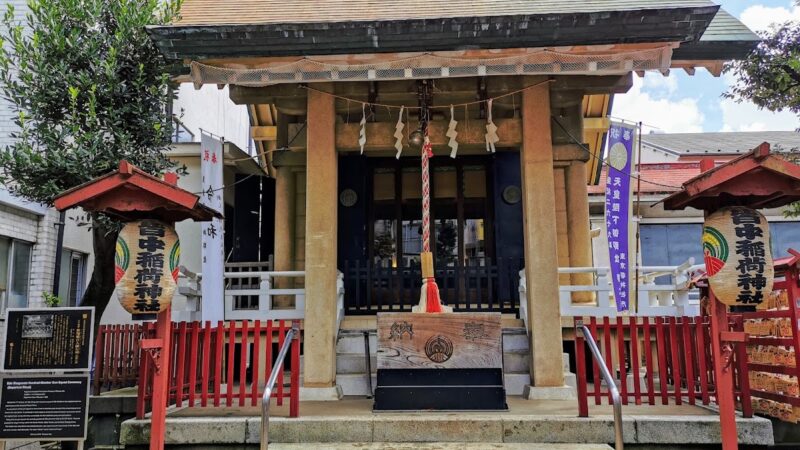
Inari Okami is also enshrined on the grounds. Inari is known as the god of abundant harvests and business prosperity, and has played an important role as the guardian deity of Higashi-Okubo Village, a former agricultural area.
Divine Virtues:
- Abundant Harvests
- Business Prosperity
- Industrial Development
- Family Safety
Highlights of the Grounds
Shrine Building
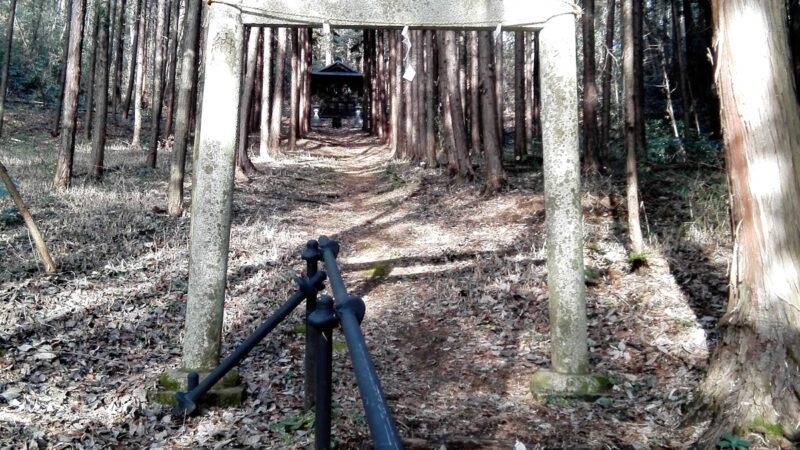
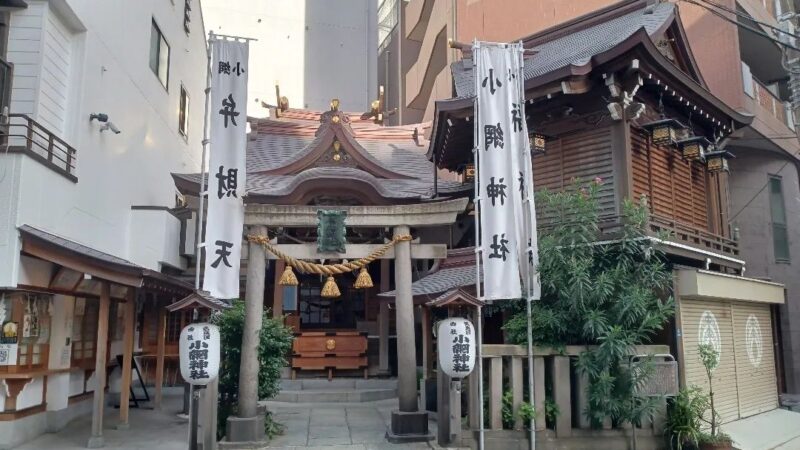
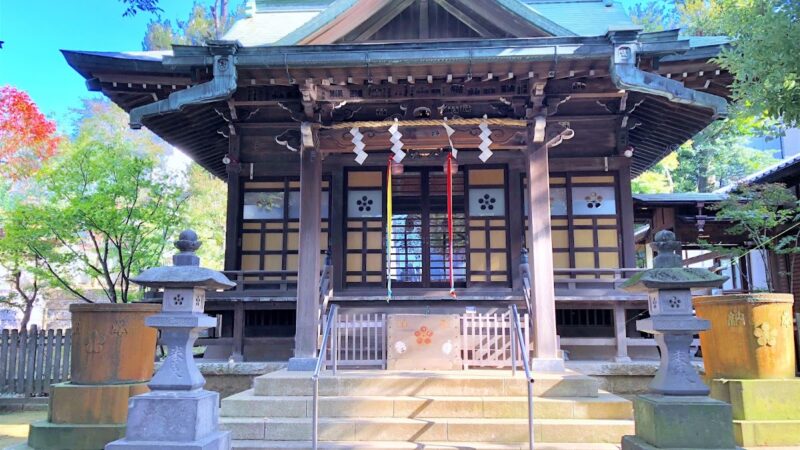
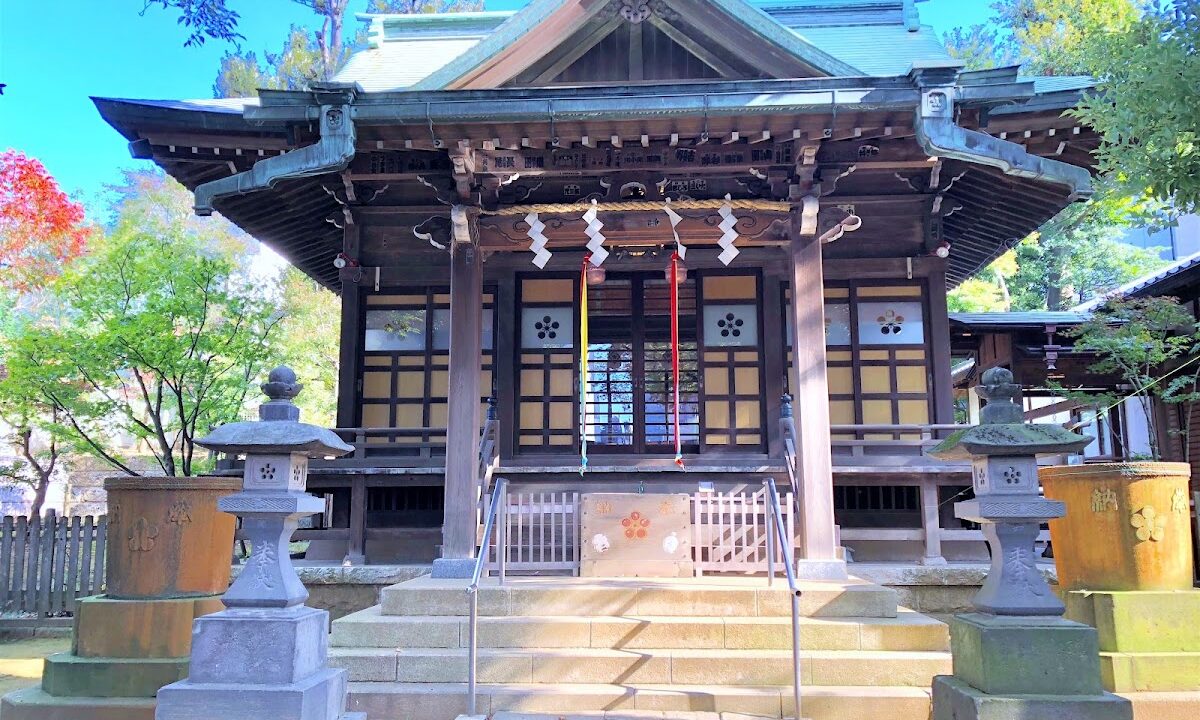
The current shrine building is a wooden structure rebuilt after the war. Its simple yet dignified design, and its distinctive westward orientation, are striking. Standing in front of the worship hall, one indeed faces west when praying, creating a unique spatial experience specific to this shrine.
Higashi-Okubo Fuji (Fujizuka)
One of the major highlights of the shrine grounds is the Fujizuka, known as “Higashi-Okubo Fuji.” Fujizuka are mounds built in various locations during the Edo period, when Fuji worship was popular, for people who could not climb the actual Mount Fuji.
Higashi-Okubo Fuji was constructed during the Edo period and is one of the few remaining Fujizuka in Shinjuku Ward. It is named “Higashi-Okubo Fuji” in contrast to the “Nishi-Kubo Fuji” at Oniō Inari Shrine.
A small shrine dedicated to Asama Shrine is located at the top of the mound, and visitors can climb it. From the top, you can overlook the shrine grounds, making it a unique spot to experience a miniature Mount Fuji climb.
Shiitake Forest
The shrine grounds are home to a forest of large trees, including shiitake trees, creating a space where you can feel the richness of nature in the heart of Shinjuku. These trees have a long history and contribute to the sacred atmosphere of the shrine.
Adjacent Park
Nishimukai Tenjin Shrine is connected to an adjacent park, offering a spacious and open environment. Visitors can relax in the park after their visit, making it a popular gathering place for local residents.
Annual Festival and Other Events
Annual Festival (Late May)
The annual festival of Nishimukai Tenjin Shrine is held every year in late May. With a portable shrine procession and numerous stalls, it’s a lively festival involving the entire community. It’s an important event that preserves the traditions of the former Higashi-Okubo Village.
Other Annual Events
- New Year’s Visit: January 1st-3rd
- Setsubun Festival: Around February 3rd
- Tenjin Festival: A festival commemorating the death anniversary of Sugawara no Michizane
Goshuin (Shrine Seal) and Goshuincho (Shrine Seal Book) Information
About Goshuin
Nishimukai Tenjin Shrine offers Goshuin (shrine seals). Many visitors come to the shrine to obtain a Goshuin (temple/shrine stamp) as a memento of their visit or as part of a shrine pilgrimage.
Grant Hours: During the hours the shrine office is open (it is recommended to check before visiting)
Offering Fee: Generally around 300 to 500 yen
The Goshuin features the name of Nishimukai Tenjin Shrine and the date written in ink, and stamped with the shrine’s seal. It is a simple yet dignified Goshuin.
Original Goshuincho (Stamp Book)
Regarding the availability of Nishimukai Tenjin Shrine’s original Goshuincho, it is recommended to check with the shrine office during your visit. It may feature designs such as plum blossoms, characteristic of Tenjin shrines.
Access Methods
Access by Train
Nearest Station:
- Approximately 6 minutes on foot from Exit A1 of Higashi-Shinjuku Station (Tokyo Metro Fukutoshin Line/Toei Oedo Line)
- Approximately 15 minutes on foot from the East Exit of Shinjuku Station (JR Yamanote Line/Chuo Line/Sobu Line)
- Approximately 10 minutes on foot from Seibu-Shinjuku Station (Seibu Shinjuku Line)
Higashi-Shinjuku Station is the closest and most convenient. Exit from Exit A1, head south along Meiji-dori, and turn west near the Shinjuku 6-chome intersection to arrive.
Access by Bus
Toei buses and Shinjuku Ward community buses are available. The nearest bus stop is “Shinjuku 6-chome”.
Access by Car
While there may be a parking lot for visitors on the temple grounds, the number of spaces is limited, so using public transportation is recommended. There are also coin-operated parking lots nearby.
Nearby Attractions and Shrines/Temples
Oniō Inari Shrine
A rare shrine in Shinjuku Ward with the name “Oni” (demon), featuring a miniature Mount Fuji called Nishikubo Fuji. Within walking distance of Nishimukai Tenjin Shrine.
Hanazono Shrine
Hanazono Shrine is known as the guardian shrine of Shinjuku. Located in Shinjuku 3-chome, it is also famous for its Tori-no-ichi market.
Shinjuku Gyoen National Garden
A vast garden where you can enjoy nature throughout the seasons. Within walking distance of Nishimukai Tenjin Shrine, recommended for a stroll after visiting the shrine.
Manners and Points for Visiting a Shrine
Proper Way to Visit a Shrine
- Bow before passing through the torii gate.
- Purify your body and mind at the water basin: Purify your left hand, right hand, and mouth in that order.
- Bow twice, clap twice, and bow once in front of the main hall: Bow deeply twice, clap twice, and finally bow once.
- Visit the subsidiary shrines as well: Pay your respects at the Inari shrine and the Asama Shrine on the Fujizuka (miniature Mount Fuji).
Regarding Photography
Photography is generally permitted on the shrine grounds, but please be considerate of other visitors and those participating in festivals. Photography inside the shrine buildings may be prohibited.
Suitable Times for Visiting a Shrine
Early mornings and weekday mornings are relatively quiet, allowing for a peaceful visit. While it can be lively during events such as the annual festival, you can enjoy the festive atmosphere.
Summary of the Charms of Nishimukai Tenjin Shrine
Nishimukai Tenjin Shrine is a precious shrine that, despite being located in the heart of the metropolis of Shinjuku, has preserved nearly 800 years of history and tradition.
Main Charms:
- Unusual West-Facing Shrine: A unique orientation facing towards Dazaifu and Kyoto.
- Edo Period Fujizuka: A climbable Fujizuka, “Higashi-Okubo Fuji.”
- God of Learning: Popular with students preparing for exams as a Tenjin shrine dedicated to Sugawara no Michizane.
- The Legend of Natsume Tenjin: An intriguing legend involving Tokugawa Iemitsu.
- Lush Green Grounds: A healing space as an oasis in the city.
- One of the Seven Tenjin Shrines of Edo: A prestigious shrine with a history dating back to the Edo period.
- Excellent Access: A convenient location just a 6-minute walk from Higashi-Shinjuku Station.
This shrine is worth visiting for various reasons: students praying for academic success, those interested in history and culture, those visiting Fujizuka, and as a stopover during Shinjuku sightseeing.
Visitor Feedback and Reviews
Visitors who have actually visited Nishimukai Tenjin Shrine have shared comments such as:
- “I didn’t know there was such a quiet and historic shrine in Shinjuku.”
- “Climbing the Fujizuka (miniature Mount Fuji) was fun. It’s small but authentically built.”
- “I visited before my exams and passed successfully.”
- “I was interested in visiting because the shrine faces west, which is unusual.”
- “The grounds are lush with greenery, allowing you to forget the hustle and bustle of the city.”
These comments demonstrate that Nishimukai Tenjin Shrine possesses diverse attractions.
Summary: Reasons to Recommend Visiting Nishimukai Tenjin Shrine
Nishimukai Tenjin Shrine has a long history, founded in 1228 (Antei 2), and has walked hand in hand with the community as the guardian shrine of Higashi-Okubo Village. It boasts many elements that attract visitors, including its nationally rare feature of having a shrine facing west, a Fujizuka built during the Edo period, and anecdotes involving Tokugawa Iemitsu.
As a shrine dedicated to Sugawara no Michizane, it attracts many visitors seeking academic success, but it’s also popular for historical walks, tours of miniature Mount Fuji mounds, and as a tranquil spot in the heart of the city. Despite its convenient location just a 6-minute walk from Higashi-Shinjuku Station, the quiet and peaceful grounds make it a hidden gem for Shinjuku sightseeing.
When you visit Shinjuku, be sure to stop by Nishimukai Tenjin Shrine. A special space where history, faith, and nature harmonize awaits you.