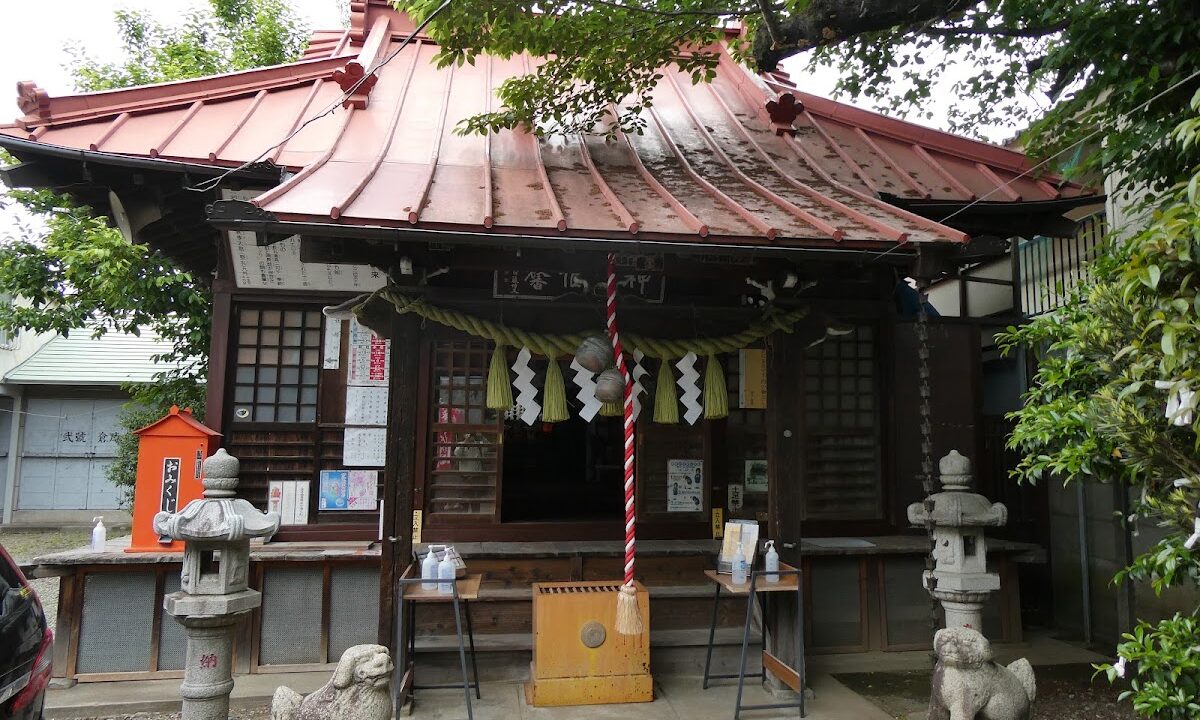
Complete Guide to Somei Inari Shrine (Tokyo) | Thorough Explanation of Goshuin (Shrine Seals), History, and the Birthplace of Somei Yoshino Cherry Blossoms
Located in Komagome, Toshima Ward, Tokyo, Somei Inari Shrine is a historic shrine that has protected the Somei area, known as the birthplace of the Somei Yoshino cherry blossom, the quintessential Japanese cherry blossom. Since the Edo period, it has been the guardian shrine of Somei Village, where gardeners and landscape architects gathered, and has been cherished by the local people.
This article comprehensively introduces information useful for visiting Somei Inari Shrine, including information on its goshuin (shrine seals), detailed history, access methods, and highlights within the shrine grounds.
Basic Information on Somei Inari Shrine
Somei Inari Shrine is located in the Komagome area of Toshima Ward, Tokyo, and is conveniently located within walking distance of Komagome Station on the JR Yamanote Line and Tokyo Metro Namboku Line.
Basic Information
- Location: 6-11-5 Komagome, Toshima-ku, Tokyo
- Nearest Station: Komagome Station (JR Yamanote Line/Tokyo Metro Namboku Line), Sugamo Station (Toei Mita Line)
- Deities Enshrined: Ukemochi-no-kami, Oyamatsumi-no-mikoto
- Annual Festival: Saturday and Sunday closest to September 15th
- Shrine Rank: Former Village Shrine
- Founding: Said to be before Enpo 2 (1674)
The shrine grounds are small, but together with the adjacent Saifuku-ji Temple, it is a valuable place that conveys the history of the former Somei Village.
History of Somei Inari Shrine
Founding and History
The exact date of the founding of Somei Inari Shrine is unclear, but according to shrine tradition, it is said to have been founded before the second year of Enpō (1674) during the reign of Emperor Reigen. It has been enshrined in this location since ancient times, and has been revered by the local people as the guardian shrine of Somei village.
It is mentioned in Edo period documents such as the “Edo Meisho Zue” (Illustrated Guide to Famous Places of Edo), confirming that it functioned as a central shrine in Somei village even then.
History of Somei Village and Gardeners
During the Edo period, Somei village was known as a place where many gardeners and landscape gardeners were active. This region developed as a center of horticulture, becoming a major production area supplying trees and horticultural products nationwide.
Regarding the origin of the place name Somei, the most likely theory is that it derives from the spring called “Somei,” which served as the purification fountain for Somei Inari Shrine. It is believed that this spring from which pure water gushes forth is the origin of the area’s name.
The Great Kanto Earthquake and Reconstruction
The Somei Inari Shrine suffered significant damage in the Great Kanto Earthquake of 1923. However, thanks to the efforts of the local people, it was rebuilt and has reached its current state. The history of reconstruction after the Great Kanto Earthquake speaks to the important role this shrine has played as the center of the local community.
Faith as a God of Fire Prevention
The Somei Inari Shrine has long been worshipped as a god of fire prevention. In the Edo period, when wooden buildings were densely packed together, fire was one of the most feared disasters. The local people prayed to the Somei Inari Shrine for protection from fire and held it in high esteem.
Somei as the Birthplace of Somei Yoshino Cherry Blossoms
The Somei area, where the Somei Inari Shrine is located, is widely known as the birthplace of the Somei Yoshino cherry blossom, the most popular variety of cherry blossom in Japan. ### The Background of the Birth of Somei Yoshino Cherry
In the late Edo period, nurserymen in Somei Village created a new cherry blossom variety by crossbreeding Edo Higan cherry and Oshima cherry. This cherry blossom was characterized by its rapid growth and beautifully uniform blooming, and it quickly became popular.
Initially sold as “Yoshino Cherry,” it was renamed “Somei Yoshino” during the Meiji era to distinguish it from the cherry blossoms of Mount Yoshino in Nara Prefecture, incorporating the name of its place of origin.
The Current Somei Area
Currently, around Somei Inari Shrine, there are monuments and information boards marking the birthplace of the Somei Yoshino cherry blossom. In spring, the Somei Yoshino cherry blossoms bloom beautifully in this area, attracting many visitors to this famous cherry blossom viewing spot.
When visiting Somei Inari Shrine, we recommend taking a stroll around the surrounding area while reflecting on this historical background.
Highlights of the Shrine Grounds
Main Hall
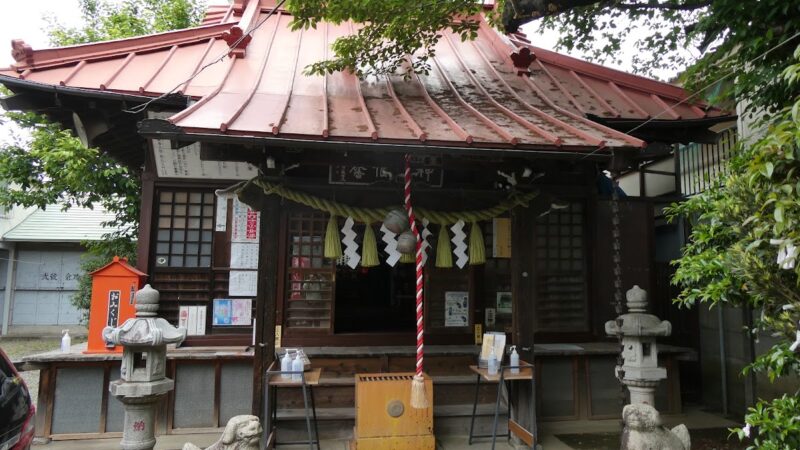
The main hall of Somei Inari Shrine, though compact, is meticulously maintained, reflecting the deep faith of the local people. The vermilion-lacquered shrine building presents a characteristic Inari shrine appearance.
Adjacent Seifuku-ji Temple
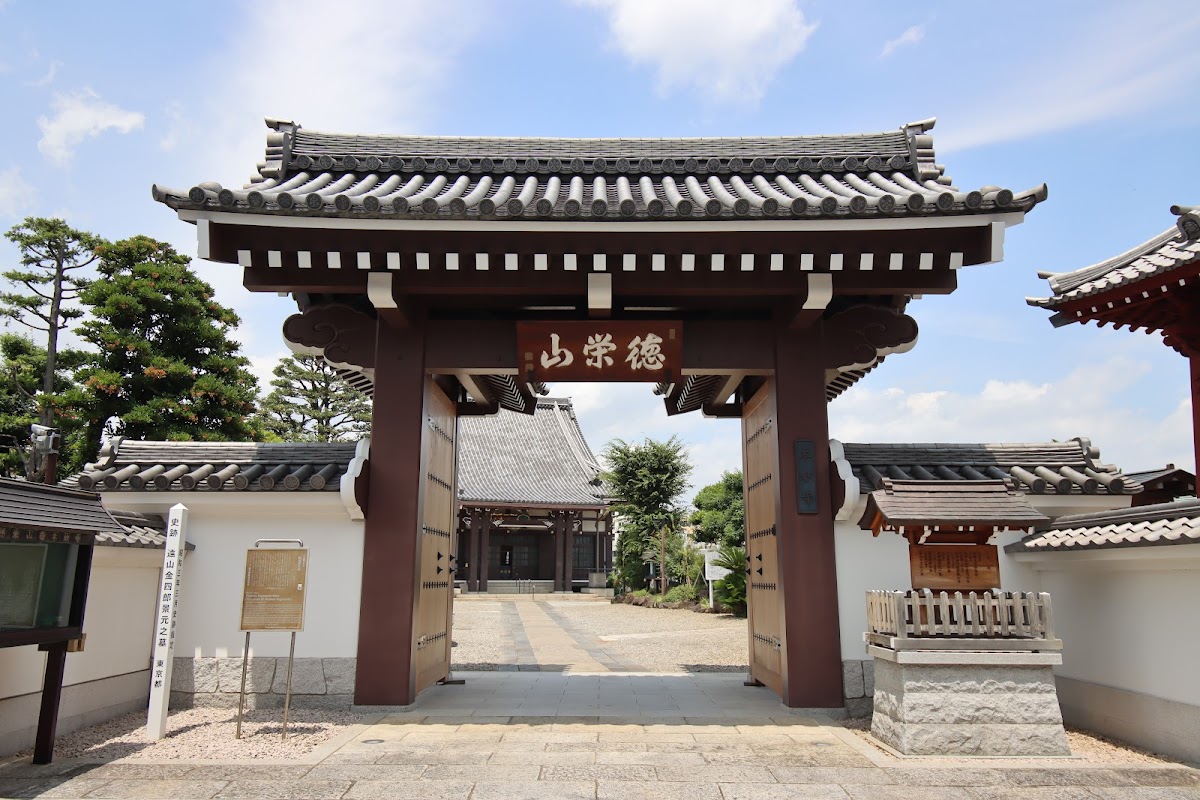
Immediately next to Somei Inari Shrine is Seifuku-ji Temple. The arrangement reflects the remnants of the syncretism of Shinto and Buddhism, and many people visit both together. Seifuku-ji Temple also houses the Somei Cemetery, making it an important place that tells the history of this region.
Atmosphere of the Shrine Grounds
Despite being in the heart of the city, the shrine grounds have a quiet and peaceful atmosphere, making it an ideal space to escape the hustle and bustle of everyday life and find peace of mind. Although not large in scale, the carefully maintained grounds show how much the local people cherish it.
About Goshuin (Shrine Seals) and Goshuincho (Shrine Seal Books)
Issuance of Goshuin
Somei Inari Shrine offers Goshuin (shrine seals). A Goshuin (temple/shrine stamp) serves as proof of your visit and is an important symbol of your connection with the shrine.
Those wishing to receive a Goshuin should speak to the shrine office staff after their visit. However, due to the size of the shrine and the presence or absence of the chief priest, the hours during which Goshuin can be issued may be limited. Therefore, if you wish to be sure to receive a Goshuin, it is recommended to check the available hours in advance.
Goshuin Design
The Goshuin of Somei Inari Shrine features the shrine’s name written in ink and stamped with a red seal. Its simple yet dignified design makes it a valuable addition to any Goshuin collection.
Goshuin Notebook
It is recommended to inquire about the availability of Somei Inari Shrine’s original Goshuin notebook during your visit. In recent years, many shrines have begun distributing original Goshuin notebooks, and designs that express the unique characteristics of each shrine are gaining popularity.
Access Methods
Access by Train
Somei Inari Shrine is easily accessible by public transportation.
From Komagome Station
- Approximately 10 minutes on foot from the North Exit of Komagome Station on the JR Yamanote Line
- Approximately 10 minutes on foot from Exit 5 of Komagome Station on the Tokyo Metro Namboku Line
From Komagome Station, walk north, away from Rikugien Garden. The shrine is located beyond a residential area.
From Sugamo Station
- Approximately 12 minutes on foot from Exit A3 of Sugamo Station on the Toei Mita Line
From Sugamo Station, head north along Hakusan-dori Street, then turn east and enter a residential area.
Landmarks for the Walking Route
When coming from Komagome Station, head north along Hongo-dori Street and follow the signs for “Somei Ginza Shopping Street.” Once you enter the residential area, follow the signs.
Parking Information
Somei Inari Shrine does not have its own parking lot. If you are visiting by car, you will need to use a nearby coin-operated parking lot. However, since it is located in a residential area, parking is limited, and we recommend using public transportation.
There are several coin-operated parking lots around Komagome Station and Sugamo Station, so parking there and walking is the most reliable option.
Annual Festivals and Rituals
Grand Festival
The Grand Festival of Somei Inari Shrine is held annually on the Saturday and Sunday closest to September 15th. The Grand Festival is the most important festival for the shrine, where local people gather to express gratitude to the gods and pray for the prosperity of the community.
During the Grand Festival, there are sometimes portable shrine processions and performances, allowing visitors to enjoy a lively atmosphere different from the usual.
Annual Events
In addition to the Grand Festival, Somei Inari Shrine holds various rituals throughout the year. Traditional Japanese annual events such as Hatsumode (first shrine visit of the year), Setsubun Festival, and Natsukoshi no Oharae (summer purification ritual) are observed and preserved together with the local community.
Nearby Tourist Attractions
When visiting Somei Inari Shrine, we recommend also visiting the nearby tourist attractions.
Rikugien Garden
Located about a 7-minute walk from Komagome Station, Rikugien Garden is one of the representative daimyo gardens of the Edo period. It attracts many tourists, especially during the cherry blossom season in spring and the autumn foliage season. Visiting it together with Somei Inari Shrine allows you to fully enjoy the culture and nature of the Edo period.
Former Furukawa Garden
If you venture towards Nishigahara, you will find the Former Furukawa Garden. This beautiful garden harmoniously blends Western-style buildings with Japanese gardens, offering particularly stunning scenery during rose season.
Sugamo Jizo-dori Shopping Street
Towards Sugamo Station is the Sugamo Jizo-dori Shopping Street, known as “Grandma’s Harajuku.” This lively shopping street offers opportunities for dining and shopping.
Somei Cemetery
Adjacent to Saifuku-ji Temple, Somei Cemetery contains the graves of many famous people and is a popular destination for historical walks. ## Manners and Points for Visiting a Shrine
Etiquette for Visiting a Shrine
Please observe the basic etiquette when visiting a shrine.
- Bow before passing through the torii gate: This is a courtesy before entering the sacred area.
- Purify yourself at the water basin: Purify your left hand, right hand, and mouth in that order.
- Pray: Two bows, two claps, and one bow is the basic procedure.
- Bow upon leaving: Turn around and bow before leaving the torii gate.
Photography
Photography is generally permitted on the shrine grounds, but please be considerate of the privacy of those inside the main hall and other visitors. Also, permission may be required in advance for the use of tripods or commercial photography.
Suitable Time for Visiting
Somei Inari Shrine is open for worship 24 hours a day, but if you wish to receive a goshuin (shrine stamp) or other items, it is recommended to visit during the daytime. The morning is especially quiet and peaceful for worship.
The Charm of Somei Inari Shrine
Historical Value
Somei Inari Shrine, as the guardian shrine of Somei Village, the birthplace of the Somei Yoshino cherry tree, holds an important position in the history of Japanese horticulture and culture. It is a valuable place that preserves the culture of gardeners and landscape architects that has continued since the Edo period.
Connection to the Community
Although not large in scale, the shrine’s importance to the local community is palpable in every corner of its grounds. Its continued role as a central hub for the local community, despite being located in the heart of the city, is a major attraction.
A Tranquil Space
Although a small shrine nestled in a residential area, stepping onto the grounds reveals a tranquil space far removed from the hustle and bustle of the city. It is a place to escape the daily grind and find peace of mind, loved not only by locals but also by visitors from afar.
Visitor Voices
Many visitors to Somei Inari Shrine are drawn to its historical value and peaceful atmosphere. Many visitors are drawn to the shrine’s historical background, particularly its status as the birthplace of the Somei Yoshino cherry tree. During cherry blossom season, the number of people visiting the shrine in conjunction with walks around the surrounding area increases.
Many visitors comment on its meticulous maintenance despite its small size, the historical significance of visiting the adjacent Seifuku-ji Temple, and its community-oriented atmosphere.
On the other hand, some visitors mention its distance from the station and its difficulty in finding for first-time visitors. It’s recommended to check a map beforehand.
Cultural Background of the Somei Area
Somei as a Village of Trees and Plants
During the Edo period, Somei Village was a major center supplying trees and horticultural products to Edo (present-day Tokyo). Skilled tree growers and landscape gardeners gathered here, working to improve plant varieties and cultivation techniques.
The birth of the Somei Yoshino cherry tree can be considered the culmination of Somei’s horticultural culture. Even today, this area is dotted with historical sites and monuments related to horticulture, allowing visitors to reflect on the culture of the past.
Somei as an Edo Landmark
Edo period documents such as the “Edo Meisho Zue” (Illustrated Guide to Famous Places of Edo) depict the nurseries and Somei Inari Shrine in Somei, indicating that it was known as one of Edo’s famous places even then. Records show that many literary figures and artists visited this area and enjoyed the beautiful plants and gardens.
Precautions When Visiting
Shrine Office Opening Hours
If you wish to receive a Goshuin (shrine stamp) or other items, you must visit during the shrine office’s opening hours. Because it is a small shrine, there may be times when staff are not permanently present. If you want to be sure to receive a Goshuin, it is recommended to contact the shrine in advance to confirm.
Consideration in a Residential Area
Since Somei Inari Shrine is located in a residential area, consideration for the surrounding residents is necessary when visiting. Please avoid loud conversations and noise, and be careful not to cause inconvenience to neighbors by parking on the street.
Seasonal Highlights
The area is especially beautiful during the spring cherry blossom season. By strolling through the entire Somei area, not just the shrine grounds, you can fully experience the atmosphere of the birthplace of the Somei Yoshino cherry tree.
Summary
Somei Inari Shrine is a historic shrine located in Komagome, Toshima-ku, Tokyo. As the guardian shrine of Somei, the birthplace of the Somei Yoshino cherry tree, it has long been cherished by the local community.
It is a valuable place that conveys the culture of Somei, a village of tree nurseries that has continued since the Edo period, and holds an important position in the history of Japanese horticulture. Although not large in scale, the carefully maintained grounds provide an ideal space to escape the hustle and bustle of the city and find peace of mind.
Its convenient access, within walking distance of Komagome Station and Sugamo Station, is another attractive feature. Visiting it in conjunction with nearby tourist spots such as Rikugien Garden and Kyu-Furukawa Garden will allow you to enjoy a fulfilling stroll through Tokyo.
This shrine is worth visiting for a variety of reasons, whether you’re collecting Goshuin (shrine stamps), enjoying historical walks, or simply seeking tranquility in a peaceful setting. We highly recommend visiting Somei Inari Shrine to experience the history and atmosphere of the birthplace of the Somei Yoshino cherry tree.
During the spring cherry blossom season, strolling through the surrounding area and reflecting on the fact that the beloved Somei Yoshino cherry tree originated in this very place will surely be a special experience. Though small, Somei Inari Shrine is a shrine deeply etched into Japanese cultural history and well worth a visit.