Musashino Inari Shrine (Nerima Ward, Tokyo) Complete Guide | History, Benefits, Goshuin (Shrine Seal), and Access Information
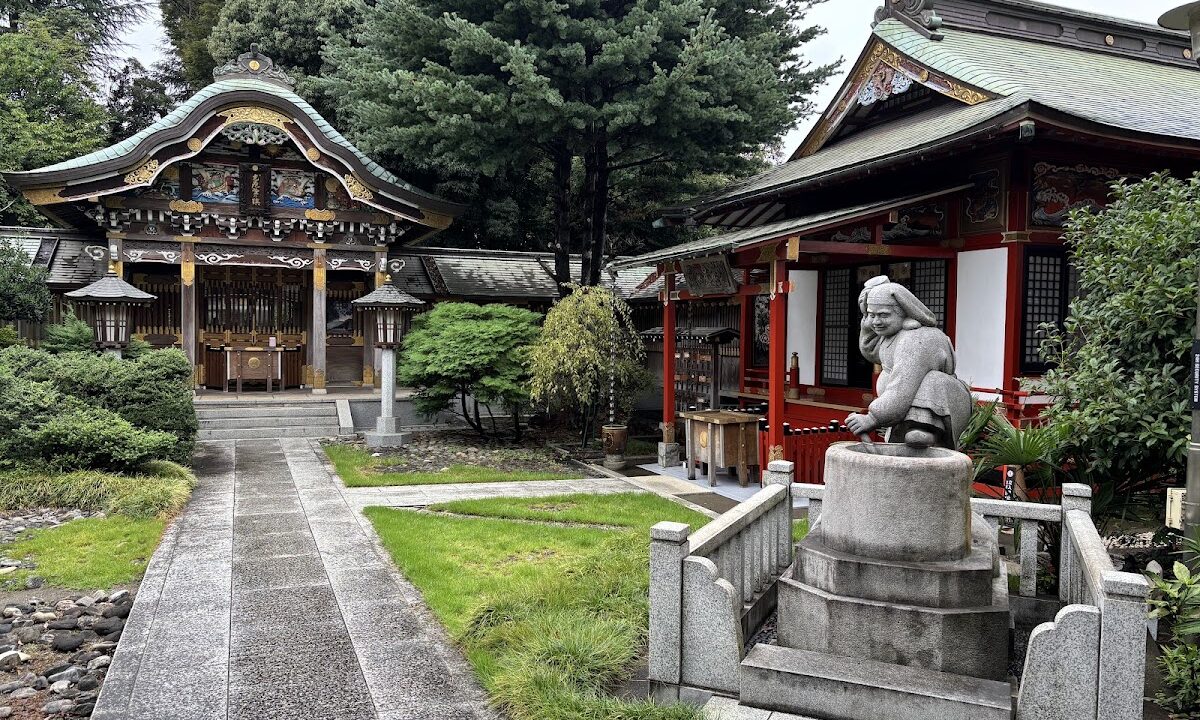
Musashino Inari Shrine, located in Sakae-cho, Nerima Ward, Tokyo, is a historic shrine long cherished by locals as “Egota’s Inari-san.” Despite its convenient location just a 2-3 minute walk from Egota Station on the Seibu Ikebukuro Line, it is known for its unique atmosphere, nestled on a small hill in a quiet residential area.
This article comprehensively covers everything you need to know before visiting Musashino Inari Shrine, including its detailed history, enshrined deities and benefits, features of the grounds, goshuin information, and access methods.
Basic Information about Musashino Inari Shrine
Location: 10-1 Sakae-cho, Nerima-ku, Tokyo
Deity Enshrined: Ukanomitama-no-kami
Annual Festival Date: First Horse Day of February
Nearest Station: 2-minute walk from Egota Station on the Seibu Ikebukuro Line
Other Access: 8-minute walk from Shin-Sakuradai Station on the Tokyo Metro Yurakucho Line, 10-minute walk from Shin-Egota Station on the Toei Oedo Line
Musashino Inari Shrine was officially recognized as a religious corporation affiliated with the Association of Shinto Shrines in 1968 (Showa 43), but its history is far older. While the exact founding date is unknown, it has a long history as a place of worship deeply rooted in the community.
History and Origins of Musashino Inari Shrine
The Mystery of its Founding and the Legend of Toshima-zuka
The exact founding date of Musashino Inari Shrine is unknown, but the small hill on which the shrine stands has an important historical background. This area is called “Toshima-zuka” and is said to be the burial mound of the Toshima clan’s retainers who died in the “Battle of Egota-Numabukuro-hara” in Bunmei 9 (1477) during the Muromachi period.
This battle was a fierce contest between the Ogigayatsu Uesugi army led by Ota Dokan and the Toshima army led by the Toshima brothers, Yasutsune and Yasuaki. The Toshima army was defeated, and many soldiers lost their lives at this site. Although Ota Dokan destroyed the Toshima clan in this battle, it is said that he respectfully buried the enemy’s fallen soldiers, and a legend remains that the Inari Shrine was later built on top of that mound.
Development as Ekoda’s Inari Shrine
From the Meiji era to the early Showa era, Musashino Inari Shrine was deeply revered by local residents as “Nerima’s Inari Shrine” and “Ekoda’s Inari Shrine.” Particularly noteworthy was the monthly festival known as “San no Inari,” held on the 3rd of each month, which was said to have attracted many worshippers.
During this period, the shrine also functioned as a place of folk faith, offering prayers and blessings for healing illnesses. As a deity of business prosperity, good health, and a god who “turns misfortune into fortune,” it became an object of worship deeply intertwined with the lives of the local people.
Modern Musashino Inari Shrine
In 1968 (Showa 43), Musashino Inari Shrine was officially recognized as a religious corporation affiliated with the Association of Shinto Shrines, becoming a shrine belonging to the Tokyo Metropolitan Shrine Association. Currently, it serves as an official shrine within Nerima Ward, playing a role as the local guardian deity.
Located near the Musashi University campus, this shrine is a beloved part of daily life, with students and local residents regularly visiting for prayer.
Deity and Blessings
Deity: Ukanomitama-no-kami
The deity enshrined at Musashino Inari Shrine is Ukanomitama-no-kami. This deity is the principal deity of Inari shrines throughout Japan, worshipped as the god of grain and food. According to the Kojiki (Records of Ancient Matters), this deity was born to Susanoo-no-Mikoto and Kamu-Oichihime.
“Uka” is an archaic word meaning grain and food, and this deity has long been revered as a god of abundant harvests and business prosperity. The fox, a symbol of Inari shrines, is considered the divine messenger of Ukanomitama-no-kami.
Benefits of Musashino Inari Shrine
Musashino Inari Shrine is believed to offer the following benefits:
Business Prosperity: As a fundamental benefit of Inari shrines, many visitors come to pray for business success and prosperity.
Good Health: Due to its association with healing illnesses from the Meiji to early Showa periods, it is also known for its blessings related to health.
Turning Misfortune into Fortune: A unique aspect of this shrine is its belief in the deity of “turning misfortune into fortune.” It is believed to have the power to improve difficult situations and transform disaster into happiness.
Abundant Harvest: As a benefit of Ukanomitama-no-kami, there is also a belief in the prosperity of agriculture and food-related businesses.
Family Safety: As a shrine that serves as a local guardian deity, many visitors pray for the safety and peace of their families.
Highlights and Features of the Shrine Grounds
A Sacred Precinct on a Small Hill
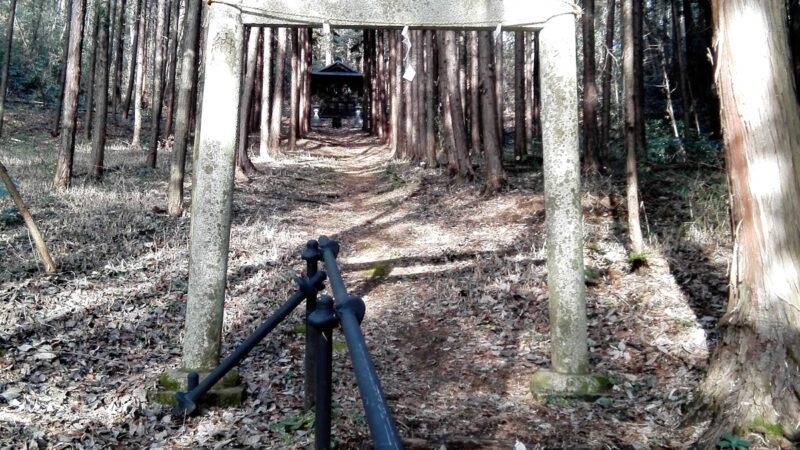
The most distinctive feature of Musashino Inari Shrine is its location on a small hill, despite being in a residential area. Upon entering the grounds after ascending the approach, a tranquil atmosphere, distinct from its surroundings, permeates the air. This hill is believed to be the aforementioned Toshima-zuka, giving the place a sense of historical significance.
The Zuishinmon Gate and Photography Prohibition
The shrine grounds are equipped with a Zuishinmon gate, and photography is prohibited beyond this gate. As per the shrine’s official policy, photography is forbidden inside the Zuishinmon gate, so visitors must abide by this rule.
This photography prohibition is thought to be intended to maintain the tranquility of the sacred area and preserve an environment where visitors can pray in peace. Furthermore, the grounds are monitored 24 hours a day by surveillance cameras, ensuring thorough security and management.
Distinctive Worship Hall
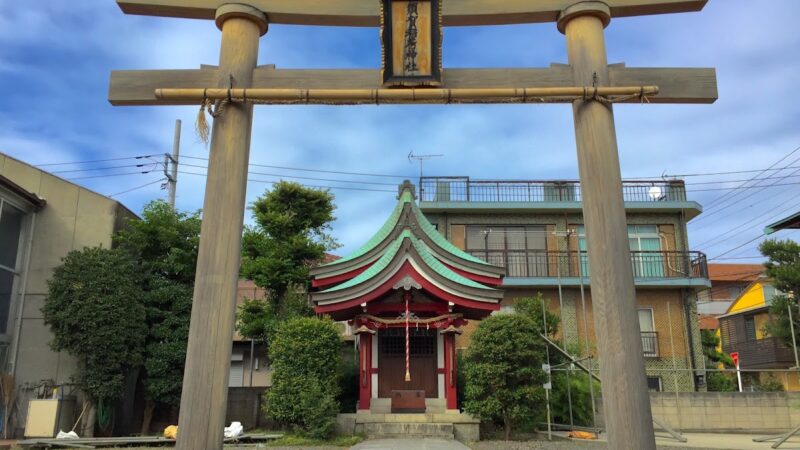
The shrine buildings of Musashino Inari Shrine are made of wood, and the worship hall in particular is known for its unique shape. While maintaining the style of traditional shrine architecture, the shrine buildings exude a unique atmosphere, which is one of the charms of this shrine.
The shrine grounds include the main hall, worship hall, and other buildings such as the shrine office, making it a compact yet fully functional shrine.
A Cherry Blossom Spot
Musashino Inari Shrine is a well-known cherry blossom spot among locals. In spring, the cherry blossoms on the shrine grounds bloom beautifully, making it a popular spot for cherry blossom viewing despite its small size. It is cherished by locals as a quiet cherry blossom viewing spot in a residential area.
Goshuin (Shrine Seal) and Goshuincho (Shrine Seal Book) Information
About Goshuin (Shrine Seals)
Goshuin can be obtained at Musashino Inari Shrine. Goshuin are given out at the shrine office, and many visitors receive them as a memento of their visit.
The goshuin features the shrine name “Musashino Inari Shrine” written in ink and stamped with the shrine’s seal. The simple yet dignified design of the Goshuin (temple/shrine stamp) is popular among Goshuin collectors.
Points to Note When Receiving a Goshuin
When receiving a Goshuin, please note the following:
- The correct order is to complete your prayers first, then receive the Goshuin.
- You must visit during the shrine office’s reception hours (it is recommended to check in advance).
- Bringing your Goshuincho (stamp book) will make the process smoother.
- Prepare the offering fee (typically around 300-500 yen).
- Use polite language and maintain a respectful demeanor.
About Goshuincho
It is recommended to check before visiting whether Musashino Inari Shrine offers its own original Goshuincho. Many shrines offer their own uniquely designed Goshuincho, but smaller shrines may not.
Etiquette and Manners for Visiting a Shrine
Basic Etiquette for Visiting a Shrine
When visiting Musashino Inari Shrine, follow the general etiquette for visiting a shrine:
- Bow before passing through the torii gate: Bow lightly before entering the sacred area.
- Walk along the edge of the path: The center of the path is considered the path of the gods.
- Purify yourself at the water basin: If there is a water basin, purify your hands and mouth.
- Worship in front of the main hall: Worship using the two bows, two claps, and one bow method.
- Observe the rules of the shrine grounds: Observe the rules, such as the no-photography rule.
Points to Note Specific to Musashino Inari Shrine
As mentioned above, photography is prohibited inside the Zuishinmon gate. If you wish to take pictures, you must do so from outside the gate. This rule is strictly enforced, and surveillance cameras are installed on the grounds, so please be sure to comply.
Also, since this shrine is located in a residential area, please refrain from speaking loudly or engaging in any other behavior that may disturb the neighbors, and strive to worship quietly.
Access and Surrounding Information
Access by Train
Access to Musashino Inari Shrine is very convenient:
From Seibu Ikebukuro Line “Ekoda Station”
This is the closest station, approximately 2-3 minutes on foot. Exit the station and head west; you will arrive at the shrine immediately.
From Tokyo Metro Yurakucho Line “Shin-Sakuradai Station”
Approximately 8 minutes on foot. Convenient for access from the Ikebukuro area.
From Toei Oedo Line “Shin-Ekoda Station”
Approximately 10 minutes on foot. An option for access from the Shinjuku area.
Access by Car and Parking
Musashino Inari Shrine may not have its own parking lot, so if you visit by car, you will need to use a nearby coin-operated parking lot. However, since it is very close to the station, we recommend using public transportation.
Nearby Attractions
Musashi University
A private university located very close to the shrine, characterized by its lush green campus.
Egota no Mori Park
A Nerima Ward-run park, a green space suitable for strolling.
Other Shrines in Nerima Ward
Nerima Ward has many other shrines, such as Hikawa Shrine and Kitano Shrine, making it a great place for shrine hopping.
Annual Events and Festivals
February’s Hatsuuma Festival
The annual festival of Musashino Inari Shrine is held on the first Hatsuuma day of February. Hatsuuma refers to the first Day of the Horse in February and is considered the most important festival day for Inari shrines.
Hatsuuma is said to be the day when Inari-sama descended upon Mount Inari, and festivals are held at Inari shrines throughout Japan. At Musashino Inari Shrine, a special ritual is performed on this day, attracting many worshippers.
The Former “San-no-Inari” Festival
From the Meiji era to the early Showa era, Musashino Inari Shrine held a monthly festival called “San-no-Inari” on the 3rd of each month. This festival was a popular local event, with many stalls and a lively atmosphere.
Although this festival is no longer held, the lively atmosphere remains in the memories of the local people and is an important episode in the history of Musashino Inari Shrine.
The Modern Role of Musashino Inari Shrine
Center of the Local Community
Musashino Inari Shrine continues to function as an important hub for the local community. During New Year’s visits and annual festivals, local residents gather, fostering interaction centered around the shrine.
In urbanized Tokyo, the existence of such a community-rooted shrine plays a crucial role in maintaining community bonds.
Involvement with Students
Due to its proximity to Musashi University, students regularly pass by the shrine and have opportunities to pay their respects. Many students visit the shrine to pray for success before exams or to mark the start of a new life, making it a popular shrine among younger generations.
An Oasis in the City
Located in a residential area, yet situated on a small hill, Musashino Inari Shrine offers a tranquil space away from the hustle and bustle of the city. It is used by many as a place to calm the mind and escape the busyness of daily life.
Mindset When Visiting
Gratitude to the Gods
When visiting Musashino Inari Shrine, it is important not only to make requests but also to express gratitude for daily life. Inari is the god who presides over food and the foundation of life, so offer gratitude for the safe and peaceful daily life you can lead.
Respect for History
This shrine, with its legend of Toshimazuka, is deeply connected to the history of the Sengoku period (Warring States period). It is desirable to visit with respect, recognizing its historical significance rather than simply as a tourist spot.
Consideration for the Community
As this shrine is located in a residential area, please remember to be considerate of the nearby residents when visiting. Please observe basic manners such as praying quietly and taking your trash with you.
Summary of the Charms of Musashino Inari Shrine
Musashino Inari Shrine is a special shrine located in the urban area of Nerima Ward, Tokyo, yet it boasts a rich history and deeply rooted community faith.
Historical Value: A place that carries the legend of Toshimazuka and preserves the memory of battles from the Muromachi period.
Tradition of Faith: Known affectionately as “Egota’s Inari-san” since the Meiji era, it is renowned for its blessings of business prosperity, good health, and turning misfortune into fortune.
Unique Atmosphere: Its location on a small hill and the strict rule against photography create a sacred atmosphere.
Easy Access: Conveniently located just a 2-3 minute walk from Egota Station, making it easily accessible for worship.
Community Connection: It continues to play an important role as a center of the local community.
These elements combine to make Musashino Inari Shrine, though small, a shrine well worth visiting.
In Conclusion
Musashino Inari Shrine, though not flashy, has been a sincere place of faith rooted in the community and cherished by many people for many years. This shrine can be visited for a variety of purposes, from those praying for business prosperity and good health, to those seeking blessings that turn misfortune into fortune, or simply those who want to find peace of mind in a quiet place.
Its convenient location, just a few minutes’ walk from Ekoda Station, makes it a great place to visit when you’re in Nerima Ward or have business in the area. Though small, this shrine, rich in history and tradition, is sure to offer you something meaningful.
When visiting, please observe the rules of the shrine grounds (especially the no-photography rule) and pay your respects to the deities. We hope that Musashino Inari Shrine will become a place of solace for all.