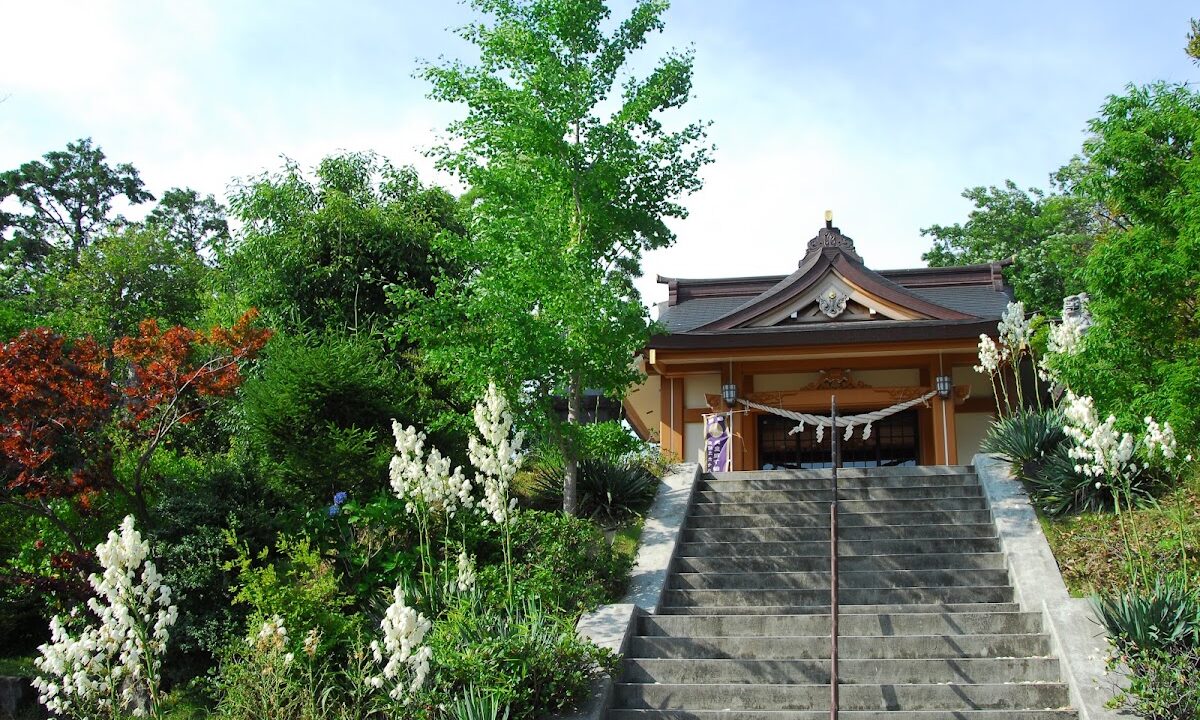
Nogaya Shrine (Machida City, Tokyo) Complete Guide | History, Goshuin (Shrine Seal), and Access Information
Nogaya Shrine, located in a quiet residential area of Machida City, Tokyo, is a historic shrine formerly known as “Toshogu.” This article comprehensively introduces information you should know before visiting Nogaya Shrine, including its history, enshrined deities, goshuin (shrine seal), access methods, and highlights.
Basic Information on Nogaya Shrine
Location: 6-20-1 Nogaya, Machida City, Tokyo 195-0053
Phone Number: 042-735-5177
Nearest Station: Approximately 8-14 minutes on foot from Tsurukawa Station on the Odakyu Odawara Line
Annual Festival: September 17th
Shrine Rank: Former Village Shrine
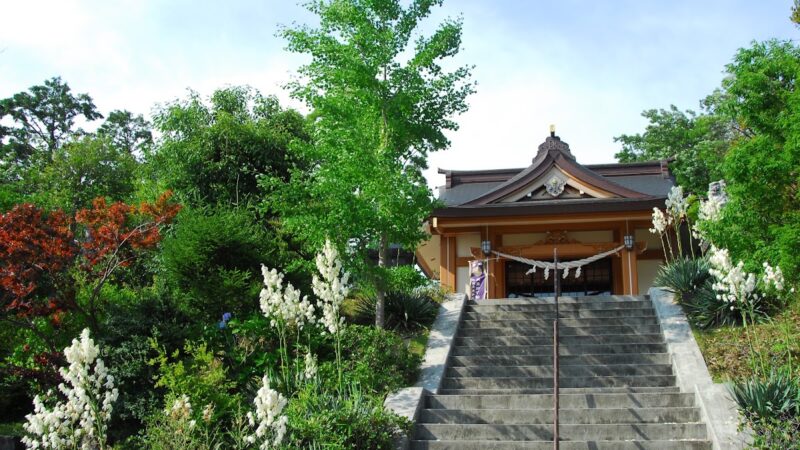
Nogaya Shrine is located on the hillside of a hilly area across the Shinkoji River from Tsurukawa Station. The stone steps leading to the shrine grounds number nearly 100, and the shrine, nestled quietly in a rich natural environment, is cherished by the local people.
History and Origins of Nogaya Shrine
Founding as a Toshogu Shrine
Nogaya Shrine was originally called “Toshogu Shrine” and was founded during the Shoho era (1644-1647). A Toshogu Shrine is a shrine dedicated to Tokugawa Ieyasu, and its origins lie in the early Edo period when a shrine dedicated to Ieyasu was built on this site.
Its founding shortly after the establishment of the Edo Shogunate reveals the relationship between the Nogaya area and the Tokugawa family at that time. It reflects the historical background of the local people’s reverence for Tokugawa Ieyasu and their desire to benefit from his divine virtues.
Reconstruction and Ranking as a Village Shrine
The shrine building was reconstructed in April of the first year of the An’ei era (1772). This reconstruction further strengthened the foundation of the shrine. Subsequently, in June 1877 (Meiji 10), it was designated a village shrine, establishing its position as a central shrine in the region.
Being designated a village shrine under the Meiji-era shrine system demonstrates the importance of Nogaya Shrine in the local community.
Merger and Renaming of Four Shrines
In April 1914 (Taisho 3), Nogaya Shrine underwent a major transformation. At this time, the following four shrines were merged into Toshogu Shrine:
- Yato Sumiyoshi Shrine (Founded in 1190 (Bunji 6))
- Shimonogaya Amaterasu Omikami Shrine (Founded in 1395 (Oei 2))
- Kaminogaya Omotani Shrine (Founded in 1477 (Bunmei 9))
- Shinmei Shrine (Founding date unknown)
All of these shrines were historically significant and had long existed in the Nogaya area. In particular, Sumiyoshi Shrine is believed to have been founded in the early Kamakura period, Amaterasu Omikami in the early Muromachi period, and Omotani Shrine in the mid-Muromachi period, illustrating the deep history of faith in the Nogaya area.
With this merger, the shrine’s name was changed from “Toshogu” to “Nogaya Shrine.” This has made its character as the tutelary shrine of the entire region clearer.
About the Deities Enshrined
Nogaya Shrine enshrines multiple deities, reflecting its history of mergers.
Main Deities
Ohirume-no-Mikoto
A sun goddess, also known as Amaterasu Omikami. She is the supreme deity in Japanese mythology and revered as the ancestral deity of the Imperial family. She was enshrined here from Amaterasu Omikami Shrine in Shimonogaya.
Amaterasu Omikami
The supreme deity of Japan, a goddess who personifies the sun. She presides over agricultural fertility and national peace. Oyamakui-no-Mikoto
This deity is worshipped as the god of mountains and agriculture. He is also known as the principal deity of Hiyoshi Taisha Shrine in Kyoto.
Uwatsutsuno-no-Mikoto
One of the three Sumiyoshi deities, he is worshipped as the god of safe voyages and waka poetry. He is a deity enshrined here, having been brought from the Sumiyoshi Shrine in Yato.
These deities each possess different divine virtues and are said to grant the various wishes of worshippers.
Highlights of Nogaya Shrine
Nearly 100 Stone Steps
One of the most distinctive features of Nogaya Shrine is the long stone staircase leading to the shrine grounds. Because the shrine is situated on the side of a hill, the approach consists of nearly 100 stone steps.
The act of climbing these steps itself symbolizes a “purification” ritual, a transition from everyday life to the sacred realm. As you ascend the stone steps one by one, you can compose yourself and offer your prayers with a pure heart.
A Shrine Surrounded by Nature
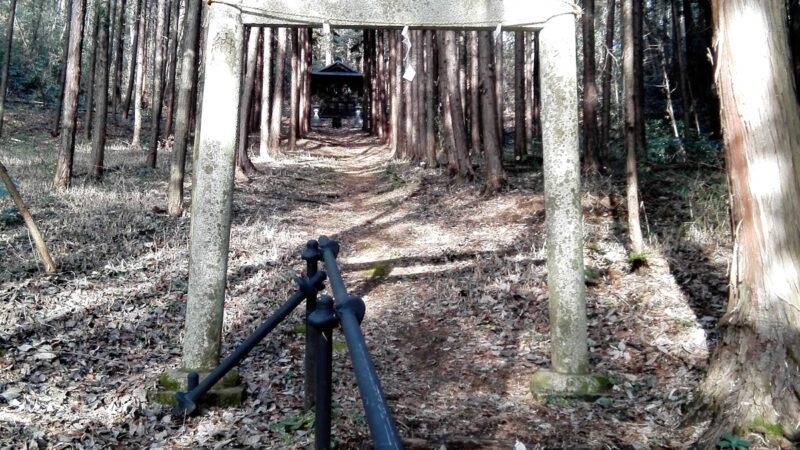
Nōgaya Shrine, located on the hillside across the Shinkōji River, is surrounded by abundant nature. Trees flourish within the grounds, allowing you to experience the changing seasons.
In the increasingly urbanized city of Machida, a shrine that maintains such a natural environment is precious. The tranquil grounds provide an ideal space for calming your mind and offering prayers.
Shrine Buildings and Subsidiary Shrines
The main hall was rebuilt in 1772 (An’ei 1) and has undergone several repairs to reach its current state. Its simple yet dignified appearance conveys the dignity of a local guardian deity.
In addition to the main hall, the grounds also feature subsidiary shrines and stone monuments that reflect the legacy of previously enshrined deities.
Goshuin (Shrine Seal) Information
Goshuin (shrine seals) are available at Nōgaya Shrine. Goshuin (temple/shrine stamps) are popular among many visitors as proof of their visit and as a memento of their trip.
Goshuin Reception: At the shrine office
Offering Fee: Generally around 300-500 yen (Please inquire directly for details)
When receiving a goshuin, it is recommended to bring your goshuincho (goshuin stamp book). Also, since the shrine priest may not always be present, it is recommended to call ahead to confirm.
The goshuin will include the shrine’s name and the date of visit, and will bear the shrine’s seal. The goshuin of Nogaya Shrine is characterized by its simple yet powerful calligraphy.
Access Method
Access by Train
Nearest Station: Odakyu Odawara Line, “Tsurukawa Station”
The shrine is accessible on foot from Tsurukawa Station. The walk takes approximately 8-14 minutes (depending on walking speed and route).
Directions from Tsurukawa Station:
- Exit Tsurukawa Station North Exit
- Proceed towards the Shinkoji River
- Cross the river and head towards the hilly area
- Follow the signs to arrive at Nogaya Shrine
For first-time visitors, we recommend using a smartphone map app. Since you will be passing through a residential area, a map will be helpful.
Access by Car
While access by car is possible, the area around the shrine is a residential area, and some roads are narrow. Please inquire with the shrine in advance regarding parking availability and capacity.
Car Navigation Settings:
Search using the address “6-20-1 Nogaya, Machida City, Tokyo” or the phone number “042-735-5177”
Nearby Spots and Tourist Information
Shinkoji River
The Shinkoji River, which flows along the way to Nogaya Shrine, is a river where you can experience the nature of Machida City. A promenade is maintained along the river, allowing you to enjoy a stroll.
Around Tsurukawa Station
The area around the nearest station, Tsurukawa Station, has cafes, restaurants, and shopping streets, making it a great place to stop by before or after visiting the shrine. You can enjoy a relaxed time while experiencing the local atmosphere.
Other Shrines and Temples in Machida City
Besides Nogaya Shrine, Machida City has many other shrines and temples. Those who enjoy visiting shrines are encouraged to also visit other temples and shrines in Machida City.
Manners and Points for Visiting a Shrine
Basic Worship Etiquette
- Bow before passing through the torii gate: This is a courtesy before entering the sacred area.
- Purify yourself at the water basin: Purify your left hand, right hand, and mouth in that order.
- Walk along the edge of the path: The center is considered the path of the gods.
- Manners in front of the main hall: Two bows, two claps, and one bow are the basics.
Precautions When Climbing the Stone Steps
The stone steps at Nogaya Shrine are nearly 100 in number, so please pay attention to the following points:
- Watch your step: They are especially slippery on rainy days.
- Climb at a comfortable pace: Those who are not confident in their physical strength should climb slowly.
- Wear appropriate clothing: We recommend wearing comfortable shoes for your visit.
Regarding Photography
Photography is generally permitted on the shrine grounds, but please observe the following manners:
- Refrain from taking photographs inside the main hall.
- Please be considerate of other worshippers.
- Remember that this is a sacred place.
Annual Festival and Other Annual Events
Annual Festival (September 17th)
The annual festival of Nogaya Shrine is held every year on September 17th. This is the most important festival for the shrine, a Shinto ritual to express gratitude for the past year and pray for peace in the future.
On the day of the festival, local parishioners and devotees gather, making the shrine even more lively than usual. Traditional Shinto rituals are performed, providing an opportunity to deepen the bonds of the local community.
Other Annual Events
Besides the annual festival, the shrine holds various Shinto rituals throughout the year, including the New Year’s visit, the Setsubun festival, and the summer purification ceremony. For detailed dates, please contact the shrine directly.
History and Culture of the Nogaya Area
The name Nogaya is thought to originate from the topography and history of this area. As the character “谷” (tani, meaning valley) suggests, it is a region characterized by a valley topography surrounded by hills.
In this region, where agriculture has been practiced since ancient times, a lifestyle in harmony with nature has continued. Nogaya Shrine has been a center of this region’s history and culture, attracting the faith of its people.
The consolidation of four shrines during the Taisho era was influenced by the shrine reorganization policies of the time, but it also played a role in strengthening the sense of unity throughout the Nogaya area.
Visitor Voices and Reviews
Visitors to Nogaya Shrine have shared the following impressions:
- “A quiet and peaceful shrine. Climbing the stone steps gives a sense of accomplishment, and it’s a cleansing experience for the soul.”
- “Despite being in a residential area, it’s rich in nature and feels like another world.”
- “Located on the hillside, the view from the shrine grounds is excellent.”
- “A warm and welcoming shrine rooted in the community.”
Many visitors highly appreciate the tranquil atmosphere and natural environment of Nogaya Shrine.
Best Season to Visit Nogaya Shrine
Nogaya Shrine is open year-round, but each season offers its own unique charm.
Spring (March-May): Beautiful fresh greenery awaits, and you can visit the shrine in a refreshing climate.
Summer (June-August): Lush green trees provide shade, making it cool and pleasant.
Autumn (September-November): The time for the annual festival, and you can also enjoy the autumn foliage.
Winter (December-February): The time for the first shrine visit of the year. Visiting the shrine in the crisp air is very pleasant.
The shrine is particularly lively in September when the annual festival is held, and during the first shrine visit of the year. For those who wish to visit in peace, weekday mornings are recommended.
Summary
Nogaya Shrine is a historical shrine located in Machida City, Tokyo. It was founded as a Toshogu shrine in the early Edo period, and in the Taisho era, four shrines were merged to form the current Nogaya Shrine.
Located on the side of a hill, it features nearly 100 stone steps and a lush, natural shrine grounds. Located within walking distance of Tsurukawa Station, this shrine offers a tranquil and sacred space where you can pray with peace of mind.
You can also receive a Goshuin (shrine stamp), making it a great choice for those collecting them. When you visit Machida City, be sure to stop by Nogaya Shrine. You’ll find a peaceful moment in this shrine steeped in long history and the faith of the local people.
Contact Information
Nogaya Shrine
6-20-1 Nogaya, Machida City, Tokyo 195-0053
TEL: 042-735-5177
*For details regarding visiting hours, Goshuin reception hours, etc., please contact the shrine directly.