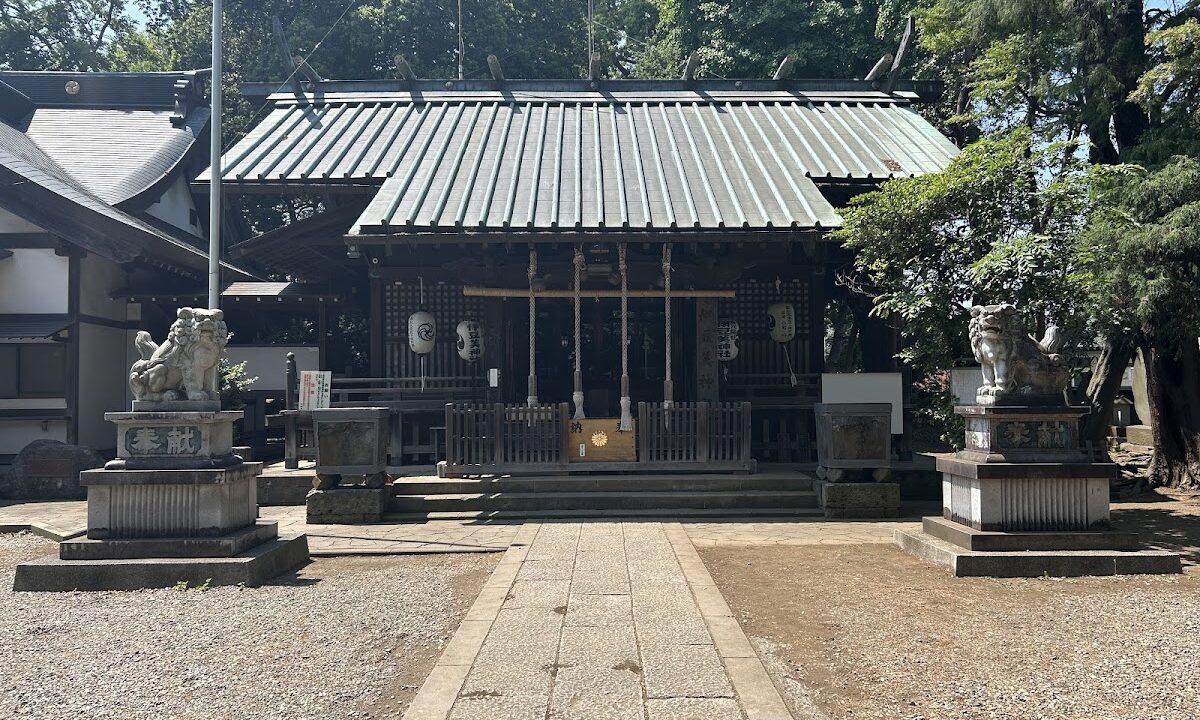
Izumi Shrine (Komae City, Tokyo) Complete Guide | Goshuin (Shrine Seal), History, Cultural Properties, and Access Information
About Izumi Shrine
Izumi Shrine, located in Nakaizumi 3-chome, Komae City, Tokyo, is the oldest and largest shrine in Komae City. It enshrines Okunitama-no-Okami as its principal deity and has been deeply revered by local residents as the guardian shrine of Komae. Under the modern shrine ranking system, it was classified as a Gosha (village shrine), and its former name was Rokushogu.
Despite its convenient location, approximately a 10-minute walk from Komae Station, the shrine grounds are enveloped in a tranquil atmosphere, offering a healing space that allows visitors to forget the hustle and bustle of the city. In particular, the second torii gate, known as the oldest stone torii gate in Musashi Province, is counted as one of the three great torii gates of the Kanto region and is a popular spot visited by many worshippers and history enthusiasts.
Deities and Divine Virtues
The main deity enshrined at Izumi Shrine is Okunitama-no-Okami, who has been worshipped since ancient times as the guardian deity of Musashi Province. Okunitama-no-Okami is known as the god of land development, industrial development, matchmaking, and good fortune, and is believed to bestow the following divine virtues:
- Matchmaking: Successful relationships, marital harmony
- Good Fortune: Business prosperity, family safety
- Healing from Illness: Health and longevity, freedom from illness
- Good Fortune: Protection from evil, improved luck
History
Founding and History
Izumi Shrine is said to have been founded in the first year of Kanpyo (889), boasting a history of over 1100 years. Originally located in Moto-Izumi, the shrine building was washed away by a great flood of the Tama River in the 19th year of Tenbun (1550). It is said that the shrine was relocated to its current location in Nakaizumi following this disaster.
History as Rokushogu Shrine
Until the Edo period, it was called “Rokushogu Shrine.” This meant a shrine dedicated to the six deities of Musashi Province, indicating a deep connection with the Okunitama Shrine in Fuchu (Musashi Sōsha Rokushogu Shrine). “Rokusho” refers to the deities of the six major shrines within Musashi Province, and the joint enshrinement of these deities represented a form of worship praying for the protection of the entire Musashi Province.
Changes After the Meiji Era
Due to the Meiji-era separation of Shinto and Buddhism, the shrine’s name was changed from Rokushogu Shrine to Izumi Shrine. There are various theories about the origin of the name “Izumi,” but the most likely is that it derives from the place name “Izumi.” In 1873 (Meiji 6), it was ranked as a village shrine, and later promoted to a regional shrine. It established its position as a central shrine in the Komae region.
From Post-War to the Present
Even after World War II, the shrine continued to attract worshippers as the guardian shrine of the region, and many visitors continued to come even as the eras changed from Showa to Heisei and Reiwa. In recent years, efforts have been made to improve the shrine grounds and preserve cultural properties, striving to balance historical value with a modern worship environment.
Cultural Properties
Stone Torii Gate (Komae City Designated Tangible Cultural Property)
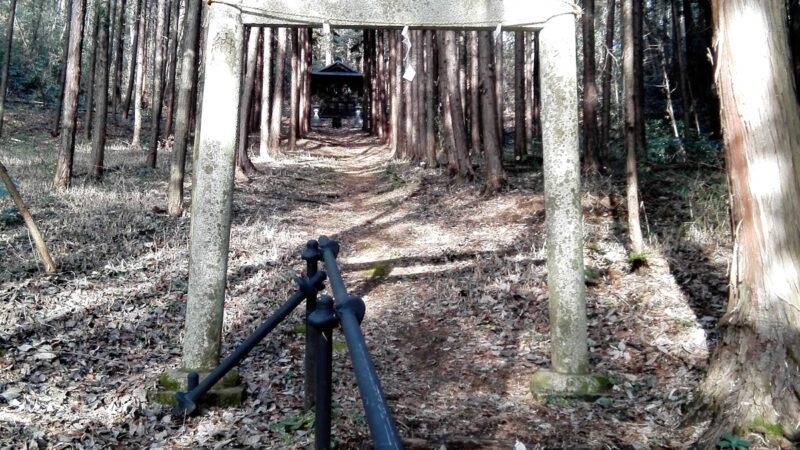
The greatest highlight of Izumi Shrine is the stone torii gate towering over the approach to the shrine. This torii gate is estimated to have been built during the Keicho era (1596-1615) and possesses extremely high historical value as the oldest existing stone torii gate in Musashi Province.
Features and Value
- One of the Three Great Torii Gates of the Kanto Region: Along with the torii gates of Washinomiya Shrine in Saitama Prefecture and Katori Shrine in Chiba Prefecture, it is considered one of the three great torii gates of the Kanto region.
- Architectural Style: It is a Myojin-style torii gate, characterized by its dignified appearance.
- Stone Material: Made of andesite, it is a robust structure that has withstood over 400 years of wind and snow.
- Cultural Property Designation: Designated as a tangible cultural property of Komae City, it is preserved and managed accordingly.
Standing before this torii gate, one can feel the high level of stonemasonry from the early Edo period and the weight of the faith that has been passed down through the ages.
Other Cultural Properties and Historic Sites
Besides the stone torii gate, there are other cultural properties and historical sites of historical value scattered throughout the shrine grounds.
- Main Shrine: A shrine building that retains the architectural style of the late Edo period.
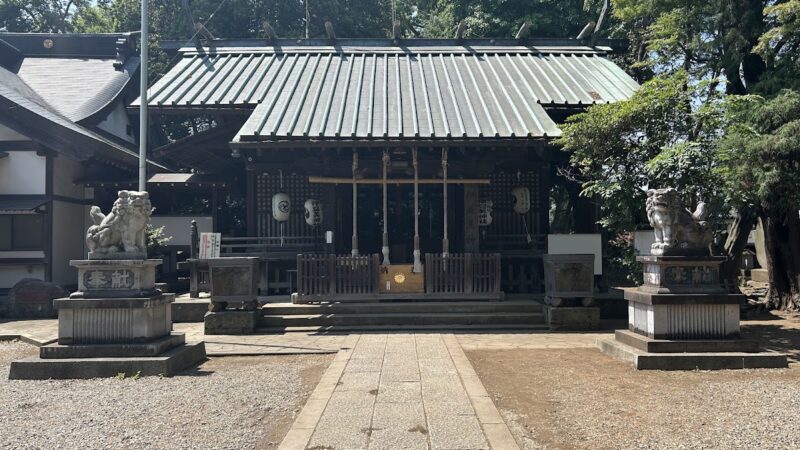
- Komainu (Guardian Dogs): A pair of ancient guardian dogs guard the approach to the shrine.
- Stone Monuments: Votive monuments and memorial stones from the Edo to Meiji periods.
- Sacred Tree: A large tree estimated to be several hundred years old creates a sacred atmosphere within the shrine grounds.
Highlights of the Shrine Grounds
Shrine Building
The main shrine building maintains the traditional style of shrine architecture and is kept in good condition through regular repairs. You can quietly put your hands together and offer your prayers with sincerity in the worship hall. Visiting in the refreshing air of early morning will be a particularly refreshing experience for both mind and body.
Subsidiary Shrines
Several subsidiary shrines are enshrined within the grounds of Izumi Shrine, each with different divine virtues. After visiting the main shrine, we recommend visiting these subsidiary shrines as well.
Water Basin
As you proceed along the approach to the shrine, you will find a water basin with pure water flowing through it. Before visiting the shrine, be sure to purify your body and mind at the water basin. Following the proper etiquette of the water basin allows you to approach the deities with a more reverent heart.
Shrine Office
The shrine office offers Goshuin (shrine stamps) and various amulets. You can receive a Goshuin as a memento of your visit.
Goshuin
About the Issuance of Goshuin
Izumi Shrine offers Goshuin to visitors. Goshuin are considered important as proof of your visit and as a way to forge a connection with the shrine.
Issuance Hours
Goshuin are issued during the shrine office’s opening hours. However, they may not be available during Shinto rituals or festivals, so it is recommended to check in advance if you wish to receive one.
Features of the Goshuin
The Izumi Shrine Goshuin features the shrine’s name and date of visit written in ink, along with the shrine’s seal. Its simple yet dignified design makes it a fitting addition to your Goshuin collection.
Goshuincho (Stamp Book)
Izumi Shrine may also distribute its own original goshuincho. Please check with the shrine office during your visit for details.
Annual Festivals and Rituals
Grand Festival
The Grand Festival of Izumi Shrine is held grandly every autumn. The festival features a portable shrine procession, devotional performances, and other community-wide events, attracting many parishioners and worshippers. It is an important event cherished by local residents as a symbol of autumn in Komae.
Annual Events
- Hatsumode (First Shrine Visit of the New Year): The first three days of the New Year are bustling with many worshippers.
- Setsubun Festival: Events such as bean-throwing are held on Setsubun in February.
- Natsukoshi no Oharae (Summer Purification Ceremony): A Shinto ritual held at the end of June to purify oneself of the impurities accumulated over the past six months.
- Shichi-Go-San (Seven-Five-Three Festival): The shrine is bustling with families celebrating Shichi-Go-San in November.
- Toshikoshi no Oharae (Year-End Purification Ceremony): A Shinto ritual held at the end of December to purify oneself of the impurities accumulated over the past year.
These Shinto rituals are carefully preserved as traditional Japanese annual events and play an important role in the transmission of local culture.
Access
Access by Train
Nearest Station: Odakyu Odawara Line “Komae Station”
- Approximately 10 minutes on foot from the north exit of Komae Station
- Approximately 20 minutes from Shinjuku Station on the Odakyu Line, get off at Komae Station
- Conveniently located with easy access from the city center, making it easy to visit.
Directions from the Station
- Exit the north exit of Komae Station and head north along the street in front of the station.
- Pass through the shopping street and enter the residential area.
- Follow the signs, and you will see the torii gate of Izumi Shrine.
- You will arrive in approximately 10 minutes on foot.
Access by Bus
If using the bus from Komae Station, you can use Odakyu Bus or the community bus. The shrine grounds are a few minutes’ walk from the nearest bus stop.
Access by Car
Parking
There is parking space for visitors on the shrine grounds, but the number of spaces is limited. During festivals and on weekends, the area can get crowded, so we recommend using public transportation.
Surrounding Roads
- Located in a residential area of Komae City, the roads are relatively narrow.
- You can search for “Izumi Shrine” or the address “3-chome, Nakaizumi, Komae City, Tokyo” on your car navigation system.
Address and Contact Information
Location
3-14-8 Nakaizumi, Komae City, Tokyo 201-0012
Phone Number
For inquiries regarding worship, please contact the shrine office.
Nearby Shrines and Temples
Temples and Shrines in Komae City
When visiting Izumi Shrine, we also recommend visiting the surrounding temples and shrines.
Myozenji Temple
A Nichiren Buddhist temple located in Komae City, within walking distance of Izumi Shrine. You can spend a peaceful time in its quiet grounds.
Other Temples and Shrines
There are many other historical temples and shrines scattered throughout Komae City. You can enjoy a “temple and shrine tour” by visiting several while strolling around the Komae Station area.
Major Shrines in the Nearby Area
- Okunitama Shrine (Fuchu City): A prestigious shrine known as the main shrine of Musashi Province.
- Jindaiji Temple (Chofu City): One of Tokyo’s leading ancient temples, also famous for its soba noodles.
Surrounding Area
About Komae City
Komae City is a small city located in the eastern part of the Tama region of Tokyo, with an area of approximately 6.39 square kilometers. Although it is the second smallest municipality in Tokyo by area, its convenient location, about 20 minutes from Shinjuku on the Odakyu Line, has allowed it to develop as a commuter town.
Characteristics of Komae City
- A rich natural environment facing the Tama River
- A calm atmosphere as a residential area
- A well-developed shopping street, offering high convenience for daily life
- An environmentally friendly city with the slogan “A city of water and greenery”
Nearby Tourist Attractions
Tama River Riverbed
The Tama River riverbed is within walking distance of Izumi Shrine, perfect for strolling, jogging, and cycling. In spring, the cherry blossoms bloom beautifully, making it a popular spot for cherry blossom viewing.
Komae City Old Folk House Garden
This facility features relocated and restored old folk houses from the Edo period, allowing visitors to learn about the lifestyle of that time.
Shopping Street
A lively shopping street surrounds Komae Station, lined with local renowned shops and restaurants. Convenient for meals and shopping after visiting the shrine.
Manners and Etiquette for Visiting Shrines
Basic Etiquette for Visiting Shrines
When visiting a shrine, please observe the following basic manners.
- Bow before passing through the torii gate: This is a courtesy before entering the sacred area.
- Walk along the edge of the path: The center is considered the path of the gods.
- Purify yourself at the water basin: Purify your left hand, then your right hand, then your mouth.
- Two bows, two claps, one bow: This is the basic etiquette in front of the main hall.
Regarding Photography
Photography is generally permitted on the shrine grounds, but please note the following:
- Do not take photos in areas where photography is prohibited, such as inside the main hall.
- Be considerate of other worshippers.
- Follow instructions during Shinto rituals and festivals.
- Post on social media with moderation.
The Charm of Izumi Shrine
An Oasis in the City
Despite its convenient location just a 10-minute walk from Komae Station, stepping onto the shrine grounds reveals a tranquil space far removed from the hustle and bustle of the city. It’s the perfect place to escape the daily grind and find peace of mind.
A Treasure Trove of History and Culture
With a history spanning over 1100 years, Izumi Shrine is synonymous with the history of the Komae region. Numerous cultural artifacts, including one of the three largest torii gates in the Kanto region, remain on the grounds, making it a fascinating spot for history enthusiasts.
A Faith Rooted in the Community
Protected by local residents as the guardian shrine of the region, Izumi Shrine continues to function as a spiritual pillar of the community. Through festivals and annual events, it plays a role in strengthening community bonds.
Seasonal Expressions
The shrine grounds, displaying different expressions in each season—the fresh green of spring, the deep green of summer, the vibrant autumn leaves, and the tranquility of winter—offer a fresh and moving experience with every visit. Visiting in each season allows you to feel the changing seasons and the profound charm of the shrine.
Summary
Izumi Shrine is a historical and prestigious shrine located in Komae City, Tokyo. The oldest stone torii gate in Musashi Province is a precious cultural asset, boasting a history of over 1100 years, and serving as the guardian shrine of the region. All of these elements come together to provide visitors with deep emotion and peace.
Its convenient location, just a 10-minute walk from Komae Station, is another attractive feature. It’s easily accessible from central Tokyo, making it perfect for a day trip or a stroll. This shrine is recommended for anyone collecting goshuin (shrine stamps), those interested in history, or those seeking inner peace.
Why not spend some luxurious time at Izumi Shrine, witnessing the majestic presence of one of the three great torii gates of the Kanto region up close, reflecting on its long history, and quietly offering your prayers? The history of faith that has been passed down through generations in Komae will surely resonate deeply within your heart.