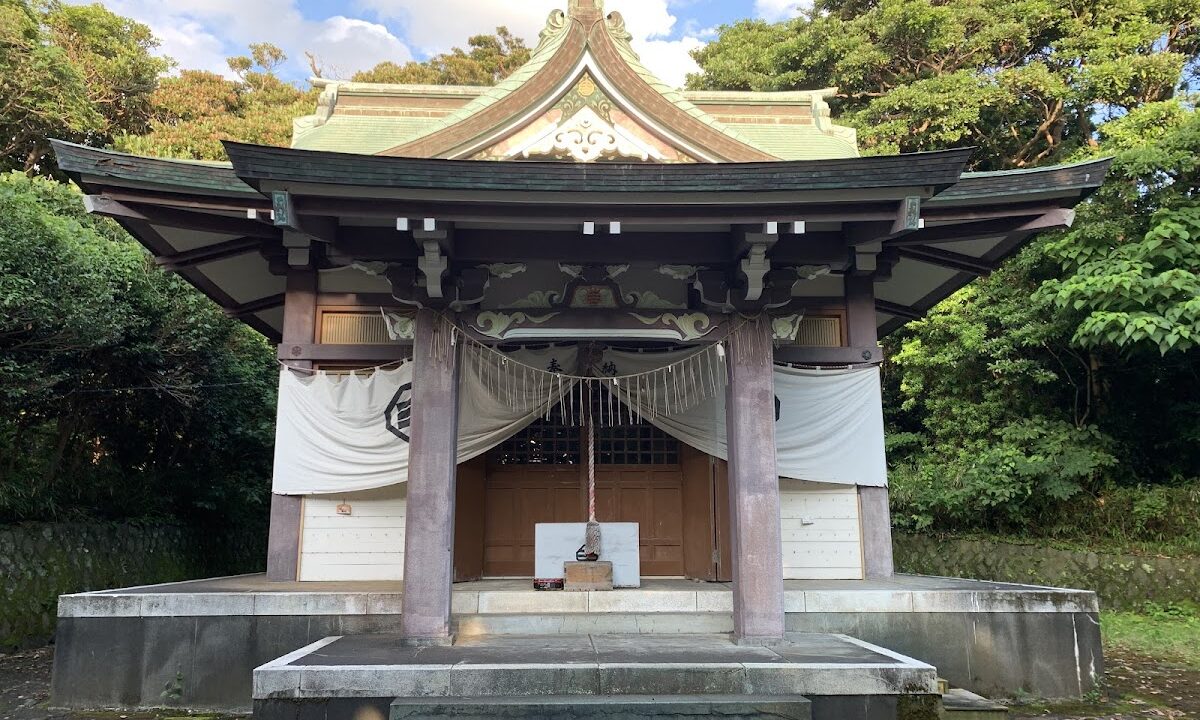
Yoshitani Shrine (Oshima Town, Tokyo) Complete Guide | The Guardian Shrine of Izu Oshima, Conveying the Story of the Mount Mihara Eruption and the Prayers of the Islanders
Located in Motomachi, Oshima Town, Tokyo, Yoshitani Shrine is a representative shrine of Izu Oshima, attracting the faith of the islanders for hundreds of years. Built by the islanders to pray for the cessation of the eruption of Mount Mihara, a natural threat, this shrine is an indispensable part of Oshima’s history and culture.
This article comprehensively introduces information you should know before visiting Yoshitani Shrine, from its origins and enshrined deities to its historical background, traditional events, and access methods.
Origins and History of Yoshitani Shrine
Background of its Founding: The Mount Mihara Eruption and the Awe of the Islanders
While the exact founding date of Yoshitani Shrine is not clearly known, it is believed to have been established several hundred years ago in November, following a major eruption of Mount Mihara. The eruption was tremendous; the sound of the eruption roared like thunder, the smoke rose to the sky, and the lava flowed so large that it reached the sea.
Witnessing this terrifying natural phenomenon, the villagers, terrified and helpless, built a small shrine in the Yoshitani area and enshrined Mihara Daimyojin. It is said that the Yoshitani Shrine originated from the practice of worshipping the mountain spirit morning and evening and praying for the cessation of the fire.
Mihara Daimyojin and Oyamatsumi-no-Mikoto
The deities enshrined at Yoshitani Shrine are Oyamatsumi-no-Mikoto and Mihara Daimyojin. These two deities are considered to be the same god and have been revered as the god of mountains and volcanoes.
Oyamatsumi-no-Mikoto is known in Japanese mythology as the god who governs mountains and is a central figure in mountain worship throughout Japan. On Izu Oshima Island, Mount Mihara, an active volcano, is worshipped as Mihara Daimyojin, a deified deity, and has been an object of awe and reverence for the islanders.
People often viewed the eruptions of Mount Mihara, which greatly instilled fear in the islanders, as a divine act, and built shrines to express their respect for this natural force and their wish for its pacification. Yoshitani Shrine has also served as a place of worship for Mihara Daimyojin, the guardian deity of the entire island.
The Motomachi Great Fire of 1965 and Reconstruction
The Tragic Great Fire
On January 10, 1965 (Showa 40), a large-scale fire, the so-called Motomachi Great Fire, struck the Motomachi district of Izu Oshima Island, causing immense damage to Yoshitani Shrine. This fire destroyed the central part of Motomachi, resulting in a major disaster where many residents lost their homes.
Yoshitani Shrine was no exception; both the shrine building and the office building (choya: shrine office) were completely destroyed. The shrine, which had been the object of the islanders’ faith for hundreds of years, was reduced to ashes overnight.
The Road to Reconstruction
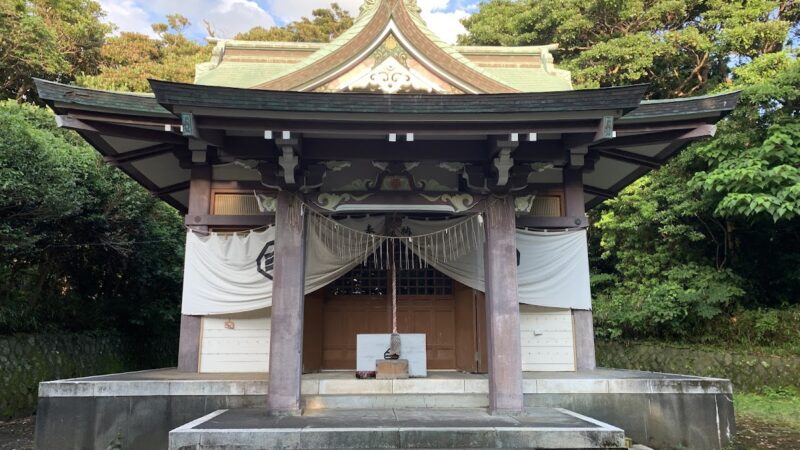
Reconstruction from the Motomachi Great Fire was not easy, but thanks to the strong faith and unity of the islanders, Yoshitani Shrine was rebuilt. The current shrine building was rebuilt after the fire, testifying to the islanders’ determination to rebuild and their deep faith in the shrine.
This history of disaster and reconstruction demonstrates that Yoshitani Shrine is not merely a religious facility, but an entity deeply intertwined with the islanders’ identity.
Tokyo Metropolitan Intangible Folk Cultural Property “Yoshitani Shrine New Year’s Festival”
The Value of Traditional Events
In Showa 33 (1958), the Yoshitani Shrine New Year’s Festival, along with the Okada Hachiman Shrine New Year’s Festival, was designated as a Tokyo Metropolitan Intangible Folk Cultural Property. This New Year’s Festival is a valuable event that preserves the traditional culture of Izu Oshima.
Historical Records of the New Year’s Festival
The history of the Yoshitani Shrine New Year’s Festival is long, with records of it appearing in the “Izu Oshima Sashidashicho” from 1789 (Tenmei 9) and in documents from 1827 (Bunsei 10). These historical materials indicate that it was already an established festival in the late Edo period.
The Annual Rotation System and Community Ties
The New Year’s Festival employs an annual rotation system, where each local group takes turns managing the festival. This system allows all islanders to participate in the festival, ensuring that traditions are passed down through generations. The annual rotation system also plays an important role in strengthening the bonds of the island community.
Shrine Precincts and Related Facilities
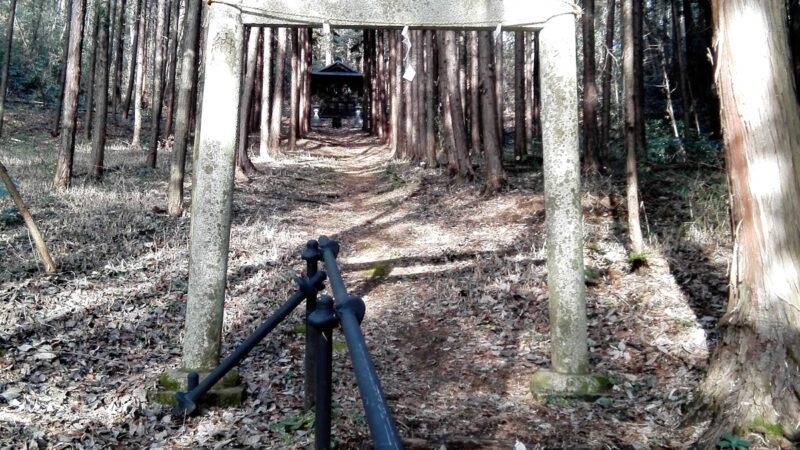
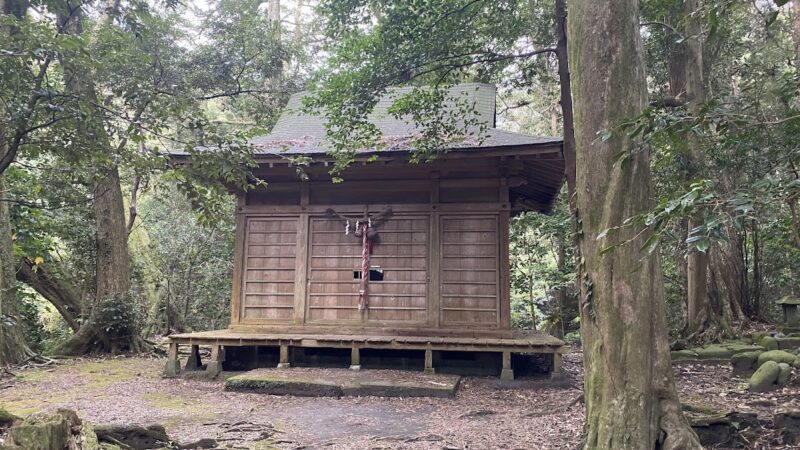
Composition of Shrine Precincts
Yoshitani Shrine houses several shrines, each deeply connected to the lives of the islanders. The main shrines within the grounds include the following:
- Hamamiya Ryuo-jin: A shrine dedicated to praying for safety at sea and abundant catches.
- Other small shrines: Dedicated to local guardian deities.
These shrines demonstrate the worship of sea gods, essential for life on an island surrounded by the sea, in addition to the main deity, the god of volcanoes.
Detached Shrines
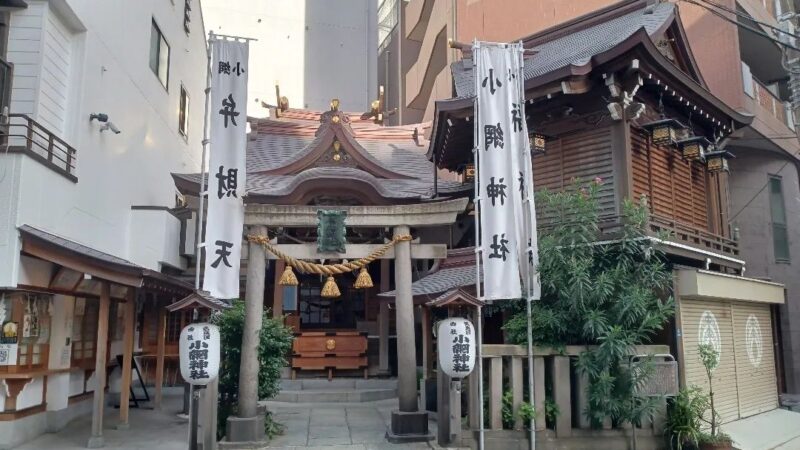
Yoshitani Shrine also has detached shrines scattered throughout the Motomachi district. These are revered as local guardian deities, attracting the faith of residents in each location.
Relationship with Yakushi-do
Nearby Yoshitani Shrine is a Yakushi-do (a temple dedicated to the healing Buddha), preserving the remnants of the syncretism of Shinto and Buddhism. Historically, shrines and temples were worshipped together until the Edo period, and traces of this can still be seen today.
What you can experience at Yoshitani Shrine
Worship and Prayers
Yoshitani Shrine is open for worship throughout the year. Especially during the New Year, many islanders and tourists visit the shrine for their first shrine visit of the year, praying for safety and prosperity throughout the year. The traditional belief in the calming of Mount Mihara’s volcanic activity continues to this day.
Interacting with Local Culture
Through annual events, including the New Year’s Festival, you can experience Izu Oshima’s traditional culture firsthand. You will feel the warm hospitality of the islanders and the weight of traditions that have continued for hundreds of years.
Exploring History
Visiting Yoshitani Shrine is also a journey through the history of Izu Oshima. You can feel the strength and faith of the islanders who have overcome natural disasters such as the eruption of Mount Mihara and man-made disasters such as the Motomachi Great Fire, from the atmosphere of the shrine grounds.
Position in Izu Oshima’s Faith and Culture
Role as the Guardian Shrine
Yoshitani Shrine has the character of the guardian shrine for the entire Izu Oshima island and has been the spiritual center of the island. For the islanders living alongside the active volcano Mount Mihara, Yoshitani Shrine, dedicated to the volcano god, was a guarantee of safety and security in their lives.
Examples of Volcano Worship
While many examples of volcano worship exist throughout Japan, Yoshitani Shrine is one of the most representative. Established in response to a specific event—the eruption of an active volcano—the faith that continues to this day provides valuable insight into the Japanese view of nature and religion.
Island Identity
Yoshitani Shrine is a crucial element in shaping the identity of Izu Oshima. For the islanders, this shrine is not merely a religious site, but a symbol of their history, culture, and their love for the island.
Access Information and Points to Note When Visiting
Location and Basic Information
- Location: 4-2-9 Motomachi, Oshima-machi, Tokyo 100-0101
- Nearest Port: Approximately 10 minutes on foot from Tokai Kisen’s “Motomachi Port”
- Visiting Hours: Grounds are freely accessible (please check the office hours)
Access to Izu Oshima
Izu Oshima can be accessed from Tokyo (Takeshiba Pier) by Tokai Kisen’s large passenger ship or high-speed jet ferry. Small aircraft operated by Shin Chuo Aviation also operate from Chofu Airport.
Access by Ferry:
- Large Passenger Ship: Approximately 6-8 hours from Takeshiba Pier (overnight service)
- High-Speed Jet Ferry: Approximately 1 hour 45 minutes from Takeshiba Pier
- Arrival Port: Motomachi Port or Okada Port (determined by sea conditions)
Access by Airplane:
- Approximately 25 minutes from Chofu Airport
- Arrive at Oshima Airport
Getting Around the Island
Yoshitani Shrine is a short 10-minute walk from Motomachi Port and is located in the heart of Motomachi, making it easily accessible in conjunction with other tourist attractions. Rental cars, rental bicycles, and buses are also available.
Points to Note When Visiting the Shrine
- The island’s climate is unpredictable, so please prepare appropriate clothing for the weather.
- The shrine is expected to be crowded during events such as the New Year’s Festival.
- Please respect the shrine as a place of local worship and observe proper etiquette during your visit.
- Please take photographs only within permitted areas, and be especially careful during festivals.
Nearby Attractions
Mount Mihara
Mount Mihara, where the deity of Yoshitani Shrine, Mihara Daimyojin, is said to reside, is a highlight of Izu Oshima sightseeing. It is an active volcano with an elevation of 758 meters, and you can enjoy magnificent views from the walking trails around the crater. Visiting it in conjunction with a visit to Yoshitani Shrine allows you to see firsthand the object of worship for the islanders.
Historical Sites in the Motomachi District
Besides Yoshitani Shrine, the Motomachi district has many historical sites and cultural facilities. Visiting the Motomachi Great Fire Memorial and the Local History Museum will give you a deeper understanding of the island’s history.
Oshima Hot Springs
After visiting the shrine, we recommend relaxing in the island’s hot springs. The hot springs, brought about by the volcanic activity of Mount Mihara, offer a truly immersive experience of the island’s bounty.
Significance of Visiting Yoshitani Shrine
Learning About History and Culture
Visiting Yoshitani Shrine holds more meaning than mere sightseeing. You can learn about many themes, including the history of the islanders living with the volcano, their reverence for nature, their recovery from disasters, and the preservation of traditional culture.
Implications for the Modern Age
In Japan, a country prone to natural disasters, the history of Yoshitani Shrine offers many insights for the modern age. Here, you can find values that we should cherish today, such as a humble attitude towards the threat of nature, community unity, and the importance of preserving tradition.
Interaction with Islanders
Visiting Yoshitani Shrine also provides an opportunity to interact with the residents of Izu Oshima. Especially during festivals, you will feel the warmth of the local people and their pride in their traditions.
Summary: The Island Story Told by Yoshitani Shrine
Yoshitani Shrine, located in Oshima Town, Tokyo, is a shrine born from the prayers of the islanders in the face of the natural threat of the eruption of Mount Mihara. The faith in its enshrined deities, Oyamatsumi-no-Mikoto and Mihara Daimyojin, has been a spiritual anchor for the islanders for hundreds of years.
Despite the tragedy of its shrine buildings being destroyed in the Motomachi Great Fire of 1965, Yoshitani Shrine was rebuilt through the strong faith of the islanders, symbolizing the resilience of humanity in overcoming adversity.
Traditional events, including the New Year’s Festival, designated as a Tokyo Metropolitan Intangible Folk Cultural Property, continue to function as the heart of the island’s culture, passed down through generations. Including related facilities such as subsidiary shrines, detached subsidiary shrines, and the Yakushi-do (Medicine Buddha Hall), Yoshitani Shrine forms a complex layer of faith and culture on Izu Oshima Island.
When visiting Izu Oshima, be sure to stop by Yoshitani Shrine and experience the island’s history and the faith of its inhabitants. In Yoshitani, overlooking Mount Mihara, you’ll feel the connection between nature and humanity, the weight of tradition, and the warmth of the islanders.
Despite its convenient location just a 10-minute walk from Motomachi Port, Yoshitani Shrine, steeped in history and culture, is an unmissable spot for Izu Oshima sightseeing. Experience firsthand the unique faith and culture nurtured on this volcanic island.