Complete Guide to Ota-hime Inari Shrine (Chiyoda Ward, Tokyo) | History, Goshuin (Shrine Seal), and Access Information
Ota-hime Inari Shrine, located in Kanda Surugadai, Chiyoda Ward, Tokyo, is a historical shrine associated with Ota Dokan, the builder of Edo Castle. Despite its central location within walking distance of Ochanomizu Station, it offers a rare and tranquil space for worship, attracting the reverence of the local community. This article comprehensively covers all the information you need for a visit to Ota-hime Inari Shrine, including its detailed history, goshuin information, blessings, and access methods.
Basic Information on Ota-hime Inari Shrine
Ota-hime Inari Shrine is located at 1-2-3 Kanda Surugadai, Chiyoda Ward, Tokyo. Its former shrine rank was Village Shrine. It has long been cherished by local residents as the guardian shrine of Kanda Surugadai.
Location: 1-2-3 Kanda Surugadai, Chiyoda-ku, Tokyo
Main Deity: Ukanomitama-no-kami
Enshrined Deities: Sugawara no Michizane, Tokugawa Ieyasu
Former Shrine Rank: Village Shrine
Founded: 1457
Annual Festival: Second Saturday and Sunday of May (Main festival and portable shrine procession held every other year)
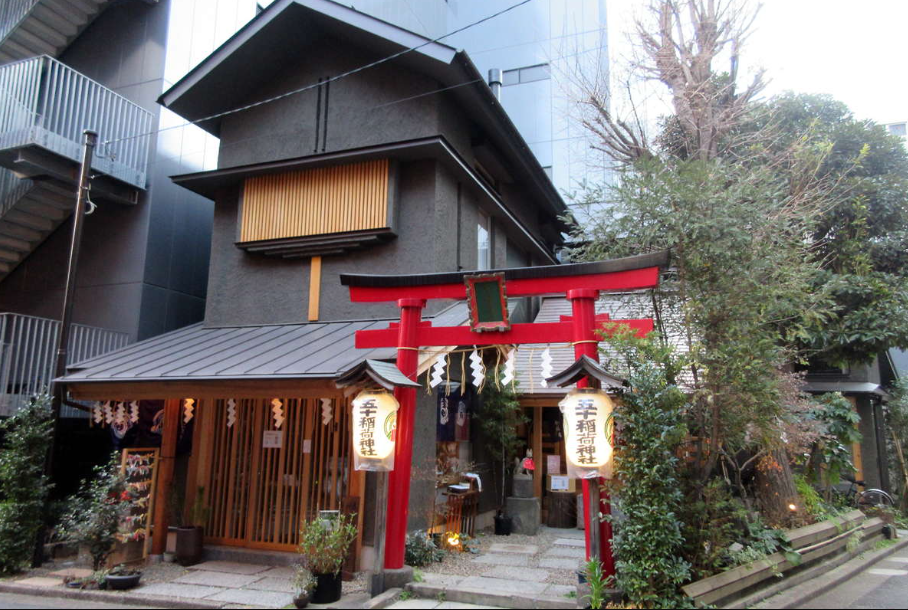
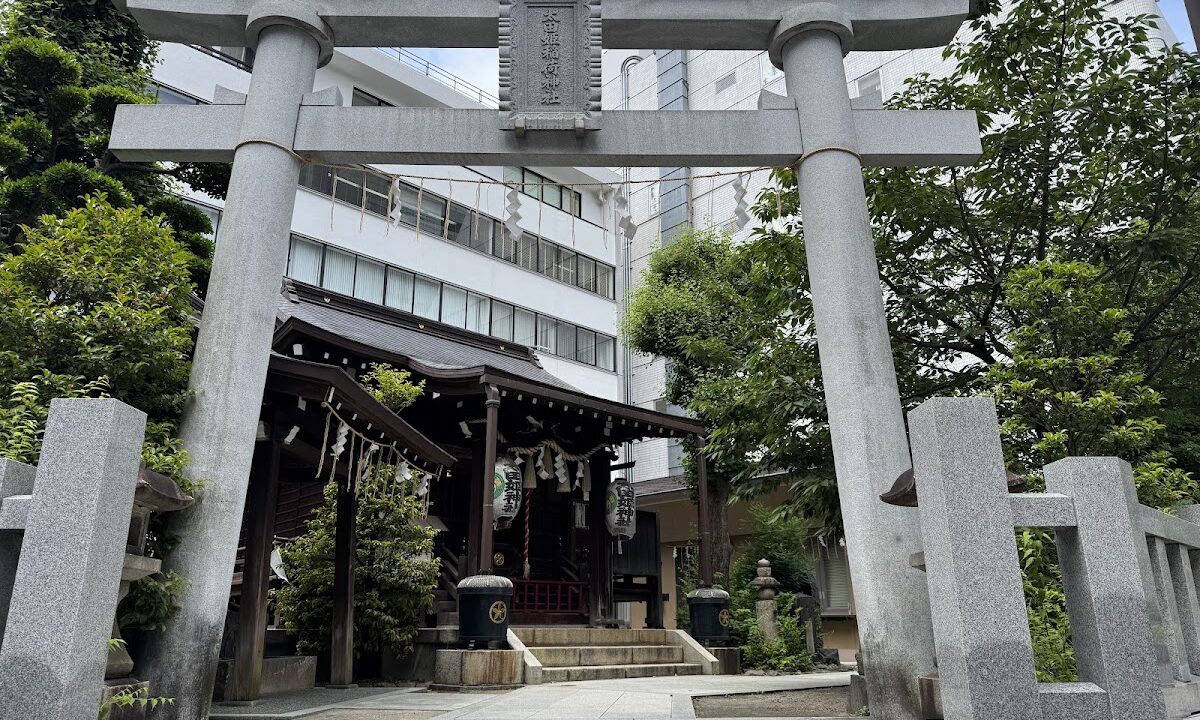
Although the shrine grounds are located in a corner of the city center surrounded by buildings, the vermilion torii gate and shrine buildings create a tranquil atmosphere.
History and Origins of Ota-hime Inari Shrine
Founded in 1457
The history of Ota-hime Inari Shrine dates back to 1457. It is said that the shrine originated when Ota Dokan, known for building Edo Castle, invited the deity from Fushimi Inari Taisha in Kyoto and established it within Edo Castle.
The Legend of Ota Dokan’s Daughter and the Healing from Smallpox
The name of Ota-hime Inari Shrine is derived from a legend concerning Ota Dokan’s daughter. When Dokan’s daughter contracted smallpox, she prayed at Imoarai Inari Shrine in Yamashiro Province (present-day Kyoto Prefecture), which is believed to have miraculous healing powers, and was miraculously cured.
Grateful for this miraculous healing, Ota Dokan invited a分霊 (bunrei, a divided spirit) of Imoarai Inari Shrine to Edo Castle and enshrined it as Ota-hime Inari Daimyojin. Because of this legend, Ota-hime Inari Shrine has come to be revered for its efficacy in healing illnesses, especially skin diseases and protection against smallpox.
Relocation from Edo Castle to Kanda Surugadai
During the Edo period, when Tokugawa Ieyasu undertook a major renovation of Edo Castle, Ota-hime Inari Shrine was relocated to Kanda Surugadai, which was considered the northeast (demon’s gate) of the castle’s western citadel. At that time, this area was the site of Suzuki Awaji-no-kami’s residence, and the shrine was located near a slope called Imoaraizaka. This Imoaraizaka slope later changed its name to Awajizaka and still exists around Ochanomizu Station today.
Even after its relocation to Kanda Surugadai, the shrine remained highly revered by the Tokugawa family, and successive shoguns carried out repairs and constructions. As a shrine protecting the northeast (demon’s gate) of Edo Castle, and as a shrine associated with Ota Dokan, it was cherished for generations to come.
Changes after the Meiji Era
During the Meiji era, it was ranked as a village shrine and functioned as the guardian shrine of the region. However, during the construction of the Sobu Line in the Taisho era, part of the shrine grounds were expropriated, and the shrine was relocated to its current location at 1-2-3 Kanda Surugadai.
Even after the war, as urban development progressed, the surrounding area became surrounded by high-rise buildings, office buildings, and university facilities, but Ota-hime Inari Shrine has remained the guardian shrine of Kanda Surugadai, continuing to attract the faith of the local community.
Deities and Blessings
Main Deity: Ukanomitama-no-kami
The main deity of Ota-hime Inari Shrine is Ukanomitama-no-kami, also known as Ukanomitama-no-kami. Widely known as the main deity of Inari shrines, this deity is believed to bestow blessings of abundant harvests, business prosperity, and industrial development.
Enshrined Deities
Along with the main deity, Sugawara no Michizane and Tokugawa Ieyasu are enshrined as enshrined deities.
Sugawara no Michizane is known as the god of learning and is believed to grant blessings for academic success and passing examinations.
Tokugawa Ieyasu, as the founder of the Edo Shogunate, is believed to bestow blessings of good fortune, career advancement, and victory. Because Ota-hime Inari Shrine is associated with Edo Castle, it has a deep connection to the Tokugawa family and is enshrined as a co-deity.
Blessings of Ota-hime Inari Shrine
Ota-hime Inari Shrine is believed to offer the following blessings based on its founding history:
- Healing from Illness: Especially for the healing of smallpox and skin diseases
- Healthy Longevity: For good health and protection from illness
- Business Prosperity: A traditional benefit of Inari shrines
- Abundant Harvest: For the prosperity of agriculture and industry
- Academic Achievement: The divine virtue of Sugawara no Michizane
- Good Fortune and Prosperity: The divine virtue of Tokugawa Ieyasu
The benefit of healing from illness, in particular, has been worshipped since ancient times, stemming from the legend of the smallpox recovery of Ota Dokan’s daughter. Even today, many worshippers visit to pray for good health.
Highlights of the Shrine Grounds
Shrine Building
The shrine building of Ota Hime Inari Shrine, with its beautiful vermilion-painted structure, stands out uniquely amidst the skyscrapers of the city center. Despite its compact size, the meticulously maintained space offers worshippers a tranquil experience.
Torii Gate
A vermilion torii gate stands at the entrance to the shrine grounds, creating an atmosphere befitting an Inari shrine. Stepping away from the hustle and bustle of the Ochanomizu Station area, you enter a world of tranquility.
Komainu (Guardian Dogs) and Stone Monuments
Within the shrine grounds are guardian dogs (komainu) and stone monuments detailing the shrine’s history, allowing you to feel the long history of the shrine.
Goshuin (Shrine Seal) and Goshuincho (Shrine Seal Book) Information
About Goshuin (Shrine Seals)
Ota-hime Inari Shrine offers goshuin. The goshuin features the calligraphy and red seal of “Ota-hime Inari Shrine.” Many visitors receive goshuin as a memento of their visit or as part of a goshuin pilgrimage.
When requesting a goshuin, it is recommended to check the shrine office’s opening hours in advance. Since staff may be absent, it is advisable to inquire beforehand if you are certain you will receive a goshuin.
Items Offered
In addition to Goshuin (temple/shrine stamps), items such as amulets and ema (votive tablets) are also available. Amulets for recovery from illness and prayers for good health are particularly popular and unique to Ota-hime Inari Shrine.
Annual Festival and Rituals
Annual Festival (Second Saturday and Sunday of May)
The annual festival of Ota-hime Inari Shrine is held every year on the second Saturday and Sunday of May. While it was formerly held on May 15th, it is now held on the second weekend of May.
A main festival is held every other year, and in the year of the main festival, a portable shrine procession takes place. It’s a lively festival with participation from local residents, and the Kanda Surugadai area is enveloped in a festive atmosphere. The sight of the portable shrine parading through the town is a valuable opportunity to experience traditional Edo-era festival culture, even in the heart of the city.
Other Rituals
Besides the annual festival, various other rituals are performed throughout the year. By participating in seasonal Shinto rituals such as Hatsumode (first shrine visit of the year), Setsubun Festival, and Natsukoshi no Oharae (summer purification ceremony), you can deepen your connection with the shrine.
Access Information
Access by Train
Ota-hime Inari Shrine is conveniently located within walking distance of several stations.
Nearest Stations:
- Tokyo Metro Chiyoda Line “Shin-Ochanomizu Station”: Approximately 3 minutes on foot (approx. 197m)
- Toei Shinjuku Line “Ogawamachi Station”: Approximately 3 minutes on foot (approx. 197m)
- Tokyo Metro Marunouchi Line “Awajicho Station”: Approximately 3 minutes on foot (approx. 197m)
- JR Chuo/Sobu Line “Ochanomizu Station”: Approximately 5 minutes on foot
Shin-Ochanomizu Station, Ogawamachi Station, and Awajicho Station are connected underground and can be used as essentially the same station. Upon exiting these stations, Ota-hime Inari Shrine is located very close by.
From JR Ochanomizu Station, exit from either the Hijiribashi or Ochanomizubashi exit, cross the Kanda River, and walk approximately 5 minutes towards Surugadai-shita.
Landmarks on Foot
The shrine is located near Meiji University Liberty Tower in Kanda Surugadai 1-chome. Using the Surugadai-shita intersection or Awajizaka as landmarks will make it easier to find. While the surrounding area is lined with office buildings and university facilities, the vermilion torii gate serves as a landmark.
Access by Car
There is no dedicated parking lot, so if you are visiting by car, you will need to use a nearby coin-operated parking lot. However, parking fees are high due to its central location, and congestion is expected on weekends. We recommend using public transportation.
Nearby Attractions and Tourist Spots
Kanda Myojin (Kanda Shrine)
Kanda Myojin, located approximately 10 minutes on foot from Ota-hime Inari Shrine, is a famous shrine known as the guardian shrine of Edo (Tokyo). Visiting both shrines will allow you to experience the history of Edo/Tokyo more deeply.
Nikolai-do (Tokyo Resurrection Cathedral)
Near Ochanomizu Station, Nikolai-do is a cathedral of the Japanese Orthodox Church and is designated as a National Important Cultural Property. Its beautiful Byzantine-style architecture is a must-see.
Yushima Seido
This Confucian temple, built by Tokugawa Tsunayoshi, is now open to the public as a historical site. It’s a valuable spot where you can experience the atmosphere of an Edo-period school.
Meiji University Museum
Located within Meiji University’s Liberty Tower, this museum offers free admission to its exhibits in three sections: archaeology, criminal justice, and commodities.
Jimbocho Used Bookstore District
Within walking distance, this is one of the world’s largest used bookstore districts, a paradise for book lovers. It also boasts many famous curry restaurants, making it a great lunch spot.
Manners and Precautions for Visiting a Shrine
Basic Worship Etiquette
- Bow before passing through the torii gate.
- Cleanse your hands and mouth at the water basin.
- Place your offering in the offering box.
- Worship using the two bows, two claps, and one bow ritual.
- Bow again at the torii gate upon leaving.
Photography
Photography is generally permitted on the shrine grounds, but please be considerate of other worshippers. It is considered good manners to refrain from taking photos inside the shrine buildings or during religious ceremonies.
Visiting Hours
The shrine grounds are generally open all day, but the shrine office has limited hours. If you wish to receive a goshuin (shrine stamp) or other items, it is recommended to visit during weekday daytime hours.
The Charm of Ota-hime Inari Shrine
The greatest charm of Ota-hime Inari Shrine is that, despite being located in the heart of the city, it exudes a sense of historical significance. Since its founding in 1457, this shrine, protected by Ota Dokan, the Tokugawa family, and local residents, continues to attract unwavering devotion even today.
Although a small shrine located in the middle of a business district, its historical value and spiritual power are immeasurable. People visit with various wishes—prayers for recovery from illness, business prosperity, academic success—and the sight of them quietly praying speaks to the richness of Tokyo’s shrine culture.
When visiting the area around Ochanomizu Station, why not stop by Ota-hime Inari Shrine and enjoy a tranquil moment away from the hustle and bustle of the city center? A divided spirit of Hitokuchi Inari Shrine, where Ota Dokan prayed for his daughter’s recovery, still watches over people in this place.
Summary
Ota-hime Inari Shrine is a historical shrine associated with Ota Dokan, located in Kanda Surugadai, Chiyoda-ku, Tokyo. Since its founding in 1457, Ota-hime Inari Shrine has been revered by many worshippers for its blessings of healing from illness, business prosperity, and academic success.
Its excellent accessibility, being within walking distance of Ochanomizu Station, its venerable history dating back to Edo Castle, and its peaceful environment for worship despite being in the heart of the city—all of these are part of Ota-hime Inari Shrine’s charm.
Whether you choose to receive a Goshuin (shrine stamp), participate in the annual festival, or simply offer a quiet prayer, the way you visit is entirely up to you. But the history and spiritual power of this shrine are sure to leave a lasting impression on the hearts of all who visit. When sightseeing in Tokyo or visiting shrines, be sure to visit Ota-hime Inari Shrine.