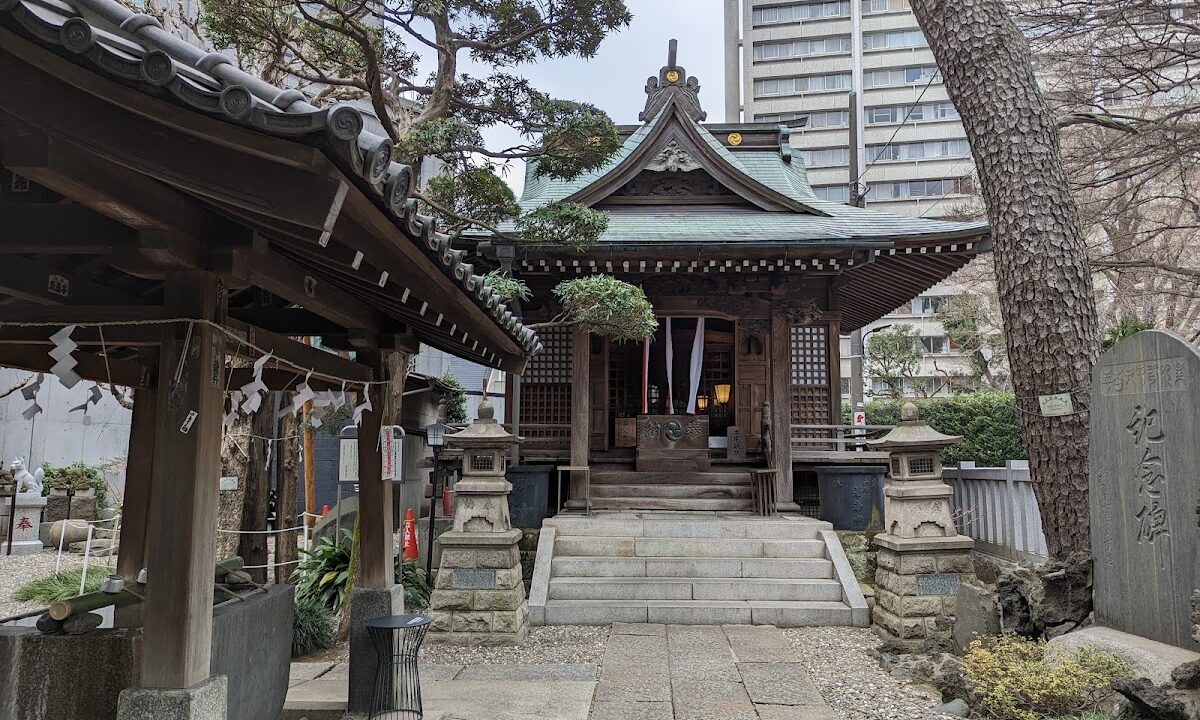
Complete Guide to Hiroo Inari Shrine (Minato Ward, Tokyo) | Visiting the Dragon Ceiling Painting and the History Associated with Tokugawa Hidetada
Located in Minami-Azabu, Minato Ward, Tokyo, Hiroo Inari Shrine is conveniently located just a 2-minute walk from Hiroo Station on the Tokyo Metro Hibiya Line. Despite its prime location, it boasts a history dating back to the Edo period and preserves valuable cultural assets. This article provides detailed information useful for visitors, including the history, highlights, goshuin (shrine stamp) information, and access methods.
History and Origins of Hiroo Inari Shrine
Established by Tokugawa Hidetada
The founding of Hiroo Inari Shrine dates back to the early Edo period. The second shogun, Tokugawa Hidetada, visited this area during a falconry expedition and stopped to rest, which became the impetus for the shrine’s establishment. At that time, the Hiroo area was a vast open field used as a falconry ground by the shogun’s family.
Tokugawa Hidetada was so impressed by the scenery of this area that he is said to have enshrined a分霊 (bunrei, a divided spirit) of Inari (the fox deity) here. This marked the beginning of Hiroo Inari Shrine. Later, the Shogun’s villa, Fujimi Goten, known as “Azabu Ohanabatake,” was built on this site, and Hiroo Inari Shrine became revered as its guardian deity.
The Popular Name of Haginame Inari
From the Edo period to the Taisho period, the Azabu-Hiroo area was known as a famous spot for hagi (bush clover). The area around Hiroo Inari Shrine, in particular, presented a beautiful landscape with hagi blooming profusely, almost licking the ground, earning it the popular name “Haginame Inari.”
This scenery was depicted in ukiyo-e prints and was a popular autumn leisure spot for the people of Edo. While urbanization has made it difficult to see the original landscape today, understanding the shrine’s history allows us to imagine the scenery of that time.
Origin of the Name Hiroo
There are several theories about the origin of the name Hiroo, but the most likely theory is that it originated from “Hirono” (広野), meaning “wide plain,” because this area was once a vast wilderness. Edo period maps and documents also show descriptions of “Hiroohara” (広尾原), suggesting that it was a vast open field stretching as far as the eye could see.
Deities and Blessings
Main Deity: Ukanomitama-no-kami
The main deity of Hiroo Inari Shrine is Ukanomitama-no-kami. Ukanomitama-no-kami is a representative Inari deity widely worshipped as the god of grain and business prosperity. As the name “Kura-Inari” (倉稲) suggests, this deity has been revered since ancient times as the god who presides over abundant harvests and the blessings of food.
Expected Benefits
The main benefits you can expect at Hiroo Inari Shrine are as follows:
- Business Prosperity: A representative benefit of Inari, you can pray for the development of your business and success in your commerce.
- Abundant Harvest: For those who wish for prosperity in agriculture and food-related work.
- Family Safety: Protection of family health and peaceful living.
- Good Fortune and Prosperity: Improvement of luck and the arrival of happiness.
- Protection from Evil: Warding off disasters and protecting yourself.
Especially as a shrine associated with the Tokugawa shogunate, many visitors come to pray for career advancement, good fortune, and success.
Highlights of the Shrine Grounds
Edo Period Worship Hall Architecture
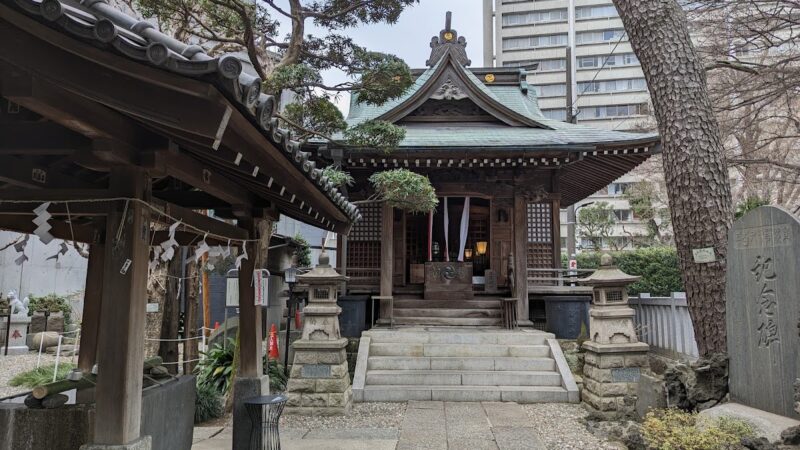
The worship hall of Hiroo Inari Shrine was built during the Edo period and is a valuable building that conveys a long history. Located in the heart of the city, the worship hall, which still retains its original appearance, combines the beauty of wooden architecture with historical value.
The structure of the main hall follows the typical style of Inari shrines, and Edo-period craftsmanship can be seen throughout, such as the vermilion-painted pillars and intricate carvings. When visiting, paying attention to the details of the building may lead to new discoveries.
Ceiling Painting (Ink Dragon Painting) by Takahashi Yuichi
The greatest highlight of Hiroo Inari Shrine is the ink dragon painting on the ceiling of the main hall. This ceiling painting is attributed to Takahashi Yuichi (1828-1894), known as the father of modern Western-style painting in Japan.
Takahashi Yuichi was a leading painter of the Meiji era and an important figure in art history as a pioneer in introducing Western painting techniques to Japan. This work, in which Takahashi Yuichi, known for his oil paintings, depicted a dragon in traditional ink painting, is extremely valuable.
The dragon painted on the ceiling is depicted with powerful brushstrokes, and has a sense of dynamism that makes it seem as if it could move at any moment. Dragons are revered as divine beasts that control water and as symbols of rising fortune, making them an unusual motif for ceiling paintings in Inari shrines. When visiting, be sure to look up at the ceiling and admire this precious work of art.
Main Shrine and Fox Statues
Behind the worship hall is the main shrine, where Ukanomitama-no-kami is enshrined. Fox statues, characteristic of Inari shrines, are also placed on the grounds, welcoming visitors as symbols of Inari faith.
Foxes are considered messengers of Inari, revered as beings that convey the will of the gods to people. The fox statues at Hiroo Inari Shrine also watch over visitors, telling the story of the long history of faith.
Atmosphere of the Shrine Grounds
Despite its central location just a two-minute walk from Hiroo Station, Hiroo Inari Shrine’s grounds are enveloped in a tranquil atmosphere. The surrounding area is a quiet residential neighborhood, close to Arisugawa-no-miya Memorial Park, offering a peaceful space that allows you to forget the hustle and bustle of the city.
The shrine grounds, though compact, are meticulously maintained, reflecting the care and affection the local community cherishes. When visiting, it’s recommended to take your time to fully appreciate the atmosphere of the grounds.
Cultural Properties
Cultural Value as a Minato Ward Cultural Property
Hiroo Inari Shrine preserves cultural properties of high historical and artistic value. The following cultural properties are particularly noteworthy:
Edo Period Worship Hall Architecture
The existing worship hall was built during the Edo period and is important as a valuable example of Edo-period shrine architecture remaining in the heart of Tokyo. Long-term maintenance has preserved its original appearance. It also possesses high technical value as a wooden structure and is a valuable resource for studying Edo-period architectural styles.
Ceiling Painting (Ink Dragon Painting) by Takahashi Yuichi
As mentioned above, the ink dragon painting on the ceiling of the worship hall is attributed to Takahashi Yuichi, considered the father of modern Western-style painting in Japan. While Takahashi Yuichi is primarily known for his oil paintings, this ink dragon painting is a valuable example of his versatile artistic talent. The depiction of the dragon is powerful and meticulously detailed, possessing high artistic merit. As a ceiling painting in a shrine by a Meiji-era artist, it is also historically interesting from an art history perspective.
Preservation and Public Access to Cultural Properties
Hiroo Inari Shrine appropriately preserves these cultural properties while making them available for visitors to appreciate. The ceiling painting, in particular, can be viewed from inside the main hall and freely appreciated during visits.
The balance between the protection and utilization of cultural properties, while also fulfilling the role of conveying local history, is a significant characteristic of Hiroo Inari Shrine.
Goshuin (Shrine Seal) Information
Features of the Goshuin
Hiroo Inari Shrine offers goshuin (shrine seals). The goshuin features the calligraphy of “Hiroo Inari Shrine” and the shrine’s seal. The simple yet powerful calligraphy of the goshuin makes it a popular memento for many visitors.
Goshuin (temple/shrine stamps) have become increasingly popular in recent years as proof of worship and a way to preserve a connection with the deities. The goshuin at Hiroo Inari Shrine also boasts a dignified design that reflects the shrine’s history and prestige.
How to Obtain a Goshuin
Goshuin can be obtained at the shrine office. However, as it is a small shrine, the office is not always open. If you want to be sure to receive a goshuin, it is recommended to check the visiting hours in advance.
Please note the following points regarding etiquette when obtaining a goshuin:
- Complete your prayers before receiving the goshuin.
- Prepare your goshuincho (stamp book) (if you don’t have one, you may be able to receive one on a separate sheet of paper).
- Prepare the offering (the amount to be paid).
- Request using polite language.
About Goshuincho
It is recommended to check during your visit whether Hiroo Inari Shrine offers its own original goshuincho. If you have a standard goshuincho (stamp book), you can have it stamped in it.
Access Information
Access by Train
Access to Hiroo Inari Shrine is very convenient.
Nearest Station: Tokyo Metro Hibiya Line “Hiroo Station”
- Approximately 2 minutes on foot from Hiroo Station Exit 1 or 2
- It’s very close to the station, so even first-time visitors can arrive without getting lost.
Directions from Hiroo Station
- Exit from Hiroo Station Exit 1
- Walk a short distance along Meiji-dori towards Ebisu
- Turn into the alley towards Arisugawa-no-miya Memorial Park
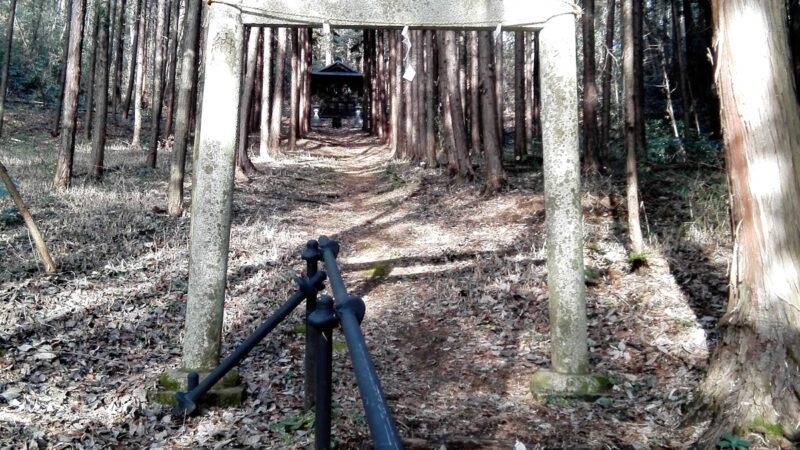
- You will see the torii gate of Hiroo Inari Shrine in the residential area.
Access by Other Transportation
- Toei Bus: Get off at “Hiroo Station” bus stop, 2 minutes on foot
- Taxi: Available from around Hiroo Station
Access by Car and Parking
Hiroo Inari Shrine does not have its own parking lot. If you are visiting by car, you will need to use the nearby coin-operated parking lots. However, parking fees in the Hiroo area are relatively high, and parking spaces are limited, so we recommend using public transportation.
Nearby Landmarks
- Arisugawa-no-miya Memorial Park: 3-minute walk
- Hiroo Shopping Street: 1-minute walk
- Tokyo Metropolitan Central Library: 5-minute walk
We recommend visiting Hiroo Inari Shrine when you visit these facilities.
Visiting Hours and Shrine Office Hours
Visiting Hours
The grounds of Hiroo Inari Shrine are generally open for worship 24 hours a day. However, when visiting at night, please be mindful of the surrounding residents and worship quietly.
Shrine Office Hours
If you wish to receive a Goshuin (shrine stamp) or other items, you will need to visit during the shrine office’s opening hours. Because it is a small shrine, the shrine office’s opening hours are limited.
- General opening hours: Approximately 9:00 AM to 5:00 PM (approximate)
- Since staff may be absent, we recommend checking in advance if you want to be sure to receive a Goshuin (temple/shrine stamp).
Recommended time to visit
Hiroo Inari Shrine can be visited throughout the year, but here are some particularly recommended times:
- Hatsumode (January 1st-3rd): A New Year’s visit to pray for a safe year ahead.
- Hatsuumasai (First Horse Day of February): An important festival day for Inari Shrines.
- Autumn Grand Festival: An important festival as part of the shrine’s annual events.
Nearby tourist spots
There are many tourist spots near Hiroo Inari Shrine that you might want to visit.
Arisugawa-no-miya Memorial Park
This metropolitan park is a 3-minute walk away and was developed on the former site of the Arisugawa-no-miya residence. The vast grounds include ponds and hills, allowing you to enjoy nature throughout the seasons. It’s an ideal spot for a stroll, an oasis in the heart of the city. ### Tokyo Metropolitan Central Library
Located within Arisugawa-no-miya Memorial Park, this metropolitan library boasts one of the largest collections in Tokyo. It’s a popular facility for reading and research in a quiet environment.
Hiroo Shopping Street
Around Hiroo Station, there’s a shopping street lined with stylish cafes, restaurants, and general stores. It’s convenient for meals and shopping after visiting the temple.
Tokyo Metropolitan Central Library
Located within Arisugawa-no-miya Memorial Park, this metropolitan library has one of the largest collections in Tokyo. It’s a popular facility for reading and research in a quiet environment. ### Nearby Shrines and Temples
- Azabu Hikawa Shrine: Approximately 15 minutes on foot, the guardian shrine of Azabu
- Tengenji Temple: Approximately 10 minutes on foot, an ancient temple in the Hiroo area
Basic Information on Hiroo Inari Shrine
Location and Contact Information
- Address: 4-5-61 Minami-Azabu, Minato-ku, Tokyo
- Nearest Station: 2 minutes on foot from Hiroo Station on the Tokyo Metro Hibiya Line
- Telephone Number: For inquiries from visitors, please check at the shrine office upon arrival.
Main Annual Events
- Hatsumode (First Shrine Visit of the Year): January 1st to 3rd
- Hatsuumasai (First Horse Day Festival): The first Horse Day of February
- Reitaisai (Annual Grand Festival): Once a year (Please check with the shrine for the exact date)
Items Available
At Hiroo Inari Shrine, you can receive the following items (may vary depending on the season and availability).
- Various Amulets
- Talismans
- Goshuin (Shrine Seals)
- Ema (Votive Tablets)
Manners and Etiquette for Visiting Shrines
Please observe basic manners for visiting shrines to ensure a pleasant experience.
How to Pass Through a Torii Gate
The torii gate is the entrance to the sacred area. Bow before passing through the gate and avoid walking in the center of the path (the center is considered the path of the gods).
Proper Ritual for Washing Hands
- Take the ladle with your right hand and wash your left hand.
- Switch the ladle to your left hand and wash your right hand.
- Switch the ladle back to your right hand, receive water in your left hand, and rinse your mouth.
- Wash your left hand again.
- Hold the ladle upright, let water flow over the handle, and return it to its original position.
Proper Ritual for Worship
- Place your offering in the offering box.
- If there is a bell, ring it.
- Perform two bows, two claps, and one bow (two deep bows, two claps, one deep bow).
- Silently express your gratitude to the gods and make your wishes.
Summary of the Charms of Hiroo Inari Shrine
Hiroo Inari Shrine is a valuable shrine located in the heart of Tokyo, yet it preserves the history from the Edo period. It boasts numerous attractions, including its connection to Tokugawa Hidetada, a ceiling painting of a dragon attributed to Takahashi Yuichi, and Edo-period architecture of the worship hall.
Its convenient location is one of its attractions; just a 2-minute walk from Hiroo Station, it’s popular with many visitors because it’s easy to visit. The surrounding area also includes Arisugawa-no-miya Memorial Park and Hiroo Shopping Street, making it ideal for a stroll.
Sacrificing time to quietly pray at this historic shrine, away from the hustle and bustle of the city, can be a refreshing break from daily life. When you visit the Hiroo area, why not stop by Hiroo Inari Shrine?
Frequently Asked Questions
Q1: Can I get a Goshuin (shrine stamp) at Hiroo Inari Shrine anytime?
A1: Hiroo Inari Shrine is a small shrine, so the shrine office is not always open. If you want to get a Goshuin, we recommend visiting during weekdays (around 9 AM to 5 PM). To be sure you can get a Goshuin, it’s a good idea to check the visiting hours in advance.
Q2: Is there a parking lot at Hiroo Inari Shrine?
A2: Hiroo Inari Shrine does not have its own parking lot. If you are visiting by car, you will need to use the nearby coin-operated parking lots. However, parking fees in the Hiroo area are high and parking spaces are limited, so we recommend using public transportation, taking advantage of the convenient access of being just a 2-minute walk from Hiroo Station on the Tokyo Metro Hibiya Line.
Q3: Can the ceiling painting of the dragon be seen at any time?
A3: The ink painting of the dragon on the ceiling of the main hall can be viewed by looking up from inside the hall when you visit. However, access to the interior of the main hall may be restricted, so please check for details when you visit. This ceiling painting is said to be the work of Takahashi Yuichi, the father of modern Western-style painting in Japan, and is one of the biggest highlights of Hiroo Inari Shrine.
Q4: What are the main blessings of Hiroo Inari Shrine?
A4: The main deity enshrined at Hiroo Inari Shrine is Ukanomitama-no-kami, and it is said to bring blessings such as business prosperity, abundant harvests, family safety, good fortune, and protection from evil. In particular, it is famous as an Inari shrine for its blessings of business prosperity, and many worshippers visit to pray for the development of their businesses and the success of their ventures. Also, because it is a shrine associated with the Tokugawa shogunate, it is popular with those wishing for career advancement and good fortune.
Q5: How long does it take to visit Hiroo Inari Shrine?
A5: Hiroo Inari Shrine has a compact grounds, so the visit itself can be completed in about 10-15 minutes. However, if you want to carefully appreciate the ceiling paintings or get a Goshuin (shrine stamp), it’s best to allow about 30 minutes. If you plan to visit the nearby Arisugawa-no-miya Memorial Park and Hiroo Shopping Street as well, allocating about half a day will allow you to enjoy a leisurely stroll.