Toyose Shrine (Ota Ward, Tokyo) Complete Guide | History, Goshuin (Shrine Seal), and Tamagawa Seven Lucky Gods Pilgrimage
Located in Yaguchi, Ota Ward, Tokyo, Toyose Shrine is a historic shrine dedicated to Nitta Yoshioki, a tragic warrior of the Nanboku-cho period, and his loyal retainers. It is also known as Bishamonten, one of the Tamagawa Seven Lucky Gods, and has been affectionately called “Jukki Myojin” by locals. This article provides a detailed introduction to Toyose Shrine, including its history, enshrined deities, goshuin (shrine seal), access methods, and its deep connection to Nitta Shrine.
Basic Information about Toyose Shrine
Official Name: Toyose Shrine
Former Name: Toki Shrine, Toki Myojin
Location: 2-17-28 Yaguchi, Ota-ku, Tokyo
Nearest Station: Approximately 8 minutes on foot from Musashi-Nitta Station on the Tokyu Tamagawa Line, approximately 10 minutes on foot from Yaguchi-Wataru Station
Deities Enshrined: Nitta Yoshioki-no-Mikoto and 10 of his retainers
Founded: Shohei 13 (1358)
Shrine Rank: Village Shrine
Annual Festival Date: October 10th
History and Origins of Toyose Shrine
The Tragedy of Lord Nitta Yoshioki and the Background of the Shrine’s Founding
To understand the history of Toyose Shrine, it is necessary to go back to the turbulent period of the Nanboku-cho era. On October 10, 1358 (Shohei 13), Nitta Yoshioki, a general of the Southern Court, was murdered at the Yaguchi ferry crossing on the Tama River while en route to Kamakura. This incident was the result of a treacherous plot by Edo Tōtōmi-no-kami and Takezawa Ukyō-no-suke, vassals of Ashikaga Takauji. Nitta Yoshioki and his retainers met a tragic end, being drowned in the Tama River.
After Nitta Yoshioki’s death, a series of inexplicable and bizarre incidents occurred around the Yaguchi ferry crossing. The villagers feared these were the work of the vengeful spirits of Yoshioki and his retainers, and to appease their spirits, they built a tomb and a shrine to honor their loyalty. This marked the beginning of the Jūyori Shrine.
Regarding the names “Jūyori” and “Jūki”
Initially, this shrine was called “Jūki Shrine” or “Jūki Myōjin.” This shrine originates from the fact that it enshrines the ten retainers (the Ten Horsemen) who died in battle alongside Lord Nitta Yoshioki. Later, the name “Jūyori Shrine” came into use, which is believed to embody the meaning of “ten loyal retainers gathering together.”
Locally, it is still affectionately known as “Jūki-sama” or “Jūki Myōjin,” and along with Nitta Shrine, it is a central place of worship in the Yaguchi region.
Deep Connection with Nitta Shrine
Approximately 500 meters north of Jūyori Shrine lies Nitta Shrine, whose main deity is Lord Nitta Yoshioki. Nitta Shrine is also said to have been founded in Shōhei 13 (1330), and the two shrines are closely related.
There is a local tradition that “if you visit Jūyori Shrine and then Nitta Shrine, your wishes will come true,” and many worshippers have the custom of visiting both shrines. This is meant to show respect to both Lord Nitta Yoshioki (Nitta Shrine) and his loyal retainers (Jūyori Shrine).
About the Enshrined Deity
Nitta Yoshioki-no-Mikoto
Nitta Yoshioki was a warrior of the Southern Court, known as the second son of Nitta Yoshisada, who overthrew the Kamakura Shogunate. After his father Yoshisada’s death, he fought for the Southern Court alongside his older brother Yoshiaki. Known for his exceptional bravery and strong sense of justice, he met a tragic end at the young age of 27 at the Yaguchi Ferry Crossing.
Ten Retainers
The names of the ten retainers who died in battle alongside Lord Nitta Yoshioki are said to be as follows:
- Yura Shinzaemon
- Hata Rokurozaemon
- Horiguchi Mino-no-kami
- Momoi Hayato
- Shinozuka Iga-no-kami
- Utsunomiya Mikawa-no-kami
- Odachi Samanosuke
- Eda Saburo
- Hagawa Dewa-no-kami
- Tanaka Chikuzen-no-kami
These loyal retainers are said to have protected their lord, Lord Yoshioki, to the very end and died in battle with him.
Bishamonten of the Tamagawa Seven Lucky Gods
Juyori Shrine is known as one of the shrines on the Tamagawa Seven Lucky Gods pilgrimage, and is also known as a shrine that enshrines Bishamonten.
What is the Tamagawa Seven Lucky Gods Pilgrimage?
The Tamagawa Seven Lucky Gods pilgrimage is a pilgrimage to seven temples and shrines scattered along the Tamagawa River in Ota Ward, Tokyo. It is a traditional event that has continued since the Edo period, and is especially crowded with worshippers during the New Year’s pilgrimage period.
Composition of the Tamagawa Seven Lucky Gods:
- Ebisu: Mitsuzoin Temple
- Daikokuten: Toki Shrine (or Nitta Shrine)
- Bishamonten: Toki Shrine
- Benzaiten: Genshoji Temple
- Fukurokuju: Onnazuka Shrine
- Jurojin: Zenkeiji Temple
- Hotei: Myoanji Temple
Meaning of Bishamonten
Bishamonten is one of the Four Heavenly Kings in Buddhism, a warrior god who protects the north. He is believed to bring good fortune in competitions, business prosperity, and protection from evil. It is believed that Bishamonten (Vaisravana) came to be enshrined at Toki Shrine because Lord Nitta Yoshioki was a samurai.
In the Seven Lucky Gods pilgrimage, you can collect red stamps on a special paper or pouch at each shrine and temple, and it is said that visiting all of them brings good fortune and prosperity.
Highlights of the Shrine Grounds
Shrine Buildings and Atmosphere
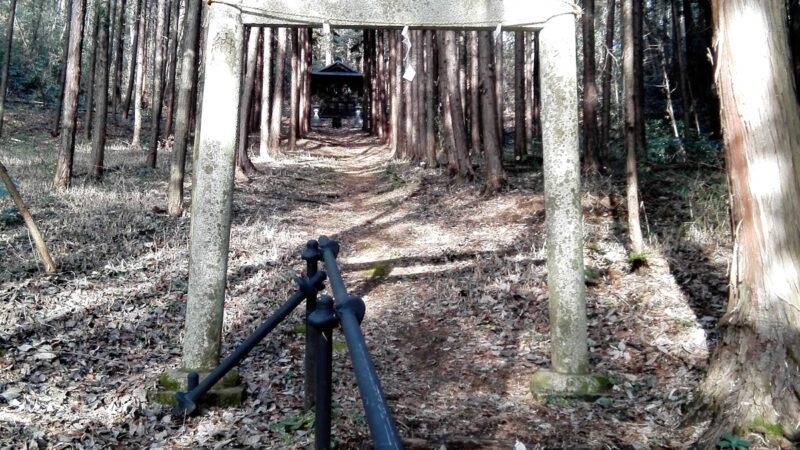
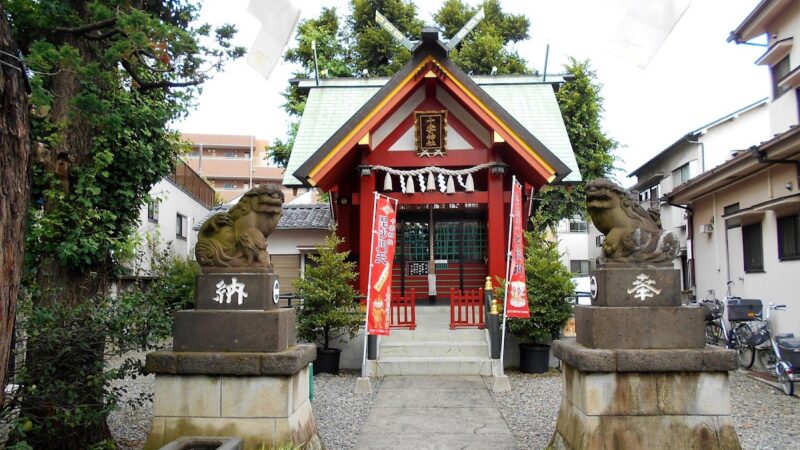
Toki Shrine is a quiet shrine nestled in a residential area. The grounds are not particularly large, but they are well-maintained and have a peaceful atmosphere. It is located near the Yaguchi Minami intersection, where Tokyo Metropolitan Road 11 (Tamazutsumi Street) intersects with the road in front of Nitta Shrine, making it easily accessible.
Main Hall and Worship Hall
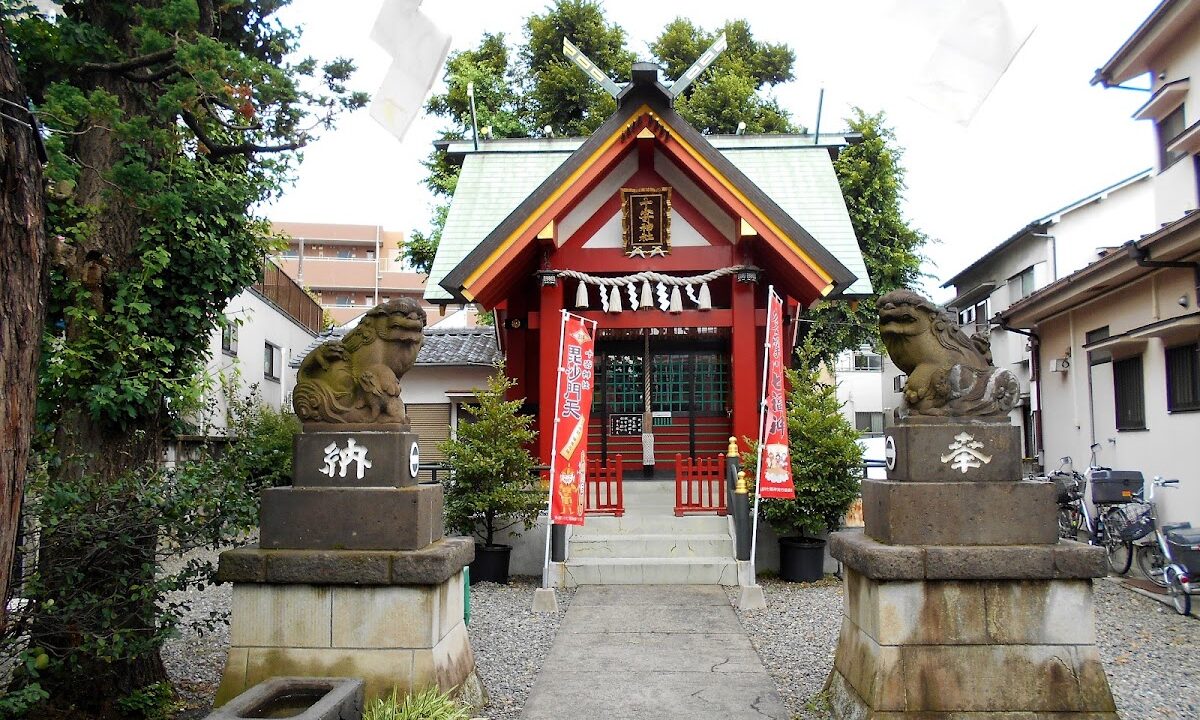
The current shrine buildings were rebuilt after the war. Their simple yet dignified design reflects respect for the enshrined deity. A donation box is placed in front of the worship hall, welcoming visitors.
Stone Monuments and Historical Records
Within the shrine grounds, there are stone monuments and information boards detailing the history of Toki Shrine, allowing visitors to learn about the shrine’s origins. Learning about the story of Nitta Yoshioki and his retainers will deepen your pilgrimage experience.
Komainu and Torii Gate
At the entrance to the shrine grounds are a torii gate and a pair of komainu (guardian lion-dogs). The komainu are relatively new, but they stand proudly, watching over visitors.
About Goshuin (Shrine Seals)
Issuance of Goshuin
Goshuin (shrine seals) are available at Toki Shrine. However, since there may not always be a resident priest, it is recommended to check in advance.
The goshuin will have the shrine’s name, “Toki Shrine,” and the date of visit written in ink, and will bear the shrine’s seal. During the Tamagawa Seven Lucky Gods pilgrimage period (mainly around New Year’s), you may also be able to receive a Bishamonten (Vaisravana) seal.
Points to Note When Receiving a Goshuin (Shrine/Temple Stamp)
- A Goshuin is proof of your visit, so be sure to pray before receiving it.
- It is recommended to bring your Goshuincho (stamp book).
- As staff may be absent, it is recommended to visit with plenty of time to spare.
- Nitta Shrine may also offer Goshuin for Toki Shrine.
Tamagawa Seven Lucky Gods Shikishi (decorative paper) and Drawstring Bag
On the Tamagawa Seven Lucky Gods pilgrimage, you can collect the stamps from each shrine and temple on special shikishi (decorative paper) and drawstring bags. These can be purchased at each shrine and temple, and it is believed that collecting all the stamps brings good fortune and prosperity.
Access and Transportation Information
Access by Train
From Musashi-Nitta Station on the Tokyu Tamagawa Line:
- Approximately 8 minutes on foot from Exit 1
- Exit the station and head straight south, then turn left onto Tamazutsumi Street
- Near the Yaguchi-Minami intersection, you will see the shrine on your left.
From Yaguchi-Wataru Station on the Tokyu Tamagawa Line:
- Approximately 10 minutes on foot
- Exit the station and head north, then turn right onto Tamazutsumi Street
- Near the Yaguchi-Minami intersection, the shrine will be on your right.
Access by Bus
All Tokyu Bus and Keihin Kyuko Bus routes are available. Get off at the “Yaguchi” bus stop and it’s approximately a 3-minute walk.
Access by Car
If using the Metropolitan Expressway, the nearest exits are “Haneda Exit” or “Oi Exit.” However, there is no dedicated parking lot for the shrine, so please use nearby coin-operated parking lots.
Map and Landmarks
Juyori Shrine is located along Tokyo Metropolitan Road No. 11 (Tamazutsumi Street). It is approximately 500 meters south of Nitta Shrine, about a 7-minute walk. The Yaguchi Minami intersection is a landmark.
Benefits and Divine Virtues of Visiting
Main Benefits
Juyori Shrine is believed to offer the following benefits:
- Long-lasting Military Fortune: Because Nitta Yoshioki was a military commander
- Loyalty and Gratitude: From the spirit of the loyal retainers who served their lord faithfully
- Protection from Evil and Disaster: The divine virtue of Bishamonten
- Good Fortune in Competition: Due to its nature as a god of war
- Business Prosperity: As one of the Seven Lucky Gods
Visiting Both Nitta Shrine and Juyori Shrine
As mentioned above, there is a tradition that wishes will be granted by visiting both Juyori Shrine and Nitta Shrine. This signifies “paying respect to both the lord and the vassal,” and is particularly popular among worshippers praying for success in work and harmonious relationships.
The recommended order of worship is to first visit the Toki Shrine (vassal), and then the Nitta Shrine (lord).
Annual Events and Festivals
Annual Festival (October 10th)
The annual festival of Toki Shrine is held on October 10th, the day Lord Nitta Yoshioki was killed in battle. On this day, a Shinto ritual is performed to comfort the spirits of Lord Yoshioki and his retainers and to praise their loyalty.
Tamagawa Seven Lucky Gods Pilgrimage (New Year’s)
Every year during the New Year’s period, the Tamagawa Seven Lucky Gods Pilgrimage is held with great fanfare. During this period, many worshippers visit, and the shrines and temples are bustling with people seeking Goshuin (stamped seals) and Shikishi (decorative paper). Special offerings may also be available at each shrine and temple.
Nearby Attractions and Related Spots
Nitta Shrine
Located about a 7-minute walk from Toki Shrine, Nitta Shrine is dedicated to Lord Nitta Yoshioki. It is also known as the birthplace of the “Hama-ya” (demon-repelling arrow), and the shrine grounds contain many historical sites related to Lord Nitta Yoshioki. Visiting both Toki Shrine and Nitta Shrine is recommended.
Yaguchi Ferry Crossing Site
Along the Tama River lies the site of the “Yaguchi Ferry Crossing,” where Lord Nitta Yoshioki was assassinated. A monument now stands there, allowing visitors to reflect on the history.
Tamagawadai Park
This park, rich in nature along the Tama River, features ancient burial mounds and an observation deck. It’s perfect for a stroll after visiting the shrine.
Other Temples and Shrines of the Tamagawa Seven Lucky Gods
If you want to complete the Tamagawa Seven Lucky Gods pilgrimage, consider visiting other temples and shrines. Each has its own unique characteristics, making for a fulfilling pilgrimage experience.
Shrine Visit Manners and Precautions
Basic Shrine Visit Etiquette
- Bow before passing through the torii gate.
- Purify your body and mind at the water basin (if available).
- Bow twice, clap twice, and bow once in front of the main hall.
- Bow once before leaving the torii gate after praying.
Photography
Photography is generally permitted on the shrine grounds, but please observe the following points:
- Refrain from taking photos inside the main hall.
- Be considerate of other worshippers.
- Refrain from using flash photography.
- When posting on social media, use respectful language.
Visiting Hours
Juyori Shrine is generally open 24 hours a day for worship, but as it is located in a residential area, consideration for the surroundings is necessary when visiting early in the morning or late at night. If you wish to receive a Goshuin (shrine stamp), daytime visits are recommended.
The Charm and Worth of Visiting Toki Shrine
Toki Shrine, though not large in scale, is a precious shrine that conveys the historical romance of the Nanboku-cho period and a story that resonates with the Japanese heart: loyalty to one’s lord.
The story of Nitta Yoshioki and his retainers is not merely a historical anecdote, but teaches us universal values such as “loyalty,” “sincerity,” and “the bonds of friendship” even in modern times.
Toki Shrine is a beloved shrine for many visitors, as one of the Tamagawa Seven Lucky Gods and a place to visit both Nitta Shrine and Toki Shrine. When you visit Ota Ward in Tokyo, why not pay a visit?
Standing quietly in a residential area, this shrine offers a precious moment of reflection on history and peaceful worship, a welcome escape from the hustle and bustle of everyday life.
Summary
Toki Shrine (Yaguchi, Ota Ward, Tokyo) is a historical shrine dedicated to Nitta Yoshioki, a tragic warrior of the Nanboku-cho period, and his ten loyal retainers. Since its founding in 1358, it has been affectionately known as “Jukki Myojin” by the local people.
As the Bishamonten of the Tamagawa Seven Lucky Gods, and as a place to visit both this shrine and Nitta Shrine, it attracts many worshippers. Its convenient location, approximately an 8-minute walk from Musashi-Nitta Station, is also a major draw.
You can also receive a Goshuin (shrine stamp), and it is especially bustling with visitors during the Tamagawa Seven Lucky Gods pilgrimage in the New Year. Jukki Shrine, where you can learn about the story of Lord Nitta Yoshioki and experience his spirit of loyalty, is recommended not only for history buffs but also for anyone seeking peace of mind.