Tsurumaki Shrine (Setagaya Ward, Tokyo) Complete Guide | Goshuin (Shrine Seal), History, and Access Information
Tsurumaki Shrine, located in Tsurumaki, Setagaya Ward, Tokyo, is a local guardian shrine established as a result of the Meiji-era shrine consolidation policy. This article comprehensively introduces information you should know before visiting Tsurumaki Shrine, from its historical background and goshuin (shrine seal) information to detailed access methods and highlights within the shrine grounds.
Basic Information on Tsurumaki Shrine
Tsurumaki Shrine is located at 3-18-22 Tsurumaki, Setagaya Ward, Tokyo, and is cherished by local residents as the guardian deity of the Tsurumaki area.
Location: 3-18-22 Tsurumaki, Setagaya-ku, Tokyo
Nearest Station: Sakurashinmachi Station, Tokyu Den-en-toshi Line
Deities Enshrined:
- Ukanomitama-no-kami
- Emperor Ojin
- Sugawara no Michizane
Annual Grand Festival: Third Sunday of October
A distinctive feature of Tsurumaki Shrine is that it enshrines three deities with distinct characteristics. Ukanomitama-no-kami is worshipped as the god of abundant harvests and business prosperity, Emperor Ojin as the god of military fortune and victory, and Sugawara no Michizane as the god of learning and literature. The shrine is known for fulfilling a variety of wishes.
History of Tsurumaki Shrine
Meiji Era Shrine Consolidation Policy and Founding
The history of Tsurumaki Shrine dates back to the Meiji era’s shrine consolidation policy. In 1908 (Meiji 41), under the government’s law for the consolidation of small shrines, several small shrines scattered throughout the Tsurumaki area were merged.
At that time, the following three shrines existed in the area:
- Inari Shrine: A shrine dedicated to Ukanomitama-no-kami
- Hachiman Shrine: A shrine dedicated to Emperor Ojin
- Mukoten Shrine: A shrine dedicated to Sugawara no Michizane
The Meiji government was promoting the consolidation of small shrines nationwide, and in the Tsurumaki area, the three shrines were merged in accordance with this policy. The Inari Shrine was merged with the Hachiman Shrine and Mukoten Shrine, and in 1916 (Taisho 5), it was moved to its current location and officially established as Tsurumaki Shrine.
A History of Over 100 Years Walking Together with the Community
Since its relocation in 1916 (Taisho 5), Tsurumaki Shrine has served as the guardian shrine of the Tsurumaki area in Setagaya Ward, and has been the center of faith for the local residents. Even as times have changed from the Showa to the Heisei and Reiwa eras, it continues to play its role as a spiritual pillar of the local community.
Despite being located in a residential area, the shrine grounds maintain a quiet atmosphere, characterized by a tranquil ambiance that makes you forget the hustle and bustle of the city. In recent years, with the rise of the Goshuin (shrine stamp) boom, the shrine began offering Goshuin in 2017, leading to an increase in visitors from outside the area.
Goshuin and Goshuincho Information
About the Issuance of Goshuin
Tsurumaki Shrine began offering Goshuin in 2017 (Heisei 29). Approximately 100 years after its relocation in Taisho 5 (1916), the start of Goshuin issuance, in response to the needs of modern visitors, marks a new chapter in the shrine’s history.
Features of the Goshuin:
- The name of the shrine, “Tsurumaki Shrine,” is written in ink.
- The shrine’s seal.
- The date of visit is recorded.
Goshuin are issued at the shrine office, but they are not always available, so it is recommended to check in advance. Especially on weekdays and during early mornings and evenings, the shrine staff may be absent. Therefore, if you definitely want to receive a Goshuin (shrine stamp), it’s best to visit on festival days such as the annual grand festival or on weekends.
Etiquette for Receiving a Goshuin
A Goshuin is not merely a stamp; it is a token of your worship. Please observe the following etiquette when receiving one:
- First, worship at the main shrine before receiving your Goshuin.
- Prepare your Goshuincho (stamp book) and request it politely.
- Prepare the offering in small change (generally around 300-500 yen).
- Wait quietly while the stamp is being written.
- Express your gratitude after receiving the stamp.
Detailed Access Information
Access by Train
Tsurumaki Shrine is accessible from several stations, but the most convenient is Sakurashinmachi Station on the Tokyu Den-en-toshi Line.
From Sakurashinmachi Station:
- Approximately 8 minutes on foot (approx. 550m) from the north exit of Sakurashinmachi Station on the Tokyu Den-en-toshi Line.
- Head north from the station and you will arrive after passing through the residential area.
- Estimated time: Approximately 8-10 minutes on foot.
From Setagaya Station/Kamimachi Station:
- Approximately 10-12 minutes on foot from Setagaya Station or Kamimachi Station on the Tokyu Setagaya Line.
- Located almost midway between Sakurashinmachi Station and the Setagaya Line station.
From Yoga Station:
- Approximately 15 minutes on foot from Yoga Station on the Tokyu Den-en-toshi Line.
- Due to the distance, using Sakurashinmachi Station is recommended.
Access by Car and Parking Information
Tsurumaki Shrine does not have its own parking lot. If you are visiting by car, please note the following:
- Street parking is strictly prohibited as the area around the shrine is a residential area.
- Use nearby coin-operated parking lots.
- There are several coin-operated parking lots around Sakurashinmachi Station.
- During festivals such as the annual grand festival, the area becomes particularly crowded, so using public transportation is recommended.
According to visitor posts, there are many inquiries about parking, so it is generally recommended to plan your visit by train.
Access by Bus
Tokyu Bus and Odakyu Bus routes pass nearby, with the “Tsurumaki” bus stop or “Tsurumaki Bus Depot” bus stop being the closest. However, walking from the station is easier, so using the train is recommended for first-time visitors.
Highlights of the Shrine Grounds
Main Hall and Worship Hall
The main hall of Tsurumaki Shrine is built in the traditional wooden shrine architectural style. Although not large in scale, it is carefully maintained, and its appearance reflects the faith of the local people.
At the worship hall, you can pay your respects to the three enshrined deities. Many worshippers visit the shrine seeking various blessings, including abundant harvests, business prosperity, academic success, and lasting military fortune.
Atmosphere of the Shrine Grounds
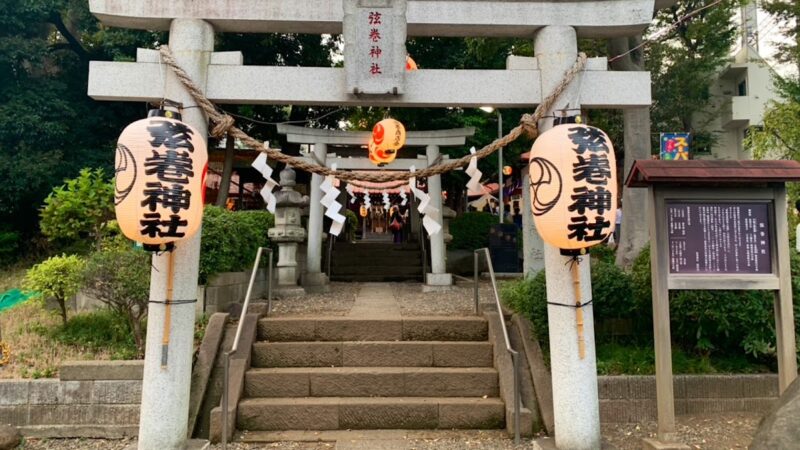
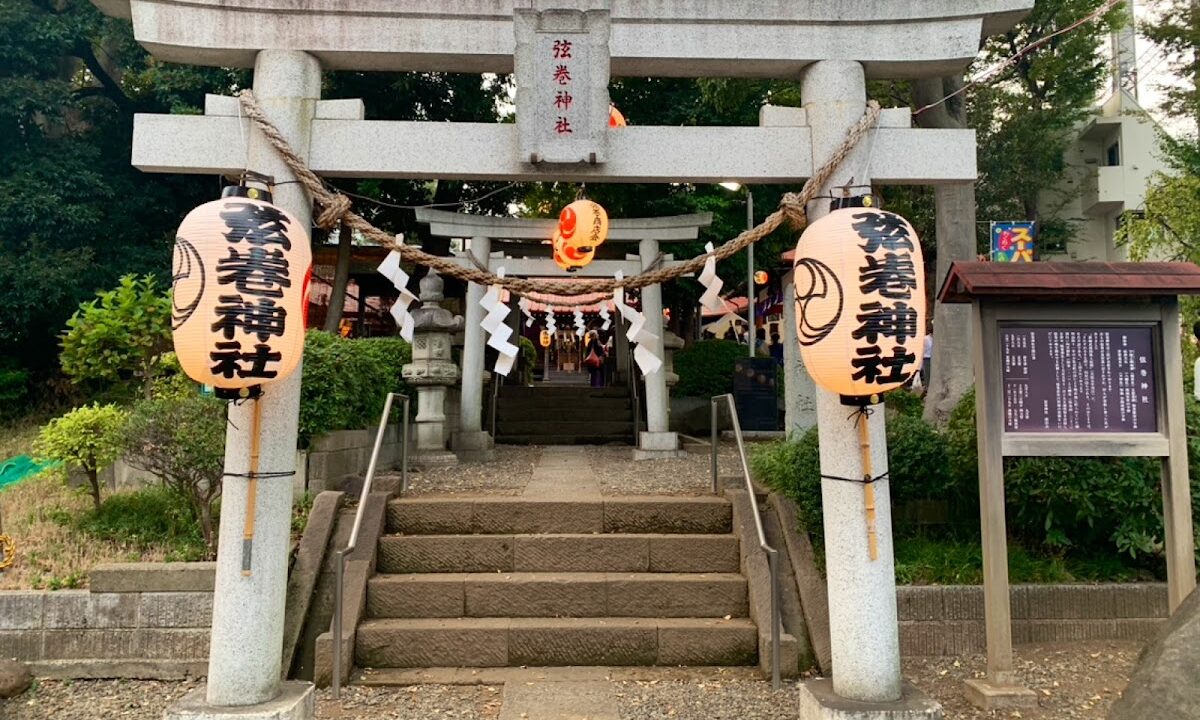
Despite being located in a residential area of Setagaya Ward, Tsurumaki Shrine exudes a tranquil atmosphere. Trees are planted throughout the grounds, creating a small oasis in the city.
According to photos posted by worshippers, the grounds are meticulously clean and clearly cared for by the local community. The morning hours, in particular, are quiet, providing a peaceful environment for worship.
Architectural Style of the Shrine
The shrine building, constructed during the relocation in 1916 (Taisho 5), retains the characteristics of traditional shrine architecture from that period. Although small in scale, the meticulous attention to detail allows one to appreciate the beauty of traditional Japanese architecture.
Annual Events and the Grand Festival
Grand Festival (Third Sunday of October)
The most important festival at Tsurumaki Shrine is the Grand Festival, held every year on the third Sunday of October. On this day, local parishioners gather, and the shrine is at its most lively.
The following events take place during the Grand Festival:
- Shinto rituals (ceremonies)
- Mikoshi procession (scale varies each year)
- Dedicatory events by local residents
- Events within the shrine grounds
On the day of the Grand Festival, the usually quiet shrine grounds are filled with energy, offering a valuable opportunity to feel the unity of the local community. It’s also a recommended day for those who wish to receive a Goshuin (shrine stamp), as you are guaranteed to receive one.
Other Annual Events
In addition to the annual festival, Tsurumaki Shrine holds the following annual events:
- Hatsumode (January 1st-3rd): New Year’s visit
- Setsubun Festival (around February 3rd): Events such as bean-throwing
- Natsukoshi no Oharae (June 30th): A Shinto ritual to purify oneself of the impurities accumulated over the past six months
- Shichi-Go-San (November): A visit to celebrate the growth of children
- Toshikoshi no Oharae (December 31st): A Shinto ritual to purify oneself of the impurities accumulated over the past year
For details on these events, please contact the shrine directly or check local bulletin boards.
Deities and Blessings
Ukanomitama-no-kami
A central deity in Inari worship, revered since ancient times as the god who presides over food and grains.
Main Benefits:
- Abundant harvest
- Business prosperity
- Industrial development
- Family safety
In modern times, this deity is particularly revered as a god of business prosperity, and is deeply worshipped by business owners and shopkeepers.
Emperor Ōjin
Known as the 15th Emperor, he is a central deity in Hachiman worship. He has been revered as a god of war.
Main Benefits:
- Long-lasting military fortune
- Improved luck in competitions
- Protection from evil
- National peace
He is worshipped by people participating in sports and competitions, and those facing difficulties.
Sugawara no Michizane
A scholar and politician of the Heian period, he is worshipped nationwide as the god of learning.
Main Benefits:
- Academic Success
- Passing Exams
- Improvement in Literary Arts
- Improvement in Calligraphy
This shrine is frequently visited by students, exam takers, and those dedicated to their studies.
Nearby Attractions and Recommended Spots
Around Sakurashinmachi Station
The area around Sakurashinmachi Station, the nearest station to Tsurumaki Shrine, is known as a place associated with Machiko Hasegawa, the creator of “Sazae-san.”
- Sazae-san Street: A shopping street leading from the station, dotted with statues of Sazae-san characters.
- Hasegawa Machiko Museum: A museum within walking distance.
- Sakurashinmachi Shopping Street: A row of shops rooted in the local community.
Nearby Shrines and Temples
Several other shrines and temples are scattered around Tsurumaki Shrine, allowing visitors to enjoy a shrine tour:
- Komadome Hachiman Shrine: A historic Hachiman shrine located in Kamiuma, Setagaya Ward.
- Setagaya Hachiman Shrine: The guardian shrine of Miyasaka, Setagaya Ward.
- Gotokuji Temple: A temple famous as the birthplace of the Maneki-neko (beckoning cat).
Visiting these shrines and temples together will allow you to gain a deeper understanding of the history and culture of Setagaya Ward.
Characteristics of the Surrounding Area
The Tsurumaki area is known as a quiet residential area within Setagaya Ward. While there are no large commercial facilities, you can enjoy a stroll in a peaceful atmosphere.
Nearby, there are lush green parks such as Baji Koen (Equestrian Park) and Komazawa Olympic Park, making them ideal spots for a stroll after visiting the shrine.
Manners and Etiquette for Visiting a Shrine
Basic Etiquette for Visiting a Shrine
When visiting Tsurumaki Shrine, please observe the following basic etiquette:
- Bow before the Torii Gate: Bow before entering the shrine grounds.
- Purify yourself at the Water Basin: Purify your hands and mouth before praying.
- Two Bows, Two Claps, One Bow: Pray before the shrine using the “two bows, two claps, one bow” method.
- Offer your offering carefully: Place it gently, do not throw it.
- Bow upon leaving: Turn around and bow when leaving the Torii gate.
Appropriate Attire for Visiting a Shrine
While everyday clothes are acceptable, please consider the following:
- Wear clean clothing.
- Avoid overly revealing clothing.
- Formal attire is preferable if receiving a formal prayer.
Photography Etiquette
Photography is permitted on the grounds of Tsurumaki Shrine, but please observe the following etiquette:
- Refrain from taking photos inside the main hall.
- Be considerate of other worshippers.
- Refrain from taking photos during religious ceremonies.
- When posting on social media, be mindful of information that could identify the location.
The Charm and Characteristics of Tsurumaki Shrine
A Community-Based Shrine
The greatest charm of Tsurumaki Shrine is its warm, community-oriented atmosphere. Unlike large-scale tourist shrines, it functions as a place of daily worship for local residents, and its simple appearance attracts many worshippers.
Diverse Blessings from Three Deities
Because three different faiths—Inari, Hachiman, and Tenjin—are combined in one shrine, it is characterized by its ability to address a variety of wishes, such as business prosperity, good fortune in competitions, and academic success. The ability to receive multiple blessings in a single visit is a unique charm of Tsurumaki Shrine, born from the combined enshrinement of these deities.
A Quiet Space in the City
Despite its location in Setagaya Ward, close to the city center, the shrine grounds maintain a quiet and peaceful atmosphere. It is a place to escape the hustle and bustle of everyday life and find peace of mind, cherished not only by local residents but also by visitors from afar.
Contact Information
Inquiries about Tsurumaki Shrine can be made by visiting the shrine directly or through the Setagaya Ward shrine-related contact point.
Location: 3-18-22 Tsurumaki, Setagaya-ku, Tokyo
It is recommended to check in advance for information regarding the hours for receiving Goshuin (shrine stamps) and details of festivals. Especially for visitors from afar, gathering information beforehand is crucial to ensure you receive a Goshuin.
Summary: Key Points for Visiting Tsurumaki Shrine
Tsurumaki Shrine has a history dating back to the Meiji era’s shrine consolidation policy, and continues to function as a central hub of local faith today.
Points to Note When Visiting:
- Conveniently located an 8-minute walk from Sakurashinmachi Station
- Goshuin (temple/shrine stamp) issuance began in 2017
- Diverse blessings from the three enshrined deities
- The annual festival is held on the third Sunday of October
- Public transportation is recommended as there is no parking available
- A peaceful atmosphere in a quiet residential area
When visiting shrines in Setagaya Ward or strolling around Sakurashinmachi, be sure to visit Tsurumaki Shrine. You will feel the warmth and tranquility unique to a community-based shrine, unlike large tourist shrines.
For first-time visitors, we recommend checking the access from Sakurashinmachi Station and visiting with plenty of time to spare. If you wish to receive a Goshuin, visiting on the day of the annual festival or on weekends is recommended. When visiting, please observe basic manners and pray quietly and sincerely.