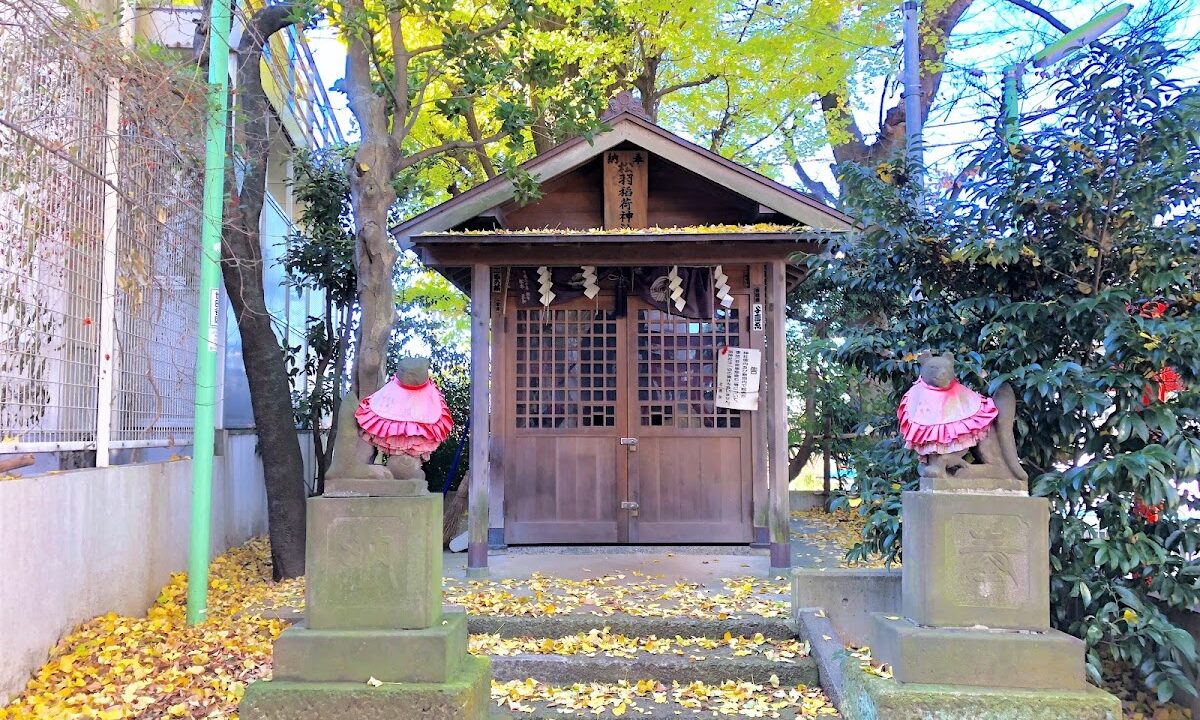
Matsuba Inari Shrine (Setagaya Ward, Tokyo) Complete Guide | History, Access, and Visiting Information
Nearby nestled in a quiet residential area of Matsubara, Setagaya Ward, Tokyo, lies a small Inari shrine situated near Hanegi Park. Its lush grounds offer a tranquil escape from the hustle and bustle of the city, making it a beloved sanctuary for locals. This article comprehensively covers everything you need to know before visiting, from the shrine’s history and enshrined deities to visiting methods, access information, and nearby attractions.
Basic Information on Matsuba Inari Shrine
Location and Contact Information
Location: 6-9-19 Matsubara, Setagaya-ku, Tokyo 156-0043
Matsuba Inari Shrine is located in the Matsubara district of Setagaya Ward, west of Hanegi Park. Despite being in a residential area, it maintains a peaceful atmosphere surrounded by trees, offering solace to visitors.
Deity Enshrined
Ukanomitama-no-kami
The enshrined deity is Ukanomitama-no-kami, widely worshipped as Inari-sama. Also known as Ukanomitama-no-mikoto, this deity is believed to bring blessings such as abundant harvests, business prosperity, and family safety. Inari worship is widespread throughout Japan, and has attracted particularly strong devotion from those involved in agriculture and commerce.
Annual Festival Date
August 23rd
The annual festival is held every year on August 23rd. Local parishioners and devotees gather, and it is solemnly celebrated as the most important festival of the year for the shrine.
History and Origins of Matsuba Inari Shrine
Circumstances of Founding
The exact founding date of Matsuba Inari Shrine is unknown, but records confirm that it was already enshrined in this location during the Edo period. At the time, it was affectionately known as “Hanegi’s Inari Shrine” by the local people.
Relationship with Place Name
The name of the shrine, “Matsuba,” is thought to originate from its location on the border between Matsubara and Hanegi. A strong theory suggests that the name “Matsuba” was derived from the characters “Matsu” (pine) and “Hane” (feather) from both areas. This naming reflects the shrine’s history as a connecting point between the two regions.
Relationship with Hanegi Shrine
Records from the Edo period show that the annual festival of the Hanegi district was held alternately by the nearby Hanegi Shrine. This indicates that both shrines played an important role as centers of local faith. Even today, both shrines remain valuable cultural heritage sites of Setagaya Ward, supporting the region’s identity.
Changes Since the Modern Era
Despite the Meiji-era shrine consolidation policy and the post-war wave of urbanization, Matsuba Inari Shrine has been preserved through the faith of the local people. While the surrounding area has developed into a residential area, the green space within the shrine grounds has been preserved as a valuable natural space, and remains so to this day.
Highlights of the Shrine Grounds
Atmosphere of the Shrine Grounds
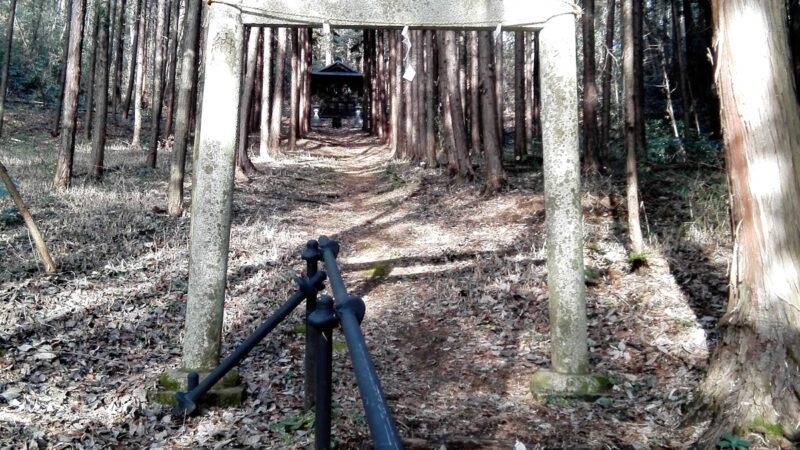
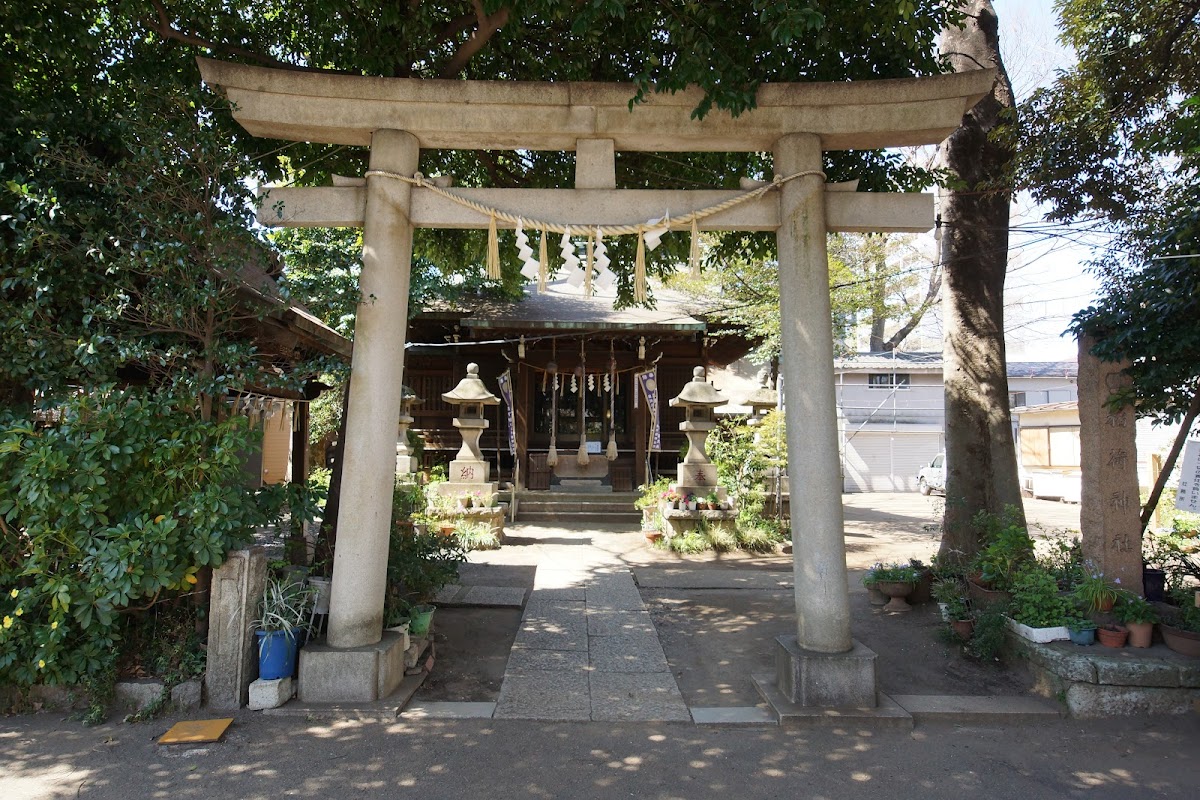
Despite being located in a residential area, the grounds of Matsuba Inari Shrine are enveloped in lush greenery. Visitors sometimes describe it as a “small park like an empty lot” or “a surprisingly open space,” but this simplicity is precisely the charm of the shrine.
The grounds, bathed in dappled sunlight, offer a quiet space that makes you forget the hustle and bustle of the city. As you proceed along the path, passing through the natural tunnel created by the tall trees, you will feel your mind calming down.
Shrine Building
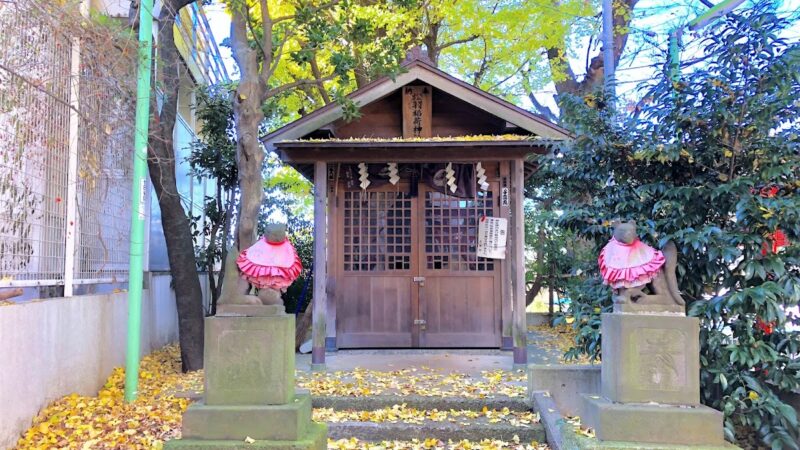
A small but carefully maintained shrine building stands proudly. The vermilion elements characteristic of Inari shrines are visible, conveying how it has been cherished and protected by the faith of the local people.
Trees and Natural Environment
The trees surrounding the shrine grounds form a valuable green space in an urban area. The trees, displaying different appearances with each season, allow visitors to feel the changing seasons. Especially during the seasons of fresh greenery and autumn leaves, you can enjoy the beautiful natural scenery.
How to Worship and Manners
Basic Worship Etiquette
- Bow Before Passing Through the Torii Gate: Before entering the shrine grounds, bow before the torii gate.
- Walking Along the Path: The center of the path is considered the path of the gods, so walk along the sides.
- Watering Procedure: If there is a watering basin, cleanse your left hand, then your right hand, and rinse your mouth.
- Worship at the Main Hall: Worship using the two bows, two claps, and one bow ritual.
Visiting Hours
Matsuba Inari Shrine is generally open for worship at any time. However, as it is located in a residential area, consideration for neighbors is necessary when visiting early in the morning or late at night. Visiting during daylight hours is recommended.
Regarding Photography
Photography is generally permitted on the shrine grounds, but please be considerate of other visitors. It is also important to remember that this is a sacred place and to photograph with respect.
Access Information
Access from the Nearest Station
Matsuba Inari Shrine is accessible from several stations.
From Higashi-Matsubara Station on the Keio Inokashira Line
- Distance: Approximately 310m (straight line)
- Estimated Time: Approximately 4-7 minutes on foot
- Route: Exit the west exit, go through the residential area, and head towards Hanegi Park.
Higashi-Matsubara Station is the closest station and offers convenient access.
From Odakyu Odawara Line “Umegaoka Station”
- Distance: Approximately 460m (straight line)
- Time Required: Approximately 5-11 minutes on foot
- Route: Walk from the station towards Hanegi Park, then head to the west side of the park.
The route via Hanegi Park from Umegaoka Station is the easiest to follow.
From Keio Inokashira Line “Shindaita Station”
- Distance: Approximately 720m (straight line)
- Time Required: Approximately 9 minutes on foot
Although it’s a bit of a distance, you can enjoy a stroll along the way.
Access by Car
There is no dedicated parking lot for the shrine. Since it is located in a residential area, we recommend using public transportation. If you must visit by car, please use a nearby coin parking lot and avoid street parking in the residential area.
Landmarks
Hanegi Park is the easiest landmark to find. There is a shrine on the west side of the park, near the border with the residential area. The park is also known as a famous spot for plum blossoms, and is bustling with many people from February to March.
Nearby Attractions and Tourist Spots
Hanegi Park
This is a vast park located right next to Matsuba Inari Shrine. Approximately 60 varieties and 650 plum trees are planted here, and the “Setagaya Plum Blossom Festival” is held here every year from February to March. Even outside of plum blossom season, the lush green park is perfect for strolls and picnics.
Hanegi Shrine
This shrine is located within Hanegi Park and has historical ties to Matsuba Inari Shrine. Visiting both shrines will give you a deeper understanding of the history of faith in this area.
Shimokitazawa Area
Within walking distance of Matsuba Inari Shrine is Shimokitazawa, known as a hub of youth culture. It’s home to unique vintage clothing stores, live music venues, cafes, and theaters, offering a distinctive atmosphere. Enjoying a stroll through the town in conjunction with your shrine visit is highly recommended. ### Around Setagaya-Daita Station
The area around Setagaya-Daita Station, which has seen significant development in recent years, is seeing an increase in stylish cafes and bakeries. Why not stop by for a break after your visit to the shrine?
The Charm of Matsuba Inari Shrine
Tranquility in the City
The greatest charm of Matsuba Inari Shrine is that it maintains a tranquil space despite being located in a residential area. It is a precious place where you can escape the hustle and bustle of Tokyo and find peace of mind in just a few minutes, and is loved not only by locals but also by many visitors.
Faith Rooted in the Community
Although not a large shrine, it has a history of being carefully preserved by the faith of the local people. This simplicity and warmth resonates with the hearts of visitors.
A Lush Green Environment
As a valuable green space in an urban area, the trees on the shrine grounds play an important role. Visiting the shrine amidst the dappled sunlight will be a refreshing experience for both mind and body.
As part of a walking course
By combining this with Hanegi Park and the Shimokitazawa area, you can create a fulfilling walking course. The ability to enjoy shrine visits, park strolls, and city walks all in one day is a unique charm of this area.
Points to note when visiting
Consideration for the residential area
Since the shrine is located in a residential area, consideration for nearby residents is necessary when visiting. Please avoid loud conversations and noise, and pray quietly.
Maintenance of the shrine grounds
As it is a small shrine, the cleaning and maintenance of the grounds are carried out with the cooperation of local residents. Please be sure to take your trash with you and be mindful not to litter the grounds.
Visiting hours
There are no specific opening or closing times, but it is recommended to avoid visiting early in the morning or late at night, and instead visit during daylight hours.
Shrine culture in Setagaya Ward
Characteristics of shrines in Setagaya Ward
Setagaya Ward has many shrines scattered throughout, each conveying the history and culture of the region to the present day. Small shrines like Matsuba Inari Shrine have played an important role as the core of local communities.
The Spread of Inari Worship
Inari shrines are the most common type of shrine throughout Japan. There are many Inari shrines in Setagaya Ward, each serving as a place of worship deeply intertwined with the lives of local people. Matsuba Inari Shrine is one such shrine, having watched over the community for a long history.
Enjoying the Shrine Through the Seasons
Spring (March-May)
When the plum blossoms in Hanegi Park are in full bloom, the area around the shrine becomes bustling with people. In the season of fresh greenery, the trees in the shrine grounds turn a vibrant green, making for a refreshing visit.
Summer (June-August)
The shade of the trees provides a cool respite from the city heat. The annual festival on August 23rd is the most important event of the year for the shrine.
Autumn (September-November)
During the autumn foliage season, the trees in the shrine grounds turn a beautiful color. This is a time to visit the shrine in a calm and peaceful atmosphere.
Winter (December to February)
The winter light filtering through the bare trees creates a unique atmosphere within the shrine grounds. From late February, the plum blossoms in Hanegi Park begin to bloom, signaling the arrival of spring.
Regarding Goshuin (Shrine Seals) and Souvenirs
Matsuba Inari Shrine is a small shrine, and there may not be a resident priest. It is recommended to inquire in advance with the Setagaya Branch of the Tokyo Metropolitan Shrine Association regarding Goshuin and souvenirs.
While you are free to visit, the most important thing is to pray quietly and with a sincere heart.
Summary
Matsuba Inari Shrine is a small Inari shrine nestled in a residential area of Matsubara, Setagaya Ward, Tokyo. Located very close to Hanegi Park, its lush grounds offer a peaceful oasis in the city, providing solace to visitors.
The enshrined deity, Ukanomitama-no-kami, is believed to bring blessings of abundant harvests and business prosperity, and has been revered by local people since the Edo period. The nearest stations are Higashi-Matsubara Station on the Keio Inokashira Line or Umegaoka Station on the Odakyu Odawara Line, both about a 5-10 minute walk away.
While not a large-scale tourist shrine, it is a worthwhile place to visit as a simple, community-based place of worship and a precious space to escape the hustle and bustle of the city and find peace of mind. Why not combine a visit with a stroll through Hanegi Park or a walk around Shimokitazawa?
Although it’s a small shrine nestled in a residential area, it is steeped in a long history and the warm faith of the local people. A moment of prayer in its quiet grounds will allow you to forget the daily noise and enjoy a peaceful time.