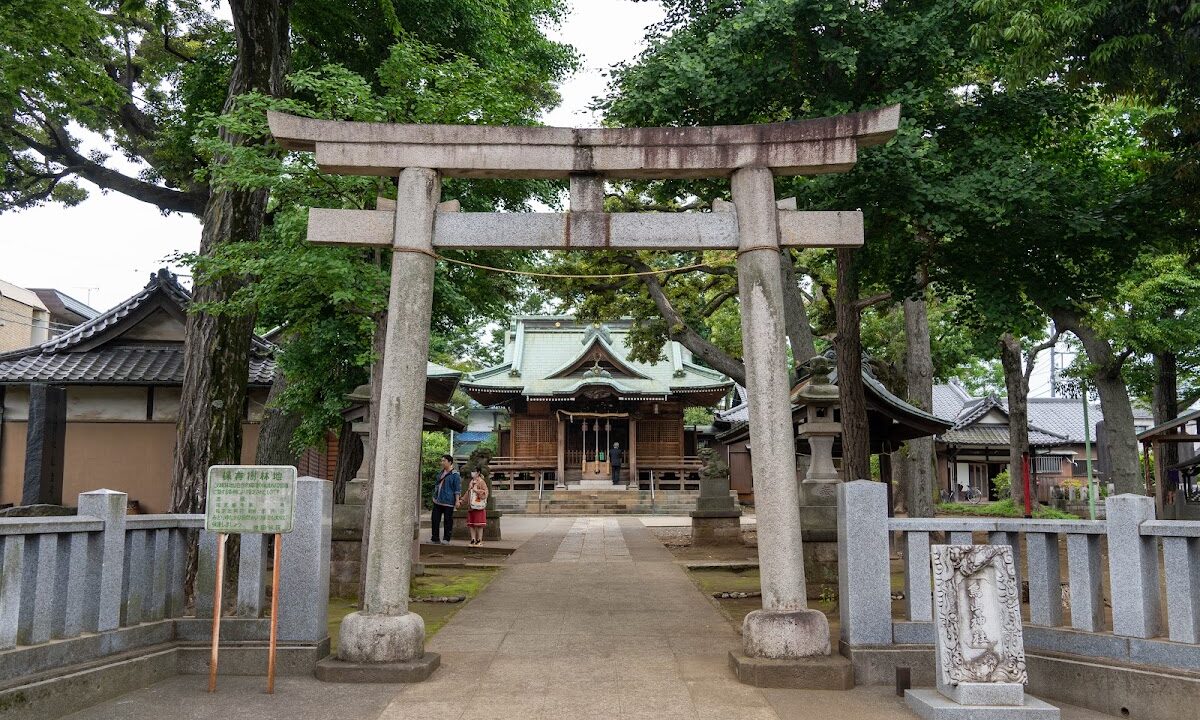
Karasuyama Shrine (Setagaya Ward, Tokyo) Complete Guide | Goshuin (Shrine Seal), Benefits, History, and Access Information
Karasuyama Shrine, located in Minami-Karasuyama, Setagaya Ward, Tokyo, is a historic shrine formerly known as Hakusan Ontake Shrine. Despite its convenient location, just a 5-minute walk from Chitose-Karasuyama Station on the Keio Line, it boasts a tranquil atmosphere nestled in a quiet residential area. This article provides a detailed guide to Karasuyama Shrine, including its history, enshrined deities and benefits, highlights within the grounds, goshuin information, and access methods.
Basic Information about Karasuyama Shrine
Location: 2-21-1 Minami-Karasuyama, Setagaya-ku, Tokyo
Phone Number: 03-3308-9663
Nearest Station: Approximately 5 minutes on foot from Chitose-Karasuyama Station on the Keio Line, approximately 7 minutes on foot from Roka-Koen Station on the Keio Line
Shrine Rank: Former Village Shrine
Annual Festival Date: September 24th
Karasuyama Shrine is located in the Minami-Karasuyama area of Setagaya-ku and has been cherished by the local people as the guardian shrine of the former Karasuyama Village. Even today, it remains a shrine that attracts the faith of local residents, with many worshippers visiting for annual events such as New Year’s visits and Shichi-Go-San (a traditional Japanese rite of passage for children).
History of Karasuyama Shrine
Founding and History
The exact founding date of Karasuyama Shrine is unknown, but a water basin remaining on the shrine grounds bears an inscription from September of the first year of the Genbun era (1736), confirming its existence at least by the mid-Edo period. As a shrine with a history of nearly 300 years, it has been the center of faith in this region.
From Hakusan Ontake Shrine to Karasuyama Shrine
Originally, it was called “Hakusan Ontake Shrine.” This name originates from the fact that it enshrined Shirayama-hime no Okami and Ontake Okami, the main deities. After shrine reorganization in the Meiji era and consolidation in the Showa era, it was renamed to its current name, “Karasuyama Shrine.”
By adding the place name “Karasuyama,” it is believed that the shrine established a more locally rooted identity. It has a history of being the guardian shrine of the former Karasuyama Village, serving as a spiritual pillar for the villagers.
Consolidation in the Meiji and Showa Eras
From the Meiji era to the early Showa era, due to the government’s shrine reorganization policy, surrounding small shrines were consolidated into Karasuyama Shrine. During this process, deities such as Amaterasu Omikami, Ukanomitama no Mikoto, and Sugawara no Michizane were enshrined together, resulting in the current five-deity shrine.
Through this enshrinement, Karasuyama Shrine evolved from a simple village shrine into a comprehensive shrine offering diverse blessings.
Deities and Blessings
Karasuyama Shrine enshrines five deities, each offering different blessings.
Shirayama Hime no Okami
Shirayama Hime no Okami, the principal deity, is a central figure in the Hakusan faith, which considers Mount Hakusan in Ishikawa Prefecture as its sacred mountain. She is also identified with Kukuri Hime no Kami and is believed to offer the following blessings:
- Matchmaking and Marital Harmony: From the myth of her mediating the relationship between Izanagi-no-Mikoto and Izanami-no-Mikoto
- Family Safety: Bringing peace and harmony to the home
- Health and Longevity: As a goddess possessing vitality and healing power
Ontake-no-Okami
A deity of mountain worship, with Mount Ontake in Nagano Prefecture as its sacred mountain, primarily offering the following benefits:
- Good Fortune and Prosperity: The power to open the path of life
- Exorcism: Purifying and dispelling calamities
- Health: The spiritual power of Mount Ontake, known as a sacred mountain in Shugendo (mountain asceticism)
Amaterasu-Omikami
The supreme deity in Japanese mythology and the ancestral deity of the Imperial Family.
- National Security: Peace and prosperity for the entire nation of Japan
- Good Fortune: Enhancement of all kinds of luck
- Vitality: Life energy as the sun god
Ukanomitama-no-Mikoto
Known as Inari, the god of grain and commerce.
- Abundant Harvest: Prosperity of agriculture
- Business Prosperity: Success and development of businesses
- Industrial Development: Protection of all industries
Sugawara no Michizane
A god worshipped nationwide as the god of learning.
- Academic Achievement: Passing exams, improving academic ability
- Literary Improvement: Improvement of calligraphy and writing skills
- Sincerity: The virtue of honesty and integrity
As you can see, Karasuyama Shrine offers a wide range of blessings, from matchmaking to academic achievement and business prosperity.
Highlights of the Shrine Grounds
Shrine Building
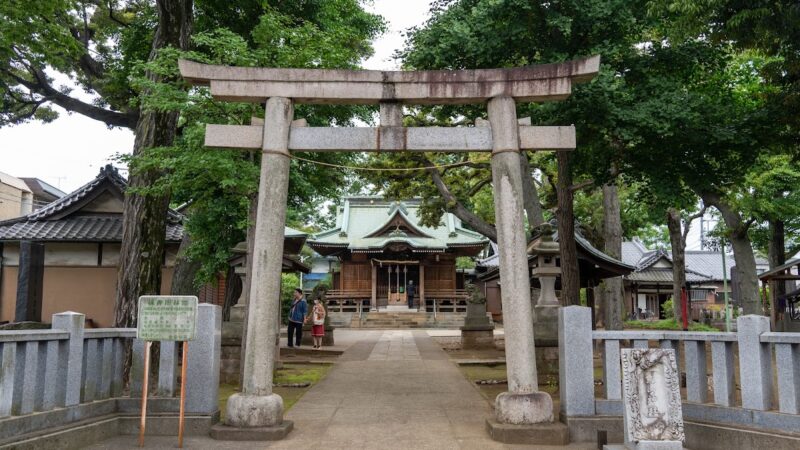
The shrine building of Karasuyama Shrine maintains a solemn atmosphere despite being located in a residential area. The wooden main hall preserves the traditional style of shrine architecture and is carefully maintained. A donation box is placed in front of the worship hall, creating a space where worshippers can offer their prayers with sincerity.
Water Basin and Water Basin from the First Year of Genbun
The water basin on the shrine grounds bears an inscription from September of the first year of Genbun (1736), making it a historically valuable artifact. This water basin, donated approximately 290 years ago during the mid-Edo period, is a precious cultural asset that tells the story of Karasuyama Shrine’s long history. Visitors can purify their minds and bodies in this historic water basin during their visit.
Subsidiary Shrines
Several subsidiary shrines (small altars) are enshrined within the grounds of Karasuyama Shrine. These may have been moved during the Meiji and Showa periods when the shrines were consolidated, demonstrating the diversity of local beliefs.
Sacred Trees and Lush Greenery
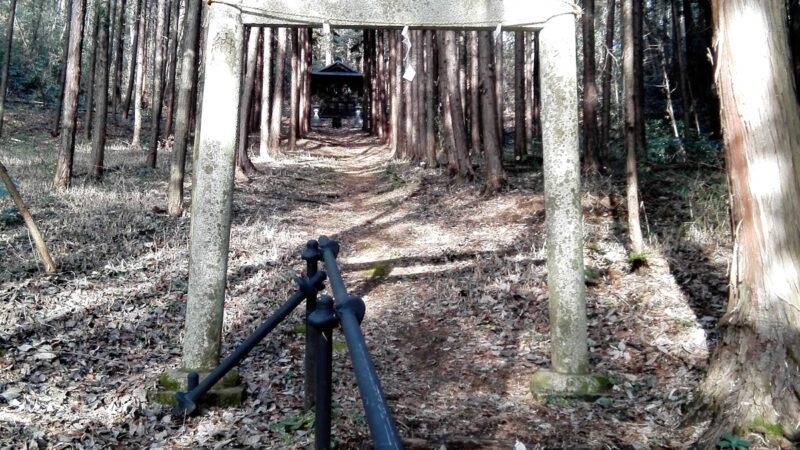
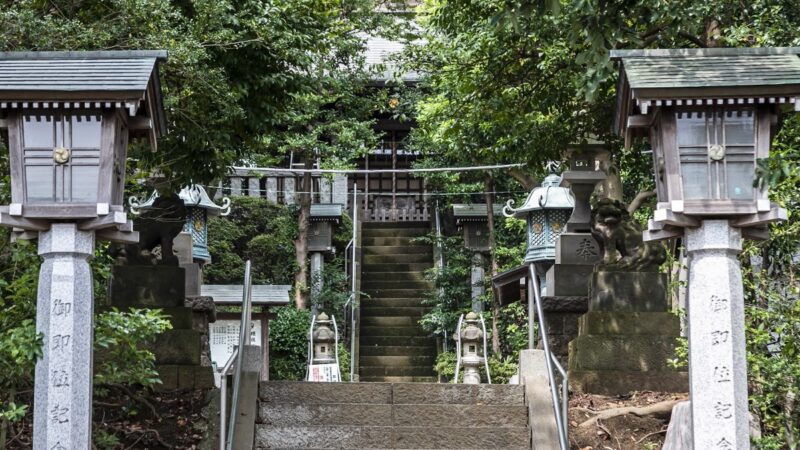
Despite being located in a residential area in the heart of the city, Karasuyama Shrine’s grounds are lush with ancient trees, creating a tranquil atmosphere. The natural beauty of the grounds, which changes with the seasons, offers a sense of peace and tranquility to visitors.
Goshuin (Shrine Seal) Information
Karasuyama Shrine offers Goshuin (shrine seals).
Features of the Goshuin
The Karasuyama Shrine Goshuin features the shrine’s name and date of visit written in ink, along with the shrine’s seal. Its simple yet powerful calligraphy is a distinctive feature, making it popular among Goshuin collectors.
Hours and Location of Issuance
Goshuin are available during the shrine office’s opening hours. However, since priests may not always be present, it is recommended to call ahead to confirm availability if you wish to receive a Goshuin.
Phone: 03-3308-9663
Manners for Receiving a Goshuin (Shrine/Temple Stamp)
A Goshuin is proof of your visit, not a stamp rally. Please observe the following manners:
- Complete your prayers before receiving your Goshuin.
- Prepare a Goshuincho (avoid using a notepad or colored paper).
- Prepare the offering fee (usually 300-500 yen).
- Don’t forget to express your gratitude to the Shinto priest.
Annual Events and Festivals
Grand Festival (September 24th)
The Grand Festival of Karasuyama Shrine is held every year on September 24th. This is the most important festival for the shrine, and local people gather for the portable shrine procession and offering ceremonies. As an important event that preserves local traditions, it is bustling with many worshippers.
New Year’s Visit
During the New Year’s visit period, many worshippers, mainly local residents, visit the shrine. The shrine grounds are bustling with people praying for the safety of their families, good health, academic success, and other wishes for the new year.
Shichi-Go-San
During the Shichi-Go-San season in November, children in their finest attire and their families visit the shrine. As a shrine deeply rooted in the community, it serves as a place to pray for the healthy growth of children.
Access Information
Access by Train
From Keio Line “Chitose-Karasuyama Station”
- Approximately 5 minutes on foot from the North Exit
- Head north from the station and you will arrive at the shrine after passing through the residential area
- The closest station, making access convenient
From Keio Line “Roka-Koen Station”
- Approximately 7 minutes on foot
- Head east from the station and you will arrive at the shrine after passing through the residential area
Detailed Walking Route
After exiting the North Exit of Chitose-Karasuyama Station, head in the opposite direction from Koshu Kaido (north). Walking through the residential area, you will see the grounds of Karasuyama Shrine in a relatively quiet environment. There are signs along the way, so even first-time visitors should be able to arrive without getting lost.
Access by Car and Parking
Karasuyama Shrine does not have its own parking lot. If you are visiting by car, you will need to use a nearby coin-operated parking lot. However, since it is located in a residential area, parking spaces are limited. We recommend using public transportation whenever possible.
Nearby Attractions
Roka Koshun-en Garden
This metropolitan park, located near Roka Park Station, is the former residence of Tokutomi Roka, a renowned writer from the Meiji era. You can stroll through the park’s rich natural surroundings, making it an ideal place to visit in conjunction with a visit to Karasuyama Shrine.
Shopping Streets Around Chitose-Karasuyama Station
A lively shopping street stretches around Chitose-Karasuyama Station, lined with restaurants and various shops. You can enjoy a meal or shopping after visiting the shrine.
Other Shrines and Temples in Setagaya Ward
Setagaya Ward has many shrines and temples scattered throughout the area. Starting from Karasuyama Shrine, we recommend enjoying a tour of temples and shrines in Setagaya.
Points and Manners for Worship
Proper Worship Etiquette
- Bow before passing through the torii gate.
- Purify your body and mind at the water basin.: Purify your left hand, right hand, and mouth in that order, and finally your left hand.
- Walk along the edge of the path.: The center is considered the path of the gods.
- Worship in front of the main hall.: The basic method is two bows, two claps, one bow (two bows, two claps, one bow).
- Bow at the torii gate when leaving.
Regarding Photography
Photography is generally permitted on the shrine grounds, but please note the following points.
- Please refrain from taking photos inside the main shrine.
- Please be considerate of other worshippers.
- Please avoid using flash photography.
- When posting on social media, please remember to show respect to the shrine.
Regarding Attire
While casual attire is acceptable for worship, please dress neatly and respectfully, as you are visiting the shrine to pay your respects to the gods. Especially if you are receiving a prayer, it is advisable to avoid overly casual clothing.
The Charm of Karasuyama Shrine
A Quiet Space Away from the Hustle and Bustle of the City
Despite its convenient location within walking distance of a major Keio Line station, Karasuyama Shrine, nestled in a residential area, offers a tranquil space that allows you to forget the hustle and bustle of the city. It is a place where you can escape the busyness of everyday life and worship in peace, and is loved not only by local residents but also by worshippers from afar.
Diverse Blessings from Five Deities
At Karasuyama Shrine, where Hakusan Hime-no-Okami is the principal deity, and five other deities—Ontake-no-Okami, Amaterasu-Omikami, Ukanomitama-no-Mikoto, and Sugawara no Michizane—are enshrined, you can receive a variety of blessings, including those for matchmaking, health, academic success, and business prosperity. It’s a shrine you can rely on at various stages of life.
A Warm, Community-Based Atmosphere
Karasuyama Shrine, with its long history as the guardian shrine of the former Karasuyama Village, is a central presence in the local community. During events such as the annual festival, New Year’s visits, and Shichi-Go-San (a traditional rite of passage for children), local people gather, continuing to uphold traditions. This warm atmosphere soothes visitors.
Cultural Assets Reflecting History
The shrine grounds contain cultural assets that evoke a sense of history, including a water basin bearing the inscription of Genbun 1 (1736). As a place of worship that has continued since the Edo period, it is a valuable presence that conveys history to the present day.
Notes for Visitors
Opening Hours
While the grounds of Karasuyama Shrine are generally open for free visits during the day, the shrine office has limited operating hours. If you wish to receive a Goshuin (shrine stamp) or prayers, it is recommended to confirm by phone in advance.
Seasonal Highlights
Spring: Beautiful fresh greenery and refreshing air for your visit.
Summer: Cool shade and a pleasant urban oasis.
Autumn: The annual festival is held, allowing you to feel the vibrancy of the community.
Winter: Enveloped in silence, you can welcome the New Year in a solemn atmosphere.
Contact Information
For detailed information regarding visits and prayer reservations, please contact the following:
Karasuyama Shrine
- Address: 2-21-1 Minami-Karasuyama, Setagaya-ku, Tokyo
- Phone: 03-3308-9663
Summary
Karasuyama Shrine is a historic shrine located in Minami-Karasuyama, Setagaya-ku, Tokyo. As a place of worship that has continued since the Edo period, Karasuyama Shrine enshrines five deities, with Hakusan Hime Okami as its main deity, and bestows a variety of blessings, including matchmaking, health, academic success, and business prosperity.
Despite its convenient access, being only about a 5-minute walk from Chitose-Karasuyama Station on the Keio Line, it boasts a tranquil atmosphere nestled in a quiet residential area. Historical artifacts, such as a water basin dating back to the first year of the Genbun era (1736), remain, allowing visitors to experience history and tradition even in the heart of the city.
Karasuyama Shrine offers a warm, community-rooted atmosphere where you can pray in peace. Why not take some time to leave the hustle and bustle of everyday life and offer your prayers to the gods? Whether you’re a first-time visitor, a collector of Goshuin (shrine stamps), or interested in local history, this shrine can be enjoyed for a variety of purposes.
When visiting shrines in Setagaya Ward or strolling around the Chitose-Karasuyama area, please be sure to stop by Karasuyama Shrine. The five deities will gently receive your wishes.