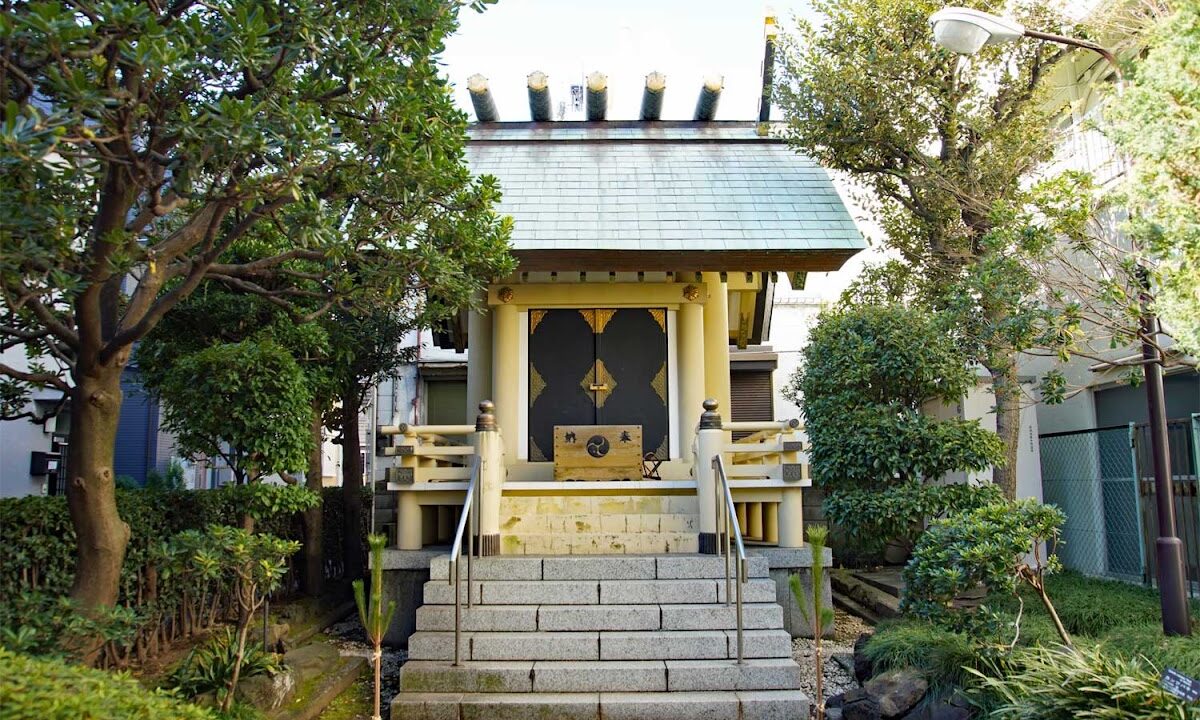
Funae Shrine (Sumida Ward, Tokyo) | Complete Guide to History, Deities, and Access
Funae Shrine, located in Higashi-Komagata, Sumida Ward, Tokyo, is a historical shrine founded during the Heian period. Formerly known as Asahi Shinmei Shrine and Tenso Shrine, it attracted the faith of sailors, including the naval magistrate Mukai Shogen, during the Edo period. This article provides a detailed explanation of Funae Shrine’s history, enshrined deities, highlights within the grounds, and access methods.
Basic Information on Funae Shrine
Location: 1-18-10 Higashi-Komagata, Sumida Ward, Tokyo 130-0005
Funae Shrine is a small but historically significant shrine within walking distance of Asakusa Station. It quietly stands in a residential area of downtown Tokyo near the Sumida River and is cherished by the local community. The surrounding area is known as Higashi-Komagata and was formerly part of the Honjo district.
History and Origins of Funae Shrine
Founding and Origins in the Heian Period
Funae Shrine is said to have been founded in the first year of the Gangyo era (877 AD). It is an ancient shrine dating back to the early Heian period, during the reign of Emperor Seiwa, and boasts a history of over 1000 years. While detailed records of its founding are not available, it is believed to have been established as a shrine to pray for the safety of water transport, given the area’s deep connection to the Sumida River’s waterway.
From Asahi Shinmei Shrine to Tenso Shrine
During the Edo period, Funae Shrine was known as “Asahi Shinmei Shrine” or “Honjo Daijingu.” Its original location was in Kitahonjo Omote-cho (present-day Higashi Komagata 2-chome), slightly different from its current location. Shinmei Shrine is a common name for shrines dedicated to Amaterasu Omikami, referring to shrines that enshrined a divided spirit from Ise Grand Shrine.
Later, its name was changed to “Tenso Shrine,” and it remained so until the Meiji Restoration. The name Tenso Shrine is a common designation for shrines that enshrine Amaterasu Omikami as their ancestral deity.
Renaming after the Meiji Restoration
After the Meiji Restoration, the shrine was renamed “Funae Shrine.” This renaming reflects its history of receiving fervent devotion from naval magistrates and sailors during the Edo period. The name “Funae” clearly indicates the shrine’s role in protecting the safety of ships, reflecting the region’s deep connection to water transport.
Deity Enshrined
The deity enshrined at Funae Shrine is Amaterasu Omikami.
Amaterasu Omikami is the supreme deity in Japanese mythology, a goddess who personifies the sun. She is the ancestral deity of the Imperial family, enshrined in the Inner Shrine of Ise Grand Shrine, and one of the most revered gods among the Japanese people. She is believed to bestow blessings such as abundant harvests, national peace and security, and good fortune, and is worshipped as a god who protects people from all kinds of calamities.
At Funae Shrine, the divine virtues of Amaterasu Omikami are particularly revered for safe voyages, protection from water-related disasters, and safe travel, and it was deeply worshipped by sailors and those involved in water transport during the Edo period.
The Deep Relationship Between the Mukai Suigun and Funae Shrine
Mukai Shogen, the Ship’s Magistrate
An essential part of understanding the history of Funae Shrine is its relationship with Mukai Shogen, who served as the Ship’s Magistrate for the Edo Shogunate. The Mukai clan was a prestigious family of naval commanders active from the Sengoku period to the Edo period. Mukai Shogen Tadakatsu, in particular, served Tokugawa Ieyasu and was responsible for the shogunate’s maritime defense and water transport management.
Mukai Shogen was from Ise Province (present-day Mie Prefecture) and was known as a naval commander on par with the Kuki Suigun and Ise Suigun. During the Edo period, he served as the Shogunate’s naval magistrate, responsible for managing water transport on the Sumida River and Edo Bay, supervising ships, and providing maritime security. His residence is believed to have been located in the Honjo area.
A Place for Praying for Safe Ships
Mukai Shogen and other members of the naval force, as well as boatmen and fishermen working on the Sumida River, prayed at Funae Shrine (then known as Asahi Shinmei Shrine) for safe voyages and business prosperity. The Sumida River was a major artery for Edo’s logistics, a vital waterway with many ships passing through. Therefore, for those involved in water transport, faith in shrines that protected the safety of ships was essential to their lives.
As a shrine associated with the Mukai naval force, Funae Shrine occupies an important position in the history of Edo’s maritime transport.
Highlights of the Shrine Grounds
Shrine Building
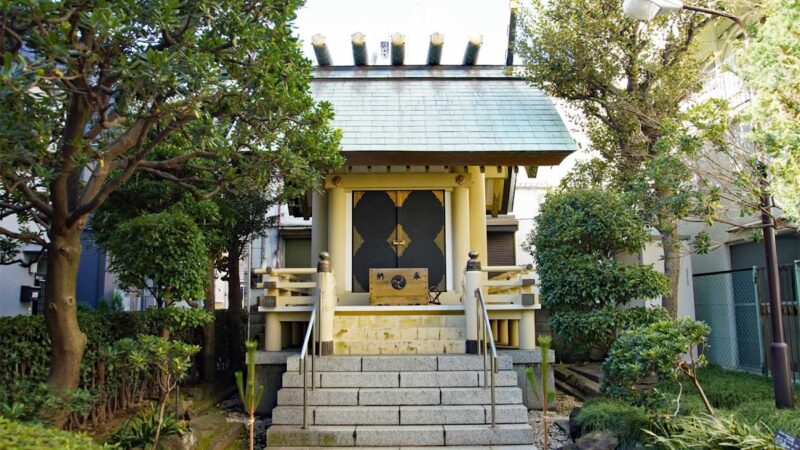
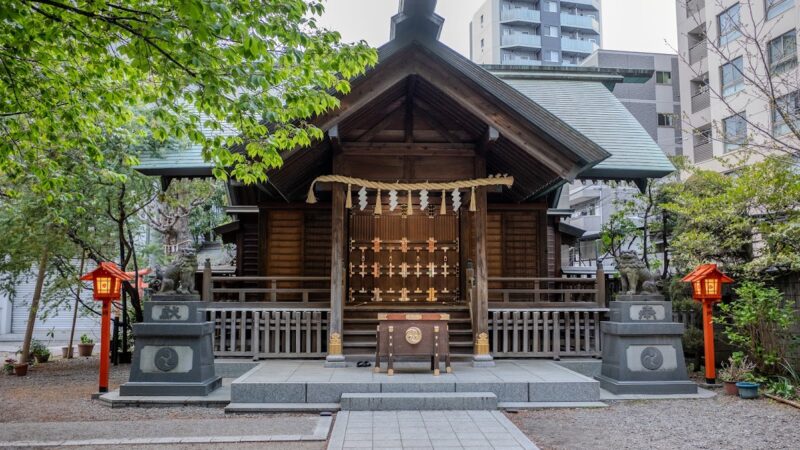
The shrine building of Funae Shrine, though small, is meticulously maintained. The current shrine building is relatively new, but it follows the traditional style of shrine architecture, creating a serene atmosphere. A donation box is placed in front of the worship hall, and worshippers can pray using the traditional two bows, two claps, and one bow ritual.
Atmosphere of the Shrine Grounds
Located in a residential area, Funae Shrine offers a quiet space away from the hustle and bustle of the city. The grounds are not particularly large, but they are meticulously clean, reflecting the care and affection the local community has for the shrine. Surrounded by trees, the grounds are a perfect place to stop and relax during a stroll.
Stone Monuments and Historical Records
Within the shrine grounds, there are stone monuments and information boards detailing the shrine’s history. Reading these will allow you to learn about Funae Shrine’s long history, its relationship with the Mukai Suigun (Mukai Naval Force), and its connection to the local community. Those interested in history should definitely take a look at these materials.
Access Information
Nearest Stations and Lines
The following stations are convenient for accessing Funae Shrine.
Asakusa Station (Toei Asakusa Line, Tokyo Metro Ginza Line, Tobu Skytree Line)
- Approximately 5 minutes on foot from Exit A2a
- This is the most convenient access method.
Honjo-Azumabashi Station (Toei Asakusa Line)
- Approximately 7 minutes on foot from Exit A3
- Convenient when accessing from the Tokyo Skytree area.
Oshiage (Skytree Mae) Station (Tokyo Metro Hanzomon Line, Toei Asakusa Line, Keisei Oshiage Line, Tobu Skytree Line)
- Approximately 10 minutes on foot
- Available when visiting in conjunction with Skytree sightseeing.
Nearest Bus Stops and Routes
Higashi-Komagata 1-chome (Toei Bus) Bus Stop
- Approximately 2 minutes on foot
- Toei Bus Route 39 (Asakusa Kotobuki-cho – Kasai-bashi) is available.
Honjo-Azumabashi Station Bus Stop (Toei Bus)
- Approximately 5 minutes on foot
- Multiple routes are available.
Walking Access
After exiting Asakusa Station’s A2a exit, head south along Edo-dori Street towards the Sumida River. Upon entering the residential area of Higashi-Komagata 1-chome, you will see a sign for Funae Shrine. The surrounding area is a quiet residential neighborhood, so using a map app will help you arrive without getting lost.
It’s within walking distance of Senso-ji Temple and Kaminarimon Gate, making it a convenient stop during Asakusa sightseeing. Visiting while strolling along the Sumida River is also recommended.
Nearby Tourist Attractions
Senso-ji Temple and Kaminarimon Gate
Senso-ji Temple, located about a 10-minute walk from Funae Shrine, is one of Tokyo’s most representative tourist attractions. With many sights to see, including Kaminarimon Gate, Nakamise Street, and the main hall, it attracts many tourists from both Japan and abroad. Visiting Senso-ji Temple before or after visiting Funae Shrine is recommended.
Tokyo Skytree
Tokyo Skytree stands about a 15-minute walk from Funae Shrine, or a few minutes from Honjo-Azumabashi Station. From the observation deck at a height of 634 meters, you can enjoy a panoramic view of Tokyo. Tokyo Skytree Town also includes shopping facilities, restaurants, and an aquarium.
Promenade along the Sumida River
A well-maintained promenade runs along the Sumida River, which flows near Funae Shrine. In spring, cherry blossoms bloom profusely, and the Sumida Park Cherry Blossom Festival is a well-known spring tradition in Tokyo. Enjoying the view of water buses and pleasure boats while walking along the river is also a pleasure.
Historical Sites in the Honjo Area
The Honjo area, where Funae Shrine is located, is dotted with historical sites that tell the history of the Edo period. There are many spots to enjoy a historical walk, including the birthplace of Katsu Kaishu, a literary monument to Akutagawa Ryunosuke, and the site of Kira’s residence (a place associated with the Chushingura story).
Manners and Precautions for Visiting Shrines
Etiquette for Visiting Shrines
The basic etiquette for visiting shrines is as follows:
- Bow before passing through the torii gate.
- Cleanse your hands and mouth at the purification fountain (if available).
- Place your offering in front of the main hall.
- Pray with two bows, two claps, and one bow.
- Bow again at the torii gate when leaving.
Regarding Photography
Photography is generally permitted on the shrine grounds, but please be considerate of other visitors and nearby residents. Please refrain from taking photos inside the shrine or in prohibited areas.
As a Shrine in a Residential Area
Funae Shrine is located in a residential area. Therefore, please behave quietly during your visit and remember to be considerate of the nearby residents. It is especially advisable to avoid visiting early in the morning or late at night.
Annual Events at Funae Shrine
Annual Grand Festival
Funae Shrine holds its annual grand festival once a year. Local parishioners and devotees gather to pray for the prosperity of the shrine and the safety of the community. Although small in scale, it is a warm and community-based festival.
First Shrine Visit of the New Year
At the start of the new year, local residents visit the shrine for their first shrine visit of the year. While not as crowded as large shrines, it’s a precious place where one can quietly offer prayers for the new year.
The Charm and Value of Visiting Funae Shrine
The Weight of History
Founded in the Heian period, Funae Shrine boasts a history of over 1000 years, making it a valuable presence that conveys the history of Tokyo’s downtown area. One can feel the weight of multi-layered history, including its connection to the Mukai Suigun (Mukai Naval Force), the water transport culture of the Edo period, and the local history of Honjo.
A Place of Quiet Prayer
Located a short distance from the bustling tourist area of Asakusa, Funae Shrine offers a tranquil space for quiet prayer. It’s an ideal shrine for those seeking to escape the hustle and bustle of the city and find peace of mind during their visit.
Connection to the Community
Cherished by the local community, Funae Shrine serves as a spiritual anchor for the downtown area. Its unpretentious atmosphere, untouched by tourism, allows one to experience the true essence of a shrine.
Summary
Funae Shrine, located in Higashi-Komagata, Sumida Ward, Tokyo, is a historic shrine founded in 877 AD. It enshrines Amaterasu Omikami and was formerly known as Asahi Shinmei Shrine and Tenso Shrine. During the Edo period, it attracted the faith of sailors, including the naval magistrate Mukai Shogen, and developed as a shrine deeply connected to the Sumida River’s water transport.
Even today, it remains a beloved place of prayer for the local community. Despite its convenient location, just a 5-minute walk from Asakusa Station, its charm lies in its tranquil atmosphere, far removed from the hustle and bustle of tourist areas. When sightseeing in Asakusa, why not extend your trip a little and visit Funae Shrine to experience the history and culture of Tokyo’s old downtown?
Funae Shrine is especially recommended for those interested in the history of the Mukai naval force, those who enjoy visiting shrines, and those seeking a quiet place of worship. This small shrine with over 1000 years of history is sure to bring new discoveries to your Tokyo exploration.