Complete Guide to Nakata Inari Shrine (Tokyo): History and Benefits of Two Shrines in Koto and Itabashi Wards
When you search for “Nakata Inari Shrine” in Tokyo, you’ll actually find two different shrines. These are Nakata Inari Shrine located in Higashisuna, Koto Ward, and Nakata Shusse Inari Shrine in Akatsuka, Itabashi Ward. While both are Inari shrines, each has its own unique history and characteristics. This article provides a detailed introduction to these two Nakata Inari shrines, including their historical background, enshrined deities, benefits, and access methods.
Nakata Inari Shrine (Higashisuna, Koto Ward): Guardian Shrine of the Former Nakata Shinden Village
History and Founding of Nakata Inari Shrine in Koto Ward
Nakata Inari Shrine, located in Higashisuna, Koto Ward, is a historical shrine founded as the guardian shrine of the former Nakata Shinden Village during the development of the area. There are several theories regarding the founding date, with some suggesting it was established during the Keian era (1648-1651) and others in the first year of the Kan’ei era (1624). In any case, it is undoubtedly a historically significant shrine dating back to the early Edo period.
Nakata Shinden is a newly developed rice field created during the Edo period by reclaiming low-lying wetlands along the Arakawa River (present-day Arakawa Floodway). The settlers at the time enshrined an Inari shrine to pray for agricultural success in the new land and the prosperity of the region. Inari worship has long been popular among ordinary people as a god of abundant harvests and business prosperity, and was an indispensable element in the development of new rice fields.
Reconstruction after War Damage
The main hall of Nakata Inari Shrine was destroyed by fire during World War II. The Tokyo air raids caused extensive damage throughout Koto Ward, resulting in the loss of many temples and shrines. However, thanks to the deep faith of the local residents, the shrine was rebuilt in 1957. This reconstruction also symbolized the unity of the local community during the post-war reconstruction period.
Deity and Blessings
The deity enshrined at Nakata Inari Shrine is Ukanomitama-no-Mikoto. Ukanomitama-no-Mikoto is a god of grain and food appearing in Japanese mythology, and is worshipped throughout Japan as the principal deity of Inari shrines. In the Kojiki, Ukanomitama-no-Mikoto is described as a god born between Susanoo-no-Mikoto and Kamu-Oichihime.
Main Blessings:
- Abundant harvest
- Business prosperity
- Family safety
- Industrial development
- Good fortune and prosperity
Shrine Grounds and Features
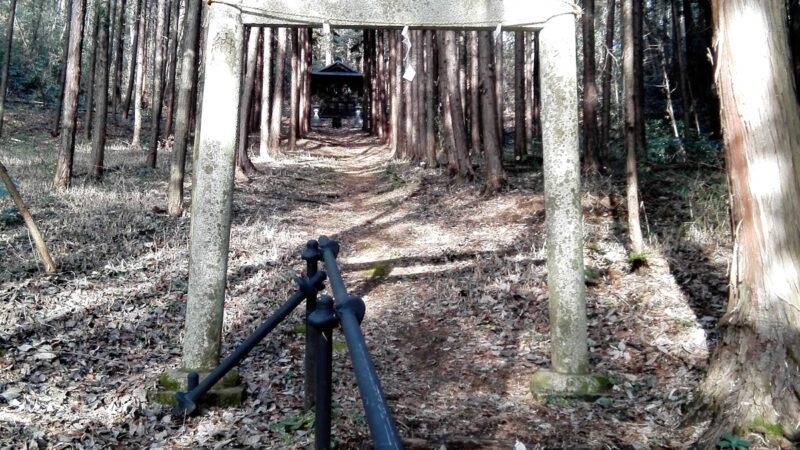
Although the current grounds of Nakata Inari Shrine are small, they are a warm and welcoming space deeply rooted in the local community. The shrine building, rebuilt after the war, has a simple and clean design. A park is located within the grounds, making it a popular place of relaxation for local residents.
The area surrounding the shrine is a residential neighborhood, offering a quiet and peaceful atmosphere for worship. Although the grounds are small, they are carefully maintained by local residents, with seasonal flowers planted, creating a warm and welcoming environment for visitors.
Access Information (Koto Ward)
Location: 5-4-10 Higashisuna, Koto-ku, Tokyo (Some sources list 5-4-16)
Nearest Station:
- Approximately 15 minutes on foot from Minamisunamachi Station on the Tokyo Metro Tozai Line
- Approximately 20 minutes on foot from Oshima Station on the Toei Shinjuku Line
- Approximately 3 minutes on foot from the Higashisuna Gochome bus stop (Toei Bus)
Visiting Hours: Grounds are freely accessible (24-hour worship available)
Parking: No dedicated parking (Please use nearby coin-operated parking lots)
Nakata Shusse Inari Shrine (Akatsuka, Itabashi Ward): Privately owned Inari shrine
Origin of Nakata Shusse Inari Shrine in Itabashi Ward
The Nakata Shusse Inari Shrine located in Akatsuka, Itabashi Ward, is a completely separate shrine from the Nakata Inari Shrine in Koto Ward. The exact founding date is unknown, but it is known as an Inari shrine privately owned by the Nakata family, an old and prominent family in the area.
The shrine’s name, “Shusse Inari” (meaning “Inari of Success”), suggests that it is believed to bring good fortune and career advancement. Despite being privately owned, it attracts many worshippers from the local community, and its convenient location—a two-minute walk from Shimo-Akatsuka Station—means that many commuters stop by on their way to work.
Characteristics of Privately Owned Shrines
Nakata Shusse Inari Shrine is unique in that it is privately owned by the Nakata family. From the Edo period to the Meiji period, it was common for wealthy merchant families and old families to enshrine Inari shrines within their estates. These household shrines were private places of worship where people prayed for the prosperity of their businesses and the safety of their families, but gradually they were opened to neighboring residents and often became places of community worship.
It is believed that Nakata Shusse Inari Shrine, originally enshrined as the guardian deity of the Nakata family, has grown over time to become a shrine cherished by the local community.
Deity and Blessings
The deity enshrined at Nakata Shusse Inari Shrine is Ukanomitama-no-Mikoto (also written as Aoi-Inadama-no-Mikoto). As the name “Shusse Inari” (Success Inari) suggests, the following blessings are particularly expected:
Main Blessings:
- Career Advancement
- Improved Work Luck
- Business Prosperity
- Good Fortune
- Family Safety
- Academic Success
Because the shrine’s name includes the character for “Shusse” (advancement), many visitors come hoping for career advancement and promotion. Students and young people praying for success in exams and job hunting can also be seen.
Shrine Grounds and Atmosphere
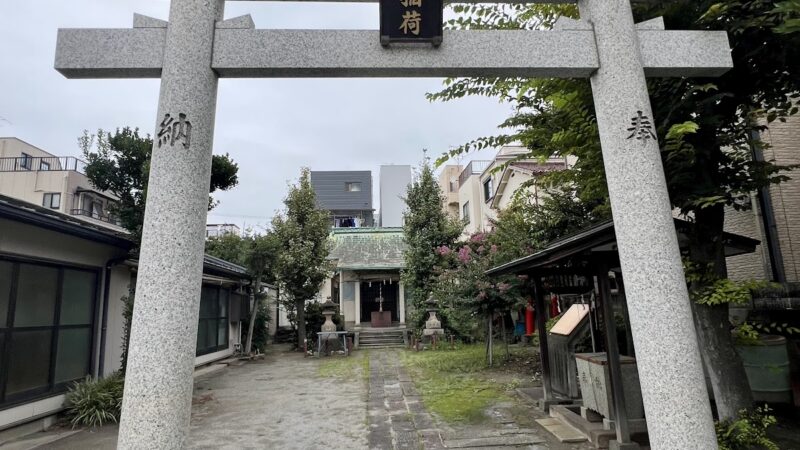
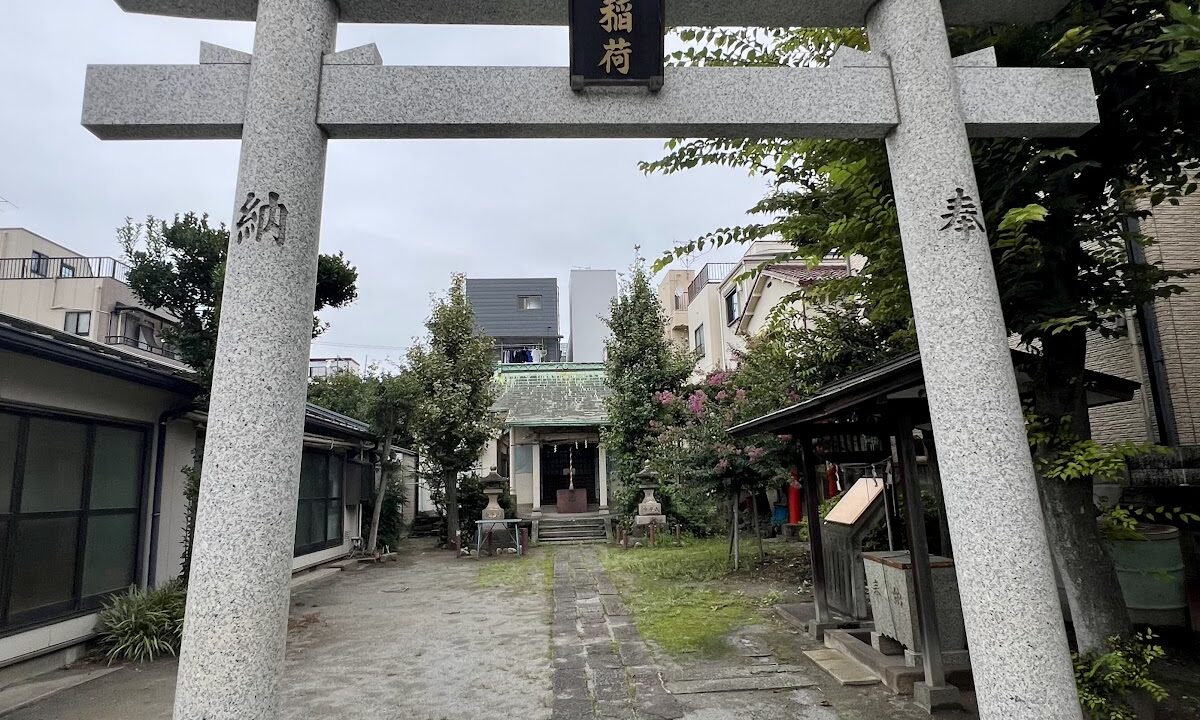
The grounds of Nakata Shusse Inari Shrine are a small shrine quietly nestled in a residential area. Being privately owned, it is small but clean and well-maintained.
The shrine building is simple yet dignified, and the vermilion torii gate is eye-catching. The shrine grounds are adorned with fox statues instead of the usual guardian lions, creating an atmosphere befitting an Inari shrine. It’s a quiet space away from the hustle and bustle of the city, a place where you can find peace of mind during your visit.
Access Information (Itabashi Ward)
Location: 1-7-9 Akatsuka, Itabashi-ku, Tokyo (Some sources list it as 1-7-9 Akatsuka Shinmachi)
Nearest Station:
- Approximately 2 minutes’ walk from Shimo-Akatsuka Station on the Tobu Tojo Line
- Approximately 5 minutes’ walk from Chikatetsu-Akatsuka Station on the Tokyo Metro Yurakucho Line and Fukutoshin Line
Visiting Hours: Grounds are freely accessible (As it is privately owned, visiting during reasonable hours is recommended)
Parking: No dedicated parking available
Inari Shrine Faith and History
Origin of Inari Faith
Inari shrines are said to number over 30,000 throughout Japan, making them the most numerous type of shrine. The head shrine is Fushimi Inari Taisha in Kyoto, said to have been founded in 711 AD.
At the heart of Inari worship lies the deep faith of the Japanese people, an agricultural society, in rice cultivation. The most widely accepted etymology of “Inari” is “Inari” (rice harvest) or “Inari” (rice yield), suggesting that the faith began as a prayer for a bountiful rice harvest.
Inari Worship in the Edo Period
During the Edo period, Inari worship expanded beyond agriculture to include the worship of commerce. Merchants enshrined Inari shrines within their properties to pray for business prosperity, and also built Inari shrines as guardian deities for their towns.
The Keian and Kan’ei eras, when Nakata Inari Shrine (Koto Ward) was founded, were a time of rapid development in Edo, with extensive land reclamation. The pioneers of Nakata Shinden (newly reclaimed land) invited the Inari deity against this historical backdrop.
Symbols of Inari Shrines: Foxes and Torii Gates
A defining characteristic of Inari shrines is the presence of fox statues and vermilion torii gates. Foxes are considered messengers of the Inari god, and many Inari shrines place fox statues instead of guardian lion-dogs (komainu). While there are various theories about the origin of the fox’s role as a messenger of Inari, the most widely accepted theory is that foxes were considered sacred because they prey on mice that damage crops, thus bringing bountiful harvests.
Vermilion torii gates are a symbolic element of Inari shrines. Vermilion symbolizes protection against evil and vitality, and the Senbon Torii (thousand torii gates) of Fushimi Inari Taisha are world-famous.
Visiting Inari Shrines in Tokyo
Major Inari Shrines in Tokyo
After visiting Nakata Inari Shrine, why not explore other Inari shrines in Tokyo?
Toyokawa Inari Tokyo Branch (Minato Ward):
The Tokyo branch of Toyokawa Inari in Toyokawa City, Aichi Prefecture. Known for its blessings of business prosperity, it attracts many business people.
Anamori Inari Shrine (Ota Ward): An Inari shrine located near Haneda Airport. It is believed to offer blessings for aviation safety and travel safety.
Shozoku Inari Shrine (Kita Ward): An ancient shrine with a legend that foxes from all over the Kanto region gathered there on New Year’s Eve. It is famous for the Oji Fox Procession.
Minaka Inari Shrine (Shinjuku Ward): With its auspicious name, “Minna Atataru” (meaning “everyone hits”), it is a popular shrine for praying for lottery winnings and success in gambling.
Shrine Visiting Manners
When visiting a shrine, please observe the following basic manners:
- Bow before the Torii Gate: Bow before the torii gate before entering the sacred area.
- Walk along the edge of the path: The center of the path is considered the path of the gods, so walk along the edge. 3. Purify yourself at the water basin: If there is a water basin, purify your hands and mouth before praying.
- Two bows, two claps, one bow: As a general practice, bow twice, clap twice, and then bow once.
- Be quiet: Be quiet within the shrine grounds and be considerate of other worshippers.
As a place of worship rooted in the community
A shrine as the center of the community
Nakada Inari Shrine (Koto Ward) is located next to a park and serves as a place for interaction among local residents. In the summer, local events such as Bon Odori (traditional Japanese dance) are held, demonstrating that the shrine is not merely a place of worship but also plays a central role in the community.
In today’s increasingly urbanized world, the existence of such small, community-oriented shrines is of great importance in maintaining community bonds.
Preservation Challenges of Privately Owned Shrines
Privately owned shrines like Nakata Shusse Inari Shrine face various challenges, including maintenance and succession issues. However, thanks to the cooperation and understanding of local residents, they have been carefully preserved to this day.
Continued interest and support from local residents are essential to passing on these small shrines to future generations.
Points to Note and Useful Information for Visitors
About Goshuin (Shrine Seals)
At Nakata Inari Shrine (both in Koto Ward and Itabashi Ward), there are no resident priests, so it is highly likely that goshuin are not issued. If you wish to receive a goshuin, it is recommended that you check in advance.
At small shrines, there may be a system where you leave your goshuin book and pick it up later, or the priest may also be responsible for goshuin at another nearby shrine.
Festivals and Annual Events
Because it is a small shrine, large-scale festivals are not held, but local residents may hold New Year’s Day festivals and annual festivals. Please check local bulletin boards or neighborhood association information for details. ### Nearby Attractions
Around Nakata Inari Shrine in Koto Ward:
- Minamisunamachi Shopping Center SUNAMO: A large commercial facility where you can enjoy shopping and dining.
- Sendaihorikawa Park: A waterside park with beautiful cherry blossom trees.
- Higashisuna Sports Center: A local sports facility.
Around Nakata Shusse Inari Shrine in Itabashi Ward:
- Akatsuka Botanical Garden: A botanical garden where you can enjoy plants of all seasons.
- Itabashi Ward Museum of Art: Exhibits Edo period paintings and other works.
- Akatsuka Tameike Park: A relaxing park rich in nature.
Summary: The Charms of the Two Nakata Inari Shrines
There are two Nakata Inari Shrines in Tokyo, one in Koto Ward and the other in Itabashi Ward. The Nakata Inari Shrine in Koto Ward, established during the Edo period as the guardian shrine of the former Nakata Shinden Village during the development of new rice fields, preserves the history of the region. Having recovered from war damage, it remains a beloved shrine for local residents, providing a relaxing space integrated with a park.
Meanwhile, Nakata Shusse Inari Shrine in Itabashi Ward, while uniquely privately owned by the old Nakata family, is a popular shrine known for its auspicious name, “Shusse” (meaning “career advancement”), attracting visitors seeking career advancement and good fortune. Its convenient location, just a two-minute walk from Shimo-Akatsuka Station, is also a major draw.
Both shrines, unlike large-scale shrines, are characterized by a warm, community-oriented atmosphere. They are cherished by many as quiet spaces to relax amidst the hustle and bustle of the city, and as places to offer daily gratitude and prayers.
When visiting Tokyo, be sure to stop by these two Nakata Inari Shrines. Though small, they are steeped in history and faith, offering a peaceful and tranquil experience. You’re sure to receive the blessings of a bountiful harvest, business prosperity, and career advancement—all hallmarks of Inari shrines—and gain the strength to take a new step forward.