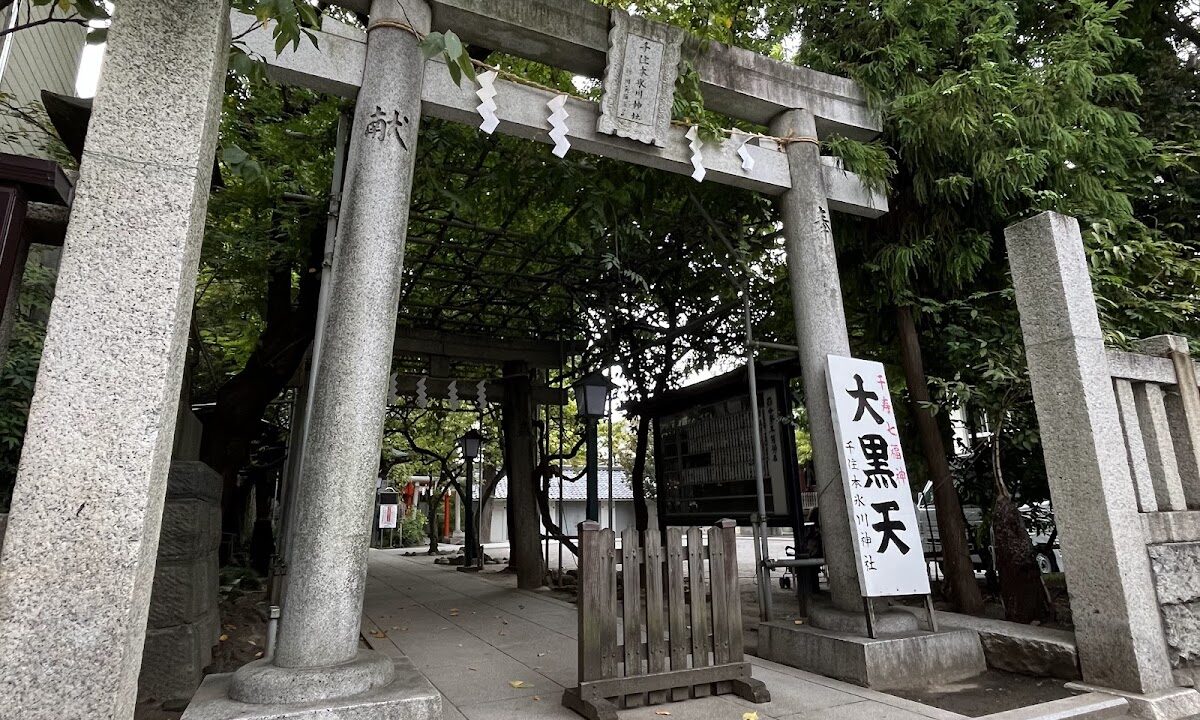
Senju Motohikawa Shrine (Adachi Ward, Tokyo) Complete Guide | History, Goshuin (Shrine Seals), Access, and Benefits: A Thorough Explanation
Senju Motohikawa Shrine, located in Senju, Adachi Ward, Tokyo, is a venerable shrine with a history of over 700 years. Despite its convenient location just a 5-minute walk from Kita-Senju Station, it maintains a tranquil atmosphere and continues to be cherished by the local community.
This article comprehensively introduces everything you need to know before visiting Senju Motohikawa Shrine, including its history, benefits, goshuin information, access methods, and highlights within the shrine grounds.
Basic Information on Senju Motohikawa Shrine
Official Name: Senju Motohikawa Shrine
Former Name: Ushida Hikawa Shrine
Main Deity: Susanoo-no-Mikoto
Shrine Rank: Former Village Shrine
Founded: Tokuji 2 (1307)
Annual Festival: September 15th
Address: 3-22 Senju, Adachi-ku, Tokyo 120-0034
Phone Number: 03-3881-2857
Senju Motohikawa Shrine is a historically significant shrine founded at the end of the Kamakura period, and is known as one of the most prestigious of the four Hikawa Shrines located in the Senju area.
History and Origins of Senju Hon Hikawa Shrine
Founding and the Ushida Era
Senju Hon Hikawa Shrine was founded in 1307 (Tokuji 2) by the Chiba clan in Ushida (present-day Senju Akebono-cho). At that time, it was called “Ushida Hikawa Shrine” and is said to have been built together with Chiba-san Saigyōin Temple.
From the late Kamakura period to the Muromachi period, the Chiba clan, who ruled this region, invited the Hikawa deity to pray for the peace and security of their people and the protection of the region. Susanoo-no-Mikoto was enshrined as the main deity, and the shrine attracted worshippers as a place to pray for the eradication of disease and a bountiful harvest.
Relocation and Development in the Edo Period
In the early Edo period, to avoid flooding caused by the overflowing Arakawa and Sumida Rivers, the shrine established a branch shrine at its current location (Senju 3-chome). This relocation led to the development of Senju-shuku, and the shrine flourished as a central place of worship in the region.
Senju was a bustling post town on the Nikko Kaido during the Edo period, a place where many travelers and merchants came and went. Senju Hon Hikawa Shrine also functioned as a shrine where people prayed for the safety of their journeys and the prosperity of their businesses.
Changes after the Meiji Era
Due to the reform of the shrine system during the Meiji era, Senju Hon Hikawa Shrine was ranked as a village shrine. The precious shrine buildings, which escaped the ravages of World War II, are still carefully preserved as a tangible cultural property of Adachi Ward.
Since the Showa era, it has been deeply revered as the local guardian deity, and continues to watch over the history and culture of Senju to this day.
Deities and Benefits
Main Deity: Susanoo-no-Mikoto
The main deity of Senju Hon Hikawa Shrine is Susanoo-no-Mikoto, who plays an important role in Japanese mythology. Known as the younger brother of Amaterasu Omikami, he is famous as a god of valor who slayed the Yamata no Orochi (eight-headed serpent).
Susanoo-no-Mikoto is believed to possess the following divine virtues:
- Protection from evil and disaster: The power to ward off evil spirits and calamities
- Protection from disease: The power to protect against illness and disease
- Matchmaking: A god of matchmaking, having been united with Inadahime-no-Mikoto in Izumo
- Abundant harvest: Aspect as a guardian deity of agriculture
- Business prosperity: Guardian of industrial development
Daikokuten of the Senju Seven Lucky Gods
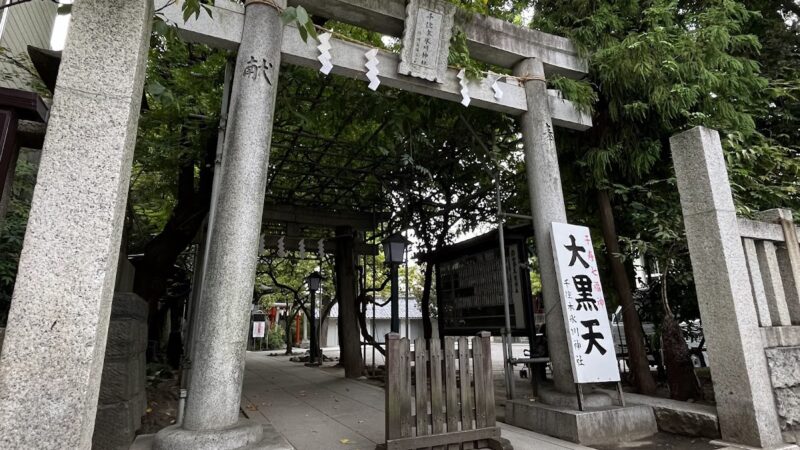
Senju Hon Hikawa Shrine enshrines Daikokuten as one of the shrines on the “Senju Seven Lucky Gods Pilgrimage.” Daikokuten is known as the god of good fortune and is especially believed to bring the following blessings:
- Increased wealth and good fortune
- Business prosperity
- Family safety
- Good fortune and prosperity
A statue of Daikokuten is enshrined on the grounds, and many visitors come on pilgrimages to the Seven Lucky Gods. It is especially crowded during New Year’s and festival days.
Highlights and Cultural Properties on the Grounds
Former Shrine Building Designated as an Adachi Ward Tangible Cultural Property
The greatest highlight of Senju Hon Hikawa Shrine is the former shrine building, which is registered as an Adachi Ward Tangible Cultural Property. It is a valuable building that preserves the architectural style of the Edo period and is highly valued as one of the few historical buildings that survived wartime destruction.
The former shrine building still remains on the grounds, allowing visitors to see its intricate carvings and traditional architectural techniques up close. It is a must-see spot where you can feel the beauty of wooden architecture and the weight of history.
Current Shrine and Worship Hall
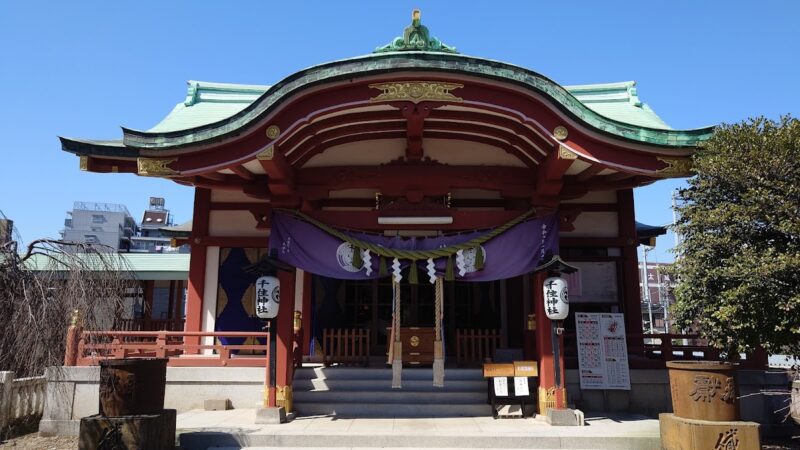
The current shrine is a magnificent structure, welcoming visitors with a solemn atmosphere. The worship hall is where daily prayers and rituals are performed, serving as the center of local faith.
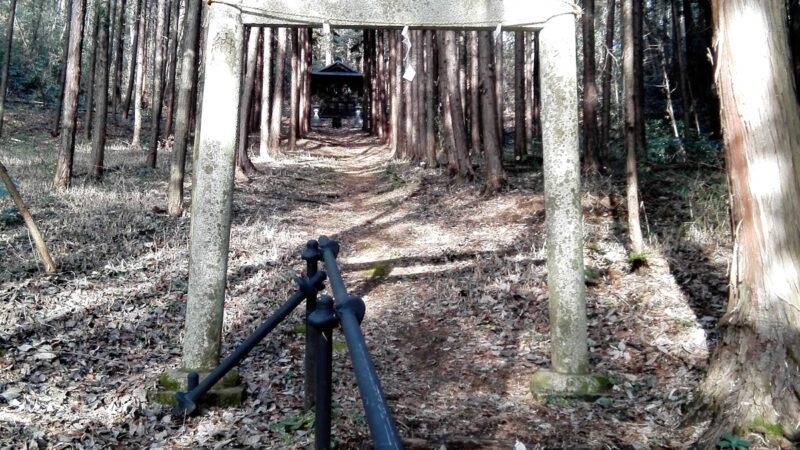
The shrine grounds are well-maintained, offering a quiet and peaceful space despite being amidst the hustle and bustle of the city. Surrounded by trees, the grounds are a place of relaxation where one can feel the changing seasons.
Birthplace of Radio Calisthenics
The grounds of Senju Hon Hikawa Shrine are also known as the “birthplace of radio calisthenics.” It is said that when radio calisthenics was first broadcast in Japan in 1928, the shrine grounds were used as one of the locations.
Even today, morning radio calisthenics are held there as part of local health promotion activities, and the shrine plays a role as a community hub.
Daikokuten Statue and Stone Monuments
Within the shrine grounds is a statue of Daikokuten, one of the Seven Lucky Gods of Senju. Visitors pray to receive blessings and good fortune. Several stone monuments and memorials telling the story of Senju’s history are also located here, allowing visitors to learn about the history of Senju.
Goshuin (Shrine Seal) and Goshuincho (Shrine Seal Book) Information
About the Issuance of Goshuin
Senju Hon Hikawa Shrine offers goshuin to visitors. Goshuin can be obtained at the shrine office.
Basic Information on Goshuin:
- Offering Fee: Usually around 300-500 yen (may vary depending on the season)
- Reception Hours: During the shrine office’s opening hours (usually 9:00-16:00; please inquire directly for details)
- Pre-printed Goshuin: Pre-printed goshuin may be available when the shrine is closed.
The goshuin will have the shrine name and date of visit written in ink, and will be stamped with the shrine’s seal. It features a simple yet dignified design.
Goshuin (temple/shrine stamp) for the Senju Seven Lucky Gods
When visiting as part of the Senju Seven Lucky Gods pilgrimage, you can receive a goshuin of Daikokuten (god of wealth). If you bring a special shikishi (decorative paper) or mount for the Seven Lucky Gods pilgrimage, the goshuin will be stamped on it.
During the New Year’s Seven Lucky Gods pilgrimage period, special goshuin may be available, so visiting during this time is also recommended.
About Goshuincho (stamp books)
For information on the availability of Senju Hon Hikawa Shrine’s original goshuincho, we recommend contacting the shrine office directly. Many visitors enjoy collecting goshuin from nearby shrines and temples as well.
Access and Transportation Information
Access by Train (Walking distance from the nearest station)
Senju Hon Hikawa Shrine is conveniently located about a 5-minute walk from Kita-Senju Station.
Access from Kita-Senju Station:
- JR Joban Line 5-minute walk from Kita-Senju Station West Exit
- Tokyo Metro Chiyoda Line 5-minute walk from Kita-Senju Station West Exit
- Tokyo Metro Hibiya Line 5-minute walk from Kita-Senju Station West Exit
- Tobu Skytree Line (Isesaki Line) 5-minute walk from Kita-Senju Station West Exit
- Tsukuba Express 5-minute walk from Kita-Senju Station West Exit
Kita-Senju Station is a terminal station with multiple lines, making it extremely convenient for access from various parts of central Tokyo.
Detailed Walking Route
Exit the west exit of Kita-Senju Station and head towards Senju-shuku Street (the old Nikko Kaido road). After passing through the shopping street and entering the residential area, you will soon see the torii gate of Senju Hon Hikawa Shrine. There are signs along the way, so you will arrive without getting lost.
Access by Car
If using the expressway:
- Approximately 5 minutes from Senju-Shinbashi IC on the Metropolitan Expressway
- Approximately 10 minutes from Horikiri JCT on the Metropolitan Expressway
From central Tokyo, it is convenient to use the Metropolitan Expressway Route 6 Mukojima Line or the Central Circular Route.
Parking Information
Senju Hon Hikawa Shrine has parking spaces for visitors, but the number of spaces is limited. During busy periods such as New Year’s Day and annual festivals, parking may not be available, so we recommend using public transportation.
There are also several coin-operated parking lots nearby, so please consider using them if you are visiting by car.
Surrounding Traffic Environment
The Senju area is a mix of residential and commercial areas, and some roads are narrow. There are also many pedestrians and cyclists, so please drive safely when visiting by car.
Manners and Etiquette for Visiting a Shrine
Basic Shrine Visit Etiquette
By observing basic shrine visit etiquette, you can make a more heartfelt visit.
Procedure for Worship:
- Passing Through the Torii Gate: Bow before passing through the torii gate.
- Purifying at the Water Basin: Purify your left hand, right hand, and mouth in that order.
- Proceeding to the Main Hall: Walk along the sides of the path, as the center is considered the path of the gods.
- Offering a Coin: Gently place your offering in the offering box.
- Ringing the Bell: Ring the bell if there is one.
- Two Bows, Two Claps, One Bow: Bow deeply twice, clap twice, and finally bow once.
- Departure: Turn around and bow once before leaving the torii gate.
Appropriate Attire for Worship
Unless it is a special prayer or a formal worship service, everyday clothing is acceptable. However, be mindful that it is a sacred place and strive to wear clean and understated clothing.
Regarding Photography
Photography is generally permitted on the shrine grounds, but consideration should be given to avoiding disturbing other worshippers. It is considered good manners to refrain from taking photographs inside the shrine buildings or during religious ceremonies.
Annual Events and the Annual Festival
Annual Festival (September 15th)
The most important festival at Senju Hon Hikawa Shrine is the annual festival held on September 15th. Local parishioners and devotees gather for a portable shrine procession and dedication ceremonies.
During the festival period, stalls line the shrine grounds, and the entire area is enveloped in a festive atmosphere. Traditional performing arts and children’s portable shrines are also performed, making it an important event that strengthens the bonds of the local community.
New Year’s Visit (January 1st-3rd)
Many worshippers visit the shrine for their first shrine visit of the new year. Especially from January 1st to the 3rd, it is bustling with people praying for safety and prosperity throughout the year.
As one of the shrines on the Senju Seven Lucky Gods pilgrimage, it attracts many visitors during the New Year period. Visitors can be seen carrying colored paper, hoping to receive the blessings of Daikokuten.
Other Annual Events
- Setsubun Festival (around February 3rd): Events such as bean-throwing
- Summer Purification Ceremony (June 30th): Purifying oneself of the impurities of the past half-year by passing through a ring of reeds
- Shichi-Go-San (November): A pilgrimage to celebrate the growth of children
- Year-End Purification Ceremony (December 31st): Purifying oneself of the impurities of the past year
Senju Seven Lucky Gods Pilgrimage and Surrounding Shrines and Temples
What is the Senju Seven Lucky Gods Pilgrimage?
The Senju Seven Lucky Gods Pilgrimage is a traditional event involving visiting seven temples and shrines scattered throughout the Senju area of Adachi Ward. Senju Hon Hikawa Shrine, dedicated to Daikokuten, is an important shrine on this pilgrimage route.
Composition of the Senju Seven Lucky Gods:
- Daikokuten: Senju Hon Hikawa Shrine
- Ebisu: Senju Shrine
- Bishamonten: Nakamachi Hikawa Shrine
- Fukurokuju: Motoyado Shrine
- Jurojin: Kawaramachi Inari Shrine
- Benzaiten: Senju-ji Temple
- Hotei: Shosen-ji Temple
It is believed that visiting the Seven Lucky Gods during the New Year period will bestow seven blessings and allow one to pray for happiness throughout the year.
Main Shrines and Temples in the Surrounding Area
Numerous historical shrines and temples exist around Senju Hon Hikawa Shrine.
Senju Shrine: A shrine known as the guardian shrine of Senju. It enshrines Ebisu, one of the Senju Seven Lucky Gods.
Nakamachi Hikawa Shrine: One of the Hikawa Shrines in the Senju area. Dedicated to Bishamonten.
Motoyado Shrine: A shrine dedicated to Fukurokuju. Deeply connected to the history of Senju-shuku.
Katsusenji Temple: A Nichiren Buddhist temple dedicated to Hotei, one of the Seven Lucky Gods of Senju.
Visiting these temples and shrines together will allow you to gain a deeper understanding of Senju’s history and culture.
History and Culture of Senju
History of Senju-shuku
During the Edo period, Senju flourished as the first post town on the Nikko Kaido road. As the first post town from Edo, it saw the passage of many travelers and daimyo processions, with inns, tea houses, and shops lining the streets.
Senju Ohashi Bridge, the first bridge spanning the Sumida River, was an important transportation hub connecting Edo and the eastern provinces. It is also known as the starting point for Matsuo Basho’s journey on “Oku no Hosomichi” (The Narrow Road to the Deep North), making it a historically significant place in literature.
The Hikawa Shrines of Senju
The Senju area is home to four Hikawa Shrines, including Senju Hon-Hikawa Shrine. This is a very unusual phenomenon for such a small area sandwiched between the Sumida River and the Arakawa River.
Each Hikawa Shrine has been worshipped as the tutelary deity of a different district, playing a central role in the local community. This concentration of shrines reflects Senju’s historical development and regional differentiation.
Senju in Modern Times and the Role of Shrines
Present-day Kita-Senju continues to develop as one of Tokyo’s major terminal stations. While the number of young people and new residents has increased due to the attraction of university campuses and redevelopment, Senju Hon-Hikawa Shrine remains a vital spiritual pillar for the community.
It continues to play an important role in the continuation of traditional events and as a place for community interaction.
Visitor Feedback and Reviews
Evaluation of History and Cultural Assets
Visitors highly praise the former shrine building, which is registered as an Adachi Ward Tangible Cultural Property. Many comments mention it as “a valuable place to see Edo-period architecture up close” and “a place where you can feel the weight of history.”
Easy Access
Many visitors appreciate the convenient location, saying things like, “It’s just a 5-minute walk from Kita-Senju Station, making it easy to visit,” and “It’s like an oasis in the city.”
Quiet and Peaceful Atmosphere
Visitors appreciate the tranquil environment maintained despite its urban location, with comments such as, “Located in a residential area, it’s quiet and peaceful for worship,” and “The atmosphere of the shrine grounds is wonderful; it cleanses the soul.”
As a Base for the Seven Lucky Gods Pilgrimage
Positive feedback from participants in the Seven Lucky Gods pilgrimage includes comments like, “I visited as part of the Senju Seven Lucky Gods pilgrimage. I received the blessings of Daikokuten,” and “It was lively and bustling with people participating in the New Year’s Seven Lucky Gods pilgrimage.”
Points to Know Before Visiting
Best Time to Visit
The temple grounds are generally open all day, but if you wish to receive a Goshuin (temple stamp) or prayer, it is recommended to visit during the temple office’s opening hours (usually 9:00 AM to 4:00 PM).
The quiet morning hours are a great time to visit and pray at your leisure.
Busy Seasons
The following periods tend to be crowded:
- The first three days of the New Year (Hatsumode)
- Senju Seven Lucky Gods Pilgrimage period (New Year)
- Annual Festival (around September 15th)
- Shichi-Go-San season (November)
Estimated Time Required
For a normal visit, 15-30 minutes is sufficient. If you plan to leisurely explore the grounds or receive a Goshuin, it’s best to allow 45 minutes to an hour.
Nearby Tourist Attractions
The following tourist attractions are located near Senju Hon Hikawa Shrine:
- Senju-shuku Historical Petit Terrace: A facility where you can learn about the history of Senju-shuku
- Yokoyama Family Residence: A merchant house designated as a National Important Cultural Property
- Senju Ohashi Bridge: A historical bridge spanning the Sumida River
- Kita-Senju Station Area Shopping Street: A shopping street overflowing with the charm of old Tokyo
We recommend enjoying a historical stroll through Senju in conjunction with your visit to the shrine.
Summary: The Charm of Senju Hon Hikawa Shrine
Senju Hon Hikawa Shrine is a precious shrine with a history of over 700 years, quietly standing amidst the modern city. The weight of history, having watched over the Senju area since its founding in 1307, and the cultural value of the former shrine building, designated as an Adachi Ward Tangible Cultural Property, deeply impress visitors.
This shrine boasts exceptional accessibility, being just a 5-minute walk from Kita-Senju Station. Its multifaceted appeal lies in its status as a shrine of good fortune, enshrining Daikokuten, one of the Seven Lucky Gods of Senju, and its cultural significance as the birthplace of radio calisthenics.
To seek the blessings of Susanoo-no-Mikoto for protection from evil, matchmaking, and business prosperity, and to experience the history and culture of Senju, please visit Senju Hon Hikawa Shrine. You can enjoy a peaceful time in its tranquil grounds, far removed from the hustle and bustle of the city.
Senju Hon Hikawa Shrine warmly welcomes visitors throughout the year, whether for New Year’s visits, pilgrimages to the Seven Lucky Gods, annual festivals, or daily prayers. As one of Tokyo’s proud historical shrines, it continues to be cherished by many.