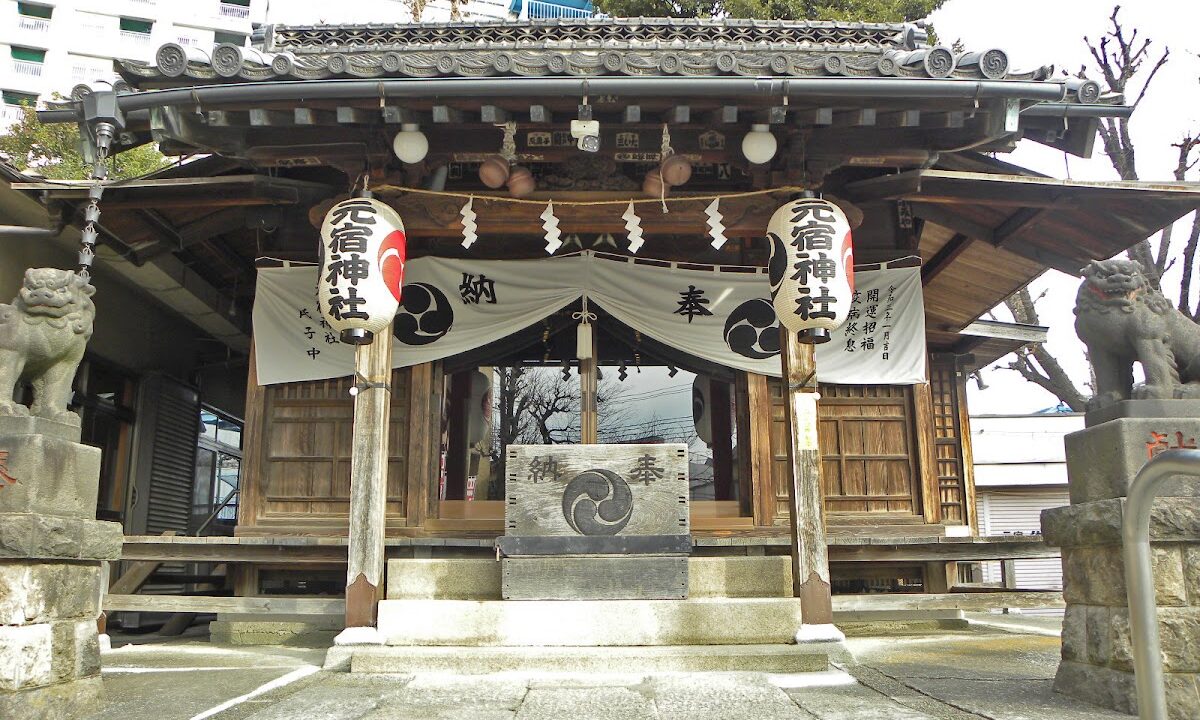
Motoyado Shrine (Adachi Ward, Tokyo) Complete Guide | Goshuin (Shrine Seal), History, Access, and Senju Seven Lucky Gods Pilgrimage Information
Motoyado Shrine, located in Senju Motomachi, Adachi Ward, Tokyo, is a historic shrine founded in 1574. Known as the shrine of Jurojin, one of the Senju Seven Lucky Gods, it is conveniently located within walking distance of Kita-Senju Station, yet is cherished as a local guardian deity nestled in a quiet residential area. This article comprehensively covers the detailed history of Motoyado Shrine, information on its goshuin (shrine seal), access methods, and nearby attractions, providing useful information for those considering a visit.
Basic Information about Motoyado Shrine
Location and Contact Information
Address: 33-4 Senju Motomachi, Adachi-ku, Tokyo
Postal Code: 〒120-0041
Nearest Station:
- JR Joban Line, Kita-Senju Station
- Tokyo Metro Chiyoda Line, Kita-Senju Station
- Tokyo Metro Hibiya Line, Kita-Senju Station
- Tsukuba Express, Kita-Senju Station
- Tobu Skytree Line, Kita-Senju Station
Kita-Senju Station is a major terminal station served by five lines, offering excellent access from the city center. Motoyado Shrine is located approximately 10-15 minutes on foot from the station.
Deities Enshrined
Motoyado Shrine enshrines two deities.
- Hon-da-wake-no-mikoto: Emperor Ojin. A central deity in Hachiman worship, he bestows blessings of military fortune, victory in competitions, and protection against evil.
- Ukanomitama-no-Mikoto: Known as Inari-sama, this is the god of abundant harvests and business prosperity.
Because these two deities are enshrined together, Motoyado Shrine is revered by local residents as a shrine where one can receive a variety of blessings.
Shrine Rank and Sacred Site Designation
Shrine Rank: Former Village Shrine
Sacred Site Designation:
- Senju Seven Lucky Gods, Jurojin
- Araya Eighty-Eight Sacred Sites
Especially as one of the shrines on the Senju Seven Lucky Gods pilgrimage, it attracts many worshippers during the New Year’s visit season.
History and Origins of Motoyado Shrine
Circumstances of Founding
The founding of Motoyado Shrine dates back to the Tensho era (1573-1592). The shrine’s founding is rooted in the efforts of Saemon-no-jo Nobuyoshi, son of Suzuki Inbata Sadamune, who dedicated himself to the development of this region. 1573 (Tensho 1): Saemon-no-jo Nobuyoshi began developing the Motoshuku area along the Rikuyu Highway. He started cultivating the Motoshuku and Kawada fields.
August 1574 (Tensho 2): A Hachiman shrine was erected southeast (southeast direction) of the Motoshuku fields. This is the origin of the current Motoshuku Shrine. It enshrines Homutawake-no-Mikoto, who became the guardian deity of the developed land.
September 1574 (Tensho 2): An Inari shrine was erected northeast (northeast direction) of the Motoshuku fields. It enshrines Ukanomitama-no-Mikoto, and prayers were offered for a bountiful harvest.
In this way, Motoshuku Shrine was born as a shrine closely linked to the development of new rice fields. The placement, considering the directions, reflects the religious practices of the time, influenced by Onmyodo (Japanese esoteric cosmology) and Feng Shui.
Changes Since the Meiji Era
Meiji Era: With the introduction of the modern shrine ranking system, Motoyado Shrine was ranked as a village shrine. This officially recognized its position as a central shrine in the region.
Late Meiji Era: As part of the shrine consolidation policy in the Senju area, surrounding small shrines were merged into Motoyado Shrine. It is believed that the current form of the shrine was established during this period.
Showa and Heisei Eras: Having escaped wartime destruction, Motoyado Shrine has continued to function as the center of the local community. The shrine buildings were repaired and the grounds were improved, leading to its current state.
Origin of the Place Name Motoyado
The place name “Motoyado” is said to originate from the fact that this area was once the origin of a post town. Senju-shuku flourished as one of the four Edo post towns, and Motoyado is thought to be the area where the original settlement was located.
Senju Seven Lucky Gods Pilgrimage and Jurojin
What are the Senju Seven Lucky Gods?
The Senju Seven Lucky Gods pilgrimage involves visiting seven temples and shrines scattered throughout the Senju area of Adachi Ward. This form of worship has continued since the Edo period, and many worshippers enjoy the pilgrimage during the New Year’s visit season.
Motoyado Shrine is designated as a shrine dedicated to Jurojin, one of the Seven Lucky Gods.
The Blessings of Jurojin
Jurojin is a deity originating from Chinese Taoism, and is believed to bestow the following blessings:
- Longevity and Longevity: As the name suggests, the blessings of long life and good health.
- Wealth and Prosperity: Increased wealth and prosperity of the family.
- Healing of All Illnesses: Healing from illness and improved health.
- Granting of Wisdom: Improvement of wisdom and judgment.
Jurojin is typically depicted as an old man with white hair, carrying a long staff and a scroll, and accompanied by a deer.
Other Shrines and Temples on the Senju Seven Lucky Gods Pilgrimage
The other Senju Seven Lucky Gods besides Motoyado Shrine are as follows:
- Ebisu: Senju Shrine
- Daikokuten: Nakamachi Hikawa Shrine
- Bishamonten: Kawaramachi Inari Shrine
- Benzaiten: Senju Hon Hikawa Shrine
- Fukurokuju: Senju Kotobukicho Hikawa Shrine
- Hotei: Senju Ohashi/Hashido Inari Shrine
These shrines are scattered within walking distance from Kita-Senju Station, making it a suitable pilgrimage route for half a day to a full day.
Motoyado Shrine’s Goshuin (Shrine Seal) Information
About the Issuance of Goshuin
Goshuin (shrine seals) are available at Motoyado Shrine. They are popular as a record of visitors’ experiences and as part of a goshuincho (seal book) collection.
Features of the Goshuin (Shrine Seal):
- The name “Motoyado Shrine” is written in ink in the center.
- The shrine’s seal is stamped.
- When visiting the Senju Seven Lucky Gods, the name “Jurojin” may also be included.
Notes on Receiving Goshuin
Motoyado Shrine may not always have a resident priest, so please note the following regarding the issuance of Goshuin:
- Issuance Hours: These may be irregular. It is recommended to check in advance.
- New Year’s Period: During the Senju Seven Lucky Gods pilgrimage season (around January 1st to 7th), the Goshuin is usually available.
- Pre-printed Goshuin Available: When the priest is absent, pre-printed Goshuin may be available.
About Goshuin Books
A special Goshuin book for the Senju Seven Lucky Gods is also available, and it is recommended to use this when visiting the Seven Lucky Gods. Collecting the different seals of the Seven Lucky Gods at each shrine and temple provides a great sense of accomplishment upon completion.
How to Access Motoyado Shrine
Walking Route from Kita-Senju Station
Estimated Time: Approximately 10-15 minutes on foot
Distance: Approximately 800m-1km
Recommended Route
- Exit Kita-Senju Station West Exit: Accessible from JR, Metro, and Tsukuba Express lines.
- Head Towards Senju-Nakamachi: Exit the rotary in front of the station and proceed towards the shopping street.
- Head Towards Senju-Motomachi: Enter the residential area and follow the signs.
- Arrival at Motoyado Shrine: Located in a quiet residential area.
Access by Bus
The community bus “Harukaze” is also available from Kita-Senju Station. It’s a few minutes’ walk from the nearest bus stop.
Access by Car
Parking: There is no dedicated parking lot on the shrine grounds. You will need to use nearby coin-operated parking lots.
Nearest Coin Parking:
- Times Senju Motomachi: Approximately 3 minutes on foot from Motoyado Shrine (approx. 241m)
- Several other coin parking lots are available around Kita-Senju Station.
Public transportation is convenient, so we recommend accessing the shrine by train.
Location Information and Map
Motoyado Shrine is located in a residential area of Senju Motomachi, Adachi Ward. It is located in the western area, opposite the Sumida River direction from Kita-Senju Station, maintaining a quiet environment.
You can get route guidance from your current location by searching for “Motoyado Shrine” in your smartphone’s map app.
Motoyado Shrine Grounds Guide
Shrine Building and Grounds
The grounds of Motoyado Shrine maintain a tranquil atmosphere despite being located in a residential area.
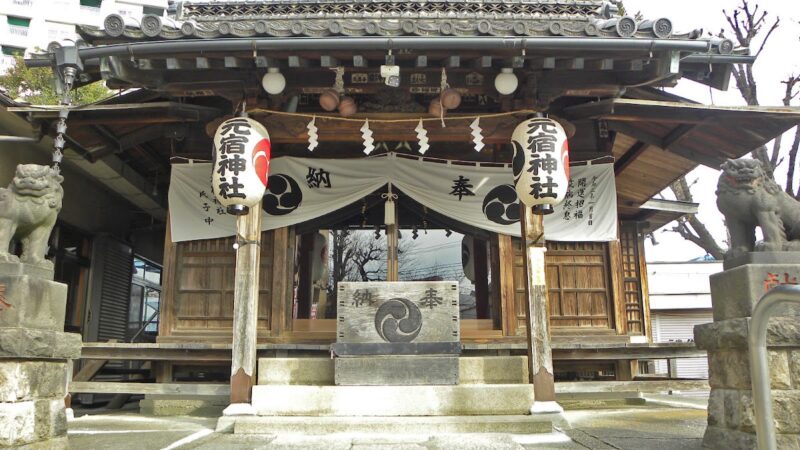
Shrine Building: The wooden main hall maintains a traditional shrine architectural style and is kept in good condition through regular restoration.
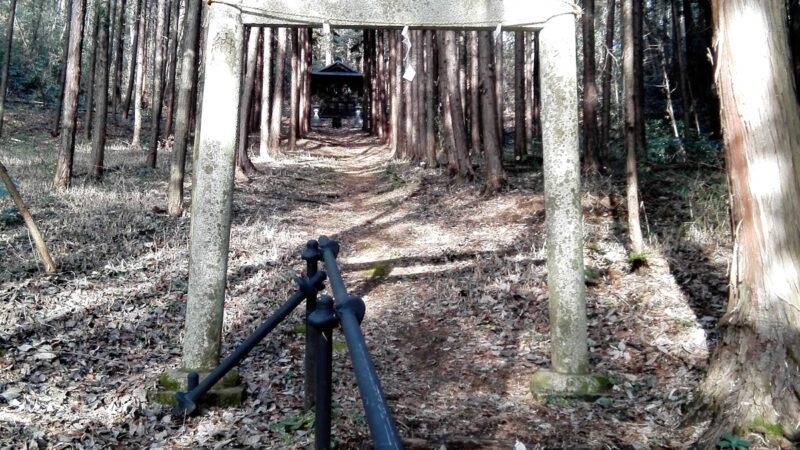
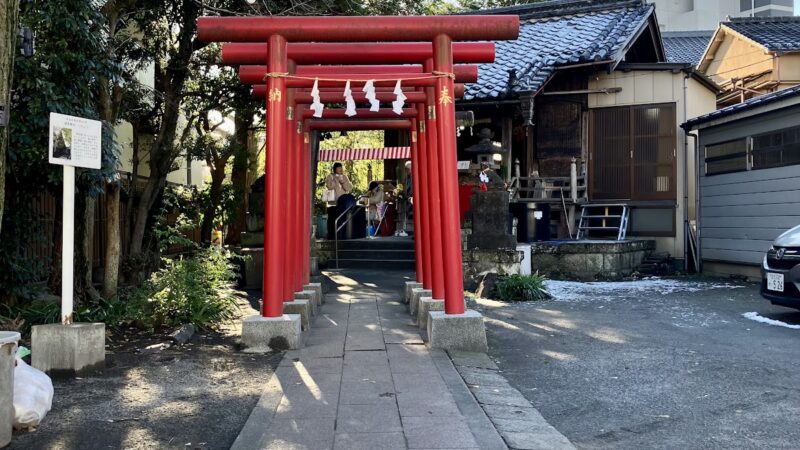
Torii Gate: A torii gate stands at the entrance to the shrine grounds, marking the entrance to the sacred area.
Temizuya (Water Basin): A water basin is provided for purifying oneself before worship.
Shrine Precincts: In addition to the main shrine, several smaller shrines are enshrined, reflecting the deep faith of the local community.
Highlights of the Shrine Grounds
- Sacred Tree: Ancient trees remain on the grounds, evoking a long history.
- Stone Monuments and Memorials: Several stone monuments inscribed with records of the shrine’s founding and restoration provide clues to its history.
- Seasonal Flowers and Trees: Flowers bloom on the grounds throughout the seasons, delighting visitors.
Shrine Visiting Etiquette
The basic etiquette for visiting a shrine is as follows:
- Bow before passing through the torii gate.
- Purify your hands and mouth at the water basin.
- Walk along the edge of the path to the shrine. (The center is considered the path of the gods.)
- Offer your donation in front of the main hall.
- Two bows, two claps, one bow.: Bow deeply twice, clap twice, bow deeply once.
- Bow again after passing through the torii gate upon leaving.
Annual Events at Motoyado Shrine
Main Festivals and Events
New Year’s Day Festival (January 1st): The most important festival to welcome the new year. It is bustling with worshippers making their first shrine visit of the year.
Senju Seven Lucky Gods Pilgrimage (January 1st-7th): Many worshippers visit during the New Year period to pilgrimage to the Seven Lucky Gods.
Annual Grand Festival (Autumn): The most important annual event at Motoyado Shrine. Local residents gather, and a portable shrine procession may take place.
Setsubun Festival (Around February 3rd): Setsubun rituals such as bean-throwing are held.
Summer Purification Ceremony (June 30th): A Shinto ritual to purify oneself of the impurities accumulated over the past six months.
Year-End Purification Ceremony (December 31st): A Shinto ritual to purify oneself of the impurities accumulated over the past year and to welcome the new year with purity.
Connection with the Community
Motoyado Shrine functions as a central presence in the local community. It collaborates with neighborhood associations and community organizations, serving as a place to deepen the bonds among local residents.
Spot Information Around Motoyado Shrine
Nearby Shrines and Temples
Senju Shrine: Ebisu, one of the Seven Lucky Gods of Senju. Approximately 5 minutes on foot from Kita-Senju Station. Known as the guardian shrine of the Senju area.
Nakamachi Hikawa Shrine: Daikokuten, one of the Seven Lucky Gods of Senju. Approximately 8 minutes on foot from Kita-Senju Station.
Senju Hon Hikawa Shrine: Benzaiten, one of the Seven Lucky Gods of Senju. Approximately 12 minutes on foot from Kita-Senju Station.
Kawaramachi Inari Shrine: Bishamonten, one of the Seven Lucky Gods of Senju. Located along the Sumida River.
Araya Eighty-Eight Sacred Sites: A pilgrimage course that includes Motoyado Shrine. Recommended for devout visitors.
Nearby Cultural Facilities
Adachi City Central Library: Approximately 10 minutes on foot from Motoyado Shrine. It has a large collection of books and is equipped with diaper changing and nursing rooms, making it convenient for families.
Senju-shuku History Petit Terrace: A facility where you can learn about the history of Senju-shuku. You can learn about the history of Senju, which flourished as one of the four Edo post towns.
Nearby Commercial Facilities and Restaurants
Kita-Senju Station Area Shopping Street: Numerous large commercial facilities such as Lumine Kita-Senju and Marui Kita-Senju are available. Convenient for shopping and dining after visiting the shrine.
Senju Nakamachi Shopping Street: A traditional shopping street lined with local specialties and restaurants.
Senju Gourmet: Kita-Senju is also known as a “drinking paradise,” with a diverse array of restaurants. Enjoying local cuisine after visiting the shrine is highly recommended.
Nearby Parks and Natural Spots
Senju Shinbashi Green Space: A green space along the Sumida River. Suitable for walks and jogging.
Arakawa Riverbank: A vast riverbank where you can enjoy sports and picnics.
Recommended Points for Visiting Motoyado Shrine
Quiet Worship Environment
Despite being within walking distance of the large terminal station Kita-Senju, the grounds of Motoyado Shrine maintain a quiet and peaceful atmosphere. The tranquil environment, away from the hustle and bustle, makes it a true oasis in the city.
As one of the Seven Lucky Gods pilgrimage sites
As one of the seven lucky gods pilgrimage sites, it’s especially recommended during the New Year’s visit season. Visiting all seven gods is said to bring a variety of blessings. Since it’s within walking distance from Kita-Senju Station, it’s a popular choice for a healthy New Year’s visit.
Recommended for history buffs
With a long history dating back to the Tensho era, Motoyado Shrine, closely linked to the development of the Senju area, is a fascinating spot for history enthusiasts. You can experience the culture of the Edo period post town and the history of land reclamation.
Popular with Goshuin collectors
As a shrine that offers Goshuin (temple/shrine stamps), it’s also known among Goshuin collectors. The Goshuin for the Senju Seven Lucky Gods are particularly popular, attracting many visitors aiming to complete the collection.
Notes and Manners for Visiting a Shrine
Regarding Attire
While there are no specific dress code requirements for visiting a shrine, please dress respectfully and modestly as a sign of devotion to the gods.
Regarding Photography
Photography is generally permitted on the shrine grounds, but please note the following:
- Refrain from taking photos inside the main hall.
- Be considerate of other visitors.
- Use flash photography sparingly.
- Be mindful of location information when posting on social media.
Regarding Visiting Hours
While you can generally visit the shrine grounds freely during the day, please refrain from visiting early in the morning or late at night out of consideration for nearby residents.
Regarding Pets
Some shrines may have restrictions on bringing pets. When visiting Motoyado Shrine, please keep your pet on a short leash and be considerate of other visitors.
Benefits and Faith of Motoyado Shrine
Main Benefits
Motoyado Shrine is believed to offer the following benefits:
Benefits from Homudawake-no-Mikoto:
- Long-lasting military fortune and success in competitions
- Protection from evil and disaster
- Prayer for success and career advancement
Benefits from Ukanomitama-no-Mikoto:
- Abundant harvests and business prosperity
- Industrial development and business success
- Family safety and prosperity of descendants
Benefits as Jurojin:
- Longevity and improved health
- Wealth and prosperity, increased financial fortune
- Healing from illness and good health
Local Faith
Motoyado Shrine has been worshipped as the guardian deity of the Senju Motomachi area for approximately 450 years. It remains deeply rooted in the local community, as a shrine visited by residents at important life events (such as first shrine visits for newborns, Shichi-Go-San celebrations, and exorcisms).
Summary: A Recommendation for Visiting Motoyado Shrine
Motoyado Shrine, located in Senju Motomachi, Adachi Ward, Tokyo, is a historic shrine founded in 1574. It enshrines Homudawake-no-Mikoto and Ukanomitama-no-Mikoto, and is beloved by many visitors as Jurojin, one of the Seven Lucky Gods of Senju.
Despite its convenient location, approximately 10-15 minutes on foot from Kita-Senju Station, the shrine grounds, nestled in a quiet residential area, offer a peaceful environment for worship, far removed from the hustle and bustle of the city. As one of the shrines on the Senju Seven Lucky Gods pilgrimage, it is particularly crowded with visitors during the New Year’s pilgrimage season.
The shrine also offers Goshuin (shrine stamps), making it a popular spot for Goshuin collectors. The surrounding area boasts other shrines and temples of the Senju Seven Lucky Gods, cultural facilities such as the Adachi Ward Central Library, and numerous commercial facilities around Kita-Senju Station, allowing visitors to enjoy exploring the Senju area in conjunction with their shrine visit.
Motoyado Shrine offers a variety of blessings, including longevity, business prosperity, and protection from evil. Why not visit this shrine, steeped in history and faith, at least once? You’re sure to spend a peaceful time while feeling the history of Senju.