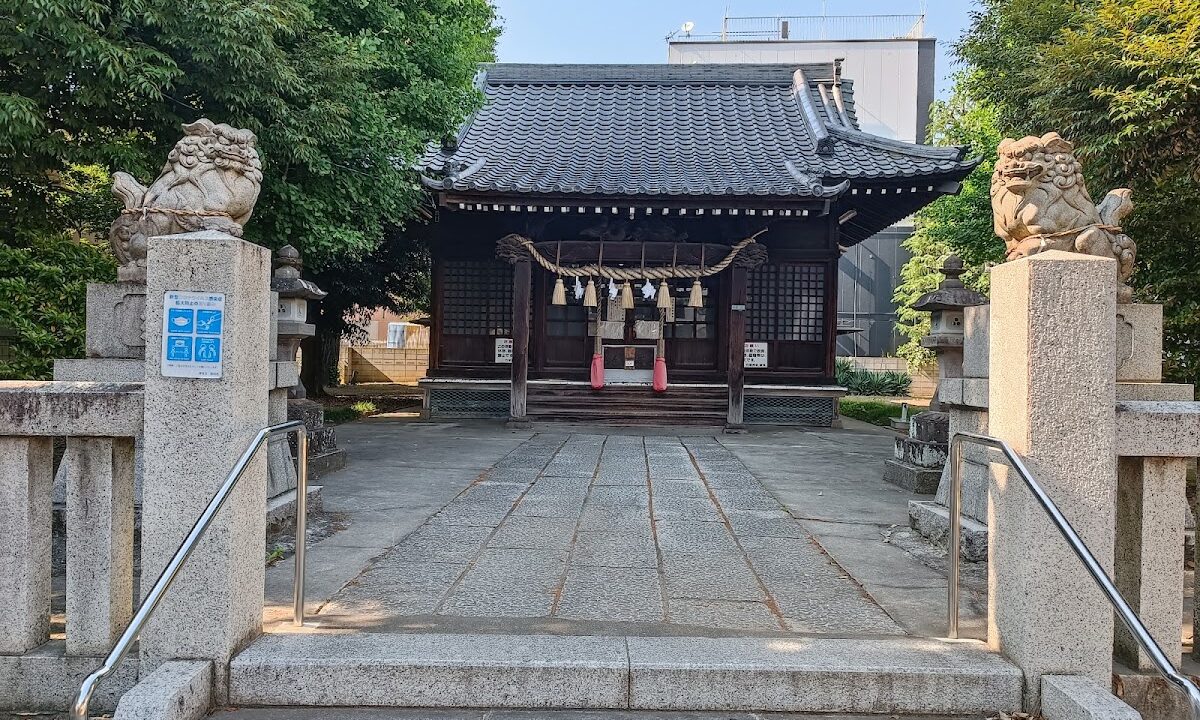
Takezuka Shrine (Adachi Ward, Tokyo) Complete Guide | History, Goshuin (Shrine Seals), Access, and Highlights Explained in Detail
Takezuka Shrine, located in Takenotsuka, Adachi Ward, Tokyo, is an ancient shrine with a history of over a thousand years, founded during the Heian period. Legend has it that Minamoto no Yoriyoshi stayed there during his conquest of Oshu, and it has long been cherished by the local people. This article provides a detailed explanation of everything you need to know before visiting Takezuka Shrine, including its history, goshuin (shrine seals), access methods, annual events, and highlights within the shrine grounds.
Basic Information about Takezuka Shrine
Takezuka Shrine is located at 6-12-1 Takenotsuka, Adachi Ward, Tokyo. In the modern shrine ranking system, it was classified as a village shrine. Currently, it is a subsidiary shrine of Washijinja Shrine, located in Shimane, Adachi Ward, and daily management and rituals are carried out by Washijinja Shrine.
Basic Data
- Official Name: Taketsuka Shrine
- Location: 6-12-1 Takenotsuka, Adachi-ku, Tokyo 121-0813
- Main Deity: Amaterasu Omikami
- Founded: Tengen era (978-983)
- Former Shrine Rank: Village Shrine
- Shrine under concurrent jurisdiction: Washijinja Shrine (Shimane, Adachi-ku)
- Nearest Station: Takenotsuka Station, Tobu Isesaki Line (Tobu Skytree Line)
- Phone Number: 03-3883-6140 (Washijinja Shrine)
History and Origins of Taketsuka Shrine
Founded in the Heian Period
Taketsuka Shrine is said to have been founded during the Tengen era (978-983). This period corresponds to the mid-Heian period, the height of the regency government when the Fujiwara clan held political power. At its founding, the shrine invited the deity of the Grand Shrine of Ise, enshrining Amaterasu Omikami as its principal deity.
The enshrinement of the deity of Ise Grand Shrine is evidence that this region was being developed and people’s lives were becoming more stable. In a life centered on agriculture, the faith in Amaterasu Omikami, the sun goddess, became a source of comfort for people praying for abundant harvests and regional prosperity.
The Legend of Minamoto no Yoriyoshi and Takezuka Shrine
A noteworthy aspect of Takezuka Shrine’s history is its connection to Minamoto no Yoriyoshi. It is said that in 1056, when Minamoto no Yoriyoshi set out for the conquest of Oshu (the Former Nine Years’ War), he established his camp within the grounds of Takezuka Shrine.
Yoriyoshi is said to have prayed for victory at this site and planted a pine tree as a memorial. This “pine tree planted by Yoriyoshi” remained on the shrine grounds until the late Edo period and was a famous tree whose story was passed down among the local people. As the place where the leader of the Minamoto clan prayed for victory in battle, Takezuka Shrine was believed to grant blessings for lasting military fortune and was revered by samurai families.
The Former Nine Years’ War was a conflict in which Minamoto no Yoriyoshi and his son Yoshiie subdued the Abe clan, a powerful family in Mutsu Province (present-day Tohoku region). This victory established the Minamoto clan’s position as the leader of the samurai groups in eastern Japan. Takezuka Shrine holds significant importance as a place involved in this historical turning point.
From the Edo Period to the Modern Era
Throughout the Edo period, Takezuka Shrine served as the guardian shrine of Takenotsuka Village, attracting local faith. It functioned as the center of village festivals and annual events, and was closely intertwined with the lives of the agricultural people.
In the Meiji era, the Meiji government reorganized the shrine system. In 1874 (Meiji 7), Takezuka Shrine was designated a village shrine, establishing its status as an officially recognized shrine. During this period, many shrines were reorganized under the shrine ranking system, and Takezuka Shrine also transitioned to a modern shrine structure.
Modern Takezuka Shrine
After the war, due to reforms in the shrine system, Takezuka Shrine became a shrine under the jurisdiction of Washijinja Shrine. Currently, the chief priest of Washijinja Shrine performs the rituals, and Washijinja Shrine also handles the daily management. Although it is a shrine under the jurisdiction of two other shrines, it continues to be a central presence in the local community, attracting many worshippers as the local tutelary shrine.
Deities and Blessings of Takezuka Shrine
Main Deity: Amaterasu Omikami
The main deity of Takezuka Shrine is Amaterasu Omikami. Amaterasu Omikami is the supreme deity in Japanese mythology, known as the goddess who personifies the sun. Amaterasu Omikami, enshrined in the Inner Shrine of Ise Grand Shrine, is the ancestral deity of the Imperial Family and a goddess who forms the foundation of Japanese spiritual culture.
Amaterasu Omikami, known from the myth of her hiding in the rock cave, has been revered as a being who brings light to the world. In agricultural societies, the blessings of the sun are the source of life, and she is worshipped as a goddess who bestows all kinds of blessings, including abundant harvests, national peace and security, and good fortune.
Benefits of Takezuka Shrine
Takezuka Shrine is believed to offer the following benefits:
Good Fortune and Prosperity Through the divine virtues of Amaterasu Omikami, it is believed to bring good fortune and increased luck in all aspects of life.
Protection from Misfortune and Evil Spirits It is believed to ward off misfortune and purify the body, attracting many worshippers in their unlucky years.
Business Prosperity Located near a local shopping street, it is also popular with business owners praying for business prosperity.
Family Safety
It is believed to bring blessings for the health and peaceful life of the family.
Long-lasting Military Fortune and Victory
Due to the legend of Minamoto no Yoriyoshi praying for victory in battle, it is believed to bring blessings for success in competitions and passing exams.
How to Access Takezuka Shrine
Access by Train
Takezuka Shrine is within walking distance of Takenotsuka Station and is easily accessible by public transportation.
Nearest Station: Takenotsuka Station, Tobu Isesaki Line (Tobu Skytree Line)
- Approximately 4-5 minutes on foot from the east exit of Takenotsuka Station
- Located east of the station, past the shopping street.
Access Time from Major Stations
- From Kita-Senju Station: Approximately 8 minutes by Tobu Skytree Line Express
- From Asakusa Station: Approximately 15 minutes by Tobu Skytree Line Express
- From Oshiage Station (Skytree): Approximately 20 minutes by Tobu Skytree Line Express
Detailed Walking Route
Exit the east exit of Takenotsuka Station and head east, keeping the rotary in front of the station on your right. After walking through the shopping street for a few minutes, you will see the grounds of Takenotsuka Shrine in the residential area. While surrounded by the lively atmosphere of the shopping street, a quiet space unfolds once you enter the shrine grounds.
Access by Car and Parking
If you are visiting by car, you can access the shrine from the Metropolitan Expressway or Loop Route 7, but Takenotsuka Shrine does not have its own parking lot. We recommend using nearby coin-operated parking lots or public transportation.
There are several coin-operated parking lots around Takenotsuka Station, but they can get crowded on holidays and during festivals, so we recommend visiting with plenty of time to spare.
About Goshuin (Shrine Seals)
Where to Obtain Goshuin
Since Takenotsuka Shrine is a subsidiary shrine of Washijinja Shrine, goshuin are not available on the grounds of Takenotsuka Shrine. If you wish to obtain a goshuin, you will need to visit Washijinja Shrine (3-9-3 Shimane, Adachi-ku, Tokyo), the parent shrine.
Goshuin (Shrine Seal) Issuance at Washijinja Shrine
- Address: 3-9-3 Shimane, Adachi-ku, Tokyo
- Phone: 03-3883-6140
- Access: Approximately 15 minutes on foot from Nishiarai Station on the Tobu Daishi Line
- Hours: Usually 9:00 AM to 5:00 PM (may vary depending on festivals, etc.)
Features of the Goshuin
The Goshuin issued at Washijinja Shrine for Takezuka Shrine includes the calligraphy of “Takezuka Shrine” and the shrine’s seal. The Goshuin, carefully written by the chief priest of Washijinja Shrine, is cherished by many visitors as a memento of their visit.
When receiving a Goshuin, it is customary to complete your prayers before heading to the Goshuin office. Also, remember to bring your Goshuincho (stamp book). Pre-printed Goshuin may be available, so it is recommended to check in advance.
Highlights of the Shrine Grounds
Shrine Building
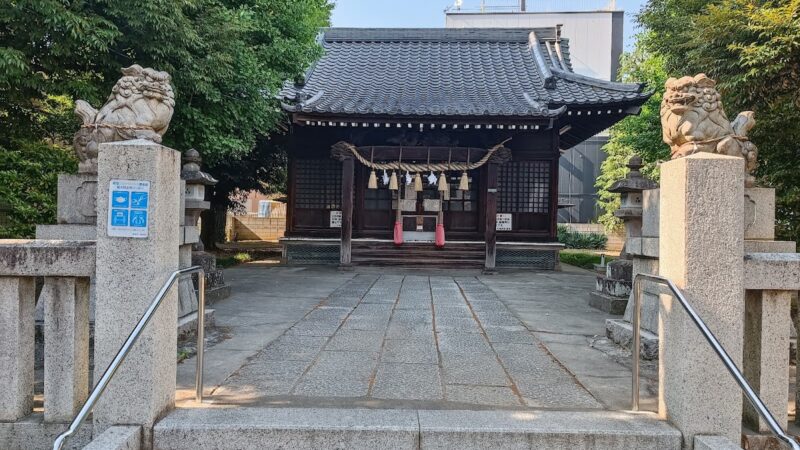
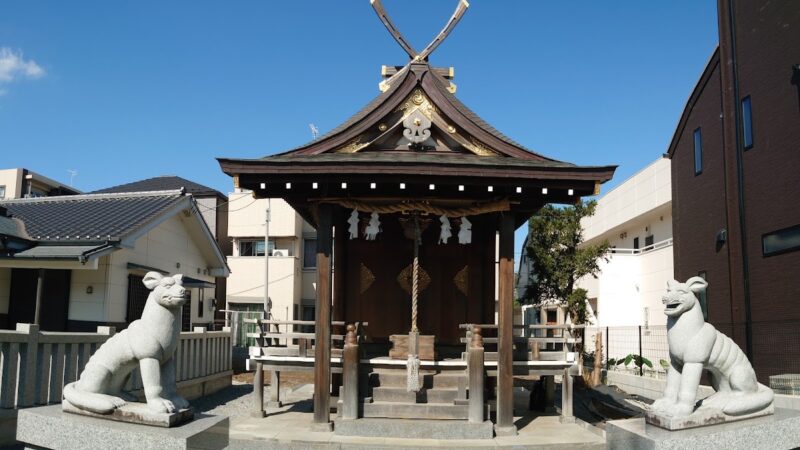
The shrine building of Takezuka Shrine is small but meticulously maintained. The wooden main hall preserves the traditional style of shrine architecture, exuding a sense of long history. In the worship hall, one can quietly offer prayers to Amaterasu Omikami.
A donation box is placed in front of the shrine, and worshippers perform the ritual of two bows, two claps, and one bow. The shrine grounds are carefully cleaned and maintained by local residents, preserving a refreshing atmosphere.
Atmosphere of the Shrine Grounds
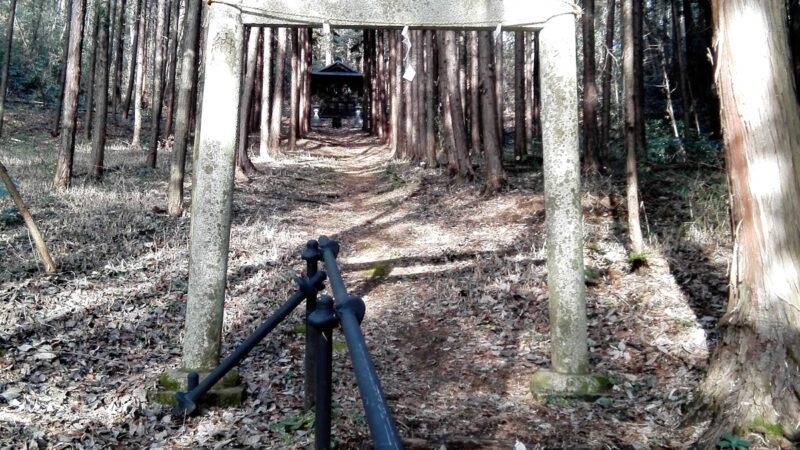
Although Takezuka Shrine is located in a residential area, stepping onto the grounds reveals a tranquil space far removed from the hustle and bustle of the city. The grounds are not particularly large, but the well-maintained paths and trees create a pleasant atmosphere.
The fact that it maintains a sacred atmosphere despite its proximity to a shopping street is a testament to the faith and respect the local people have for the shrine.
Legends Associated with Minamoto no Yoriyoshi
Although it no longer exists, there was once a pine tree on the shrine grounds said to have been planted by Minamoto no Yoriyoshi himself. Its name is recorded in Edo period geographical records, and many people visited to see it.
While the pine tree itself no longer exists, the legend of Minamoto no Yoriyoshi is still passed down as part of the shrine’s history, adding a sense of historical romance.
Annual Events and Festivals
Grand Festival
Takezuka Shrine holds various festivals throughout the year. The Grand Festival is the most important festival for the shrine, where local people gather to express gratitude to the gods and pray for the prosperity of the community.
Bon Odori Festival
Every year at the end of July, a Bon Odori festival is held on the grounds of Takezuka Shrine. This Bon Odori is a beloved summer tradition in the area, with many local residents, from children to the elderly, participating.
A stage is erected on the shrine grounds, and lanterns are displayed, creating a festive summer festival atmosphere. As an important event that strengthens community bonds, it attracts many participants every year.
New Year’s Visit
At the start of the new year, visitors come for their first shrine visit of the year. While not as crowded as large shrines, it is a place where local residents can be seen offering New Year’s greetings to their local guardian deity.
Nearby Shrines and Temples
Besides Takenotsuka Shrine, there are several other temples and shrines around Takenotsuka Station.
Hōshakuin Temple
Hōshakuin Temple is a well-known temple in the Takenotsuka Station area. Visiting temples in conjunction with shrine visits will allow for a more fulfilling religious experience.
Washijinja Shrine (Shimane)
Washijinja Shrine, which is also managed by Takenotsuka Shrine, is located in Shimane, Adachi Ward. You will visit it when receiving a Goshuin (shrine stamp), but it is also a historically significant shrine, so if you have time, we recommend taking your time to visit it.
Attractions Around Takenotsuka Station
Shopping Street
The area around Takenotsuka Station boasts a vibrant shopping street, a charming area where traditional shops and newer stores coexist. It’s recommended to stroll around and enjoy the local atmosphere before or after visiting the shrine.
Local Characteristics
Takenotsuka in Adachi Ward is known as an area that retains the charm of old Tokyo. While offering good access to the city center, it maintains a strong community ties and a warm atmosphere where residents are closely connected.
Takenotsuka Shrine is a central presence in this community, deeply integrated into the lives of its residents.
Manners and Etiquette for Visiting a Shrine
Basic Etiquette for Visiting a Shrine
Let’s review the basic etiquette for visiting a shrine.
- Bow Before Passing Through the Torii Gate: As a sign of respect before entering the sacred area, bow before the torii gate.
- Walk along the edge of the approach to the shrine: The center of the approach is considered the path for the gods, so walk along the edge.
- Purify yourself at the water basin: If there is a water basin, purify your hands and mouth.
- Worship at the main hall: Worship using the two bows, two claps, and one bow ritual.
- Bow when leaving the shrine grounds: Before leaving through the torii gate, turn around and bow.
Regarding photography
Photography is generally permitted within the shrine grounds, but please refrain from taking pictures inside the main hall or in sacred areas. Also, please be considerate of other worshippers.
Regarding attire
There are no specific dress code requirements, but clean and subdued clothing is desirable, reflecting the respect you feel when visiting the gods.
The charm and recommended points of Takezuka Shrine
An ancient shrine with over a thousand years of history
Founded during the Heian period, Takezuka Shrine has watched over the region for over a thousand years. Even amidst modern urbanization, the way it continues to preserve its history and traditions deeply impresses visitors.
A Historical Spot with the Legend of Minamoto no Yoriyoshi
The legend of Minamoto no Yoriyoshi setting up camp here is particularly interesting for history buffs. As a place involved in the Former Nine Years’ War, a crucial event in Japanese history, it is a shrine of high historical value.
A Warm, Community-Based Atmosphere
Unlike large-scale tourist shrines, Takezuka Shrine, cherished by residents as the local guardian shrine, boasts a warm and peaceful atmosphere. Its function as a center of the local community evokes the true essence of a shrine.
Easy Access
Located just a few minutes’ walk from Takenotsuka Station, it offers excellent access from central Tokyo. It’s a rare shrine where you can easily visit while still enjoying a peaceful worship experience.
Summary
Takezuka Shrine is a historic shrine located in Takenotsuka, Adachi Ward, Tokyo. Since its founding during the Tengen era (978-983), Takezuka Shrine has watched over the region for over a thousand years, attracting the faith of many people, along with the legend of Minamoto no Yoriyoshi’s conquest of Oshu.
Although it is now a subsidiary shrine of Washijinja Shrine, it remains cherished as the local guardian deity, playing a central role in the community through annual events and Bon Odori festivals.
Its convenient location, just a few minutes’ walk from Takenotsuka Station, its tranquil atmosphere despite its proximity to a shopping street, and the unique charm woven from over a thousand years of history make it well worth a visit.
You can obtain a Goshuin (shrine stamp) at Washijinja Shrine, the parent shrine, so a pilgrimage to both shrines is also recommended. Please consider visiting Takezuka Shrine, a historic shrine easily accessible from central Tokyo.
Under the protection of Amaterasu Omikami, Takezuka Shrine offers various blessings, including good fortune, protection from evil, business prosperity, and family safety. When visiting Adachi Ward, why not pay a visit?