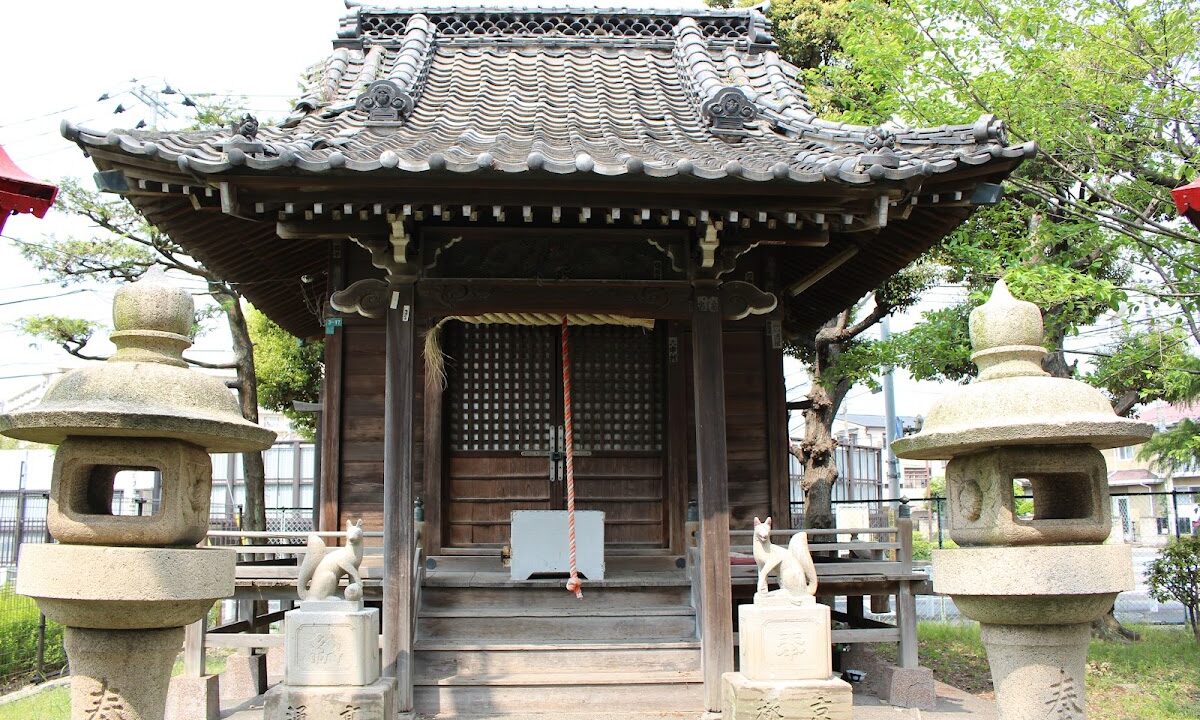
Complete Guide to Hananoki Inari Shrine (Katsushika Ward, Tokyo): History, Deities, Access, and Highlights
Hananoki Inari Shrine, located in Shinjuku, Katsushika Ward, Tokyo, is a historic Inari shrine beloved by the local community. Originally relocated from a place called “Hananoki” along the Nakagawa River, it now sits near the Tokyo University of Science Katsushika Campus and the Katsushika Niijuku Mirai Park Athletic Field. This article provides a detailed explanation of the history, deities, visiting information, and highlights of Hananoki Inari Shrine.
Basic Information on Hananoki Inari Shrine
Hananoki Inari Shrine is located at 6-3 Shinjuku, Katsushika Ward, Tokyo. It boasts excellent accessibility, being approximately a 6-minute walk from Kanamachi Station on the JR Joban Line (local train). It is known as a shrine visited not only by local residents but also by students and faculty members of the nearby Tokyo University of Science Katsushika Campus.
Location and Surrounding Environment
Address: 6-3 Shinjuku, Katsushika-ku, Tokyo
The shrine is located in a corner of the Katsushika Niijuku Mirai Park sports field, in a quiet environment with a mix of residential areas and educational facilities. Because it is close to the Tokyo University of Science Katsushika Campus, students praying for academic success can also be seen.
The Shinjuku area of Katsushika-ku is close to the Nakagawa and Arakawa rivers and has flourished as a water transport area since ancient times. Hananoki Inari Shrine is deeply connected to the history of this area and can be said to be a shrine that has walked hand in hand with the development of the region.
Deity Enshrined: Ukanomitama-no-kami (Kura-Inadama-no-mikoto)
The deity enshrined at Hananoki Inari Shrine is Ukanomitama-no-kami. Also known as Kura-Inadama-no-mikoto, this deity is widely worshipped in Japanese mythology as the god who presides over food and grains.
About Ukanomitama-no-Kami
Ukanomitama-no-Kami is a deity appearing in the Kojiki and Nihon Shoki, and is said to be the child of Susanoo-no-Mikoto and Kamu-Oichihime. “Uka” is an archaic word meaning grain or food, and Ukanomitama-no-Kami is worshipped at Inari shrines throughout Japan as the god of abundant harvests, business prosperity, and industrial development.
Inari worship is one of the most widespread faiths in Japan, and is revered not only as the guardian deity of agriculture but also of commerce and industry. At Hananoki Inari Shrine, it has been revered for many years as the center of faith, praying for the prosperity of the region and the stability of people’s lives.
Divine Blessings
The main blessings you can receive at Hananoki Inari Shrine are as follows:
- Abundant Harvest: Prayers for a bountiful harvest
- Business Prosperity: Success and prosperity in business
- Family Safety: Health and safety of family members
- Industrial Development: Promotion of local industries
- Academic Success: Many students visit the shrine due to the nearby university.
History and Origins of Hananoki Inari Shrine
The history of Hananoki Inari Shrine originates from the place name “Hananoki” along the Nakagawa River. While the exact founding date of the shrine is unclear, it is certain that it has been a Shinto shrine worshipped in this area since ancient times.
Relocation from the Nakagawa River
According to the Katsushika Ward Shrine Survey Report, Hananoki Inari Shrine was originally located in a place called “Hananoki” near the Nakagawa River. The Nakagawa River developed as a key waterway during the Edo period, and many settlements were formed around it.
There are several theories about the origin of the place name “Hananoki,” but the most likely explanation is that it was named after a tree that bloomed beautifully in the spring. An Inari shrine was enshrined in this area, attracting the faith of the local people.
Later, due to river improvements and regional development, the shrine was relocated to its current location in Shinjuku 6-chome, Katsushika Ward. Even after the relocation, it continues to attract unwavering devotion as the guardian deity of the community.
History and Shrines of Katsushika Ward
Katsushika Ward developed as an agricultural area during the Edo period, and many shrines and temples were built. Blessed with rivers such as the Nakagawa and Arakawa, and with thriving rice cultivation, Inari worship, praying for abundant harvests, was particularly popular.
Hananoki Inari Shrine, deeply connected to the region’s agriculture, has served as a spiritual center for local residents from the Edo period to the present day. While urbanization is progressing with an increase in residential areas and educational facilities, the shrine continues to exist as the spiritual center of the community.
Highlights and Features of the Shrine Grounds
Hanagi Inari Shrine is a small but warm and welcoming shrine deeply rooted in the community. The grounds feature stone monuments and small shrines characteristic of Inari shrines, creating a peaceful environment for worship.
Stone Monuments and Memorials
Stone monuments that tell the story of history remain on the shrine grounds. These monuments are inscribed with the history of the shrine and the surrounding area, conveying the historical value of the shrine to visitors. While some of the inscriptions are difficult to read due to age, they are carefully preserved as cultural assets of the region.
Main Hall and Worship Hall
The main hall of Hanagi Inari Shrine follows traditional shrine architectural styles. Although small in scale, it is meticulously maintained, reflecting the deep faith of the local people.
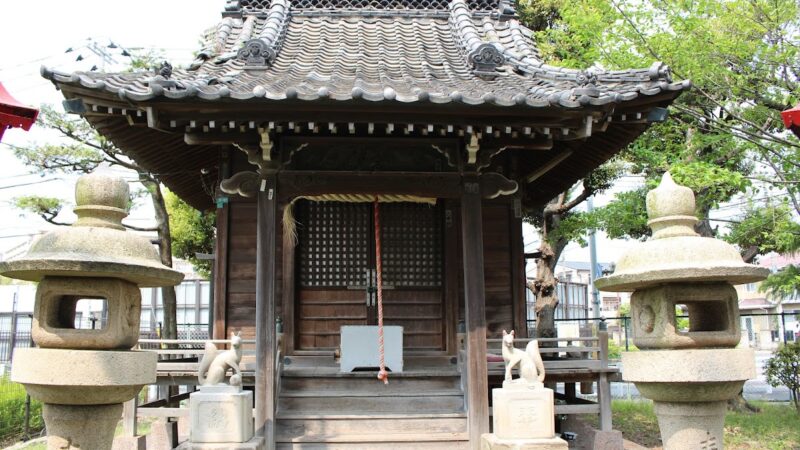
A donation box is located in front of the worship hall, and worshippers can perform the ritual of two bows, two claps, and one bow. The shrine features elements of vermilion, typical of Inari shrines, creating a welcoming atmosphere for visitors.
Surrounding Natural Environment
The shrine is adjacent to the Katsushika Niijuku Mirai Park Athletic Field, surrounded by lush greenery. Cherry blossoms bloom in spring, and the autumn leaves are beautiful, making it an attractive place to visit while experiencing the changing seasons.
Many visitors stop by while strolling through the park, and the shrine also serves as a community space.
Access and Visiting Information
Public transportation is the most convenient way to access Hananoki Inari Shrine. It is within walking distance of the nearest station and easily accessible from central Tokyo.
Access by Train
Nearest Station: JR Joban Line Local Train “Kanemachi Station”
- Approximately 6 minutes on foot from the South Exit of Kanemachi Station
- Head south from the station towards Tokyo University of Science Katsushika Campus
- It’s easy to find if you aim for Katsushika Niijuku Mirai Park Sports Ground
Kanemachi Station also has direct service on the Tokyo Metro Chiyoda Line, making it easily accessible from various parts of central Tokyo.
Access by Car
There is no dedicated parking lot for the shrine, but there are coin-operated parking lots scattered around the area. However, since it is located in a residential area, we recommend using public transportation whenever possible.
Visiting Hours and Precautions
Hanagi Inari Shrine is generally open for free visits. Since the shrine office may not always be staffed, we recommend checking in advance if you wish to obtain a Goshuin (shrine stamp) or other items.
When visiting, please be considerate of the quiet residential area and refrain from making noise or engaging in disruptive behavior. The shrine grounds are kept clean, so please be mindful of proper etiquette when visiting, such as taking your trash with you.
Relationship with Tokyo University of Science Katsushika Campus
One of the major features of Hananoki Inari Shrine is its proximity to the Tokyo University of Science Katsushika Campus. Established in 2013, the campus houses the Faculty of Science, the Faculty of Engineering, and the Faculty of Fundamental Engineering, and is home to many students.
A Student Worship Spot
Due to its proximity to the campus, many students visit the shrine before exams, upon enrollment, and upon graduation to pray for academic success and passing exams. Inari shrines are believed to grant not only business prosperity but also the fulfillment of various wishes, making them revered as gods of learning.
For students visiting at key points in their university life, Hananoki Inari Shrine is a source of emotional support. It serves as a place to calm their minds in the tranquil grounds and solidify their new resolve.
Connections between the Community and the University
With the opening of Tokyo University of Science’s Katsushika Campus, the Shinjuku area of Katsushika Ward has also taken on the characteristics of a student town. Hananoki Inari Shrine functions as a point of contact connecting long-time residents with new students, contributing to the revitalization of the local community.
Comparison with Other Inari Shrines in Katsushika Ward
Besides Hananoki Inari Shrine, there are several other Inari shrines in Katsushika Ward. Each has its own unique history and beliefs that reflect the characteristics of the region.
Inari Faith in Katsushika Ward
Katsushika Ward has been a region where agriculture has flourished since the Edo period, and Inari faith, praying for abundant harvests, has been widely rooted. Inari shrines were enshrined in each settlement and revered as guardian deities of the region.
Hananoki Inari Shrine is particularly distinctive for its history related to its location along the Nakagawa River, a key point for water transport. It possesses unique value as a place of worship where three elements—water, agriculture, and regional development—are intertwined.
Manners and Etiquette for Visiting a Shrine
When visiting a shrine, it is important to observe basic manners. Here are the proper manners for visiting Hananoki Inari Shrine.
How to Pass Through the Torii Gate
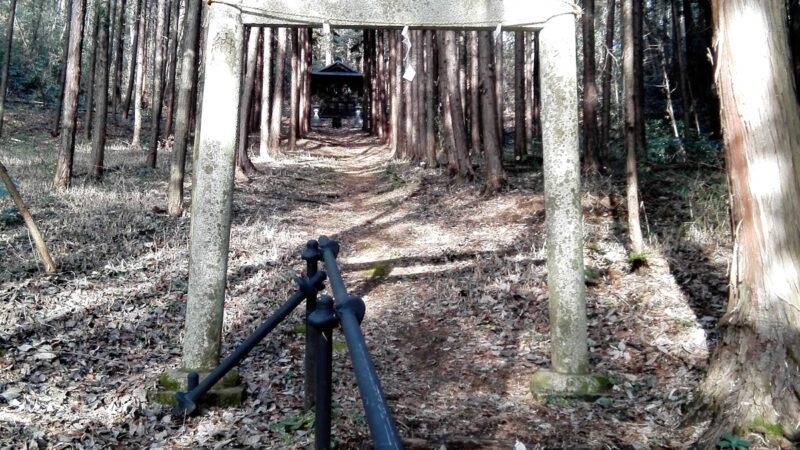
The torii gate at the entrance of the shrine marks the entrance to the sacred area. Before passing through the torii gate, bow to show respect for entering the sacred area. It is considered proper etiquette to avoid walking in the center of the path (as the center is considered the path of the gods).
Proper Ritual for Washing Your Hands
If there is a water basin at Hananoki Inari Shrine, please purify yourself using the following steps:
- Take the ladle with your right hand and wash your left hand.
- Switch the ladle to your left hand and wash your right hand.
- Switch the ladle back to your right hand, receive water in your left hand, and rinse your mouth.
- Wash your left hand once more.
- Hold the ladle upright, wash the handle, and return it to its original position.
Proper Ritual for Worshiping at the Main Hall
- Stand in front of the offering box and bow slightly.
- Gently place your offering (do not throw it in).
- If there is a bell, ring it.
- Perform two bows, two claps, and one bow (two deep bows, two claps, one deep bow).
- Convey your wishes and gratitude silently.
Manners on the Shrine Grounds
- Do not speak loudly.
- Take photographs only where permitted.
- Take your trash with you.
- Do not touch plants or buildings.
- Check if pets are allowed.
Hananoki Inari Shrine in Each Season
Hananoki Inari Shrine displays different expressions in each of the four seasons, offering different charms depending on when you visit.
Hananoki Inari Shrine in Spring
In spring, the surrounding cherry blossoms bloom, enveloping the shrine grounds in a vibrant atmosphere. It’s also the time of year for new school enrollments and the start of new lives, and many new students from Tokyo University of Science visit the shrine. As a shrine named after a flower, a spring visit is especially recommended.
Hananoki Inari Shrine in Summer
In summer, the greenery deepens, and the shrine grounds become a cool, shady place to relax. The sounds of children playing in the Katsushika Niijuku Mirai Park playground create a lively atmosphere.
Hananoki Inari Shrine in Autumn
In autumn, the autumn leaves are beautiful, allowing for a peaceful and tranquil visit. It’s also the harvest season, a fitting time to offer thanks to the god of abundant harvests.
Hananoki Inari Shrine in Winter
In winter, the shrine is enveloped in silence, and a solemn atmosphere prevails. During the New Year’s pilgrimage season, local residents visit to offer prayers for the new year.
Attractions Around Hananoki Inari Shrine
When visiting Hananoki Inari Shrine, you can also explore the surrounding tourist spots.
Katsushika Niijuku Mirai Park
Adjacent to the shrine, this park features a sports field and playground equipment, serving as a place of relaxation for local residents. There’s also a spacious lawn area perfect for picnics and sports.
Tokyo University of Science Katsushika Campus
This campus is characterized by its modern architecture, and some areas are open to the public. You can experience the university atmosphere through facilities like the cafeteria and library.
Nakagawa Riverbank
The Nakagawa River, deeply connected to the history of Hananoki Inari Shrine, remains a beautifully maintained riverbank. It’s a great place for cycling and walks, and the cherry blossom trees are magnificent in spring.
Shibamata Taishakuten
A representative tourist spot in Katsushika Ward, it’s relatively close to Hananoki Inari Shrine. It’s also famous as a setting for the movie “Tora-san,” and its charming approach to the shrine exudes the atmosphere of old Tokyo.
Deepening Your Understanding of Inari Faith
When visiting Hananoki Inari Shrine, deepening your understanding of Inari faith will make your visit more fulfilling.
Characteristics of Inari Shrines
With approximately 30,000 shrines nationwide, Inari shrines are the most numerous type of shrine in Japan. Their head shrine is Fushimi Inari Taisha in Kyoto, and many Inari shrines throughout the country were established by inviting deities from this shrine.
The following are some characteristics of Inari shrines:
- Vermilion Torii Gate: Many Inari shrines have vermilion (red) torii gates.
- Fox Statues: Statues of foxes, considered messengers of the gods, are often placed at these shrines.
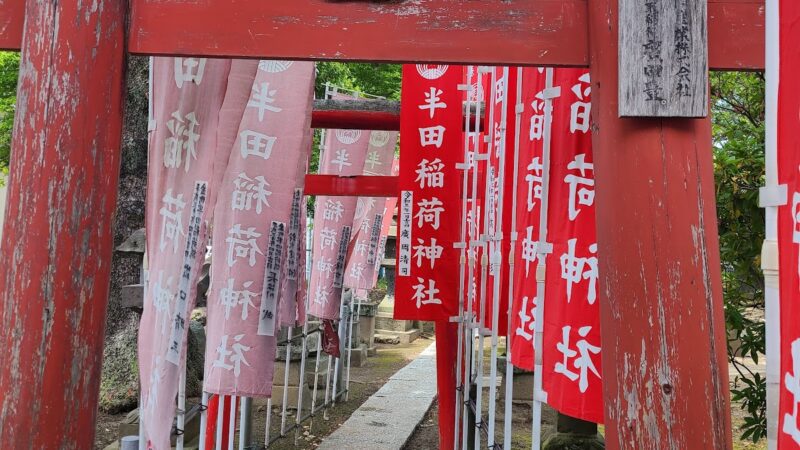
- Banner Flags: Flags bearing inscriptions such as “Sho-ichii Inari Daimyojin” (First Rank Inari Great Deity) are displayed.
Foxes and Inari Worship
The fox statues commonly seen at Inari shrines are not the gods themselves, but rather messengers of the gods. Because foxes prey on mice that damage crops, they came to be revered as guardians of abundant harvests.
Hanagi Inari Shrine also carries on this tradition of Inari worship, attracting the faith of local people.
About Goshuin (Shrine Seals) and Souvenirs
Collecting goshuin (shrine seals) is one of the pleasures of visiting a shrine. This section explains the goshuin and souvenirs available at Hanagi Inari Shrine.
About Goshuin (Shrine Seals)
Hanagi Inari Shrine is a small shrine, so the shrine office is not always open. Those wishing to receive a Goshuin are advised to check the visiting hours and availability in advance.
Generally, it’s important to understand that shrine Goshuin are given as proof of worship, not to be collected like a stamp rally.
Items Offered
Due to the small size of the shrine, the types of amulets and other items offered may be limited. However, there may be warm and unique items characteristic of a shrine deeply rooted in the community.
The Role of Hanagi Inari Shrine in the Local Community
Hanagi Inari Shrine plays an important role not only as a religious facility but also as a center of the local community.
Preservation of Local History
Shrines are valuable cultural assets that convey the history of the region to the present day. The history of its relocation from “Hanagi” along the Nakagawa River tells the story of the development of the Shinjuku area of Katsushika Ward itself. Through stone monuments and records, it plays a role in passing on the memory of the region to future generations.
Community Hub
Shrines serve as gathering places for local residents, strengthening community ties. Through festivals and cleaning activities, interaction among residents is fostered, deepening local bonds.
Place of Peace of Mind
In today’s increasingly urbanized world, shrines are precious spaces for finding peace of mind. By praying in the quiet grounds, one can escape the hustle and bustle of daily life and find inner peace.
Summary: The Charm of Hananoki Inari Shrine
Hananoki Inari Shrine is a historic Inari shrine located in Shinjuku, Katsushika Ward, Tokyo. It has a history of being relocated from “Hananoki” along the Nakagawa River, and enshrines Ukanomitama-no-kami (Kura-Inadama-no-Mikoto) as its main deity.
It boasts a convenient location, approximately a 6-minute walk from Kanamachi Station on the JR Joban Line, and is close to the Tokyo University of Science Katsushika Campus and the Katsushika Niijuku Mirai Park Athletic Field. Hananoki Inari Shrine continues to attract unwavering devotion, beloved by both local residents and students.
Despite its small size, the shrine grounds are meticulously maintained, historical monuments stand as testaments to its rich history, and it plays a central role in the local community. It’s a shrine where people can pray for various blessings, including a bountiful harvest, business prosperity, family safety, and academic success.
When visiting Katsushika Ward, be sure to stop by Hananoki Inari Shrine. Let the tranquil grounds soothe your soul and reflect on the region’s history. A peaceful and relaxing visit awaits you, a welcome respite from the hustle and bustle of the city.